






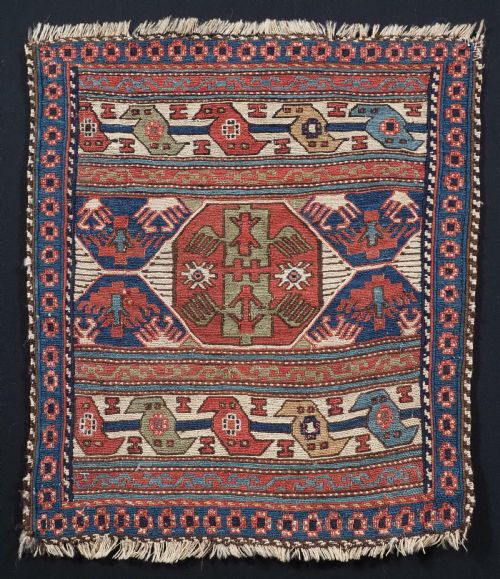

Oriental Flatweave Cushion Cover
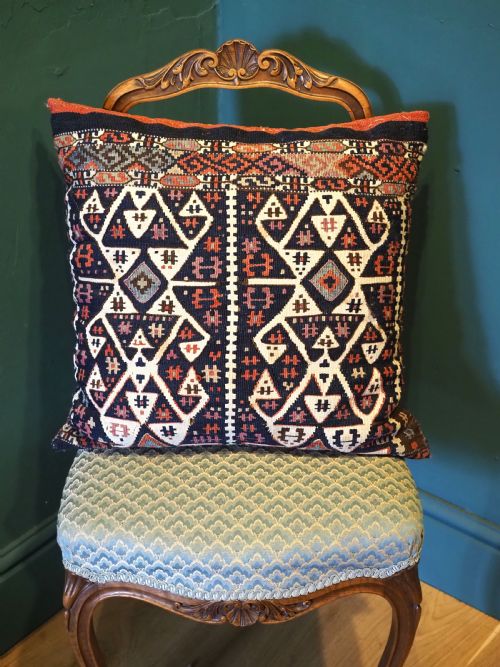
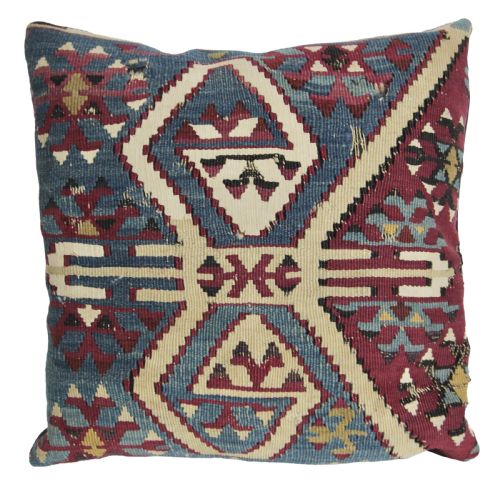
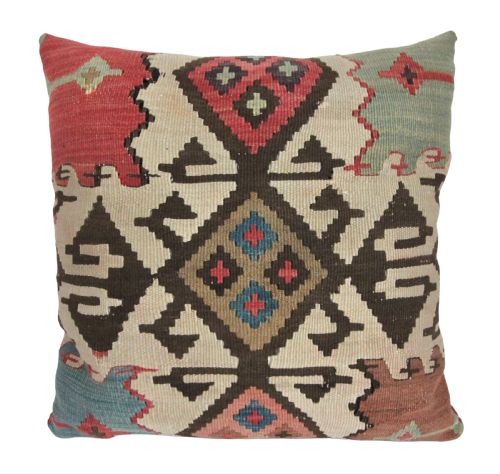
An oriental flatweave cushion cover brings authentic tribal texture and nomadic design into a modern room through repurposed antique wool work.
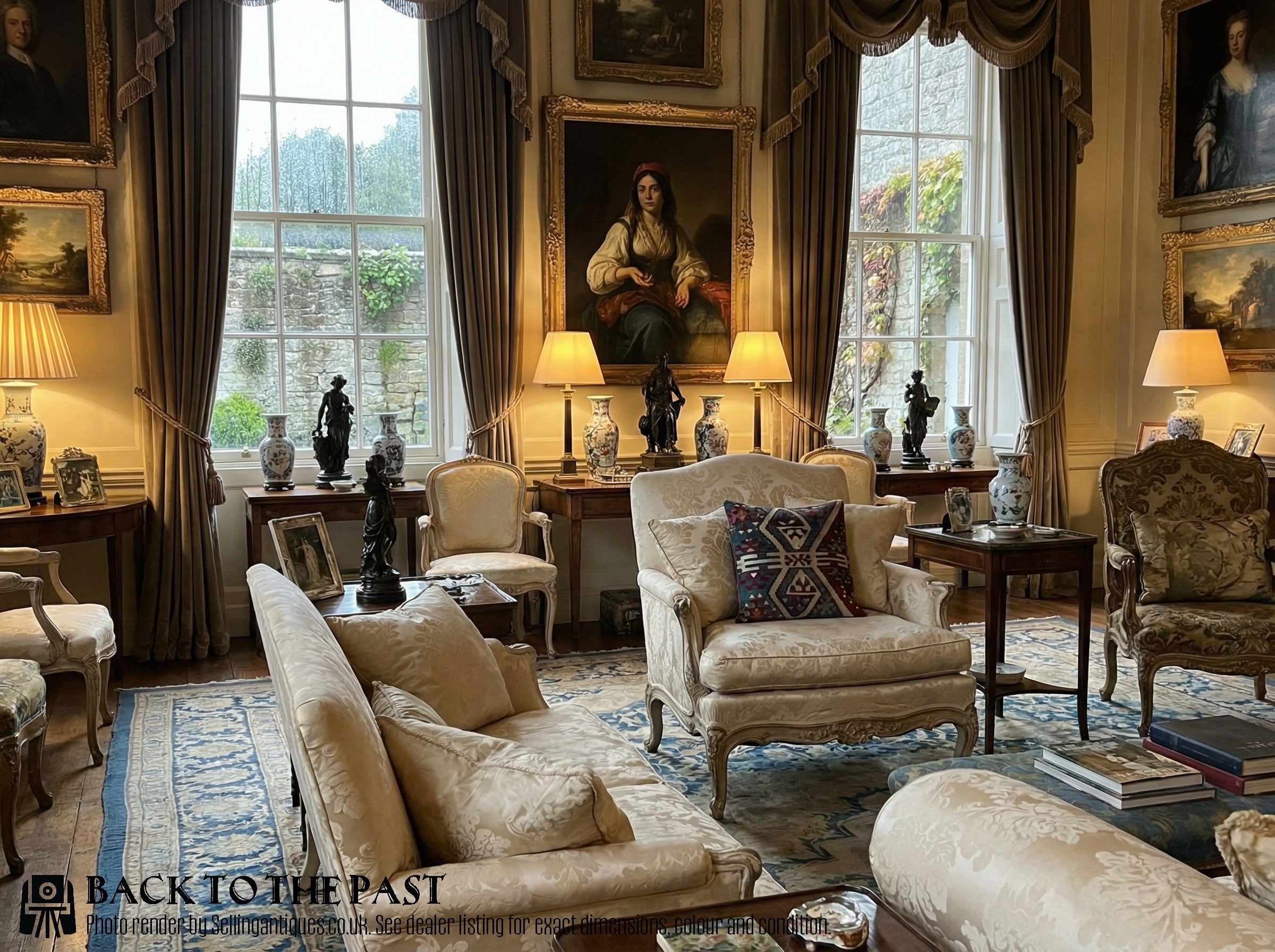
Oriental Flatweave Cushion Cover
You will most frequently meet cushion covers originating from Anatolian, Persian, Caucasian, and Shahsavan tribal traditions. These textiles date across several periods, stretching from the mid-nineteenth century through the early twentieth century.
The forms range from simple throw cushions to large hand-woven bag faces retaining their original character. Each item repurposes historical nomadic weaving into a functional decorative object for contemporary interiors.
How they were made
These textiles rely on hand-spun wool and cotton, worked into flatweaves without a pile. Artisans constructed them using traditional nomadic looping and weaving techniques suited to portable looms.
Colour comes from natural and vegetable dyes applied to the wool before weaving. These dyes produce deep, muted tones that develop a rich patina over decades of use and exposure.
Listings feature items dated across the periods 1850, 1870, 1900, and 1920.
What varies in quality
Quality in an oriental flatweave cushion cover rests on the fineness of the weave and the complexity of the tribal design. Tightly packed wool yarns and crisp geometric motifs signal superior craftsmanship by the original nomadic weavers.
The integrity of the surviving textile fragment dictates the overall standard of the piece. Items retaining clear iconography, such as bird or dragon motifs, demonstrate higher artistic execution than plain ground sections.
The Oriental Flatweave Cushion Cover Glossary
- Kilim
- A flatweave textile produced without a pile by tightly interlocking weft threads over warp threads. This technique creates a smooth, durable fabric traditionally used for rugs, bags, and coverings.
- Soumak
- A brocade-like flatweaving technique where supplementary weft threads wrap around the warp yarns for added strength and texture. It results in a raised surface pattern often found on nomadic storage pieces.
- Bag face
- The decorative front panel of a traditional nomadic storage sack, preserved and separated from its plain back after heavy wear. These panels display the primary pictorial or geometric design of the original weaving.
- Vegetable dye
- Colour extracted from roots, leaves, bark, and other organic matter used to dye wool before the introduction of synthetic alternatives. These natural colorants yield nuanced shades that age with distinct character.
- Warp
- The stationary vertical threads stretched across a loom that form the structural foundation of the textile. Weft threads are woven horizontally through these structural elements to build the pattern.
Oriental Flatweave Cushion Cover: Frequently Asked Questions
What is an oriental flatweave cushion cover made from?
These cushion covers are constructed from antique wool and cotton textiles originally woven by nomadic groups. The materials include hand-spun wool and natural vegetable dyes.
Many examples repurpose historical fragments from nineteenth-century saddle bags and kilims into soft furnishings. This gives durable tribal weaving a renewed domestic function.
How do I care for antique flatweave cushions?
Gentle handling preserves the fragile historical wool and vegetable dyes of these vintage textiles. Vacuuming with low suction avoids pulling the hand-spun threads.
Professional cleaning suited to antique wool is recommended when necessary. Direct sunlight should be avoided to prevent natural dye fading.
Where do these cushion covers originate?
The pieces originate from various tribal regions across the Near East and Central Asia. Common regional styles include Anatolian, Caucasian, Persian, and Shahsavan traditions.
Nomadic weavers produced the original flatweaves in encampments and rural communities. Each geographic area utilised distinct geometric motifs and dye palettes.
How can I tell the age of a flatweave cushion?
Age is determined by the characteristics of the wool, the composition of the natural dyes, and the style of the tribal iconography. Pieces dating from the nineteenth century show specific signs of hand-spinning and traditional regional patterns.
Structural details like soumak work or early flatweave construction help distinguish older nomad pieces from later reproductions.