


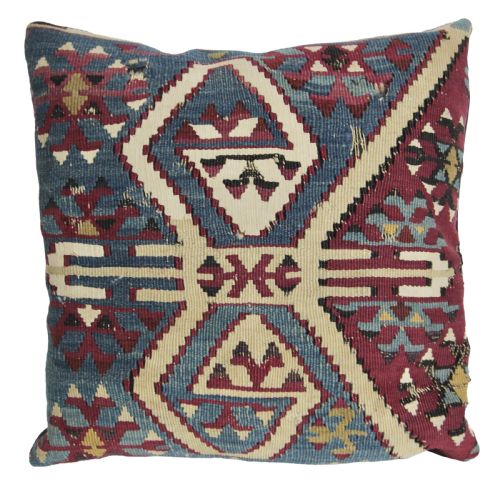
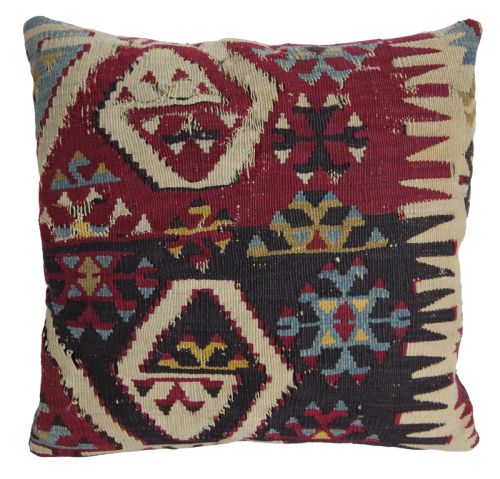


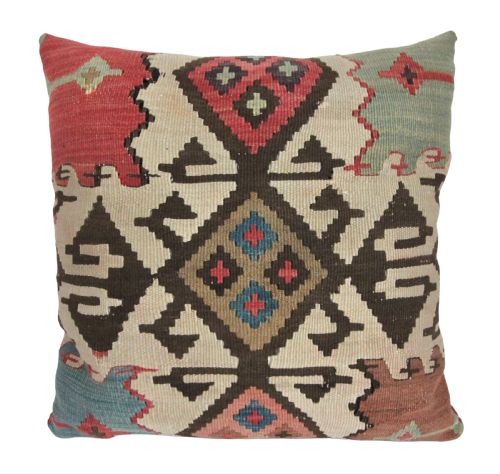
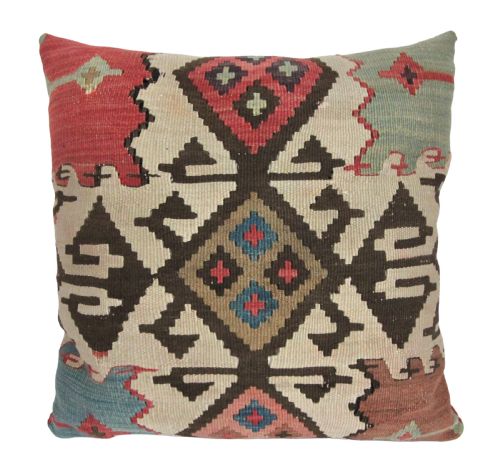


Bohemian Wool Throw Cushion
These bohemian wool throw cushion pieces bring tactile history to a room, offering genuine nomadic character.
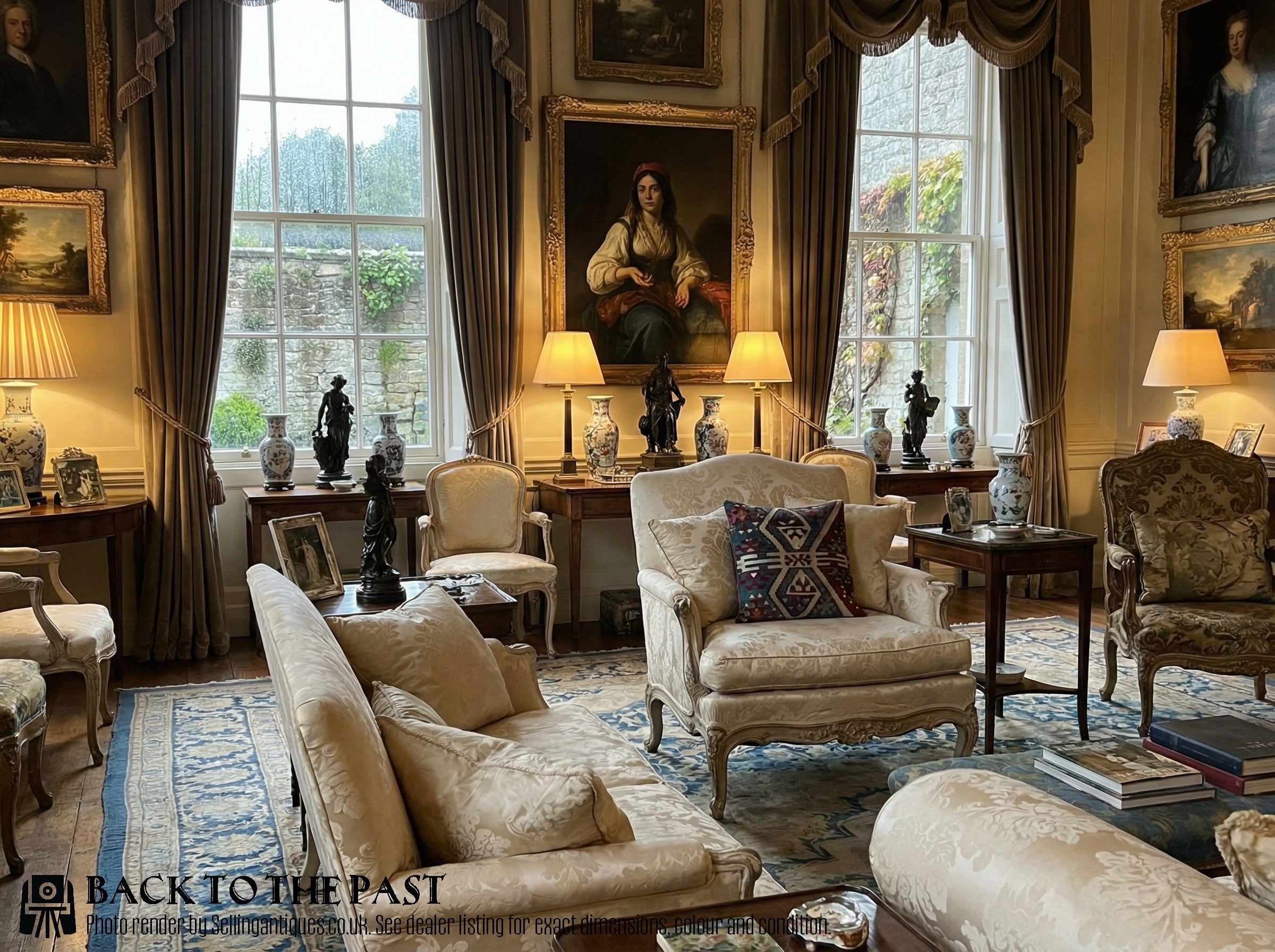
Bohemian Wool Throw Cushion
A bohemian wool throw cushion transforms antique textiles into functional home accessories. When you search for a bohemian wool throw cushion, you encounter pieces adapted from nineteenth-century and early twentieth-century formats.
The selections here comprise antique kilim cushions, bag face cushions, carpet cushions, and Baluch rug cushions. These items originate from traditional tribal workshops and nomadic contexts.
You are most likely to meet mid-nineteenth-century kilim cushions on this page, alongside vintage carpet cushions from the early twentieth century. Each object repurposes woven wool and cotton surfaces into decorative cushions.
How they were made
The construction of these cushions relies on hand-woven textiles made primarily from wool and cotton. Artisans utilised traditional flat-weave and pile-weaving techniques to create durable tribal designs.
Many examples incorporate repurposed older bag faces and rug fragments, stitched to form functional cushion covers. The materials reflect nomadic traditions where textiles served practical domestic roles before conversion.
Listings span periods from eighteen-fifty to nineteen-twenty, featuring wool and cotton materials across styles like Anatolian Tribal and Nomadic Tribal.
What varies in quality
Quality in these cushions rests on the integrity of the original weave and the preservation of the textile fragment. Finer examples retain tight, even knotting or precise flat-weave structures from their nineteenth-century origins.
The strength of the wool and the clarity of the tribal patterns distinguish superior pieces from simpler later adaptations. Consistency in hand-woven execution marks the upper end of the selection.
The Bohemian Wool Throw Cushion Glossary
- Kilim
- A flat-woven carpet or rug made without a pile, frequently utilised for cushion conversions. This technique produces a smooth surface with distinct geometric patterns.
- Bag face
- The front panel of a traditional nomadic storage sack, often salvaged for decorative use. These panels typically display concentrated tribal designs.
- Nomadic Tribal
- A style reflecting the mobile lifestyle of traditional weavers who utilised geometric motifs and locally sourced wool. Such designs carry distinct cultural markers from specific regions.
- Baluch
- A designation for rugs and textiles associated with nomadic groups from the borderlands of Iran, Afghanistan, and Pakistan. These pieces often feature deep tones and characteristic geometric structures.
Bohemian Wool Throw Cushion: Frequently Asked Questions
What is a bohemian wool throw cushion?
These items are decorative cushions fashioned from historical woven textiles, including kilims and rug fragments. They incorporate materials like wool and cotton into home furnishings.
Such pieces adapt nineteenth-century and early twentieth-century nomadic textiles for contemporary interior use while preserving traditional tribal patterns.
How were antique kilim cushions made?
Artisans wove the original flat-weave textiles by hand using wool and sometimes cotton before adapting them into cushion formats. The construction relied on traditional nomadic techniques.
Makers utilised surviving rug segments and bag faces, transforming durable historical fabrics into functional domestic objects.
How do I date a carpet cushion?
Dating relies on examining the materials, weave structure, and stylistic markers associated with specific periods like the nineteenth century. Indicators include the handling of the wool and traditional tribal designs.
Evidence from listings points to eras such as eighteen-seventy, eighteen-fifty, and nineteen-ten, which help establish the age of the base textile.
How do I live with tribal cushions?
These cushions suit interiors that benefit from tactile textures and historic woven patterns. They integrate well into diverse seating arrangements as accent pieces.
Placement should account for the vintage nature of the wool and cotton fabrics, ensuring they receive gentle use in daily environments.