
Vintage Tub Armchairs
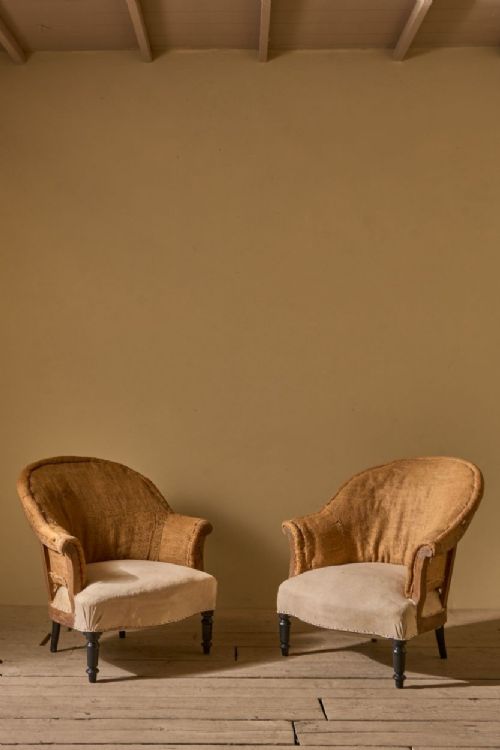
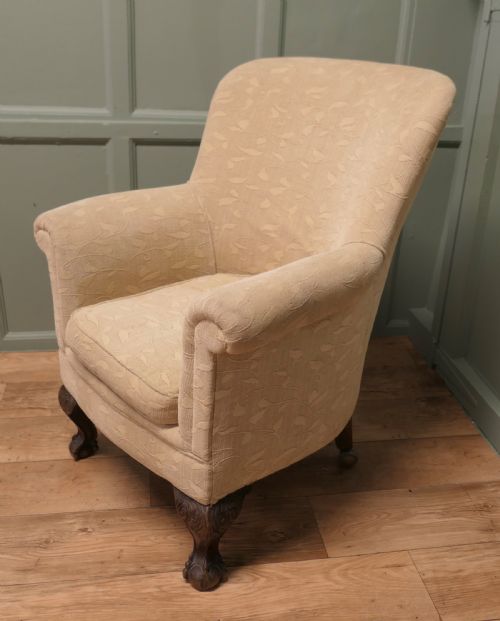
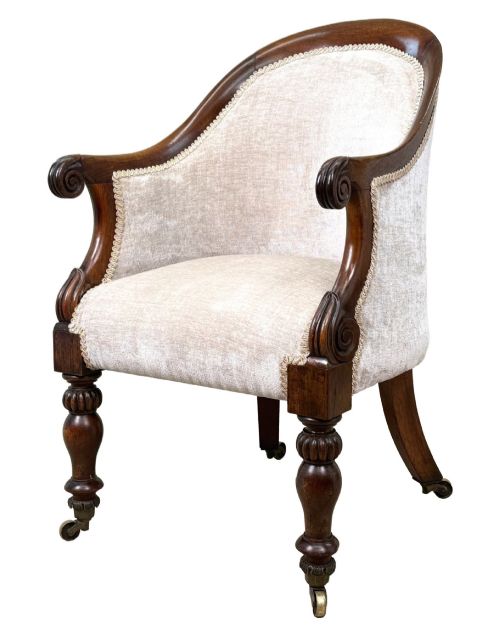
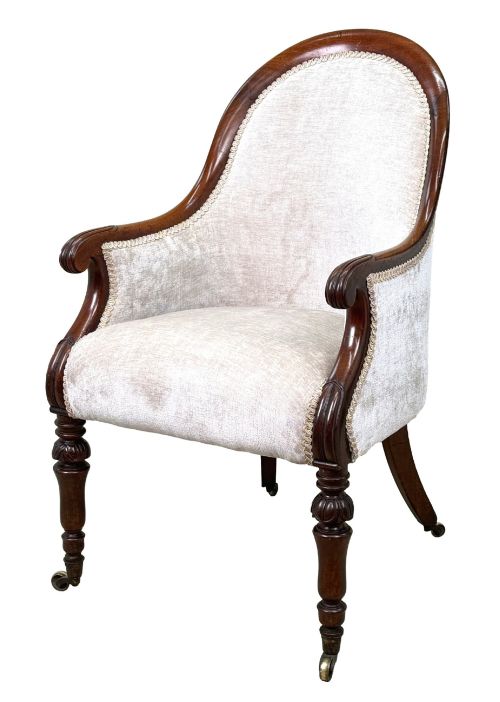
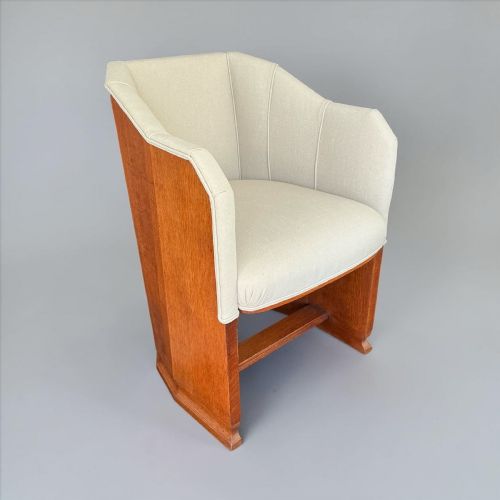
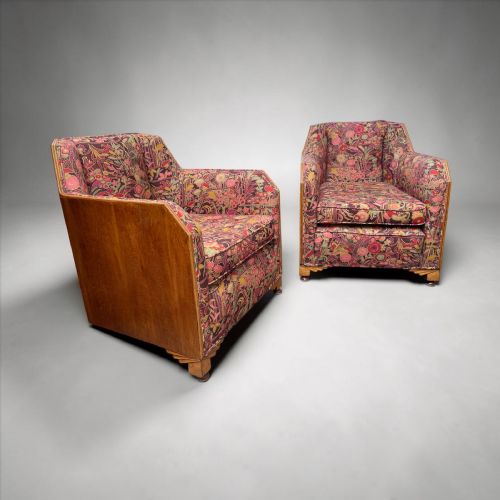
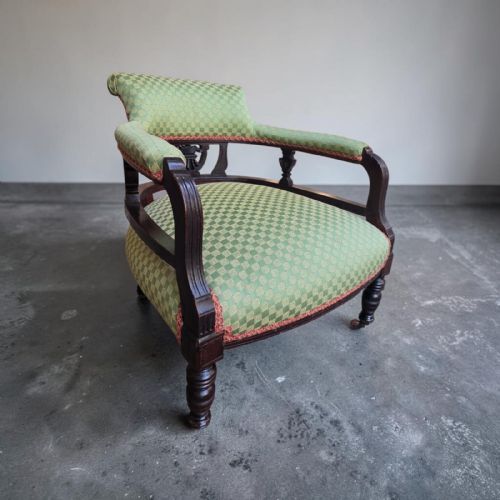
These vintage tub armchairs combine curved enveloping backs with sturdy timber frames, offering deep comfort for studies and libraries.
Vintage Tub Armchairs
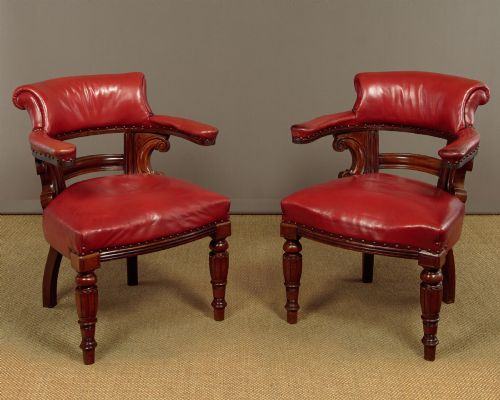
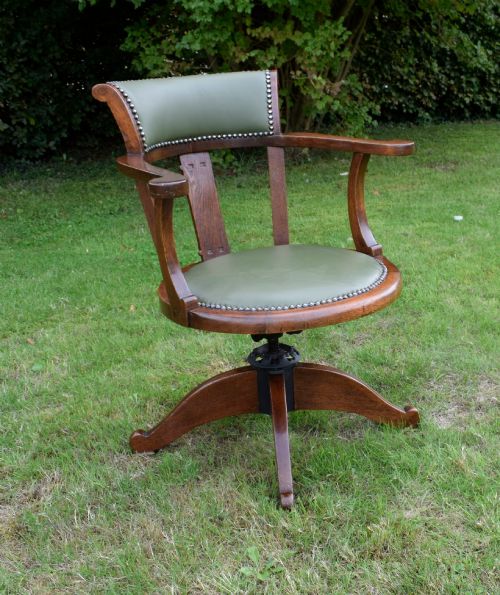
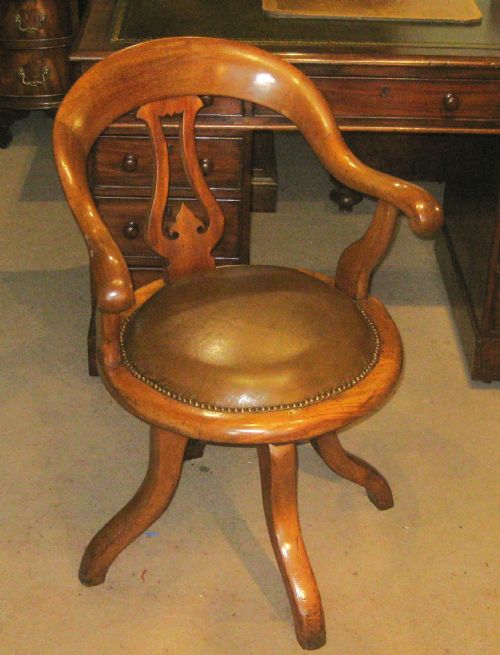
Vintage tub armchairs encompass low, rounded seating designed with continuous back and arm rails, frequently found in library, desk, and club configurations. The selection spans the nineteenth century through the art deco period, drawing on regency, Victorian, Edwardian, and French styling. Buyers seeking these pieces encounter substantial wood frames paired with supportive upholstery, leather, or cane inserts.
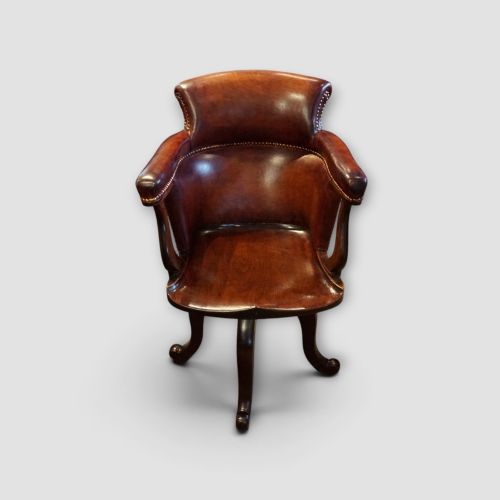
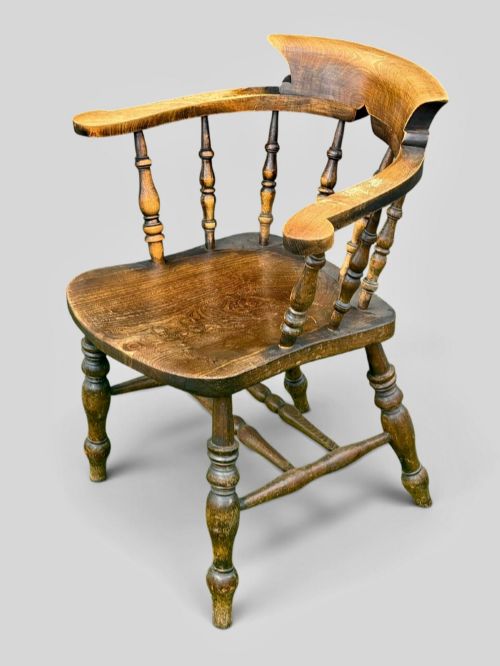
The assortment on this page relies heavily on nineteenth-century examples alongside Edwardian and nineteen-thirties pieces. Forms range from revolving desk chairs and captain's chairs to upholstered corner chairs and low library armchairs. Timber structures typically feature mahogany, oak, walnut, or beech.
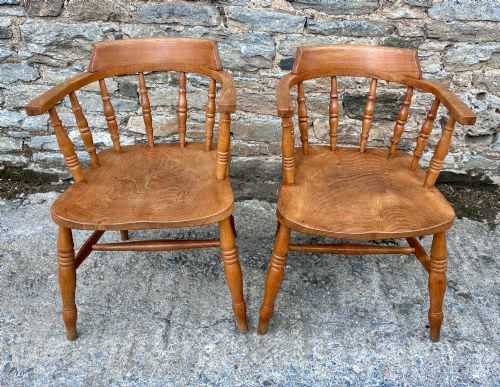
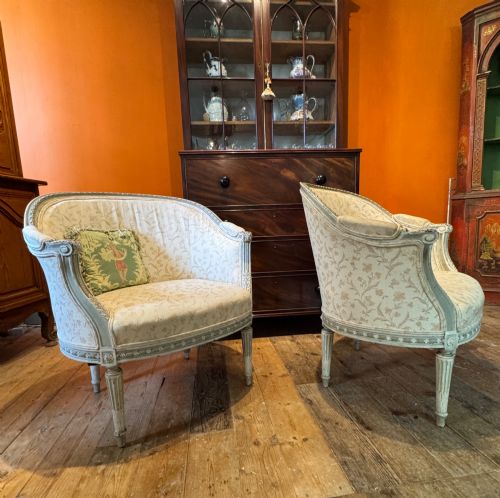
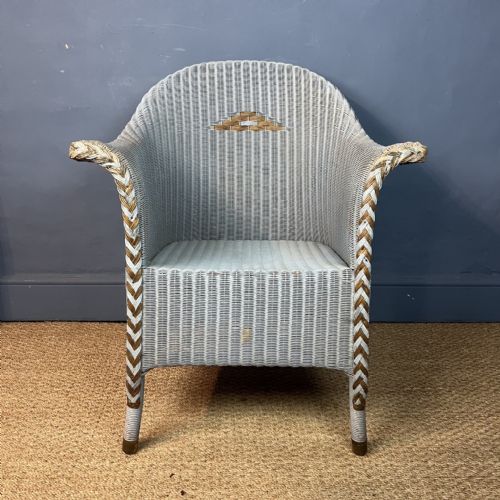
Origins stretch from English workshops to French ateliers, incorporating bergere styles and painted finishes. Buyers frequently locate standard tub shapes alongside allied variants such as smokers' bows and library chairs sharing the characteristic curved enclosure.
How they were made
Cabinetmakers constructed the supportive frames of these armchairs using dense hardwoods like mahogany, oak, rosewood, walnut, and beech. Steam bending often shaped the continuous timber rails forming the characteristic curved tub backs of library and captain's chairs.
Upholstery techniques combined traditional stuffing with leather or fabric coverings secured by brass tacking. Alternatively, skilled artisans wove cane panels into seat bases and backrests to provide lightweight resilience.
Listings feature periods spanning from the nineteenth century through to nineteen-thirty, utilising mahogany, leather, oak, cane, and beech.
What varies in quality
The distinction between standard examples and finer pieces rests upon the selection of timber and the sophistication of the joinery in the curved back frame. Superior pieces utilise finely figured mahogany, rosewood, or walnut, displaying seamless curves achieved through expert steam bending or carved solid wood construction.
Upholstery finish and the preservation of original materials heavily influence the standing of each armchair. Retaining original leather, hand-woven cane, or period paint finishes elevates a piece above those subjected to unsympathetic modern re-covering or structural reinforcement.
Hille
The Vintage Tub Armchairs Glossary
- Tub chair
- An armchair featuring a low, enclosed, curved back and armrest rail formed in a single continuous line. This shape provides enclosed comfort and supportive posture for reading or desk work.
- Bergere
- A French upholstered armchair with an enclosed wooden frame where the sides are frequently filled with cane or upholstery. These pieces often exhibit painted or giltwood finishes originating from sophisticated European workshops.
- Smoker's bow
- A sturdy wooden armchair with a low curved back rail supported by turned spindles, closely related to Windsor chair production. These are typically built from elm and beech for everyday utility.
- Cane
- Woven rattan material utilised for seats and back panels to introduce lightweight flexibility. This technique appears frequently on Edwardian and nineteenth-century light armchairs.
- Chesterfield club armchair
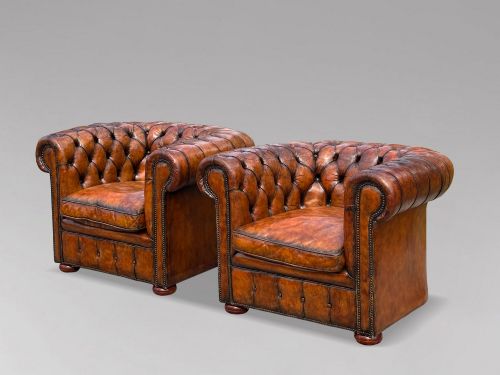
- A deep, heavily upholstered low seat upholstered in leather designed for relaxed lounging. These pieces are characterised by buttoned leather backs and substantial proportions.
Vintage Tub Armchairs: Frequently Asked Questions
What is a tub armchair?
A tub armchair is a seating form defined by a curved, enveloping back that flows directly into the armrests. This enclosed design offers compact comfort suited for studies, drawing rooms, and reading corners.
Historically constructed from timbers like mahogany and oak, these chairs prioritize ergonomic support through deep upholstery or curved wooden spindles.
How do I date a vintage tub armchair?
Dating these armchairs involves examining the timber species, joinery methods, and upholstery style. Nineteenth-century examples often employ solid mahogany or rosewood with hand-stitched leather, while Edwardian and later pieces frequently utilise cane inserts and lighter beech frames.
Stylistic cues such as regency curves, Victorian buttoning, or art deco geometric simplicity provide clear chronological markers.
Where should I place a tub armchair?
These compact armchairs fit exceptionally well beside a fireplace, in a library, or paired with a partner desk. Their rounded profiles mean they look presentable from every angle, making them effective floating in the middle of a room rather than pushed exclusively against walls.
Library and desk variants work naturally alongside writing tables and reading nooks.
Are vintage tub chairs comfortable for daily use?
Most vintage tub armchairs were engineered for prolonged sitting, whether at a nineteenth-century desk or in a club library. Their supportive curved backs naturally encourage upright yet relaxed posture.
Comfort levels ultimately depend on the density of the internal padding and the condition of the sprung or webbed seat foundations.