


Antique Calico Lounge Chairs
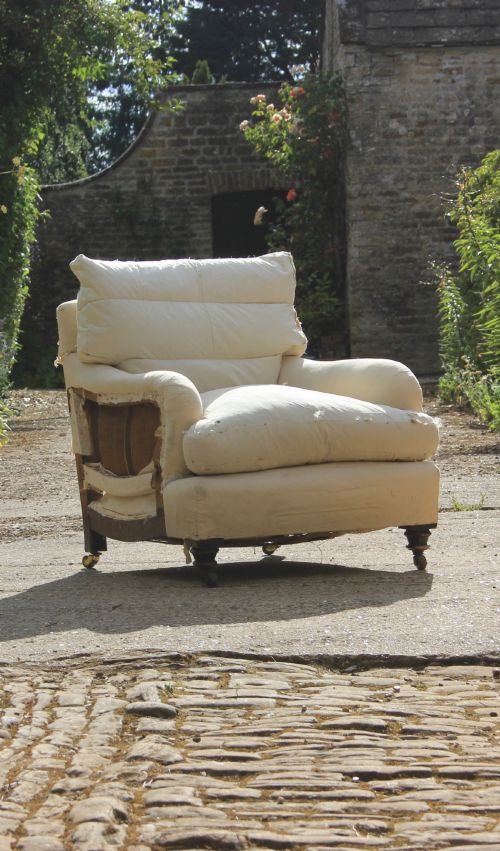
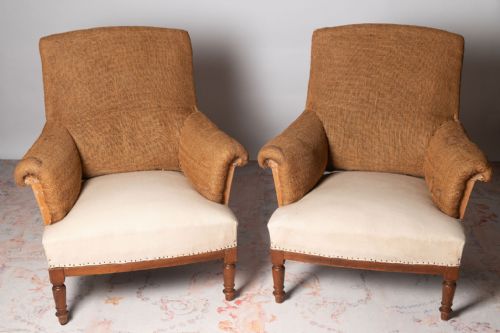
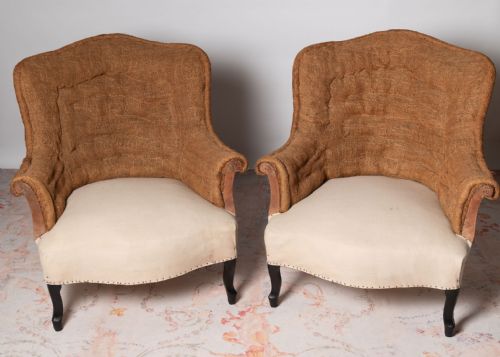
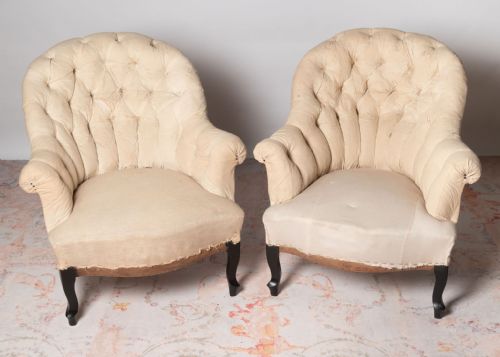
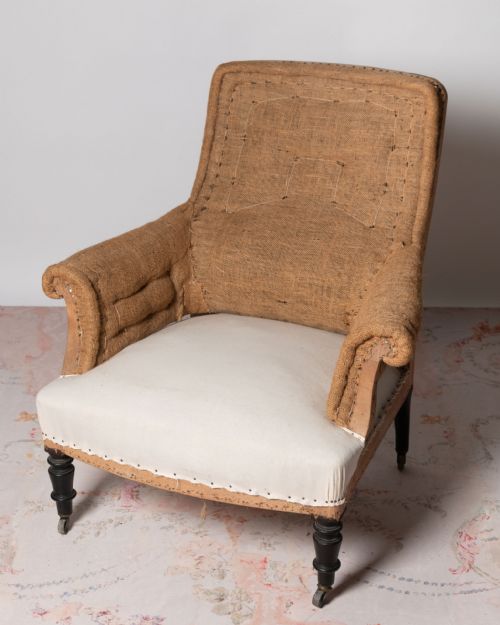
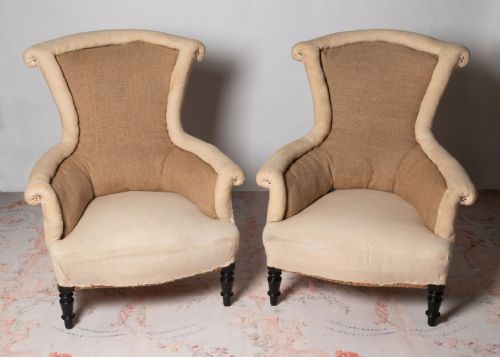
Antique calico lounge chairs offer deep seating and sturdy timber frames, upholstered simply in plain fabric ready for final covering.
Antique Calico Lounge Chairs
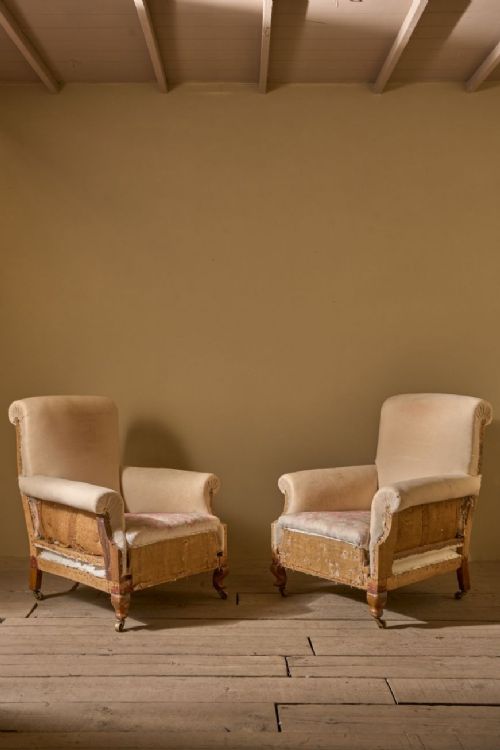
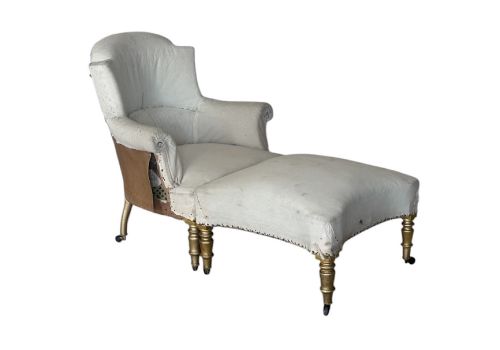
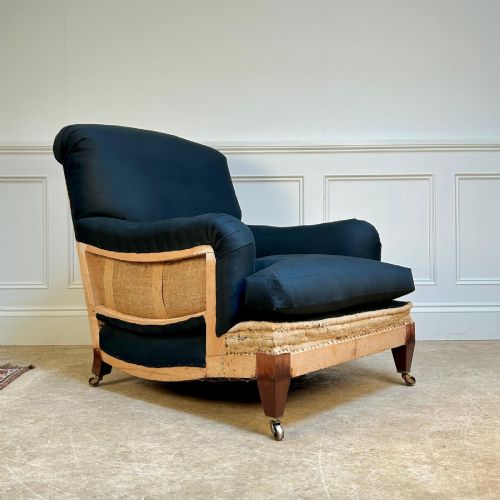
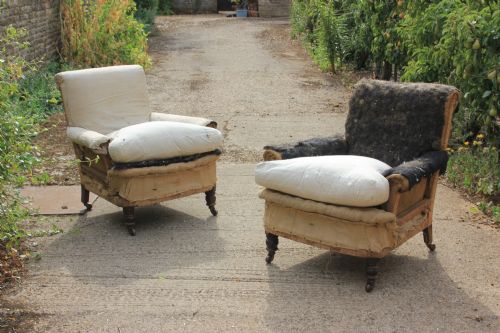
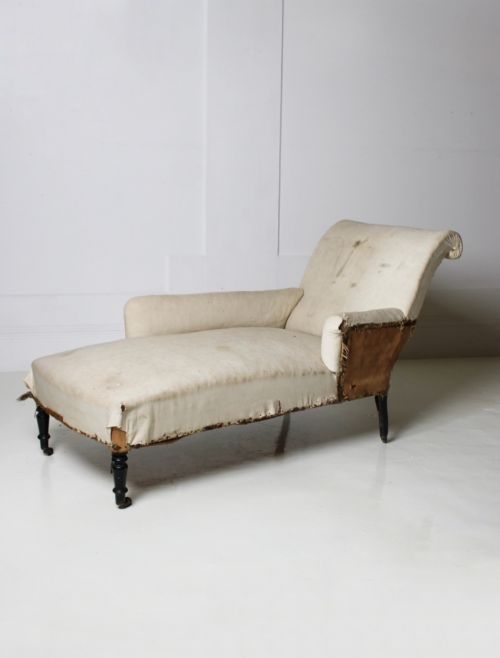
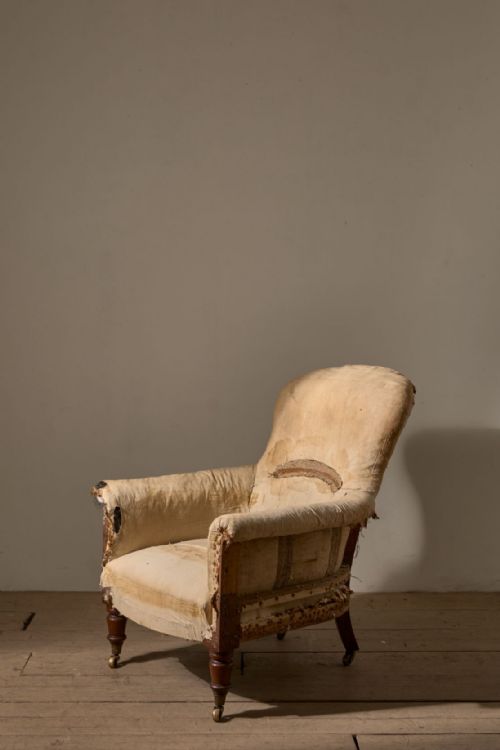
When you search for antique calico lounge chairs, you encounter deep-seated armchairs, low slipper chairs, and chaise longues from the nineteenth century onward. These seating forms originate from English country houses and French salons, carrying periods such as Victorian, Edwardian, and the Napoleon III style. You will frequently meet upholstered armchairs built for comfort, often supplied in unbleached cotton calico as a foundation for decorative top covers.
The English country house armchairs present generous proportions, scroll backs, and low profiles designed for relaxation. Alongside these sit French pieces, including chaise longues, duchess brisées, and open armchairs featuring exposed timber frames. Each example demonstrates the domestic upholstery standards of its era, preserved in foundational calico or hessian.
Materials and construction
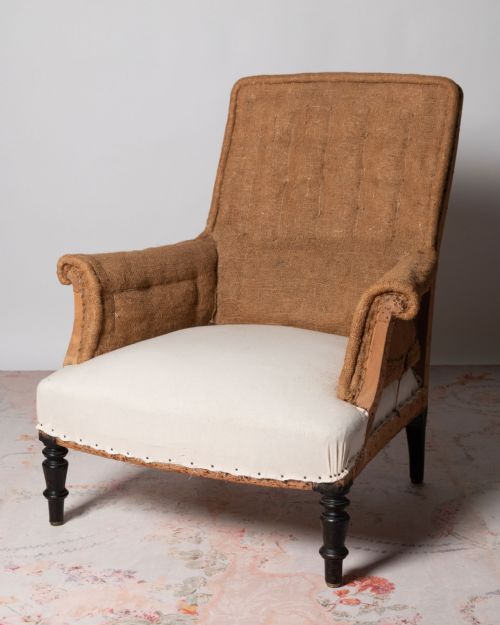
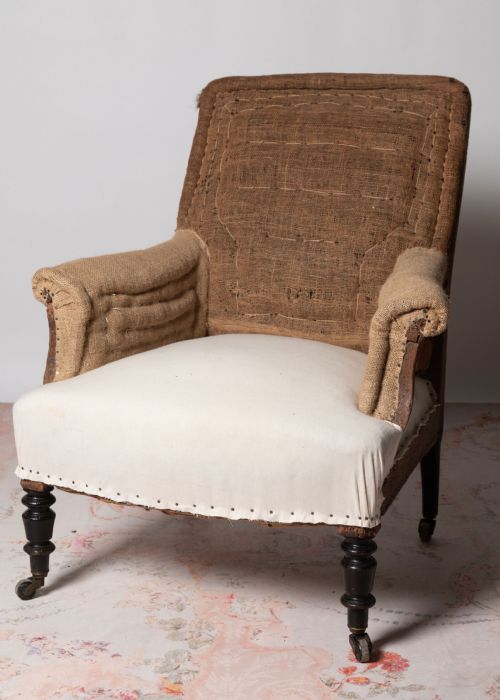
The structural framework relies on hardwoods such as mahogany, beech, and general timber, combined with brass castors where appropriate. Upholstery methods involve firm webbing, springs, and stuffing held securely beneath layers of cotton calico and hessian. This calico layer serves as the traditional base coat, ready to receive a final textile.
Makers shaped these lounge chairs with attention to ergonomic support, constructing deep seats and sprung backs by hand. Exposed wooden components receive polished finishes or retain their original surfaces, while the internal stuffing relies on traditional organic materials.
Some nineteenth-century armchairs arrived in plain calico so homeowners could match their parlour curtains before anyone sat down.
Factors of quality
Quality rests in the integrity of the underlying timber frame and the precision of the joinery. Chairs with robust hardwood frames and well-sprung interiors maintain their shape and support over generations of use.
The refinement of the silhouette distinguishes finer pieces, from the sweep of a scroll back to the carved detail on French frames. Well-executed upholstery foundations, evident in the tautness of the calico and the quality of the webbing, separate standard workshop output from premier maker pieces.
Howard and Sons·Hamptons and Sons·Sopwith
The Antique Calico Lounge Chairs Glossary
- Calico
- A plain-woven unbleached cotton fabric utilised as the foundational upholstery cover on antique seating before the application of decorative textiles.
- Hessian
- A coarse woven fabric, often made from jute, used alongside webbing to support the internal stuffing of traditional armchairs.
- Duchess Brisee
- A multi-part French daybed consisting of an armchair accompanied by a matching stool or a low chair forming an extended chaise longue.
- Slipper Chair
- A low-seated bedroom chair traditionally built without arms to allow ease of dressing in nineteenth-century chambers.
- Scroll Back
- An armchair design featuring a top rail and arms that curve outward and backward in a continuous scroll shape.
Antique Calico Lounge Chairs: Frequently Asked Questions
What is calico upholstery?
Calico is an unbleached cotton fabric used by upholsterers to cover the internal stuffing and springs of a chair. It acts as a stable foundation layer.
In historical pieces, this fabric allowed furniture to be sold or stored in a neutral state, ready for the owner to select their own decorative outer covers.
How do I style these chairs?
These lounge chairs accept heavy linens, patterned prints, and traditional velvets as top covers. Their neutral calico state offers a blank canvas for interior planning.
Pairing them with period side tables or placing them in reading corners highlights their generous proportions and historical design.
Are these chairs comfortable?
Nineteenth-century lounge chairs were engineered for relaxation, featuring deep seats, sprung backs, and supportive armrests. Their construction prioritised domestic ease.
Many examples retain robust internal springs and generous padding designed to support extended sitting.
How do I date an armchair?
Dating relies on examining the timber frame style, turning on the legs, and the assembly methods used in the joinery. Maker stamps provide definitive periods.
Comparing the silhouette against Victorian, Edwardian, or French Napoleon III design conventions narrows the manufacturing decade.