

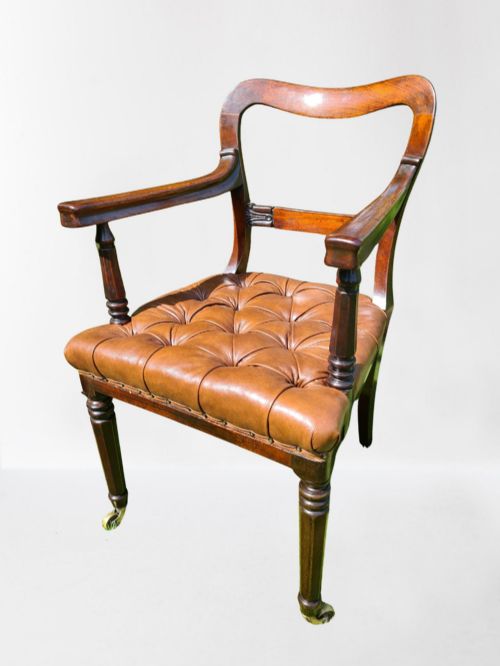
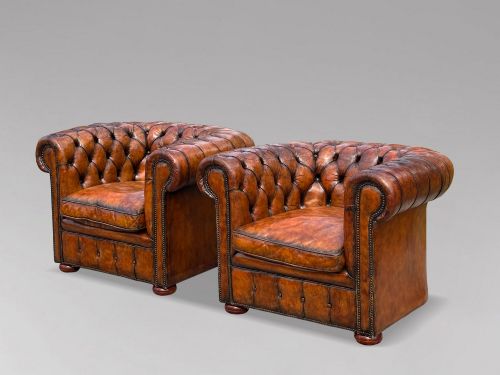
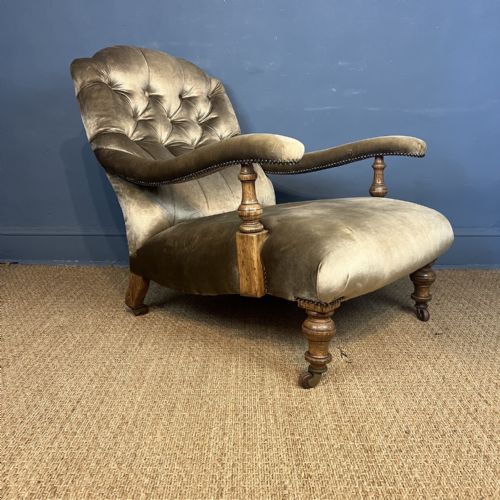
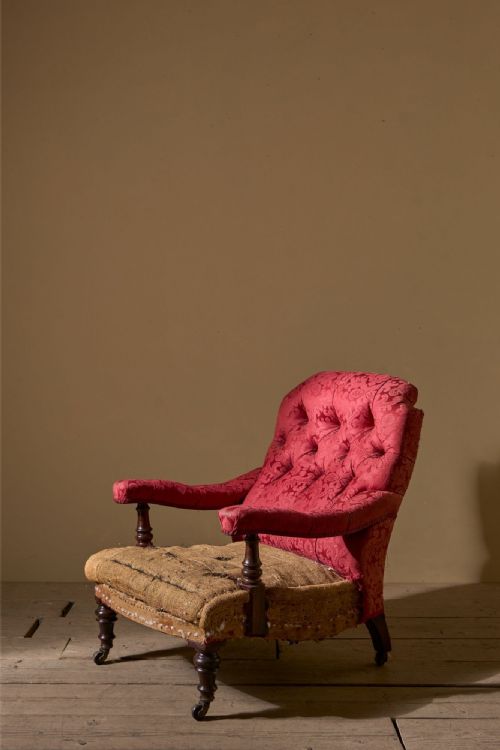
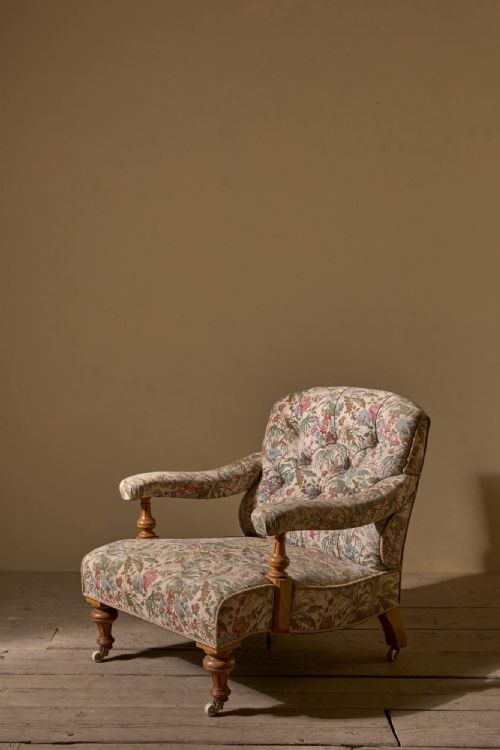
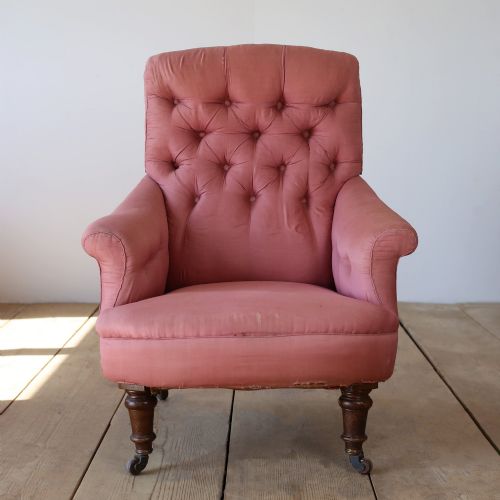
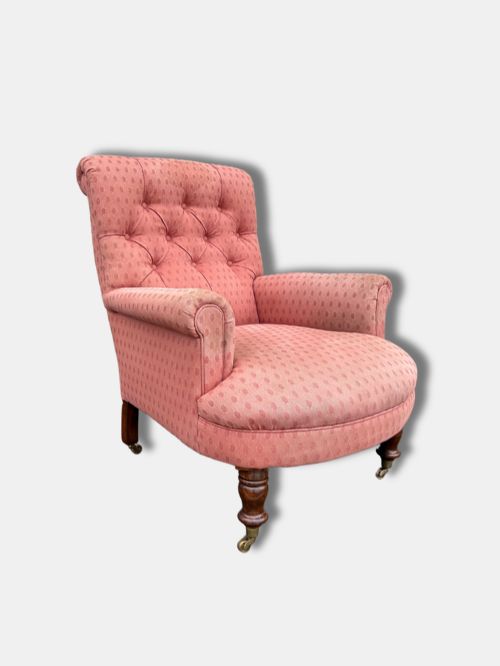
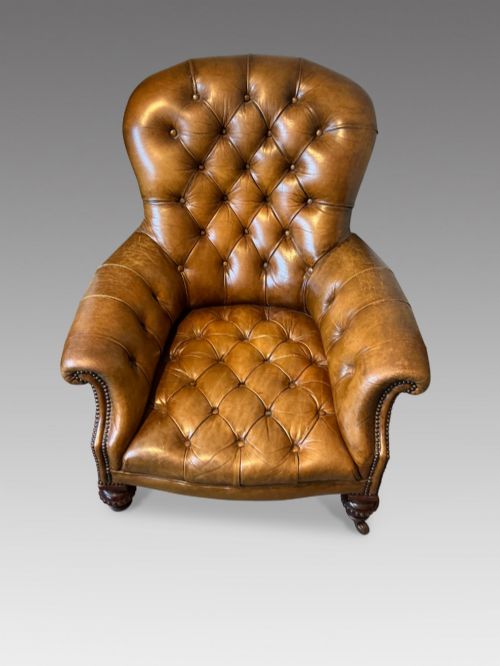
Antique Tufted Armchair
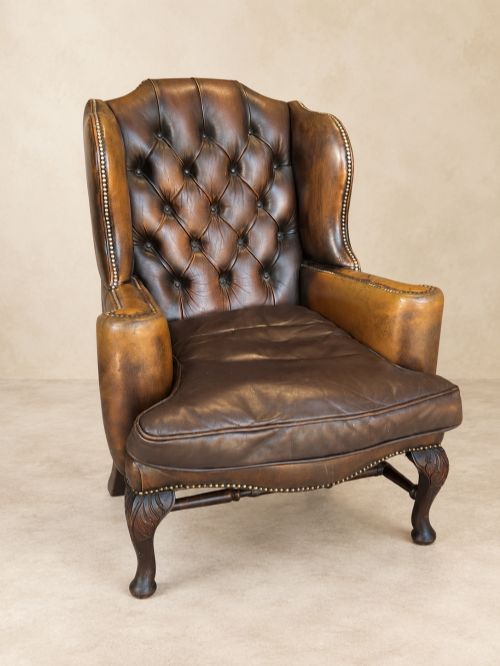
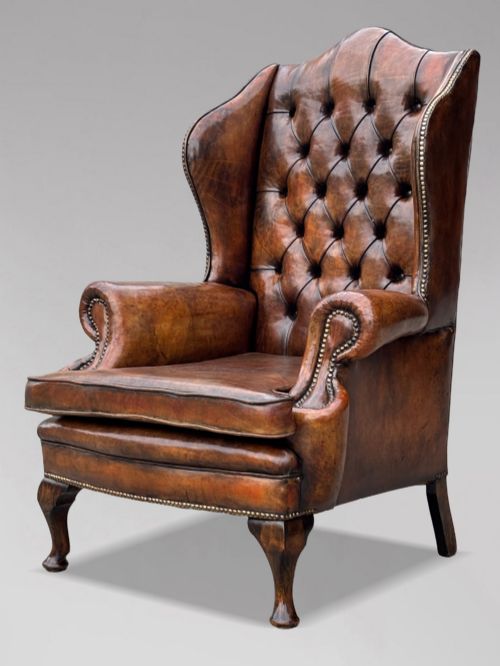
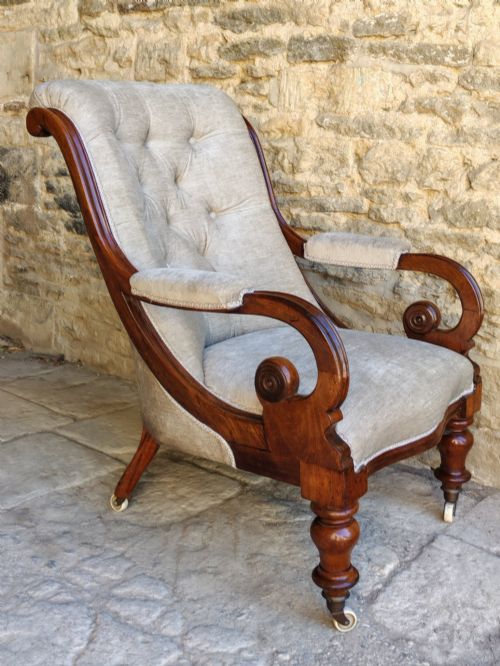
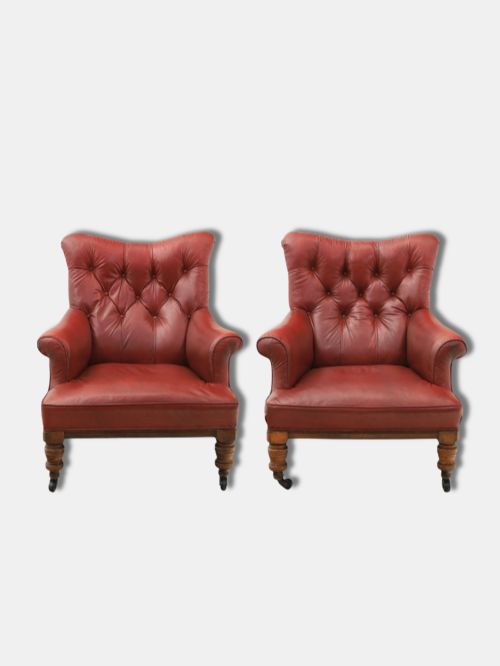
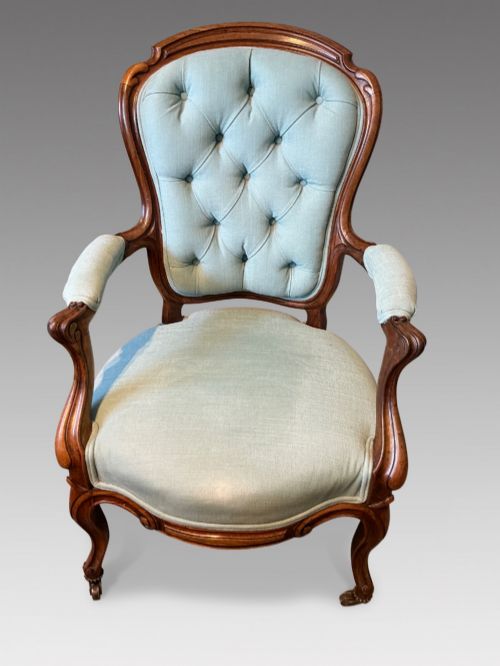
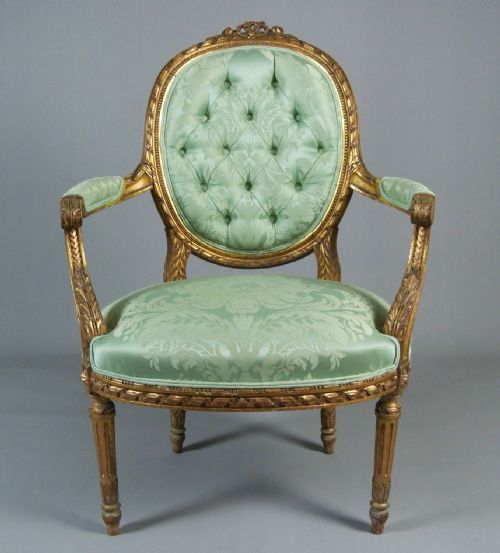
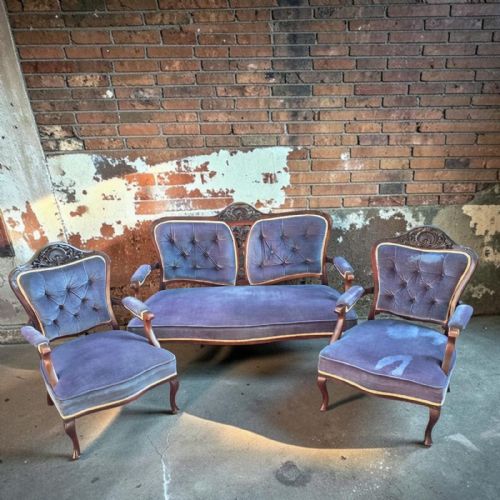
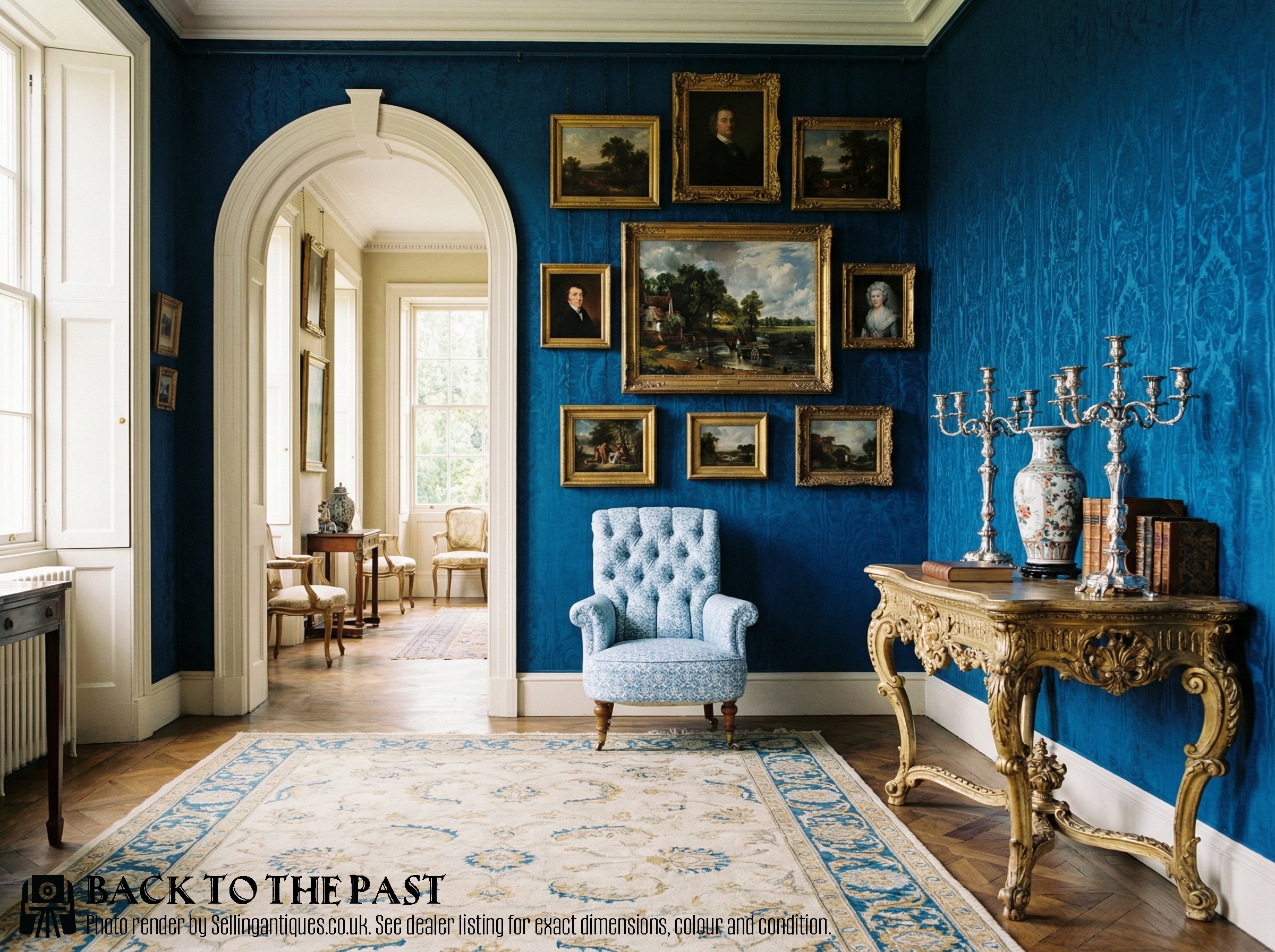
These antique tufted armchair examples bring deep Victorian comfort and buttoned character to a room.
What an antique tufted armchair is
An antique tufted armchair delivers the heavy padding and deep buttoning characteristic of nineteenth century seating. These pieces span the Victorian era, offering substantial frames designed for parlour and country house use.
The selections available here feature open armchairs and fully upholstered forms set on wooden supports. Mahogany, walnut, and plain wood frames underpin the padded bodies.
Makers such as Howard and Sons and Cornelius V Smith appear amongst these nineteenth century pieces. Buyers frequently encounter chairs upholstered in ticking, calico, damask, and velvet.
How they were made
Cabinet makers constructed the structural carcasses from timbers such as mahogany and walnut. These wooden frames provide the robust foundation necessary for deep buttoning and heavy padding.
Upholsterers built up the seats and backs using traditional stuffing materials before covering them in fabrics like velvet, damask, ticking, and calico. Brass fixings and hidden tacking secure the textiles to the wooden bases.
Retail Price Guide 2026
Typical UK retail prices for tufted armchair, calculated from the Sellingantiques database of over a million retail prices indexed since 2003. This retail price guide relies exclusively on Sellingantiques data; no external sources or auction records are used, so the figures do not describe the wider market.
Listings feature nineteenth century pieces spanning the Victorian era, utilising mahogany, walnut, brass, and woods alongside fabrics like velvet, damask, calico, and ticking.
What varies in quality
The distinction between ordinary production and superior craftsmanship rests in the integrity of the wooden frame and the precision of the buttoning. Finer examples display harmonious proportions in the mahogany or walnut structure, whereas lesser pieces reveal heavier, less balanced carpentry.
Fabric choice and original maker attribution elevate a chair's standing. Pieces bearing the stamp of makers like Howard and Sons or Cornelius V Smith command greater attention through their documented workshop provenance.
Howard and Sons·Cornelius V Smith
The Antique Tufted Armchair Glossary
- Tufted
- A method of upholstery where deep buttons are pulled through the padding at regular intervals to create a patterned, dimpled surface. This technique secures the internal stuffing while giving the chair its characteristic puffed appearance.
- Ticking
- A tightly woven, durable cotton or linen fabric traditionally used to cover mattress springs and heavy furniture stuffing. It appears on utilitarian nineteenth century chairs.
- Calico
- A plain-woven cotton cloth used historically as an initial layer of upholstery beneath decorative outer fabrics or as a standalone covering. It provides a sturdy base for traditional padding.
- Damask
- A reversible, figured fabric featuring woven patterns produced on a jacquard loom. It offers a rich texture suited to formal Victorian interiors.
- Open armchair
- A seating form characterised by arms that lack solid upholstery panels, leaving the structural woodwork or padded arm rests exposed.
Frequently Asked Questions
What defines an antique tufted armchair?
An antique tufted armchair belongs to the nineteenth century, featuring deep buttoning across its upholstered back and seat. These pieces rely on traditional wooden frames made from mahogany, walnut, or other woods.
They reflect the heavy, comfortable seating styles favoured in Victorian country houses and parlours.
How do I identify a Howard and Sons armchair?
Chairs by Howard and Sons often bear specific maker stamps on the castors, legs, or webbing. Their nineteenth century pieces showcase exceptional upholstery work and sturdy framing.
Examining the structural markings and internal webbing usually confirms the workshop origin.
What fabrics were used on Victorian armchairs?
Victorian upholsterers utilised a range of materials depending on the intended use of the chair. Plain ticking and calico served practical or preparatory functions, while velvet and damask provided decorative luxury.
These textiles were secured to robust wooden carcasses using traditional methods.
How do I care for antique upholstery?
Protecting antique textiles involves keeping the chair away from direct sunlight to prevent fabric fading. Regular, gentle dusting preserves delicate velvet and damask surfaces.
Maintaining stable room humidity prevents the wooden frames, whether mahogany or walnut, from drying out.