
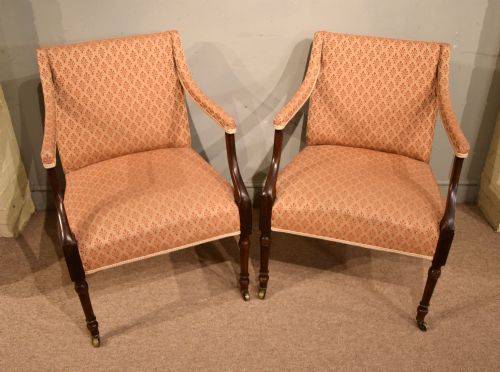
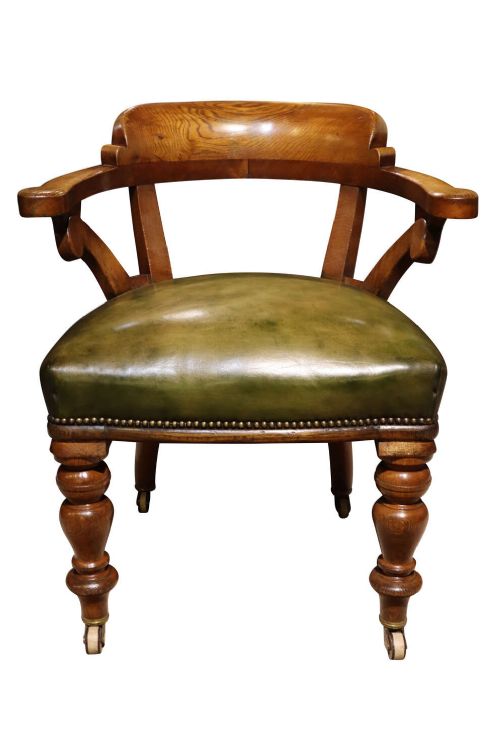
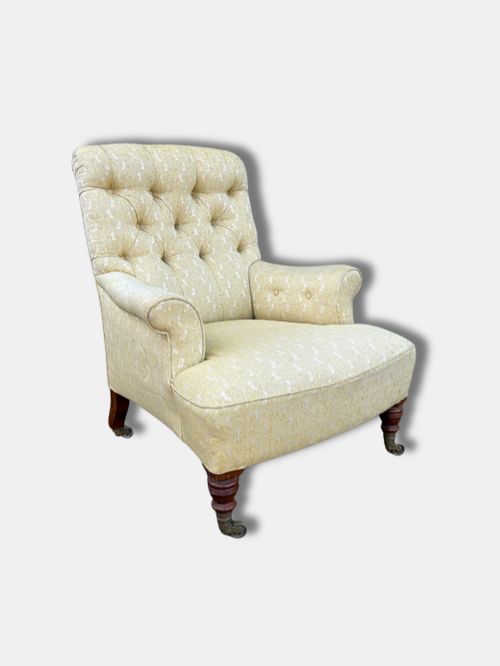
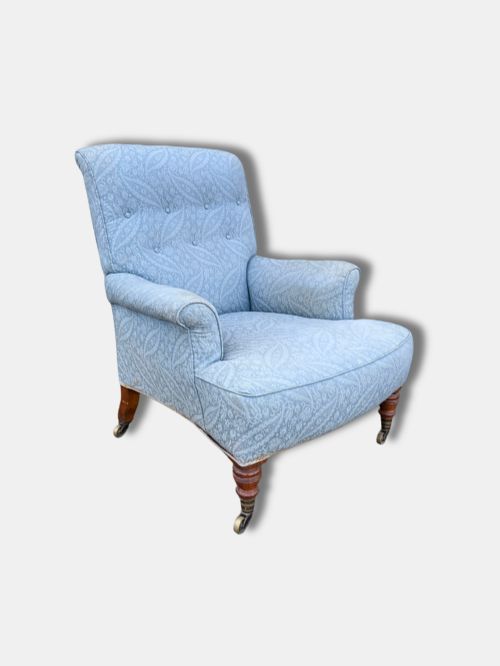
Turned Leg Armchair Castors
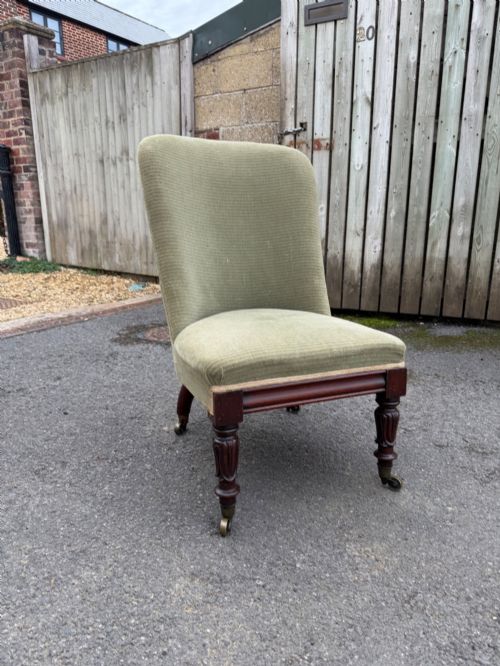
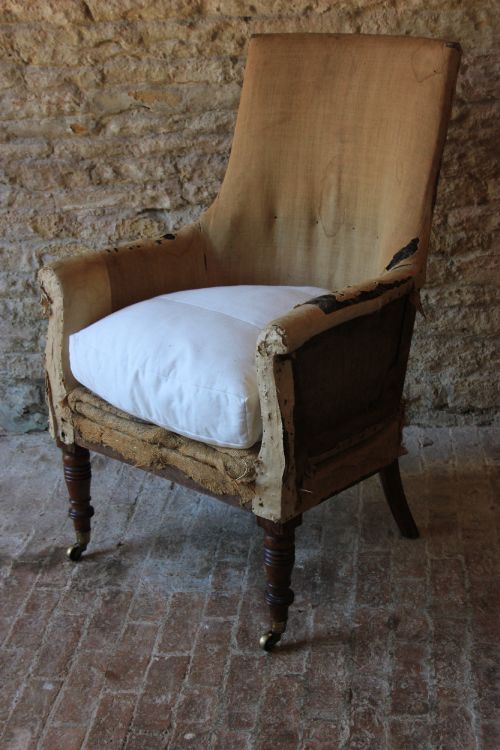
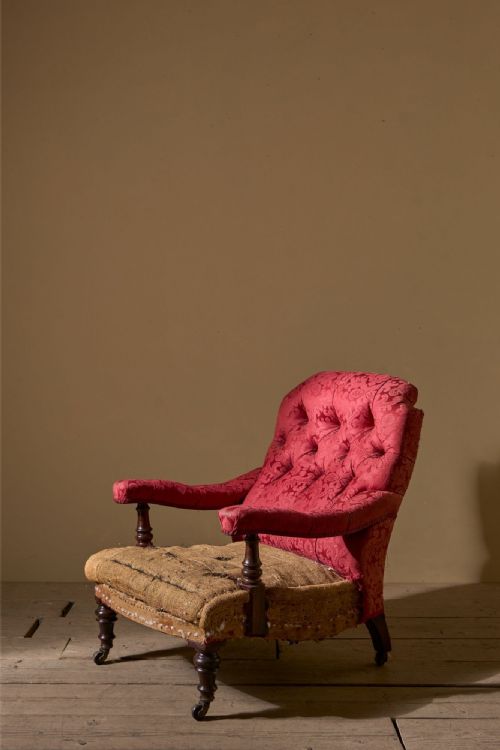
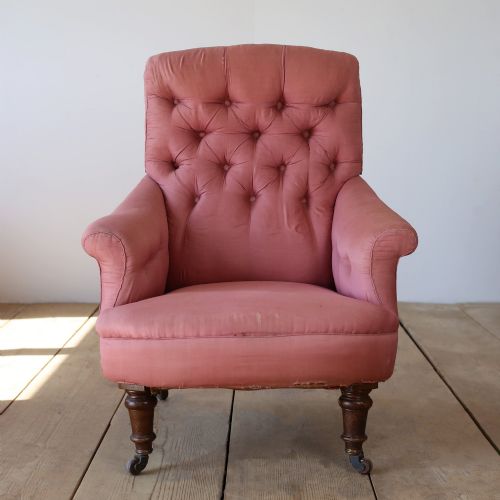
Turned leg armchair castors support substantial upholstered seating from the nineteenth century, bringing mobility and period character to a room.
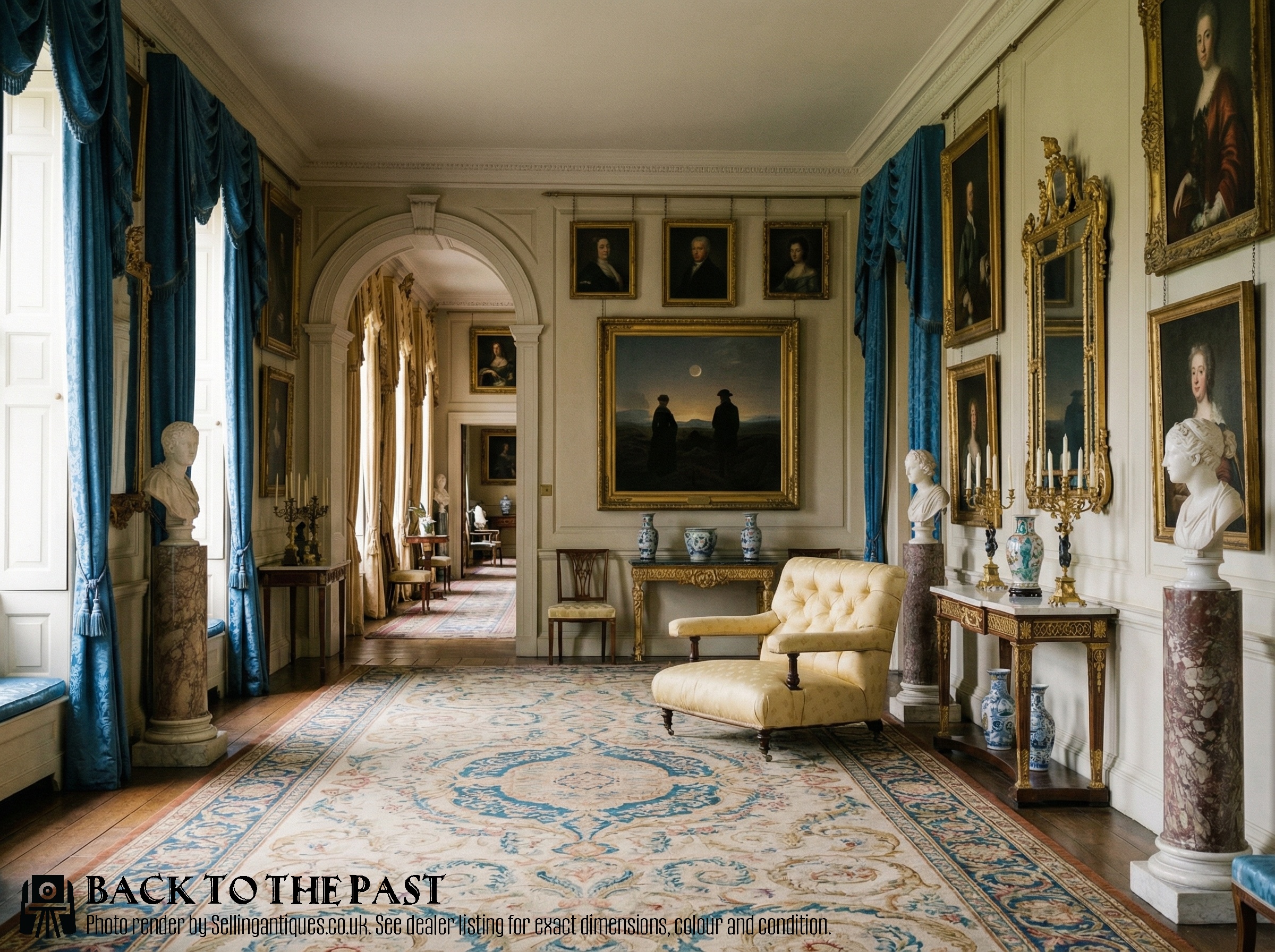
What turned leg armchair castors are
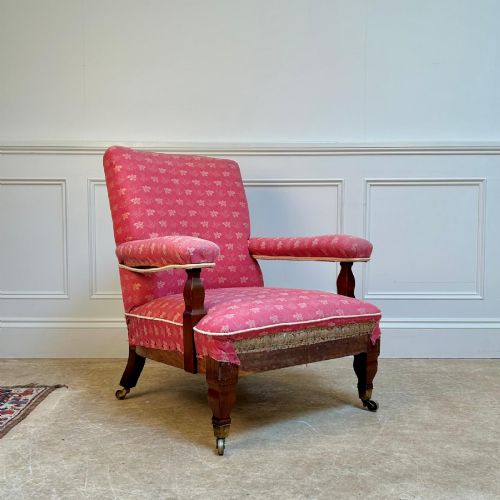
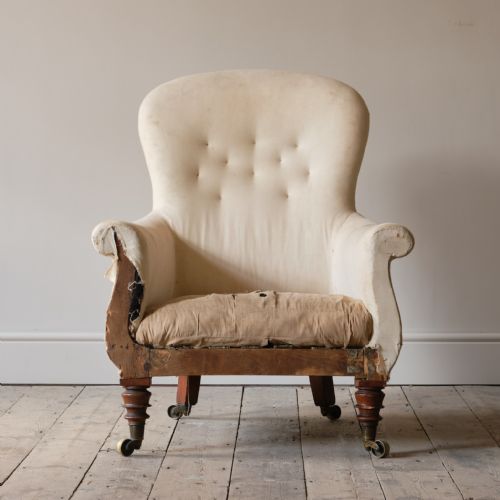
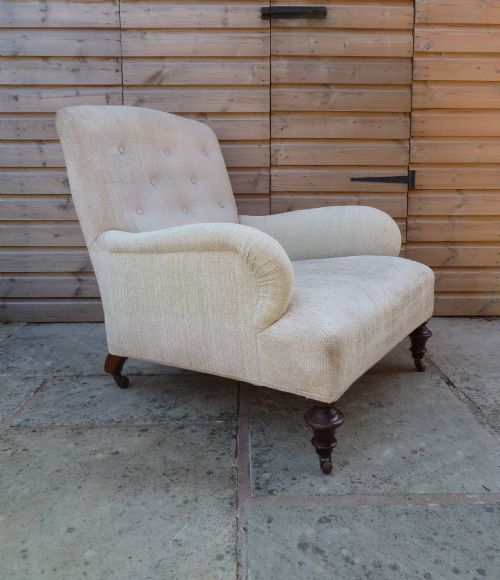
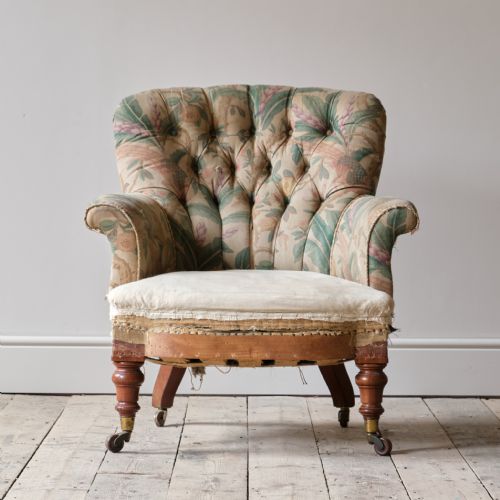
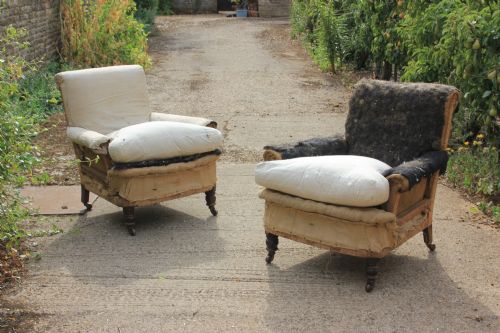
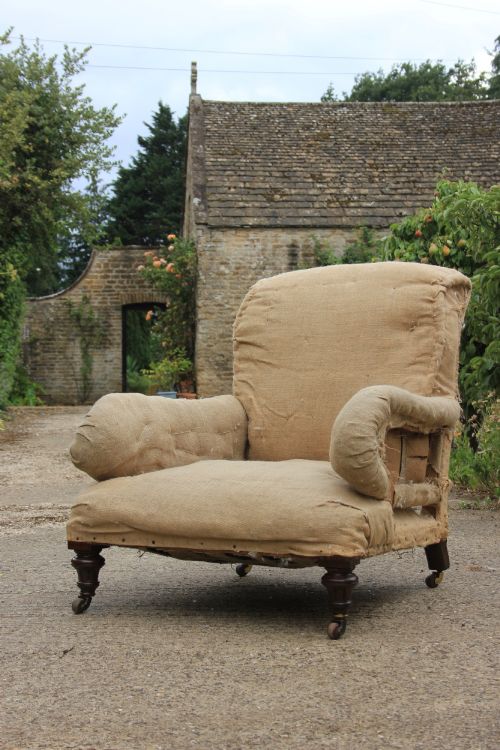
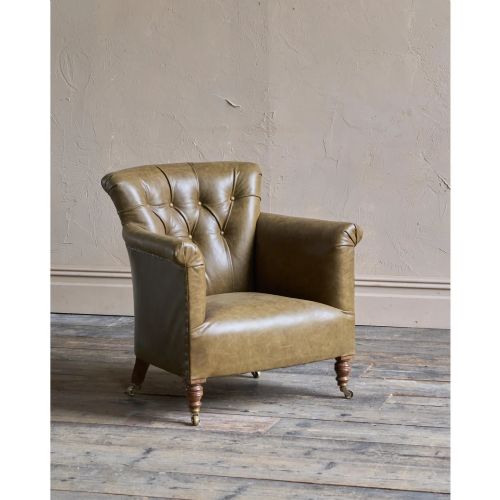
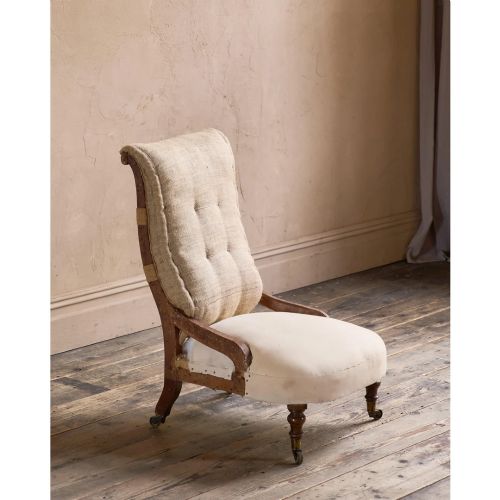
When you search for turned leg armchair castors, you encounter nineteenth century English seating designed for country houses and libraries. These pieces include open armchairs, deep seated spoon back models, and Howard style lounge chairs.
The most common examples on this page date to the Victorian era around 1850 to 1870. They combine deep upholstery with functional undercarriages built for daily use.
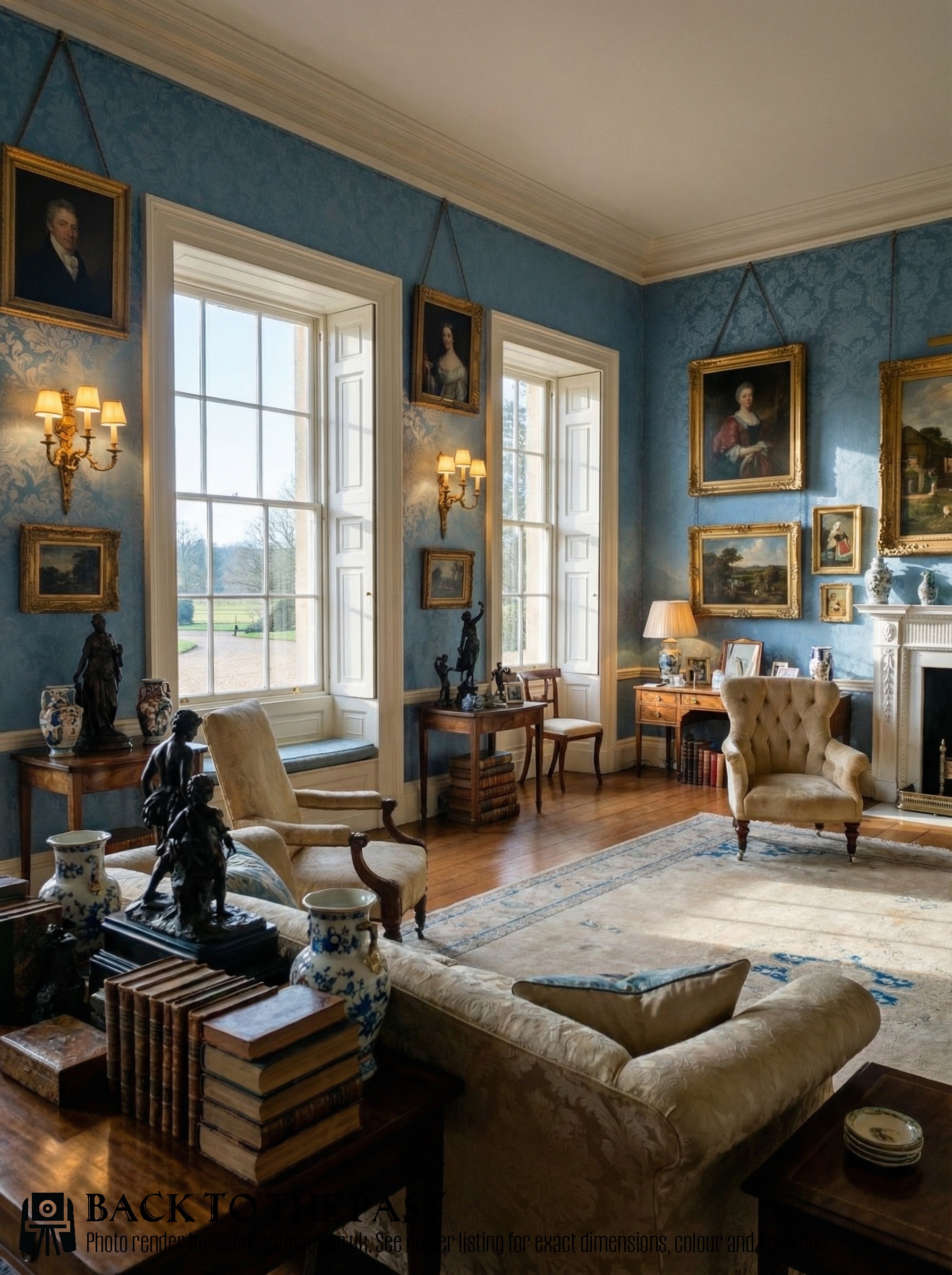
How they were made
The frames utilise solid wood such as mahogany, shaped into turned legs that provide structural support. Brass fittings and castors attach to the base to allow movement across carpets and wooden floors.
Upholstery materials recorded across these pieces include damask, calico, hessian, velvet, ticking, and red morocco leather. Interior padding often incorporates down sack backs and sprung seats.
Retail Price Guide 2026
Typical UK retail prices for turned leg armchair castors, calculated from the Sellingantiques database of over a million retail prices indexed since 2003. This retail price guide relies exclusively on Sellingantiques data; no external sources or auction records are used, so the figures do not describe the wider market.
Listings feature nineteenth century Victorian armchairs constructed from mahogany, wood, brass, and steel, upholstered in velvet, damask, and ticking.
What varies in quality
Quality rests in the harmony between the timber frame and the upholstery technique. Superior examples feature well turned mahogany legs paired with robust brass cappings and original fabric covers.
The distinction between standard nineteenth century seating and workshop pieces lies in the precision of the turning and the integrity of the internal stuffing. Maker attributions elevate certain models through documented craftsmanship.
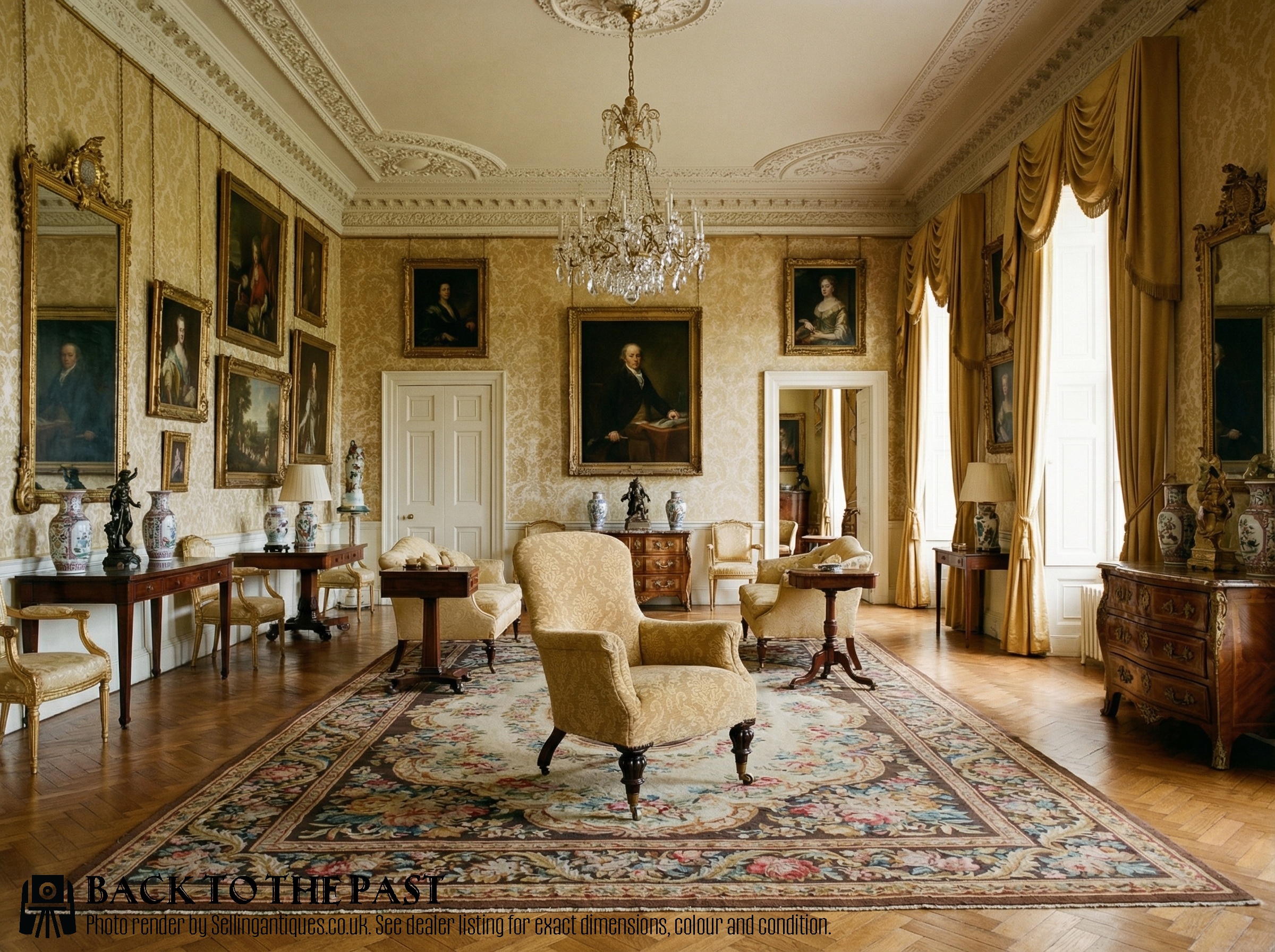
Howard and Sons·William Birch
The Turned Leg Armchair Castors Glossary
- Castor
- A small wheel mounted on a swivel assembly attached to the base of a leg. It allows heavy upholstered seating to be repositioned easily.
- Turned leg
- A cylindrical wooden support shaped on a lathe. This component displays decorative rings and contours typical of Victorian furniture.
- Spoon back
- An upholstered chair back shaped in a concave oval resembling the bowl of a spoon. This design supports the sitter's spine.
- Ticking
- A tightly woven cotton or linen fabric traditionally used as a durable mattress or upholstery cover. It appears on nineteenth century utilitarian pieces.
- Morocco leather
- Goat skin tanned with sumac and given a characteristic pebble grain. It provides a durable and prestigious surface for library seating.
Frequently Asked Questions
What periods do these armchairs come from?
The pieces originate from the nineteenth century, specifically spanning the Victorian era between 1850 and 1890.
Craftsmanship from this timeframe reflects traditional English country house furniture standards.
What materials are used for the upholstery?
Upholstery options recorded on these chairs include damask, velvet, ticking, calico, hessian, and red morocco leather.
Internal fillings often feature down sack backs and traditional stuffing.
How do castors function on these chairs?
Brass castors are fitted to the bottom of turned mahogany legs to provide smooth mobility across floors.
This hardware allows heavy upholstered seating to be moved without damaging floorboards.