

Mahogany Victorian Armchair
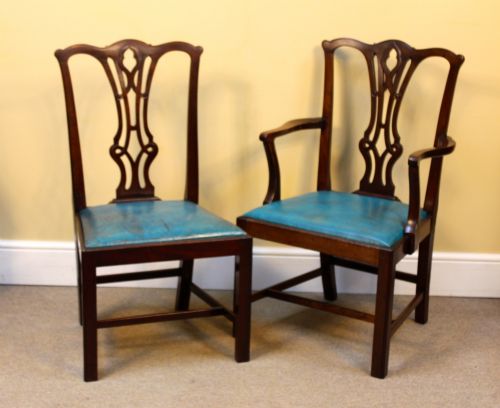
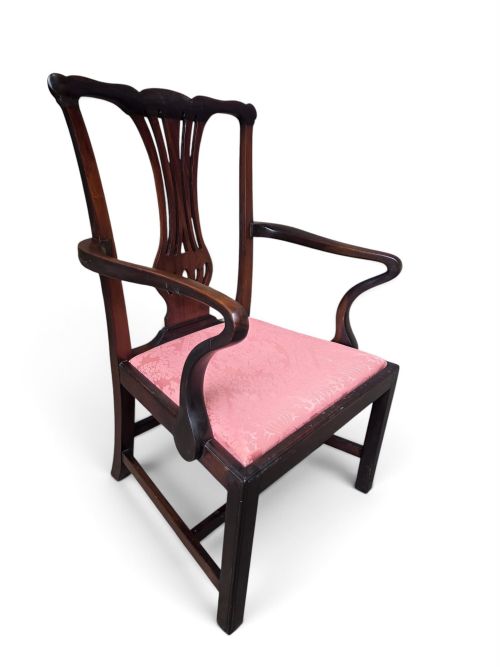
These mahogany victorian armchairs bring solid timber frames and deep upholstery together, offering substantial seating built to last.
What a mahogany victorian armchair is
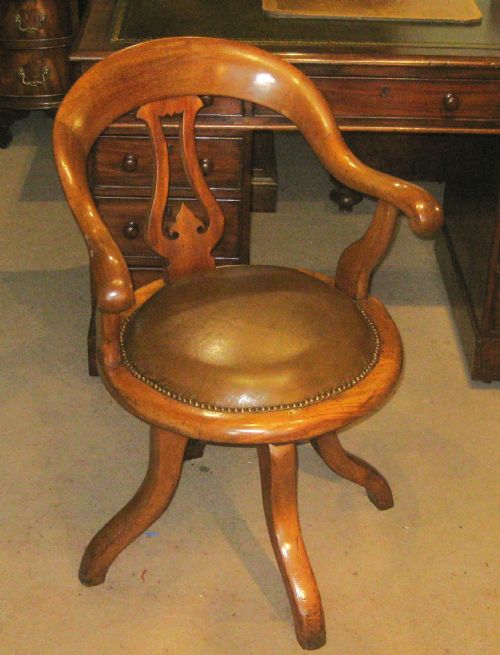
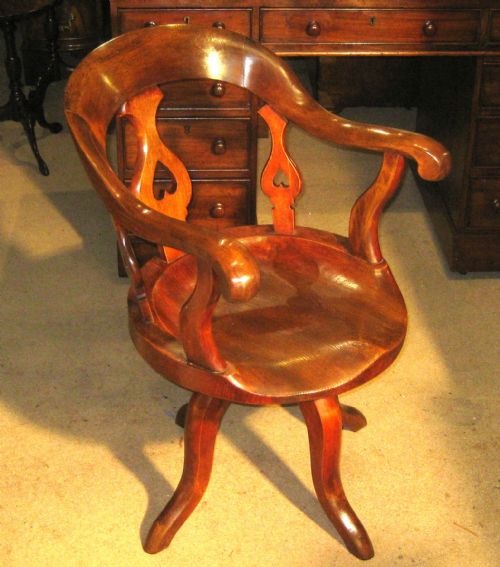
A mahogany victorian armchair combines a dense timber frame with padded seating, designed for libraries, studies and reception rooms during the nineteenth century. These chairs range from button-backed reading seats to library armchairs and revolving desk chairs.
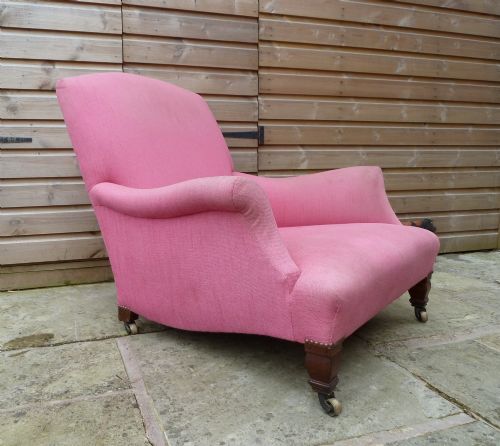
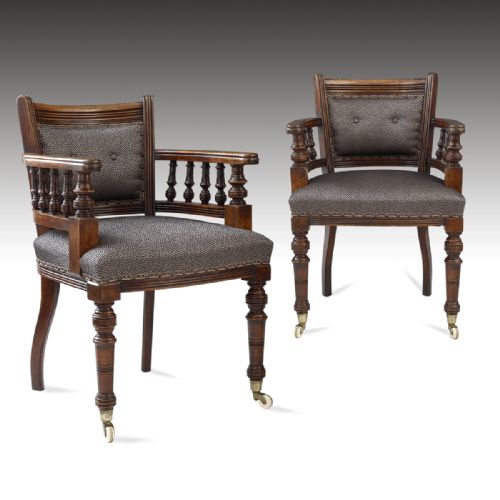
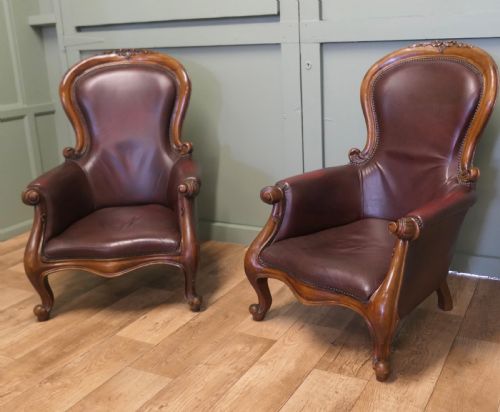
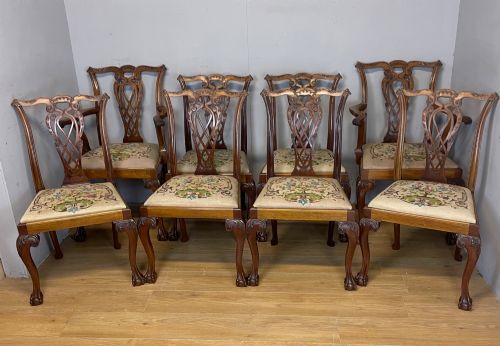
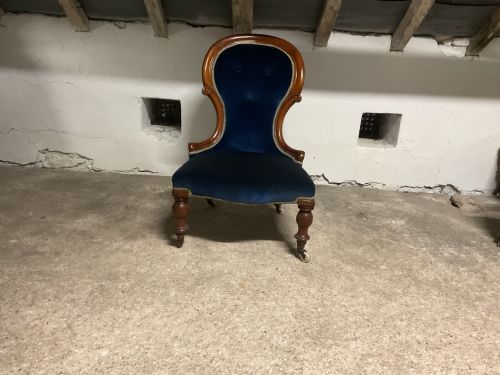
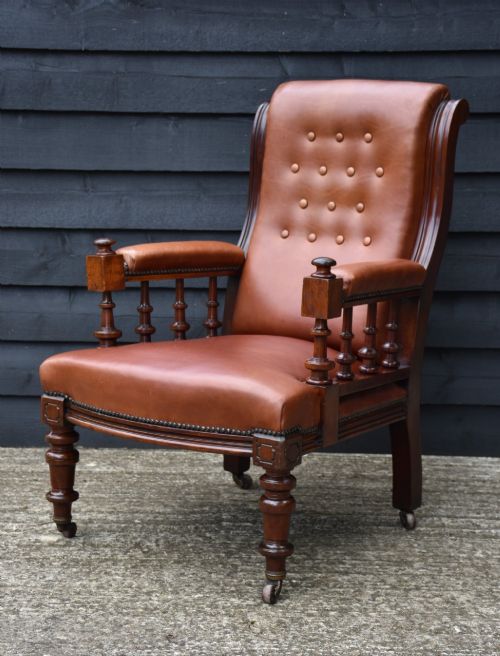
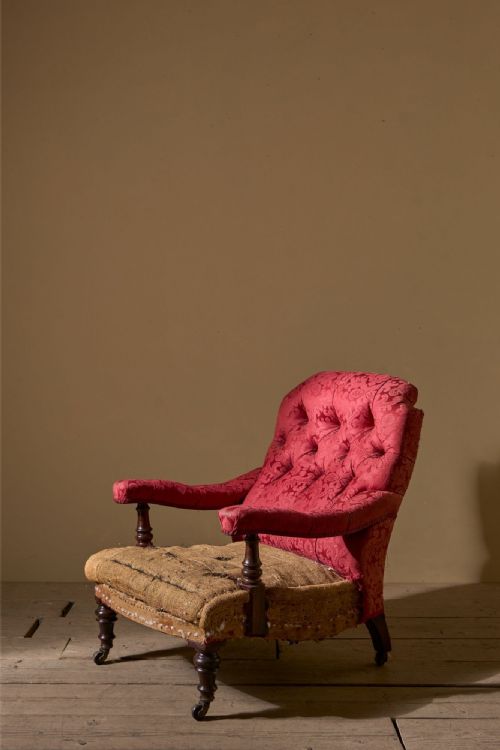
The most common examples on this page are spoonback and button-back armchairs from the Victorian period, frequently displaying turned legs or carved mahogany frames. Gentleman's armchairs and library armchairs also appear, reflecting the heavier upholstered styles of the era.
How they were made
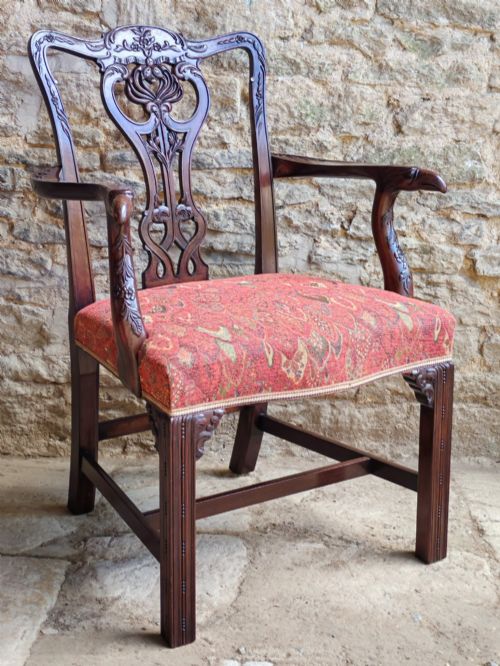
Cabinetmakers constructed the structural frames using solid mahogany, often shaping the timber into curved spoon backs, cabriole legs or carved arm supports. Brass castors frequently fitted to the feet allowed these heavy pieces to move across carpets.
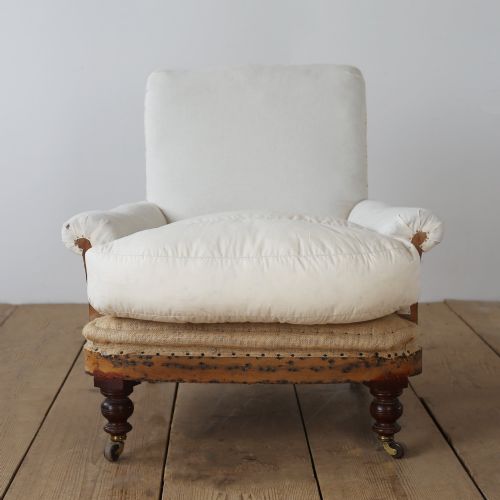
Traditional upholstery techniques involved internal webbing, jute hessian, and cotton calico beneath top coverings of leather, damask, velvet or fabric. Buttoning and hand-tack work secured the deep padding across the backs and seats.
Retail Price Guide 2026
Typical UK retail prices for mahogany victorian armchair, calculated from the Sellingantiques database of over a million retail prices indexed since 2003. This retail price guide relies exclusively on Sellingantiques data; no external sources or auction records are used, so the figures do not describe the wider market.
Children's miniature armchairs prove that Victorian infants expected the exact same lumbar support as their parents.
What varies in quality
The weight and figure of the mahogany timber dictate the baseline quality of the frame, alongside the crispness of any hand-carved details such as lions' heads or scrollwork. Finer frames show precise joinery and well-proportioned curves.
Internal upholstery materials and the quality of the leather or textile covering define the standard of comfort and finish. Original castors, such as those by Cope & Collinson, add historical integrity to the piece.
Howard And Sons·Gillows·Cope And Collinson
The Mahogany Victorian Armchair Glossary
- Spoonback
- A chair back shaped like the bowl of a spoon to fit the human spine. This curved form became popular during the mid-nineteenth century for reception and nursing chairs.
- Button back
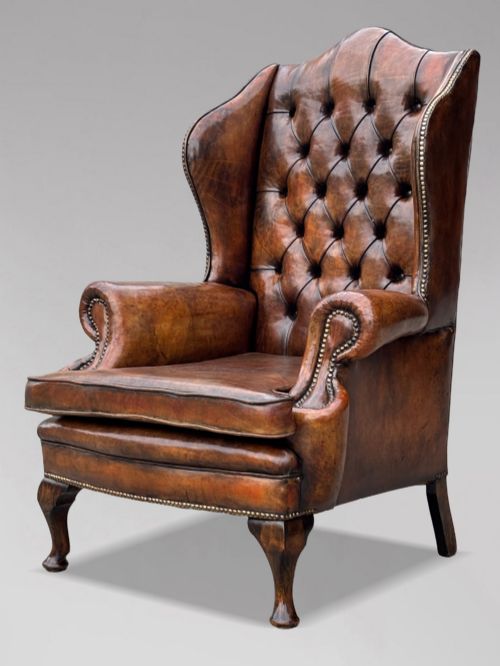
- An upholstery style where depressions are formed by pulling buttons deep into the padding in a diamond pattern. This technique secures the stuffing and creates a firm, tailored surface.
- Library armchair
- A large, heavily padded seat designed for long periods of reading in a study or library. These chairs often feature low arms and leather upholstery.
- Castor
- A small wheel fitted to the foot of a chair leg to ease movement across floors. Brass fittings were common on mid-nineteenth-century seating.
- Cabriole leg
- A furniture leg that curves out and then tapers inward, inspired by the shape of an animal's leg. This style appears frequently on Victorian parlour furniture.
Frequently Asked Questions
How do I identify a Victorian armchair?
Look for dense mahogany frames combined with nineteenth-century upholstery styles like button backs or spoon backs. Turned wooden legs and brass castors also point to this era.
Check the construction methods underneath, where traditional materials such as jute hessian and cotton calico indicate period manufacturing.
Where were library armchairs used?
These chairs stood in studies, libraries and drawing rooms where occupants spent hours reading or writing. Their generous proportions provided comfort for long periods.
Many featured leather upholstery to withstand daily use in gentlemen's clubs and private home offices.
How do I care for leather upholstery?
Keep leather furniture away from direct sunlight and heat sources to prevent the material from drying out. Regular dusting and occasional specialist conditioning maintain the supple finish.
Avoid using harsh chemical cleaners that can strip the natural oils from nineteenth-century hides.