
Traditional Armchair Frame
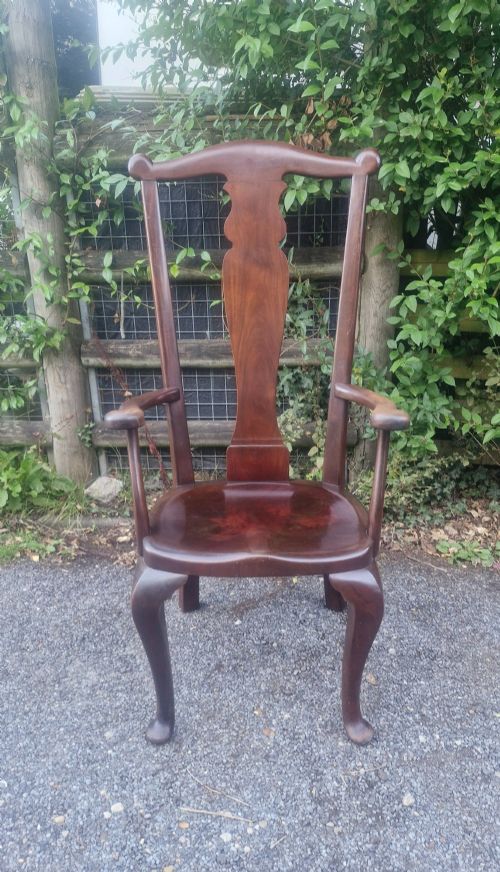
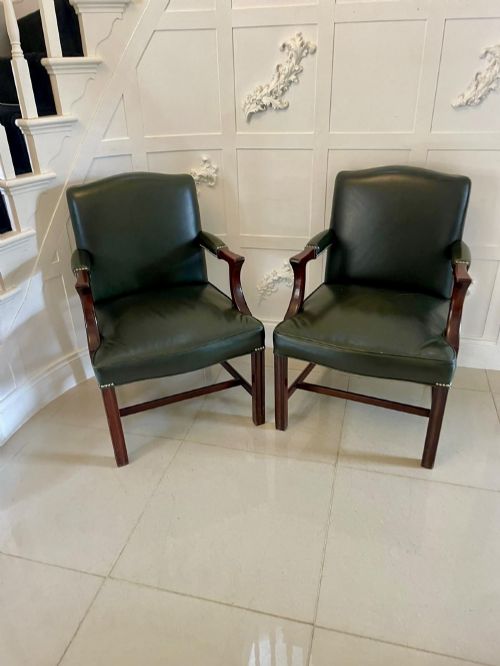
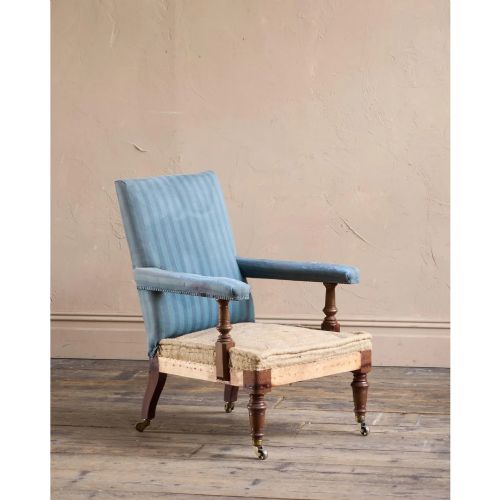
A traditional armchair frame offers the skeleton for classic seating, spanning sturdy mahogany library chairs and low country designs.
Traditional Armchair Frame
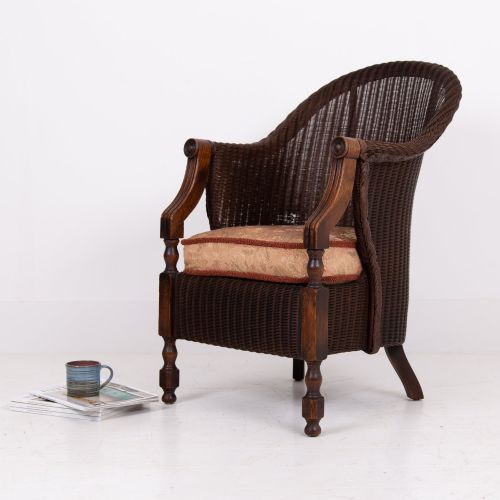
A traditional armchair frame provides the foundational woodwork or metalwork for classic seating, ranging from desk chairs to library armchairs. Buyers searching for a traditional armchair frame encounter pieces dating from the nineteenth century through the early twentieth century.
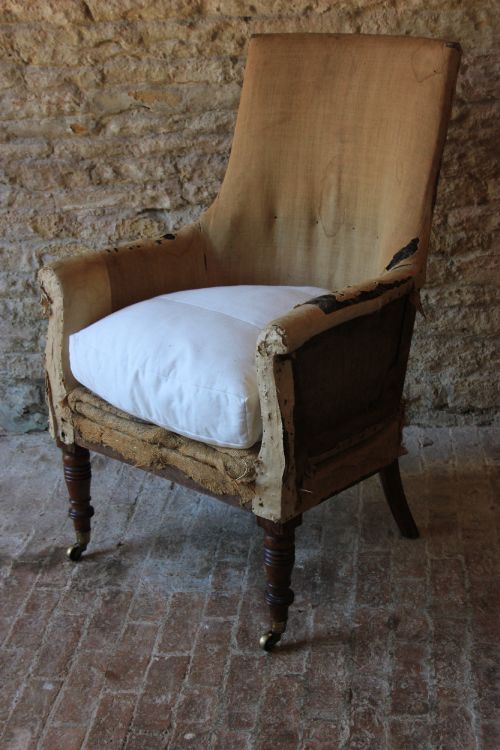
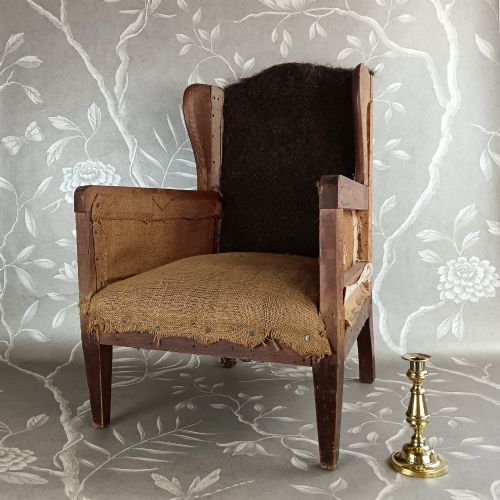
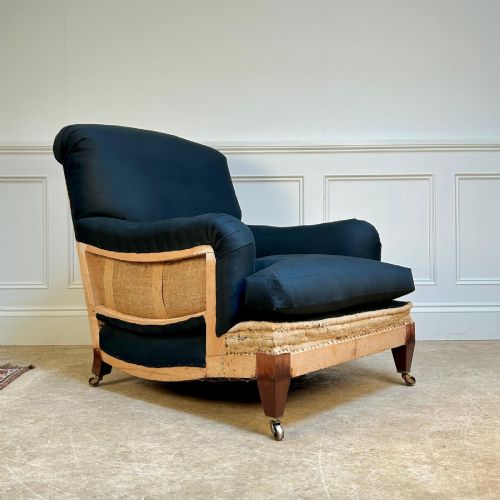
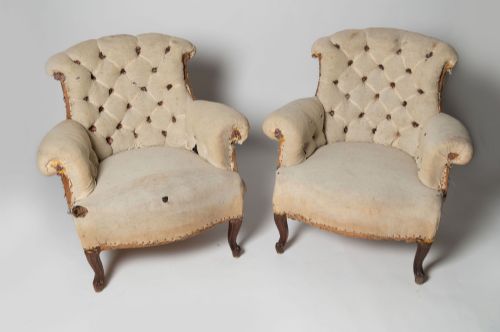
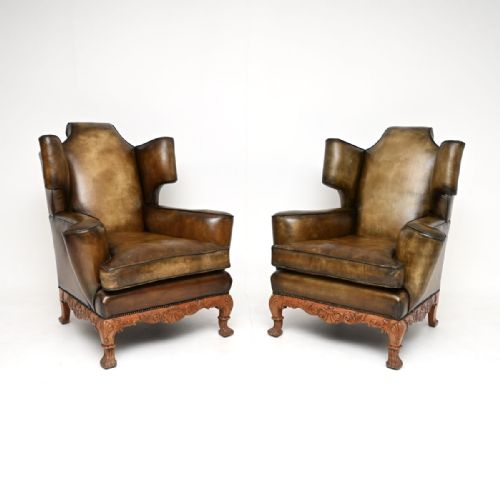
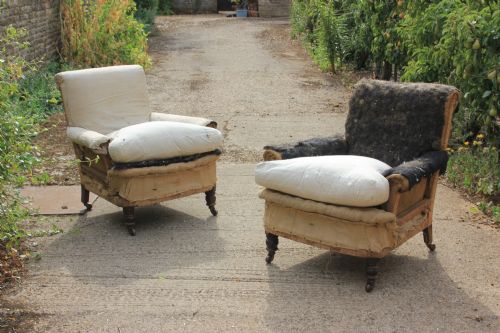
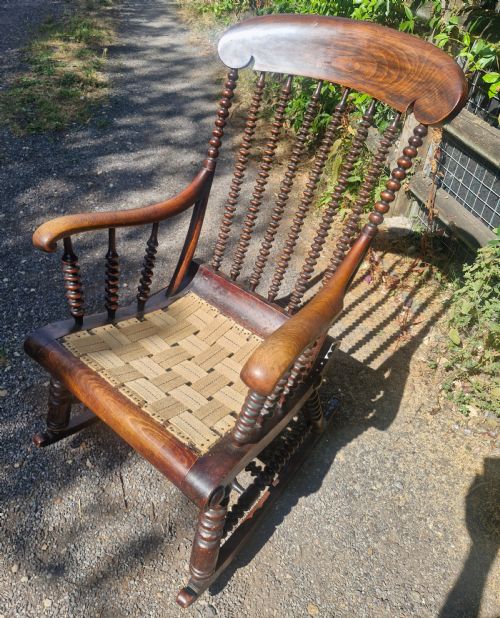
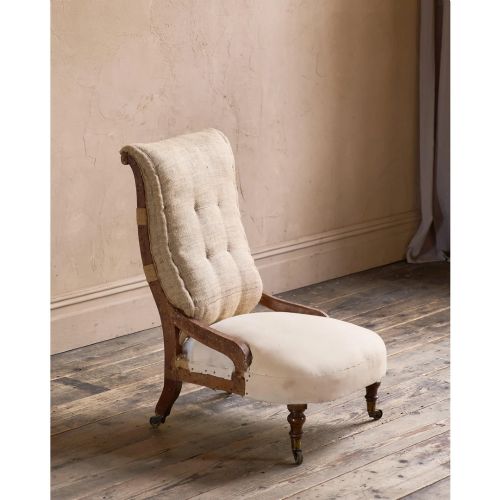
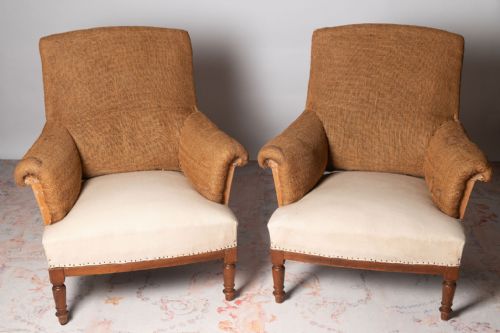
The selection includes desk chairs, library armchairs, wingback chairs, and rocking chairs built from woods such as mahogany, oak, walnut, and beech. These foundational structures often appear stripped of final upholstery or retaining historic hessian and webbing.
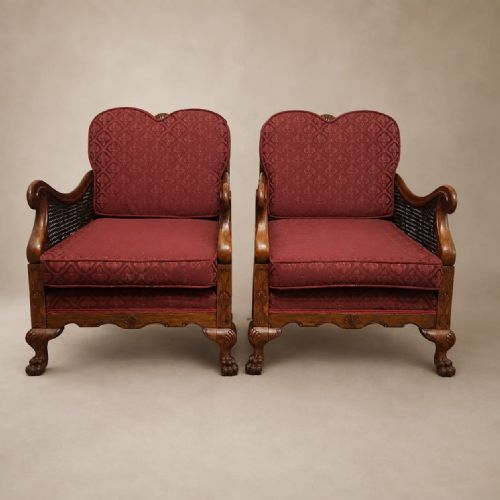
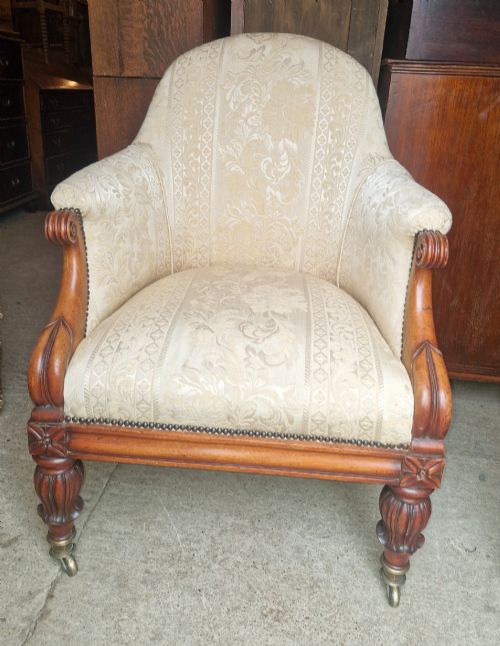
Victorian and Edwardian examples dominate the offerings, alongside Georgian styles and French revivals. Many pieces showcase specific regional styles like Woodstock or incorporate materials like split cane and brass.
Materials and construction methods
Frames rely on sturdy timbers including mahogany, walnut, oak, elm, and ash, shaped into structural arms, legs, and backrests. Joinery methods such as mortise and tenon secure the primary load-bearing joints.
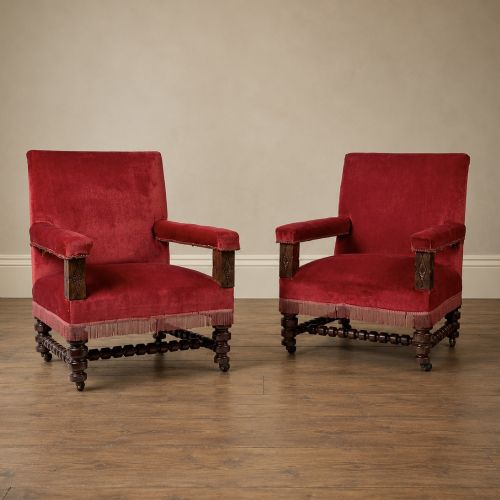
Secondary materials like brass, iron, and hessian support the interior build, whilst split cane forms back panels in specific bergere styles. Exposed timber frames often feature carved details or turned components like bobbin turnings.
Listings span the nineteenth century through the nineteen-thirties, featuring oak, mahogany, walnut, brass, and hessian across diverse chair styles.
Factors determining quality
Quality rests upon the selection of timber and the precision of the joinery shaping the structural skeleton. Dense hardwoods like mahogany and walnut provide superior durability compared to softer timbers.
The sophistication of the carving and the elegance of the proportions separate standard workshop output from exceptional maker-attributed pieces. Original components, minimal structural alterations, and clean timber patination elevate a frame's standing.
Howard and Sons·Morison and Co·Gillows·Robert Kime
The Traditional Armchair Frame Glossary
- Bergere
- An enclosed upholstered armchair with a wooden frame, frequently featuring cane work panels to the sides and back. This French style gained popularity during the nineteenth and twentieth centuries.
- Wingback
- An armchair with high back panels designed to shield the sitter from draughts. The side wings traditionally trap heat from a fireplace.
- Carver
- A sturdy armchair designed to match a set of dining chairs, usually positioned at the table heads. They feature open arms to accommodate dining attire.
- Hessian
- A coarse woven fabric typically made from jute fibres, utilised as a foundational base layer for traditional upholstery webbing.
- Fauteuil
- An open-arm armchair with an exposed wooden frame, originating in France. The arms typically feature padded elbow rests.
Traditional Armchair Frame: Frequently Asked Questions
What is a traditional armchair frame?
A traditional armchair frame is the exposed or baseline wooden structure of a seat before final upholstery is applied. These skeletons reveal the joinery, timber choice, and period silhouette.
They allow restorers or collectors to finish the seating in fabrics that suit historic interiors or modern rooms.
How do I identify the period?
Period identification relies upon timber choice, turning styles, and structural proportions recorded in the piece. Nineteenth-century examples often utilise heavy mahogany or oak, whilst Edwardian and later pieces introduce lighter woods.
Comparing structural details against known Revival styles helps narrow down the decade of manufacture.
Can I use these frames without upholstery?
Many buyers display wooden frames with exposed webbing or hessian for an industrial or architectural aesthetic. The sculptural quality of exposed mahogany or walnut stands alone as decorative furniture.
Adding cushions directly to the base allows functional seating whilst preserving the raw frame.
How were these frames used originally?
These frames served as the core seating across libraries, drawing rooms, gardens, and offices. Specific forms like library chairs and desk chairs accommodated long periods of reading or work.
Wingback designs offered shelter in draughty country houses before central heating became common.