



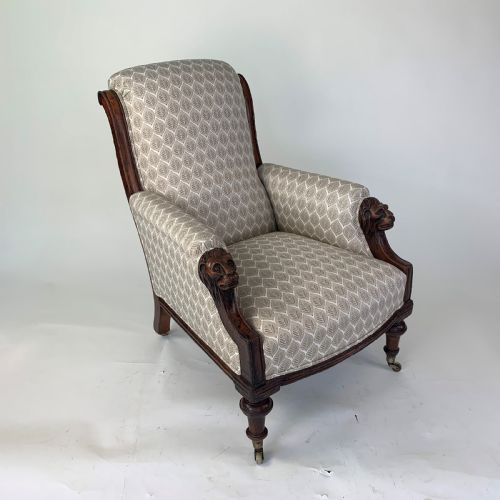


Brown Wood Easy Chair
A brown wood easy chair brings rich warmth and solid seating to a room, drawing on centuries of cabinet-making skill.
Brown Wood Easy Chair
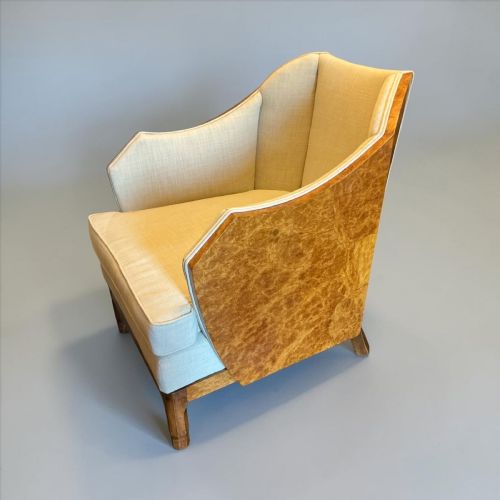
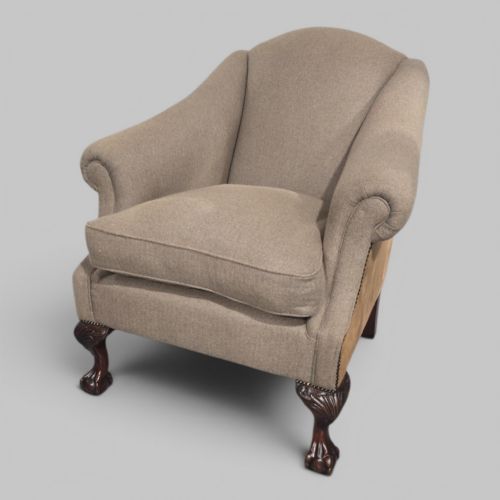
A brown wood easy chair encompasses nineteenth-century and early twentieth-century armchairs constructed from timber such as mahogany and walnut. These seating forms span Victorian, Art Deco, and Chippendale Revival styles, offering sturdy frames designed for comfort.
Buyers encountering this phrase find pieces originating from the nineteenth century up to the 1930s. Victorian walnut and mahogany examples appear frequently alongside later Art Deco interpretations.
Materials and construction
Makers shaped these chairs primarily from solid mahogany and walnut, occasionally incorporating burr walnut veneers for decorative grain patterns on the frames. Timber components were joined using traditional cabinet-making methods to ensure structural stability.
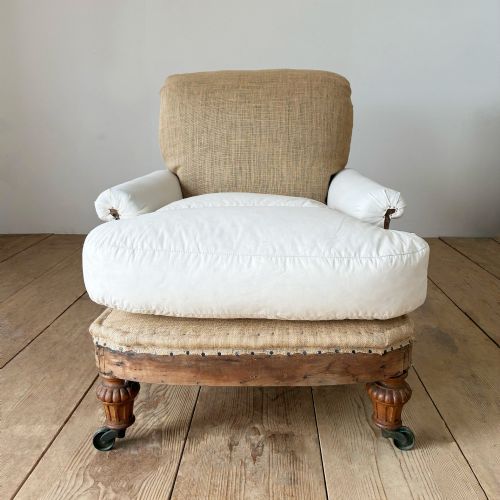
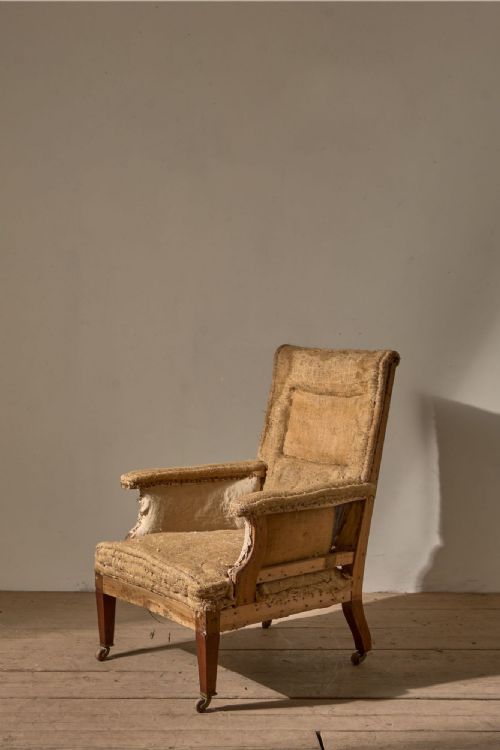
Upholstery techniques involved durable foundation materials such as hessian, paired with velvet or fabric coverings. Brass and metal details occasionally appeared as castors or structural accents on specific models.
Brown Wood Easy Chair Retail Price Guide 2026
Typical asking prices for brown wood easy chair among the pieces listed under this phrase on Sellingantiques today, from the lower quarter to the upper quarter. They describe what is for sale here now, not the wider market.
Assessing craftsmanship
Quality in these armchairs rests upon the depth of timber carving and the precision of the frame joinery. Finer pieces display sophisticated shaping in the arms and legs, reflecting the aesthetic standards of their period.
The integration of upholstery materials and the preservation of original wooden surfaces dictate the overall character of each piece. Superior examples maintain balanced proportions and harmonious wood tones across the structure.
Gillows·Robert Strahan
The Brown Wood Easy Chair Glossary
- Mahogany
- A durable hardwood prized for its reddish-brown colour and stable grain. It served as a primary material for quality seating throughout the nineteenth century.
- Walnut
- A rich brown timber used extensively for Victorian and twentieth-century chair frames. Burr walnut variations offer highly figured patterns created from tree growths.
- Hessian
- A coarse woven fabric utilised as a traditional foundation layer beneath outer upholstery. It provides strong support for sprung seat interiors.
- Wingback
- An armchair style featuring protective side panels designed to shield the sitter from drafts. These pieces often incorporate deep padding and substantial wooden legs.
- Plantation chair
- A specialised colonial seating form featuring extended arms designed for reclining. These pieces utilised local hardwoods suited to warmer climates.
Brown Wood Easy Chair: Frequently Asked Questions
What periods do these armchairs date from?
The pieces span from the mid nineteenth century through to the 1930s. They encompass Victorian production alongside early twentieth-century revivals.
Craftsmanship evolved across these decades, shifting from ornate Victorian carving to cleaner Art Deco lines.
Which woods were used for the frames?
Makers relied heavily on mahogany and walnut for their strength and colour. Burr walnut also appears on decorative surfaces.
These hardwoods provided the structural integrity required for heavy everyday seating.
How do I identify a Victorian piece?
Victorian examples typically exhibit darker timber tones and substantial carved wooden frames. Styles range from buttoned upholstery to open-arm designs.
Construction methods from this era emphasise durability and elaborate aesthetic detailing.
What upholstery materials are common?
Original and restored chairs frequently feature velvet coverings supported by hessian foundations. Brass and metal hardware often complete the construction.
These materials ensure both tactile comfort and structural longevity.
Are these chairs suitable for daily use?
Solid hardwood frames and sturdy joinery make these armchairs robust additions to living spaces. Many pieces have undergone restoration to maintain their usability.
Proper care preserves the timber finish and the integrity of the upholstered seating.