


Gillows Armchair
A genuine gillows armchair brings centuries of Lancashire cabinet-making precision straight into a modern library or drawing room.
Gillows Armchair
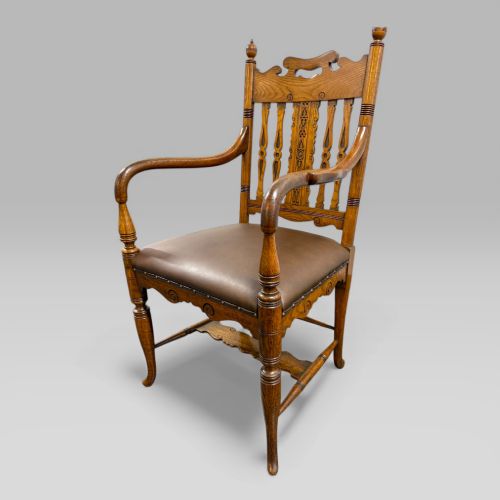
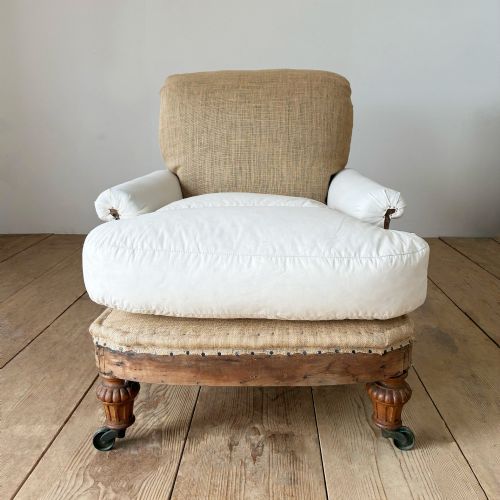
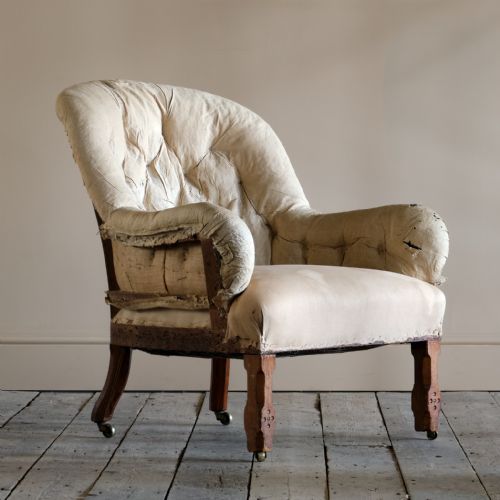
When searching for a gillows armchair, you are looking at seating produced by the celebrated Lancaster and London firm whose workshops defined British furniture design from the eighteenth century onwards. These pieces range from robust Georgian seating to refined Regency library chairs and later Victorian iterations.
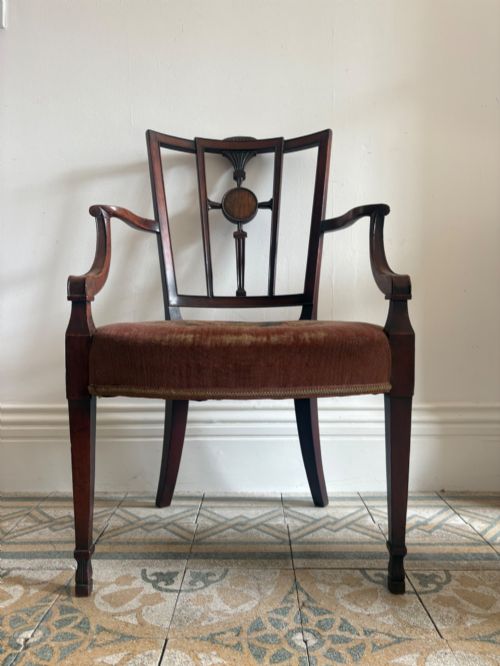
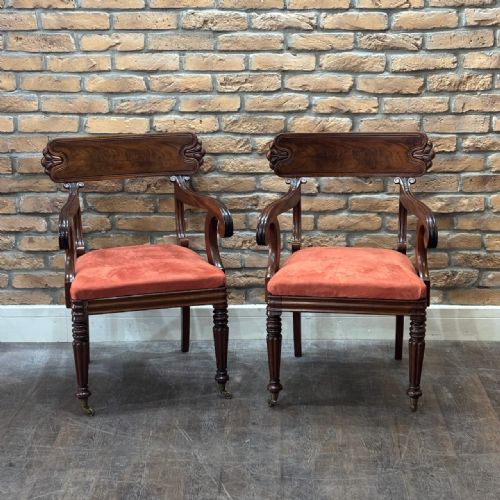
The most common examples encountered on this page belong to the Regency period, often fashioned from rich mahogany with specific library or bergère forms. You will also find desk chairs, bedroom chairs, and larger country house armchairs bearing the unmistakable hallmarks of the firm's construction.
Many items survive with stamped signatures, maker's marks, or distinct structural quirks that link them directly to the Lancaster workshops. Even pieces simply attributed to the maker display the solid proportions and sober elegance expected of this lineage.
Materials and Construction
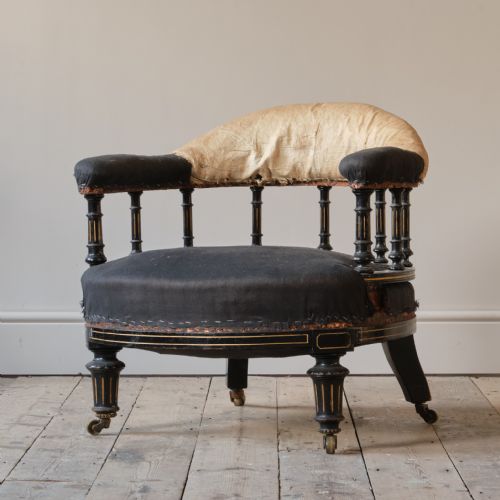
Timber selection focused heavily on dense mahogany and occasional rosewood, chosen for both structural stability and rich grain. Ebonised wood and painted finishes also appear, particularly on pieces influenced by the Aesthetic Movement.
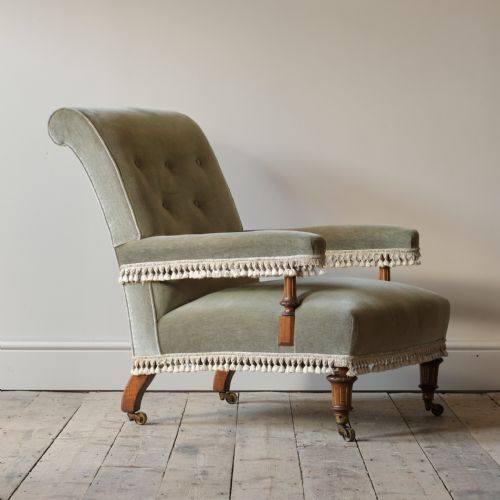
Upholstery traditionally utilised cane, leather, velvet, and durable fabrics, supported by hidden brass castors and turning work. Frames were joined with precise internal framing to withstand heavy daily use in grand households.
Listings feature mahogany, rosewood, and ebonised wood across nineteenth-century periods, alongside leather, velvet, and cane.
Evaluating Craftsmanship
The distinction between standard commercial production and premier workshop output lies in the crispness of the carved details and the weight of the timber. Finer examples display meticulously turned legs, harmonious proportions, and integrated brass accents that remain secure within the frame.
Surviving documentation or physical stamps elevate certain pieces significantly, proving direct workshop origin rather than general stylistic influence. The retention of original leather, cane work, or period upholstery foundations also separates exceptional survivals from heavily altered examples.
Bruce James Talbert
The Gillows Armchair Glossary
- Bergère
- An enclosed armchair with stuffed or caned sides and back. This French-inspired form became a staple of Regency library seating.
- Gainsborough armchair
- A wide, upholstered seat with open arms and a square back designed during the mid-eighteenth century. These pieces often sat comfortably in studies and boardrooms.
- Tub chair
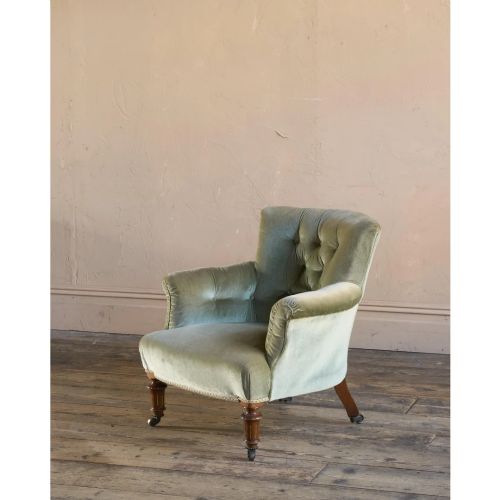
- A fully upholstered armchair where the low back curves continuously into the arms. It provides a compact and enclosed seating position.
- X-frame chair
- A seating form featuring intersecting diagonal supports beneath the arms. This classic structural layout gained renewed popularity during the Regency era.
- Rosewood
- A dense, heavily figured tropical timber prized for its dark grain and polished finish. Cabinet-makers reserved it for high-status library and occasional seating.
Gillows Armchair: Frequently Asked Questions
How can I verify a Gillows stamp?
Look along the top edge of the seat rails, underneath the mahogany frame, or near the brass castors where the firm typically struck their name into the wood. These stamps can sometimes be faint or partially obscured by layers of old finish and upholstery webbing.
Take a strong flashlight and inspect every accessible wooden surface rather than relying on visible areas. Not all authentic pieces carry a stamp, as many were sold through retailers or simply attributed based on distinct construction traits.
Where should I place a mahogany armchair?
Position your mahogany armchair in a study, library, or drawing room away from direct sunlight and sudden temperature shifts. The rich timber tones pair well with traditional wood panelling, bookshelves, and neutral walls.
Allow enough surrounding space to appreciate the turned legs and arm architecture without crowding other furniture. Regular use suits these robust frames well, provided the indoor climate remains stable.
How do I care for leather upholstery?
Maintain antique leather upholstery by keeping it clean from dust and applying a specialist leather conditioner periodically. This prevents the hide from drying out and cracking under normal daily use.
Avoid placing the chair near active heat sources or radiators that draw natural moisture from the material. Gentle cleaning preserves both the hand-dyed finish and the underlying padding.