

Vintage Tea Caddy
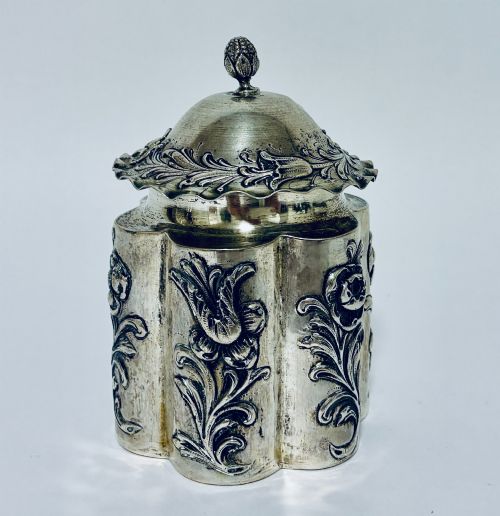
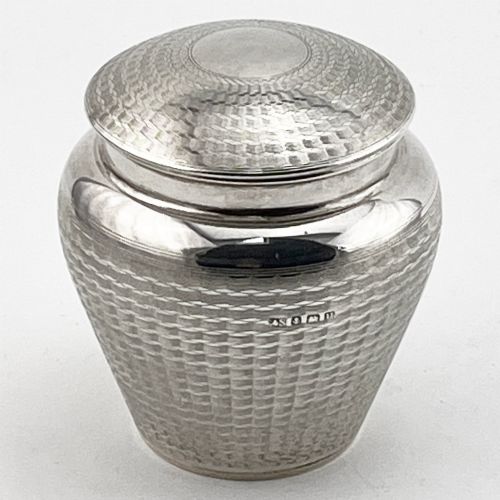
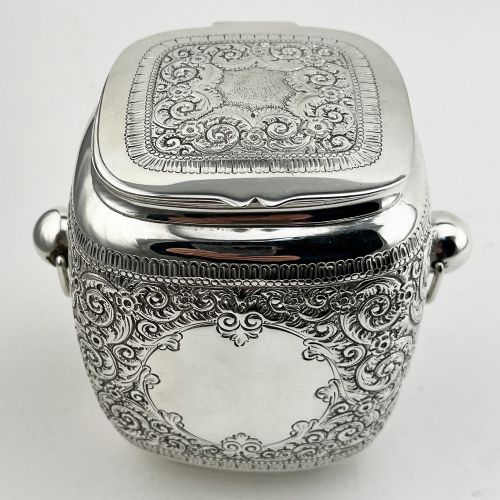
These vintage tea caddy examples range from mahogany and walnut timber boxes to sterling silver canisters designed to store dried leaves.
Vintage Tea Caddy
When you search for a vintage tea caddy, you are looking at containers built to hold and preserve loose leaves when tea was a costly household commodity. The pieces on this page span several centuries, encompassing Georgian, Regency, Victorian and Edwardian eras.
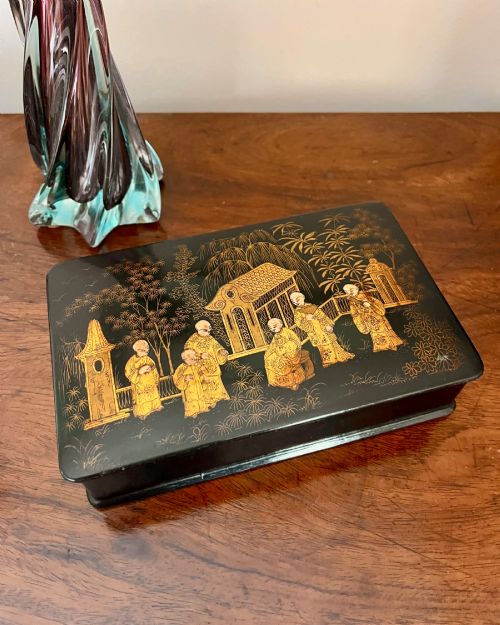
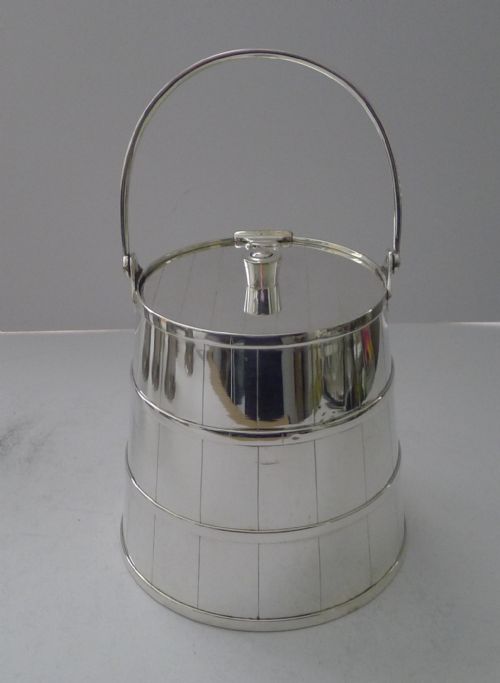
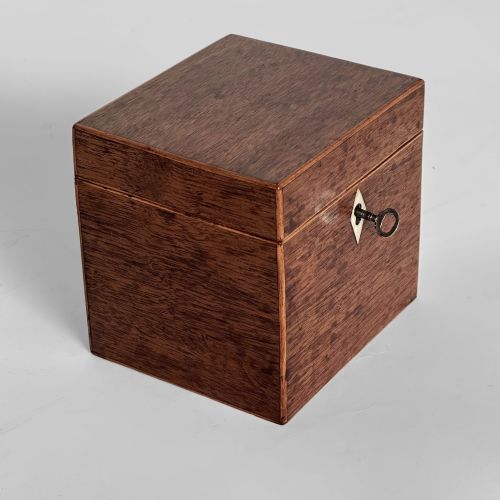
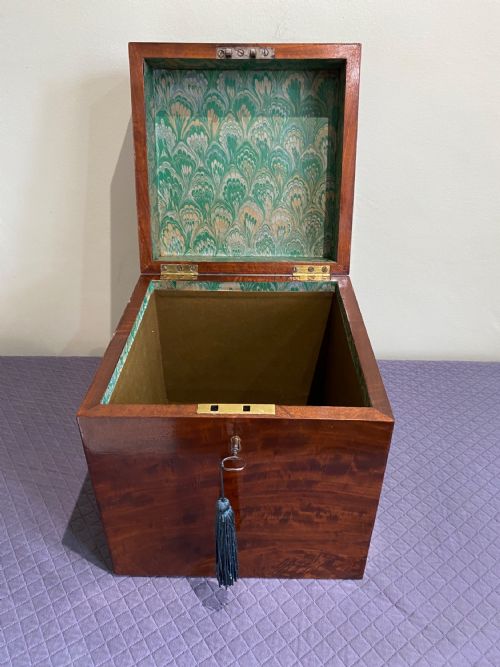
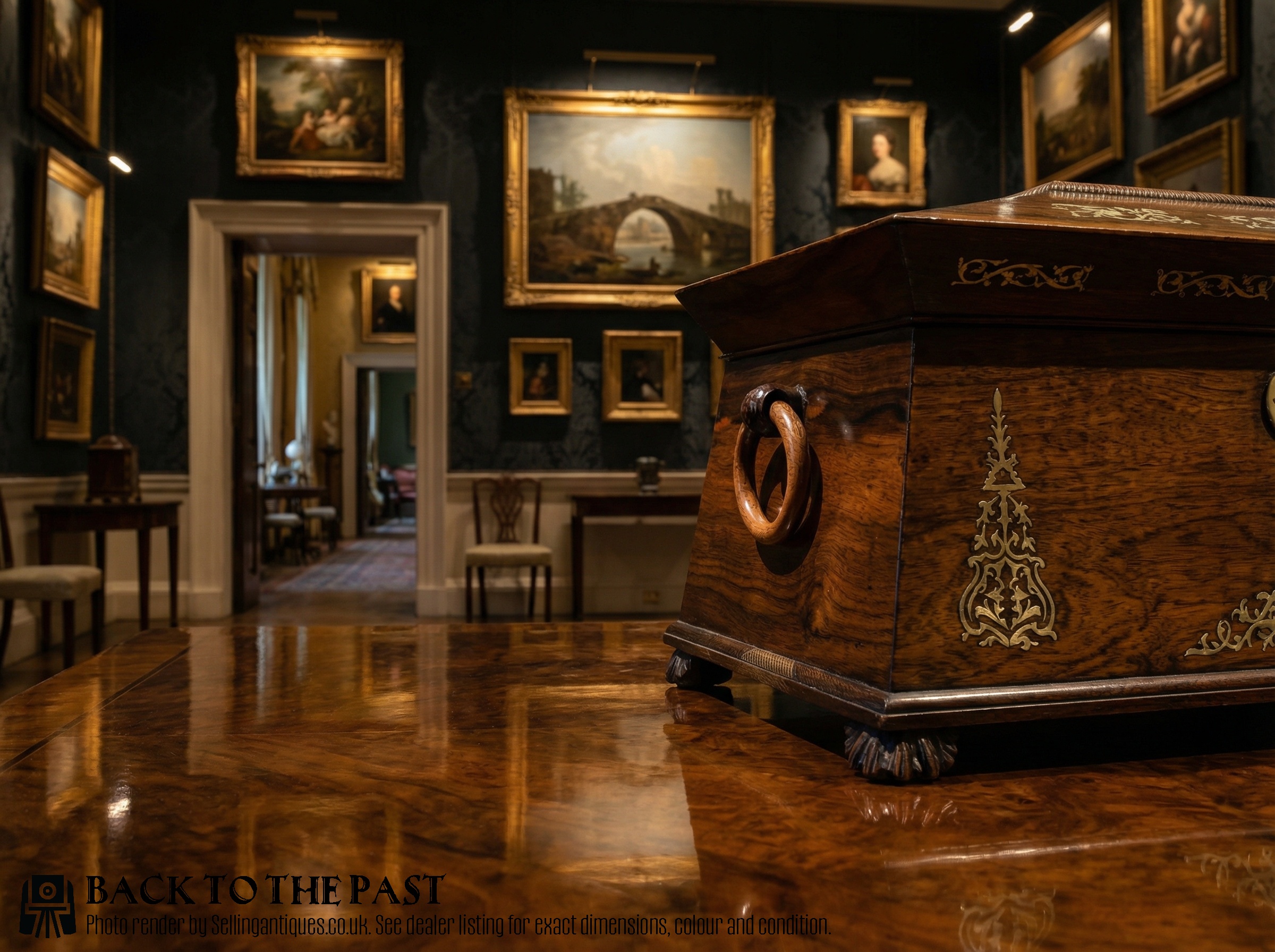
The most common timber versions you will meet on this page are made from mahogany and walnut, frequently featuring fitted interiors or secret drawers. Alongside wooden boxes, the selection includes solid sterling silver caddies, silver plate canisters and occasional papier mâché or lacquered finishes.
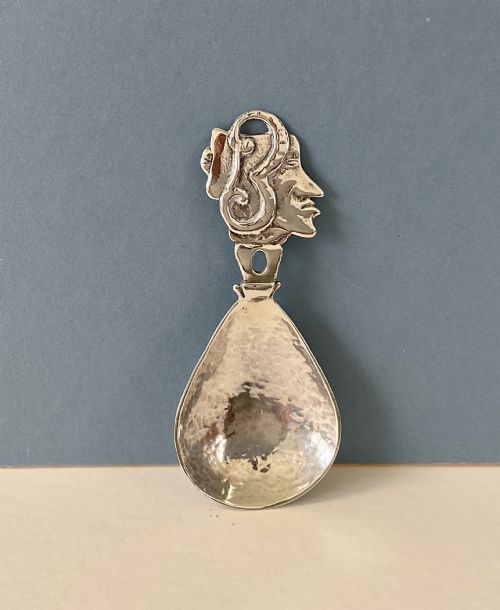
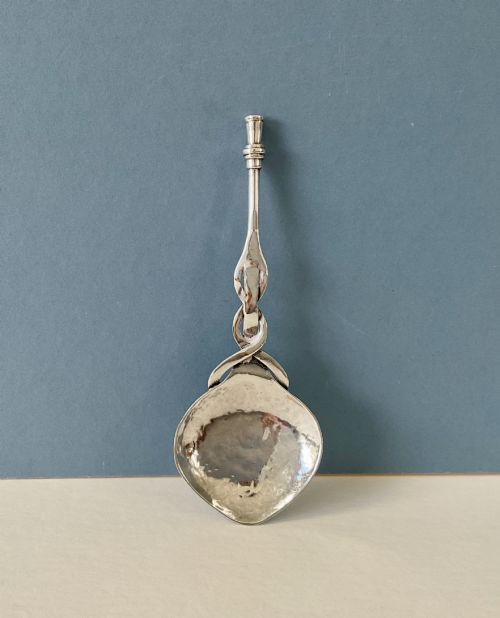
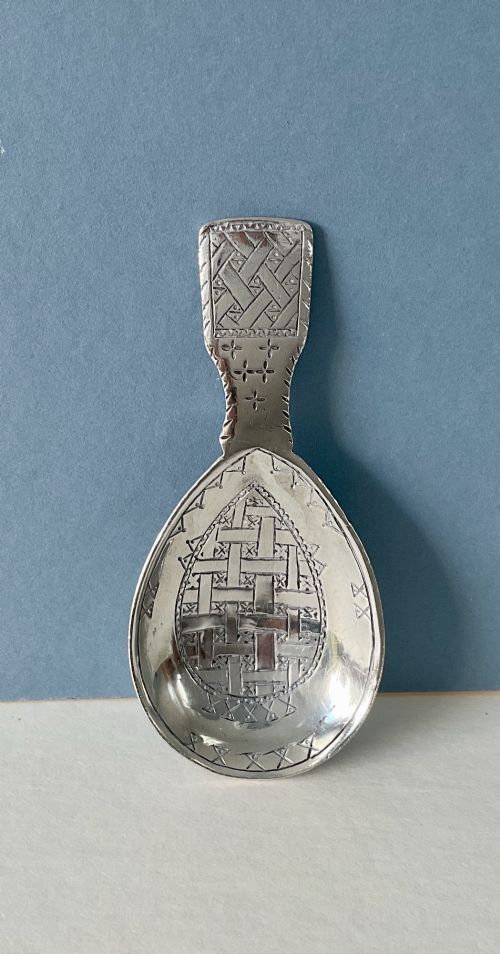
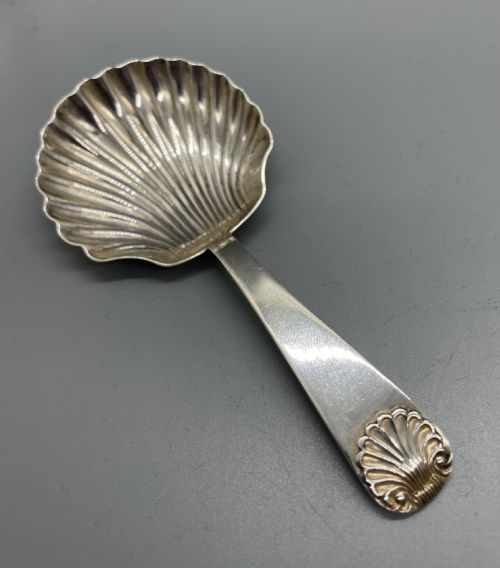
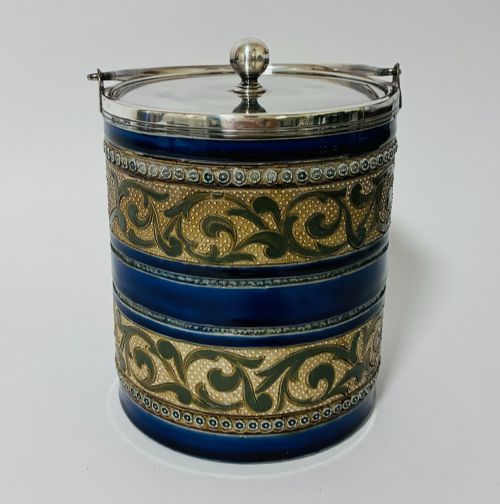
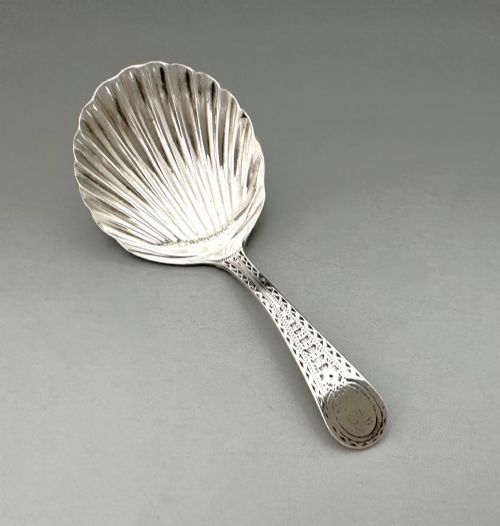
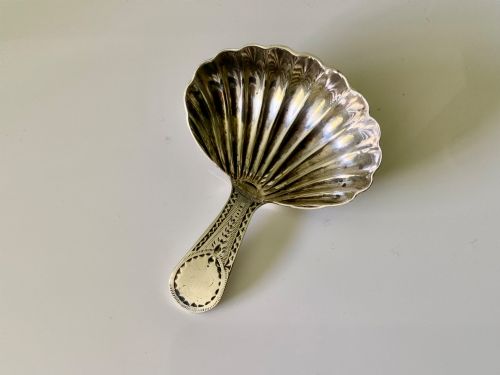
Beyond standard wooden boxes, the listings include associated objects such as caddy spoons in sterling silver, biscuit barrels, decorative boxes and novelty items. These sit across multiple styles, including Chinoiserie, Arts and Crafts, and Art Deco.
How They Were Made
Cabinetmakers constructed wooden versions using timbers such as mahogany, walnut and burr yew, often applying decorative Tunbridge inlay, mother of pearl and bone details to the surfaces. Boxes from the Regency and Georgian periods relied on precise joinery to create tight compartments and internal lids that kept dry leaves fresh.
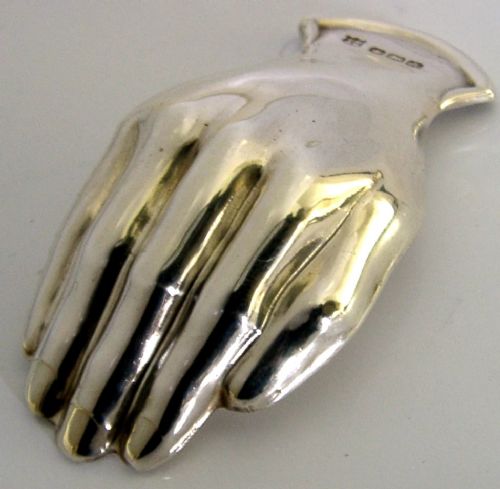
Metal pieces utilise sterling silver, silver plate, brass, toleware and metal alloys, shaped into canisters, boxes and novelty forms like hands or cars. Silversmiths employed techniques including hobnail cutting on crystal bodies, casting with lion mask handles, and hand-chasing decorative motifs.
Tea was once so valuable that caddies featured built-in locks, ensuring the butler could not sneak a brew behind closed doors.
What Varies in Quality
The distinction between standard examples and the finest pieces often lies in the complexity of the timber selection and decorative technique. Elaborate Tunbridge inlay, burr yew veneers, and intricate mother of pearl or bone work elevate a wooden box above a plain mahogany container.
Martin Hall And Co·Zimmermann·Thomas Hayes·Mappin And Webb·Liberty·Asprey
The Vintage Tea Caddy Glossary
- Tea Caddy
- A container or box specifically built to store dry tea leaves. These receptacles often included internal lids or compartments to separate different varieties of tea.
- Tunbridge Inlay
- A form of wood mosaic woodworking originating in Kent, using tiny blocks of naturally coloured wood to create detailed geometric or pictorial scenes. It appears on the surfaces of select nineteenth-century boxes.
- Caddy Spoon
- A small specialised spoon used to measure out dry tea leaves from the canister into the pot. They are frequently found in sterling silver and sometimes feature novelty designs.
- Toleware
- Painted or lacquered metalware popular in domestic settings. Large examples include nineteenth-century tea tins.
Vintage Tea Caddy: Frequently Asked Questions
What is a tea caddy?
A tea caddy is a dedicated box or container designed to store and preserve dry tea leaves securely. In earlier centuries, tea was an expensive commodity, so these containers were often fitted with locks and internal lids.
They evolved from simple wooden chests into decorative objects made from silver, tortoiseshell, and inlaid timbers. Today they serve as ornamental storage pieces or collector items.
How do I date a wooden tea caddy?
Dating a wooden tea caddy involves examining the timber species, construction methods, hardware, and interior layout. Georgian and Regency pieces often feature high-grade mahogany or burr veneers with fine dovetail joints and original key escutcheons.
Later Victorian and Edwardian examples might introduce materials like papier mâché or distinct inlay styles such as Tunbridge ware. Examining any remaining hallmarks on internal foil linings or attached silver mounts also helps narrow the period.
What are caddy spoons used for?
Caddy spoons are small utensils designed specifically for scooping loose tea leaves from a caddy into a teapot. They usually feature shallow bowls and short handles tailored to fit inside the neck of a canister.
Collectors often seek them out for their diverse forms, which range from plain silver shovel designs to novelty shapes like hands or leaves.
How were tea caddies used originally?
Tea caddies were kept in the formal reception rooms of wealthy households where the mistress of the house prepared the tea. Because tea leaves were costly, the caddy remained locked, and the key stayed with the owner.
Many examples feature multiple internal compartments to hold different types of black and green tea leaves, alongside a central mixing bowl for blending.