

Brown Oak Box
A brown oak box brings centuries of dense timber and quiet utility straight into a modern room.
Brown Oak Box
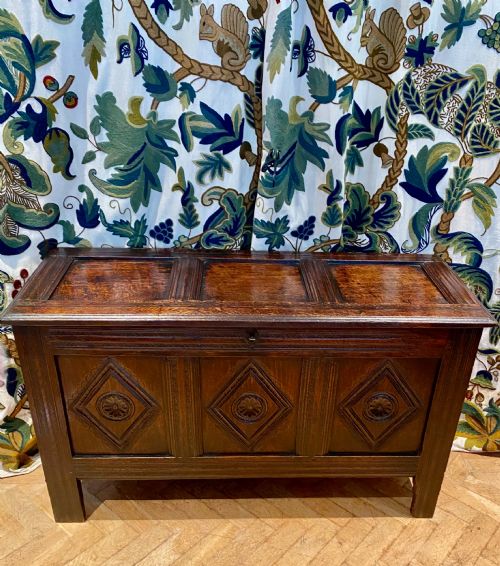
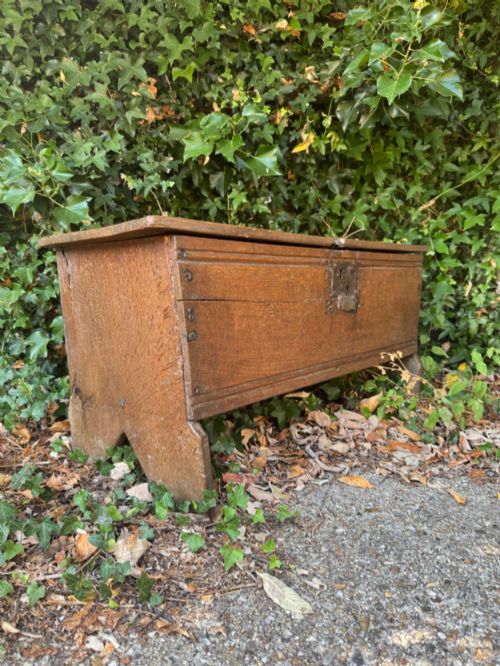
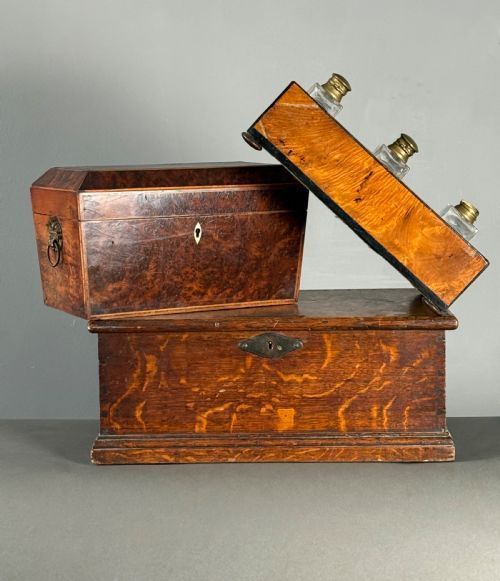
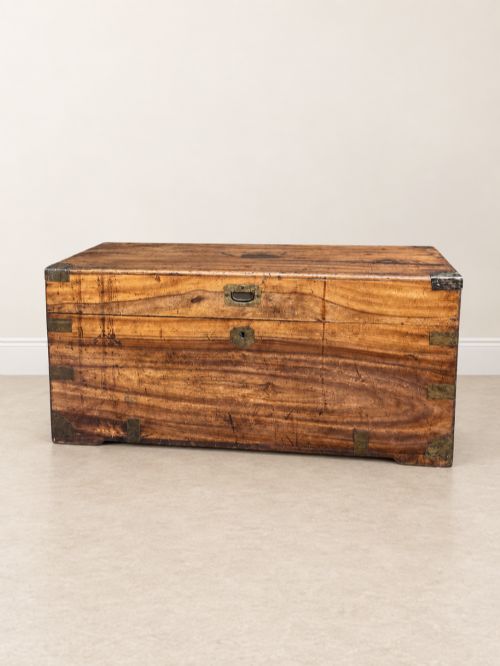
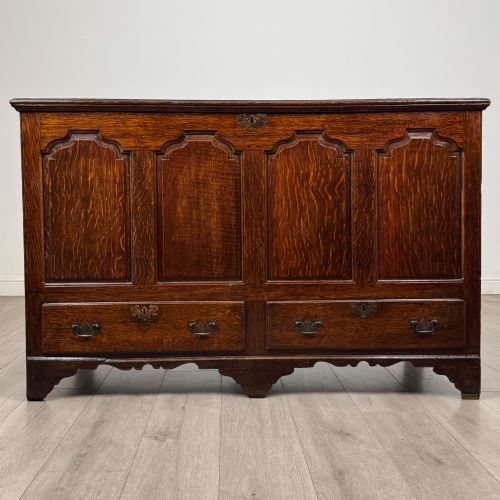
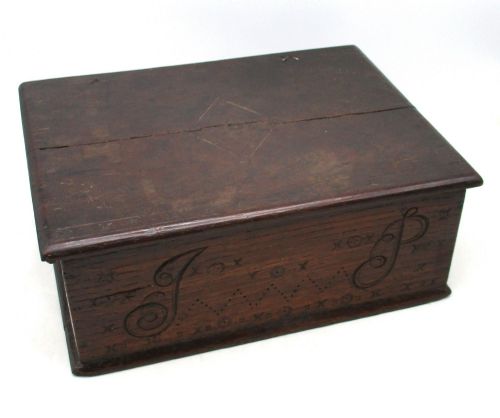
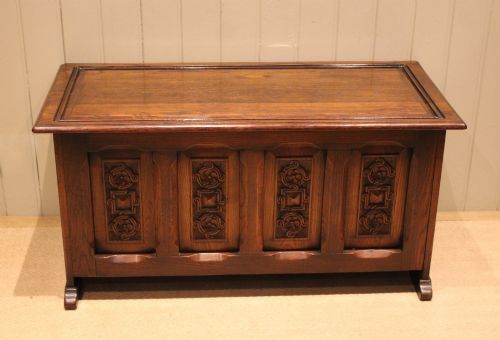
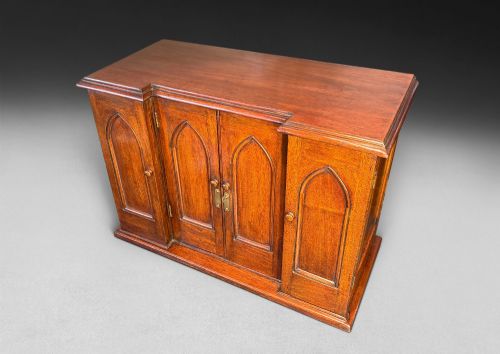
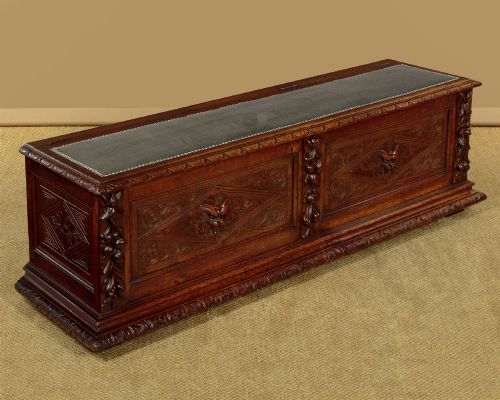
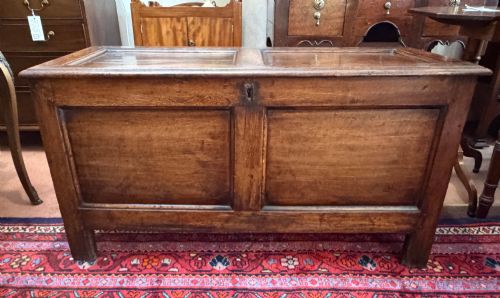
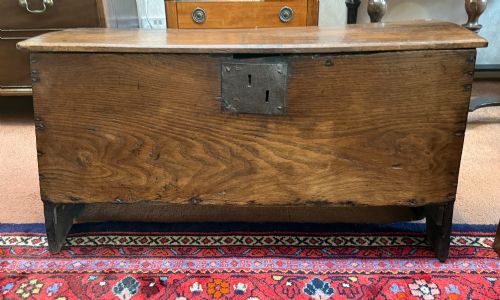
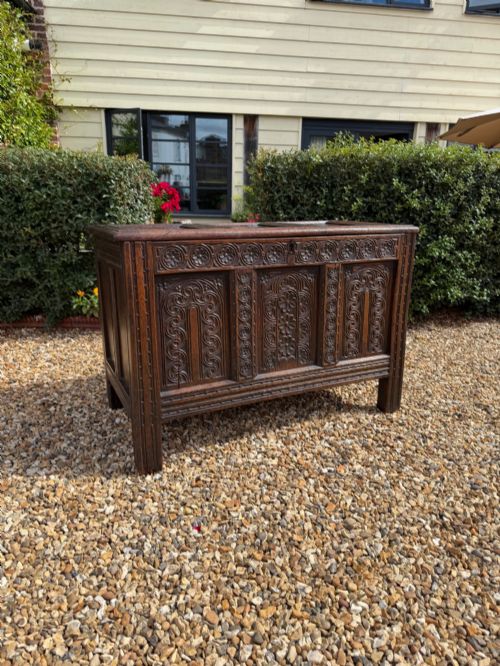
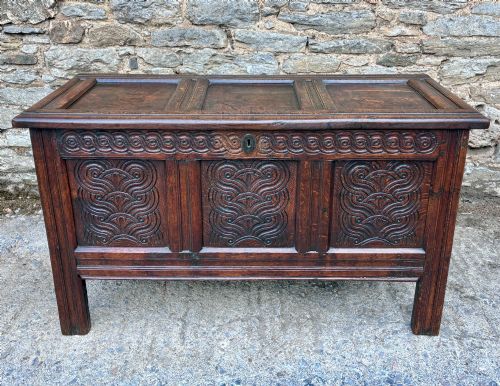
The most common forms found in this selection include joined coffers, wall-hanging spice cupboards, and small lidded writing boxes dating from the sixteenth century through the Georgian period. Their primary function was the secure keeping of valuables, documents, or household provisions in a period before fitted furniture.
Many examples display provincial or vernacular characteristics, showing the hand of regional makers working within English, Welsh, and continental traditions. The rich brown tones develop naturally through age, exposure to light, and decades of wax polishing.
Distinctions in Quality
Quality rests upon the integrity of the original timber, the crispness of any hand-carved decoration, and the survival of primary structural elements. Pieces retaining their original ironwork, floorboards, and hinges command greater regard among purists.
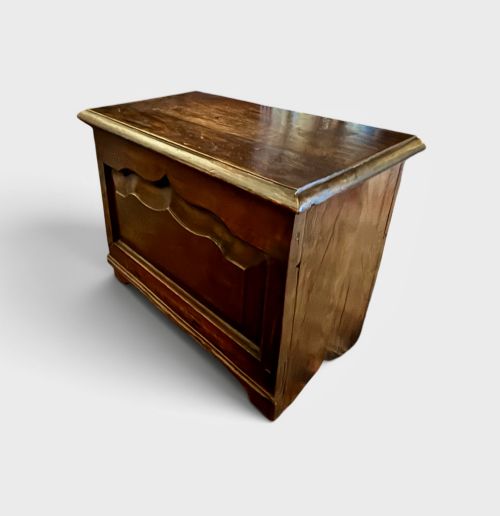
Proportion and scale heavily influence desirability, with smaller table-top boxes and diminutive coffers proving scarcer than large utility chests. The depth of colour and the presence of unblemished surface patination separate standard utilitarian containers from exceptional examples.
Object forms range from small wall-hanging spice cupboards and document boxes to large coffers, mule chests, and box settles.
The Brown Oak Box Glossary
- Coffer
- A large wooden chest with a hinged lid, traditionally used for storing valuables, linen, or documents. These pieces often feature pegged frame-and-panel construction.
- Mule chest
- A storage chest fitted with one or more drawers beneath the main compartment. They bridge the design gap between the simple coffer and the chest of drawers.
- Spice cupboard
- A small wall-hanging or table-top cabinet containing multiple internal drawers for expensive provisions and medicinal ingredients. They usually feature panelled doors and brass latches.
- Writing slope
- A portable box with a slanted lid designed to provide a stable writing surface while storing paper and ink inside. Some incorporate secret compartments.
- Patina
- The lustrous surface sheen developed on wood through decades of handling, oxidation, and wax polishing. It serves as a visual indicator of age and authenticity.
Brown Oak Box: Frequently Asked Questions
What were these boxes used for?
These boxes served secure domestic functions ranging from the storage of legal documents and textiles to the safekeeping of precious spices and household accounts. Their portability allowed owners to transport valuables easily during times of travel or unrest.
Smaller lidded variants often sat on tables or hung upon walls to keep everyday necessities away from damp floors and pests. Over time, their utility evolved as domestic architecture incorporated built-in storage, turning them into decorative furnishings.
How do I date an oak box?
Dating relies on examining the construction methods, tool marks left by saws and planes, and the style of any carved ornamentation. Hand- split boards, pegged joints, and wrought iron hardware generally point to seventeenth-century or earlier origins.
Later pieces from the eighteenth and nineteenth centuries introduce machine-sawn timber, standardised fixings, and different secondary woods like mahogany or deal. Comparing the jointing style against known regional traditions helps narrow the manufacturing period.
How do I care for antique oak?
Antique oak requires a stable indoor environment away from direct heat sources, strong sunlight, and sudden shifts in relative humidity. Excessive dryness causes timber to split, while dampness encourages mould and wood-boring insects.
Application of traditional beeswax polish feeds the dry grain and maintains the protective surface layer. Avoid modern silicone sprays, which penetrate the pores and damage the historic patina.
Are these pieces made of solid wood?
Most pieces from the sixteenth to the eighteenth centuries utilise solid timber throughout, including the panels, framing, and internal floorboards. Oak was chosen for its abundance, strength, and resistance to warping when properly quarter-sawn.
Later nineteenth-century iterations occasionally incorporate secondary woods or plywood in non-structural areas such as drawer linings or back panels. Inspecting the grain direction reveals whether a board was cut from a single solid log.
What is brown oak?
Brown oak refers to heartwood darkened by a natural fungal process occurring while the living tree stands. This coloration yields deep chocolate and amber tones distinct from standard pale English oak.
Furniture makers prized this timber for its rich aesthetic variety and dramatic grain figures. It occurs sporadically, making matched sets or large items particularly striking.