







Vintage Tapestry Artwork
Vintage tapestry artwork encompasses centuries of textile wall hangings, needlework pictures and painted cloths that bring rich texture and historical narrative to any interior.
Vintage Tapestry Artwork
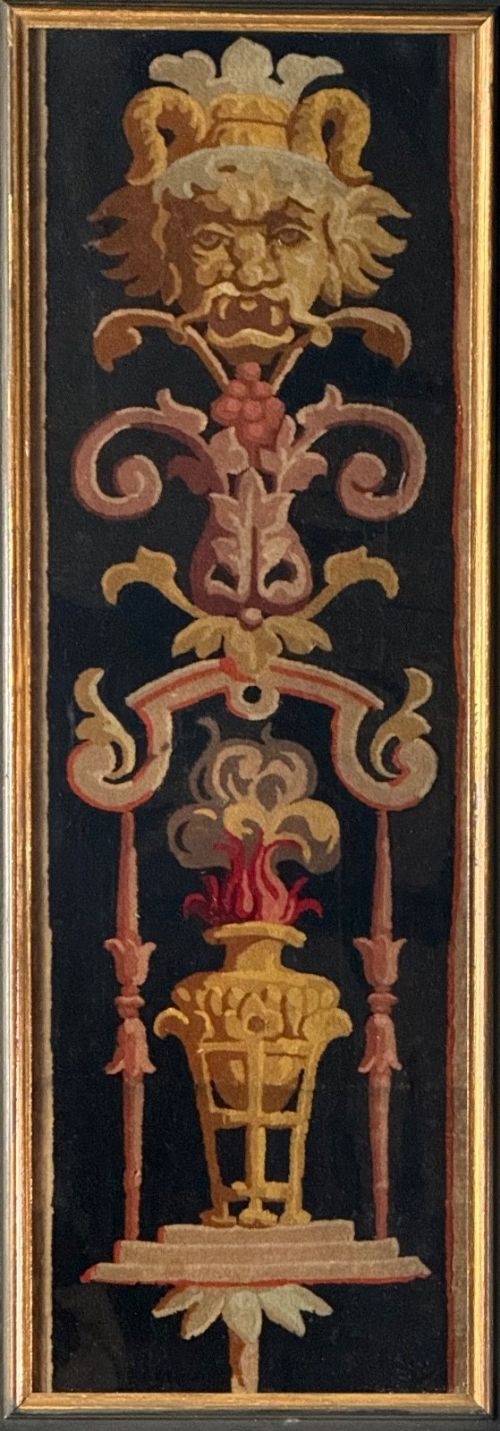
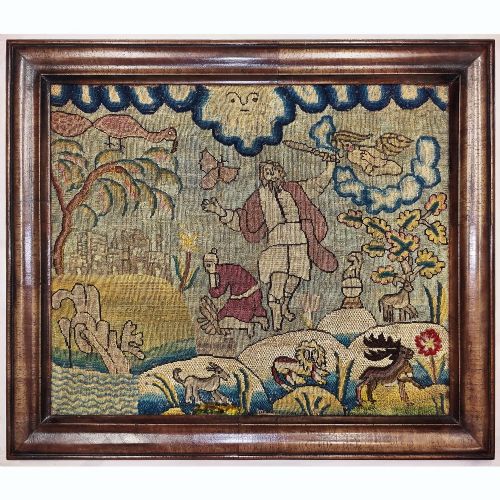
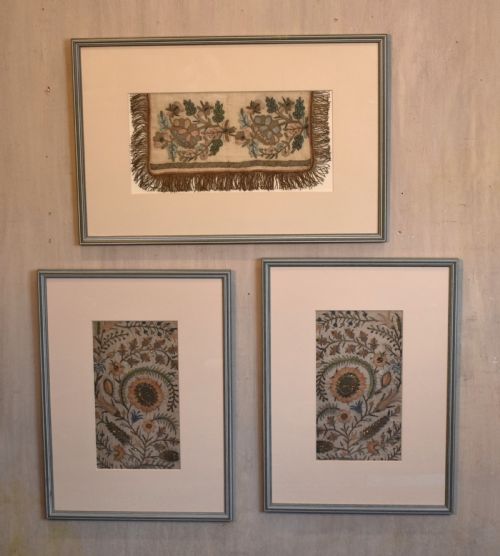
Vintage tapestry artwork covers a broad spectrum of textile wall hangings, framed needlework pictures and embroidered panels originating from various centuries and global traditions. When exploring vintage tapestry artwork, you encounter everything from seventeenth-century continental classical panels and cushion covers to Victorian samplers and large Asian wall hangings.
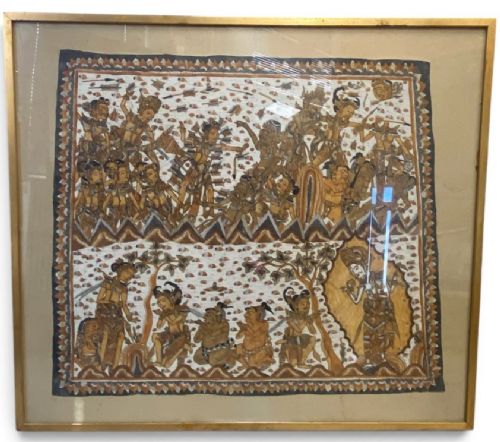
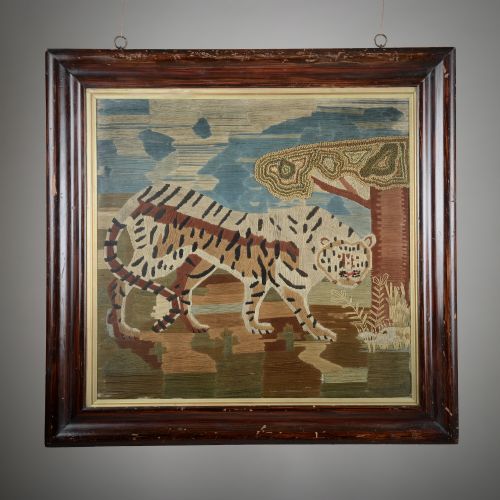
The selection ranges across distinct cultural styles including Balinese Kamasan paintings, traditional Indian Kalamkari temple pieces, Japanese silk textiles, and French Toile de Jouy fragments. Forms vary from oval tapestry pictures and crewel work embroidery to wool work pictures depicting animals and landscapes after artists like Constable.
Pieces span multiple periods from the seventeenth, eighteenth and nineteenth centuries into the Edwardian era and the early twentieth century. Buyers select these textiles to introduce historical depth, tactile warmth and intricate storytelling directly onto domestic walls.
Materials and construction
Makers utilised a foundation of natural fibres including wool, silk, linen, cotton, canvas and raffia upon which compositions were built. Pigments were applied directly for painted cloth pieces such as Indian wall cloths and Balinese Kamasan works.
Needlework and embroidery techniques employed wool, silk and cotton threads to stitch detailed pictorial scenes, masks, grotesques and botanical motifs onto woven backings. Frames incorporating wood and glass frequently protect and present these delicate textile artefacts.
Styles represented span Georgian, Baroque, French Chateau, Balinese Kamasan, Victorian, Chinoiserie, Victorian Folk Art and Traditional Indian Kalamkari.
Assessing quality in textile art
Quality rests upon the intricacy of the needlework or painting, the stability of the foundation fabric, and the survival of the original pigments and threads. Finer works display meticulous stitch density, complex figurative detailing and harmonious colour palettes that endure across the centuries.
The integrity of the material handling, from the tight twist of crewel wools to the precise application of pigment on cotton or silk, dictates the lasting visual impact of the piece. Preservation of the textile ground without extensive modern intervention elevates the standing of any wall hanging or framed picture.
The Vintage Tapestry Artwork Glossary
- Crewel work
- Embroidery executed with fine wool yarn on a linen or cotton foundation, often depicting scrolling floral patterns or botanical scenes. This technique creates a textured, raised surface relief.
- Sampler
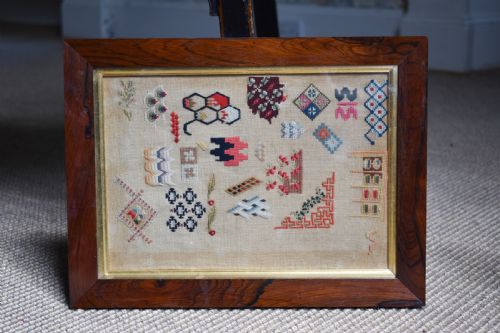
- A piece of needlework produced by a maker to demonstrate proficiency in various stitches and alphabets. These objects frequently record dates, maker initials and traditional motifs.
- Kalamkari
- A traditional type of hand-painted or block-printed cotton textile originating from India. These textiles often depict narrative scenes from Hindu epics and temple mythologies.
- Toile de Jouy
- A cotton or linen fabric featuring printed pastoral or historical scenes, typically rendered in a single monochrome colour. Fragments of these textiles are often preserved as framed artworks.
- Kamasan
- A classical style of traditional Balinese painting originating from the village of Kamasan, characterised by narrative depictions of deities and warriors in multiple registers.
Vintage Tapestry Artwork: Frequently Asked Questions
How do I hang textile art safely?
Support heavy wall hangings evenly across a wooden batten or hidden support rather than suspending them from a single point. Keep framed textiles away from direct sunlight to protect natural wool, silk and pigment colours from fading.
Maintain stable indoor humidity levels to prevent natural fibres like linen, cotton and canvas from absorbing moisture and degrading over time.
What periods do these textiles cover?
The available selection spans from seventeenth-century European embroidered panels and cushion covers to eighteenth-century needlework pictures. Nineteenth-century examples include wool work animal depictions, crewel work and Asian wall textiles.
Later pieces extend into Edwardian and early twentieth-century works, including Japanese silk compositions and African raffia tapestries.
Are these pieces framed?
Many needlework pictures, Toile de Jouy fragments and smaller panels are presented within protective wood and glass frames. Larger Asian wall hangings and Indian painted wall cloths are typically unglazed to allow the textile flexibility.
Framing specifications vary by dealer and the original format of the individual artwork.