
Antique Embroidery Wall Art
These pieces of antique embroidery wall art bring historic needlework, crewelwork, and suzanis into domestic spaces within frames or as hanging textiles.
Antique Embroidery Wall Art
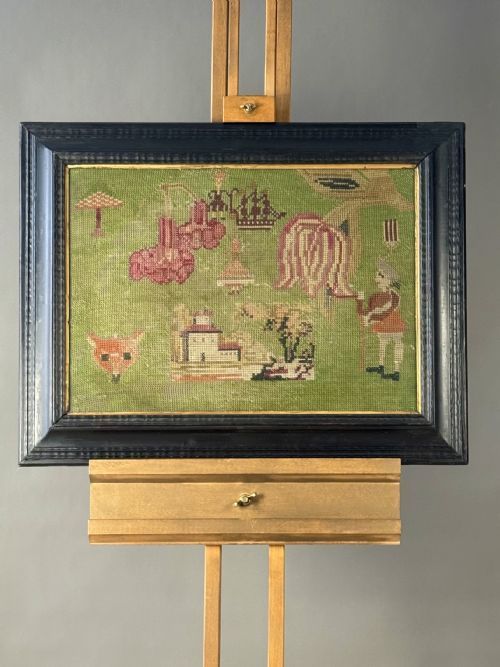
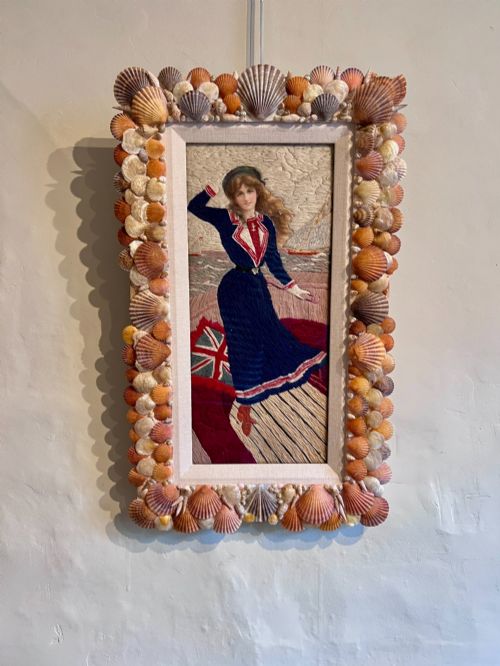
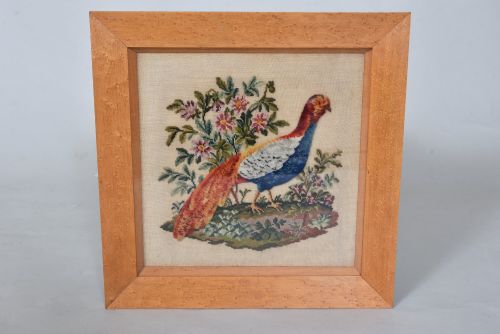
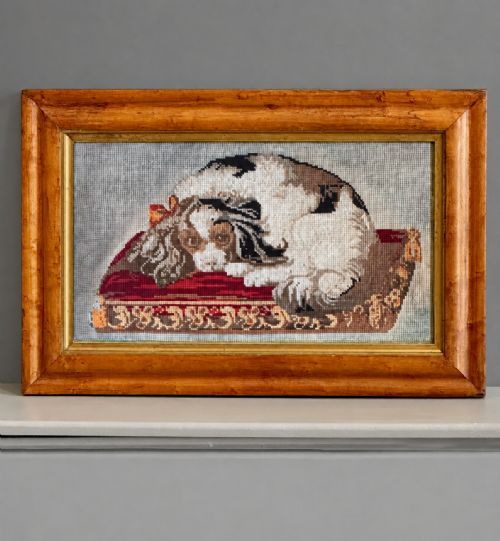
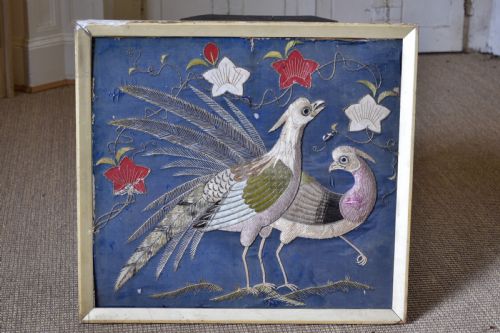
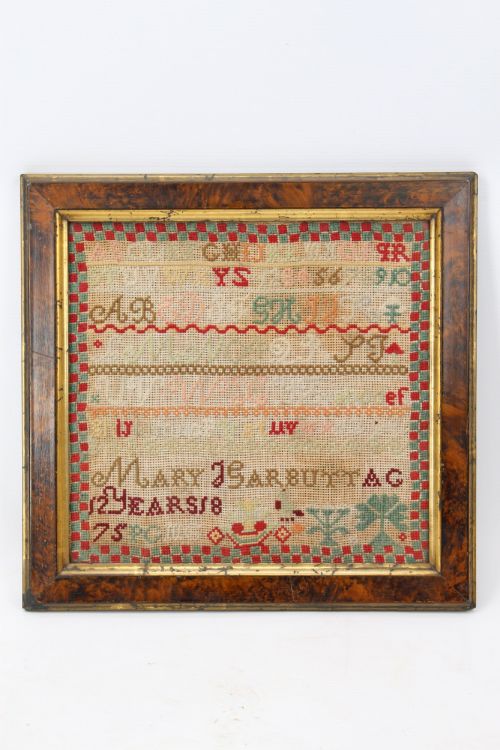
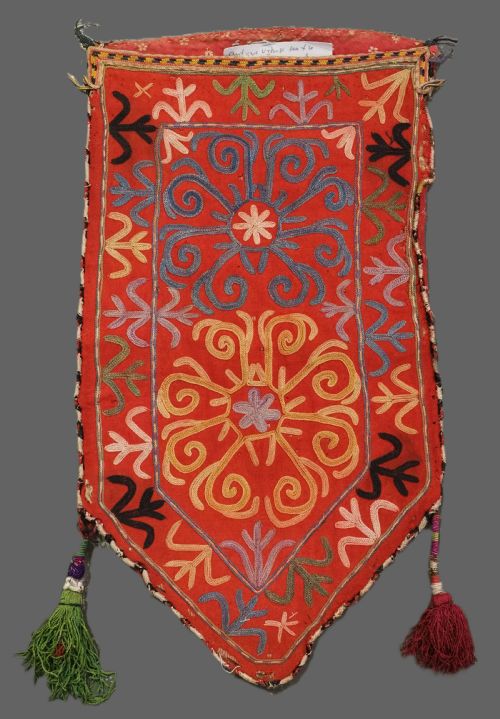
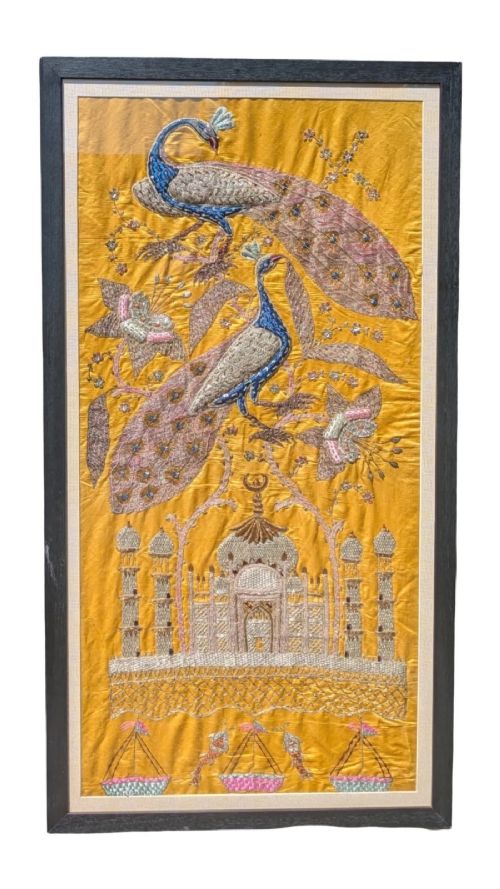
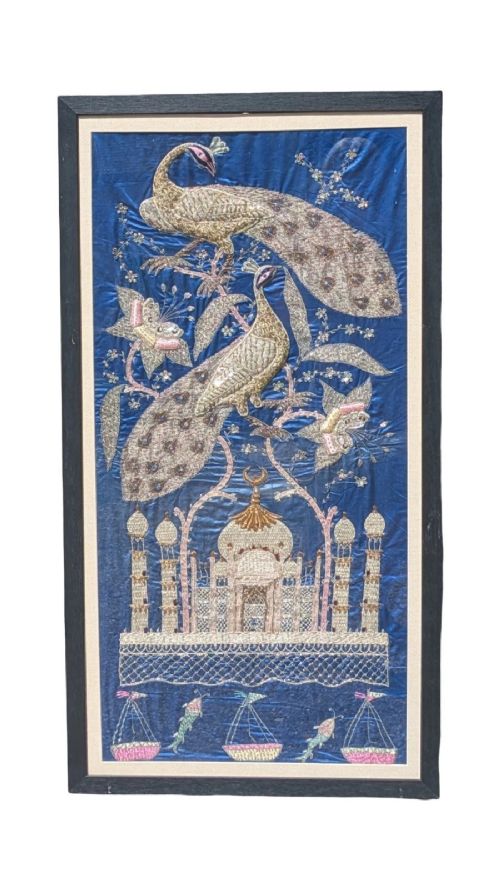
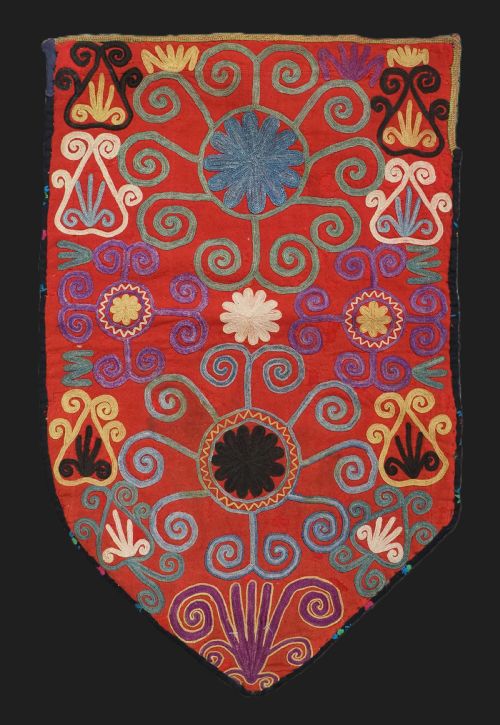
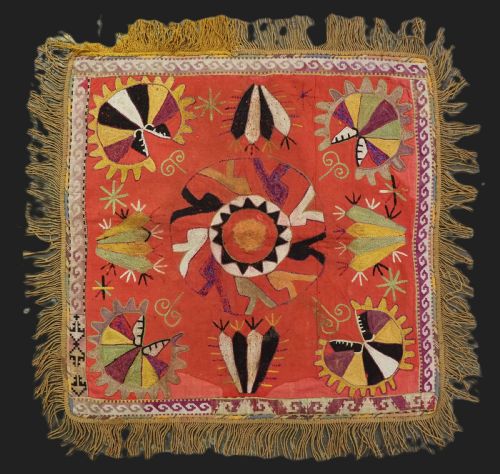
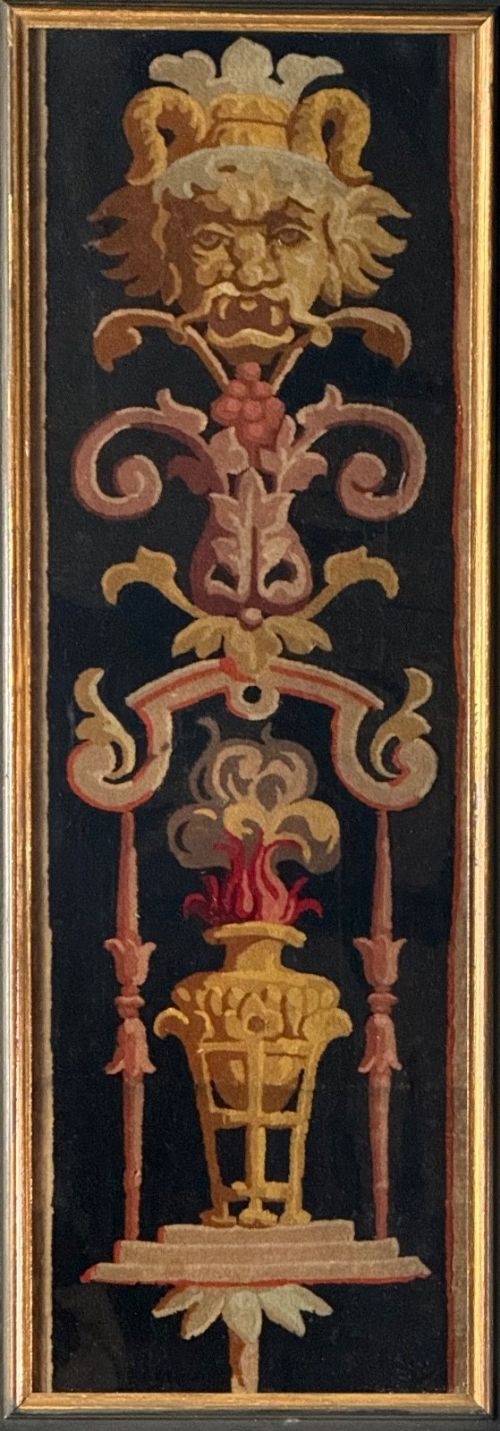
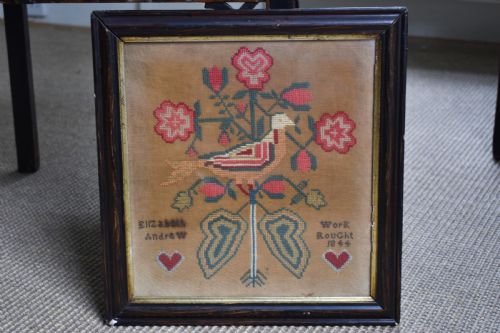
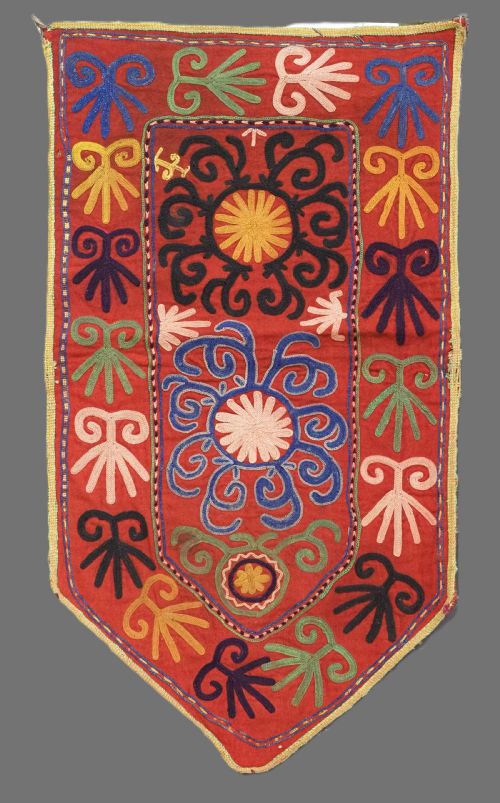
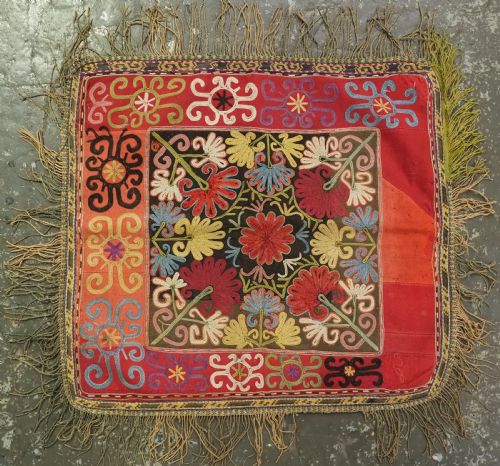
Buyers seeking antique embroidery wall art encounter framed textile pictures, samplers, and large hanging panels originating from European and Central Asian traditions. The selection spans domestic woolwork and silk pictures alongside tribal dowry embroideries and Chinese rank badges.
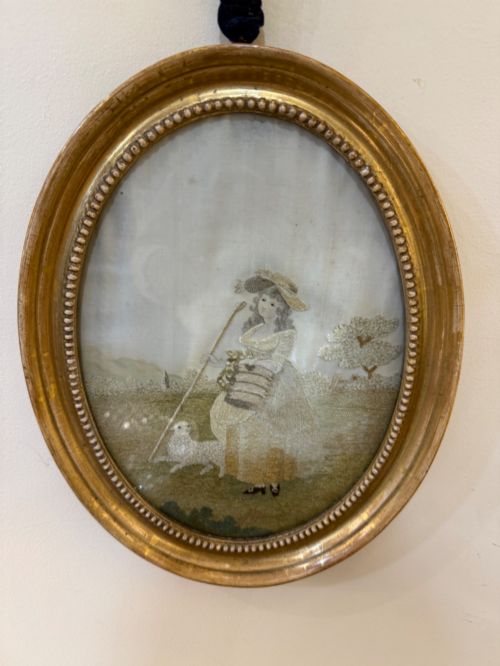
Examples range from seventeenth-century stumpwork and continental panels to eighteenth-century samplers, Victorian Berlin woolwork, and nineteenth-century suzanis. These textiles typically depict figures, animals, pastoral scenes, or geometric motifs preserved behind glass or within period frames.
Materials and construction methods
Makers utilised natural textile grounds including silk, wool, linen, cotton, and canvas, frequently working with silk floss and wool threads. Pieces often incorporate hand-painted elements combined with needlework stitches to build pictorial depth.
Framing materials recorded in the evidence include burr maple, giltwood, and faux tortoiseshell, while many Central Asian textiles function as wall hangings or dowry items without traditional western frames.
Antique Embroidery Wall Art Retail Price Guide 2026
Typical asking prices for embroidery wall art among the pieces listed under this phrase on Sellingantiques today, from the lower quarter to the upper quarter. They describe what is for sale here now, not the wider market.
Listings incorporate items spanning from the seventeenth century through the Victorian period to the twentieth century.
Distinctions in quality
Quality rests upon the fineness of the stitchwork, the complexity of the design, and the preservation of the fabric and thread colours over time. Exceptional examples display intricate detailing in figures or flora, alongside original framing or mounting that protects the textile.
The provenance of historical needlework, demonstrated through dated samplers or documented tribal origins, elevates the standing of an individual piece within the field.
The Antique Embroidery Wall Art Glossary
- Sampler
- A piece of needlework produced as a demonstration or test of skill, often featuring alphabets, numbers, and various stitch types. These exercises frequently record the maker's name and age.
- Suzani
- A type of embroidered tribal hanging originating from Tajikistan, Uzbekistan, and other Central Asian regions, typically worked in silk on a cotton or linen ground with large floral motifs.
- Stumpwork
- A raised embroidery style popular in seventeenth-century England that uses padded underlays and wire supports to create three-dimensional figures and motifs.
- Berlin Work
- A style of needlepoint popular during the nineteenth century that used charted patterns printed on grid paper, worked primarily in wool on canvas.
- Rank Badge
- An embroidered square insignia worn on the robes of Qing dynasty officials in China, denoting civil or military status through specific bird and animal motifs.
Antique Embroidery Wall Art: Frequently Asked Questions
How are antique embroidery wall art pieces mounted?
Many European examples are secured behind glass within wooden frames such as burr maple, giltwood, or faux tortoiseshell to protect the delicate textiles from dust and handling.
Larger Central Asian suzanis and tribal panels are typically hung directly from walls using textile sleeves or specialised hanging systems that distribute the weight evenly.
What periods do these embroidered works cover?
The available selection spans from the seventeenth century through the Georgian and Victorian eras up to the early twentieth century. Seventeenth-century panels and Stuart stumpwork represent the earliest works, while nineteenth-century Berlin woolwork and Central Asian suzanis from around 1900 are frequently encountered.
Sampler traditions also cross multiple centuries, often bearing specific dates stitched by young makers.
Where did these embroidered textiles originate?
The pieces originate from diverse European workshops, British domestic settings, and Central Asian tribal regions including Uzbekistan. Chinese imperial workshops and Greek traditions are also represented through rank badges and hand towel end panels.
This geographical breadth introduces distinct regional motifs, from pastoral English scenes to Central Asian tribal dowry patterns.
How do I care for antique embroidery?
Protection from direct sunlight is essential to prevent the fading of silk and wool threads. Displaying pieces away from excessive moisture and heat sources preserves the integrity of the natural fabric grounds.
Framed items benefit from sealed backing boards, while textile hangings require periodic gentle dusting.