
Vintage Swivel Chair
A vintage swivel chair brings practical seating and period character to a study, workspace or desk.
Vintage Swivel Chair
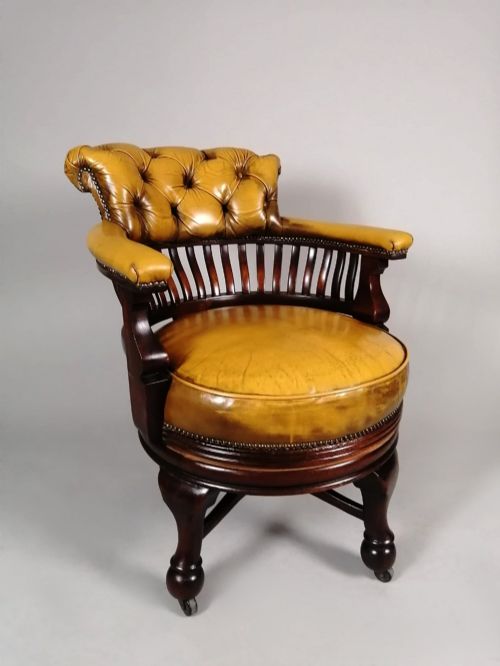
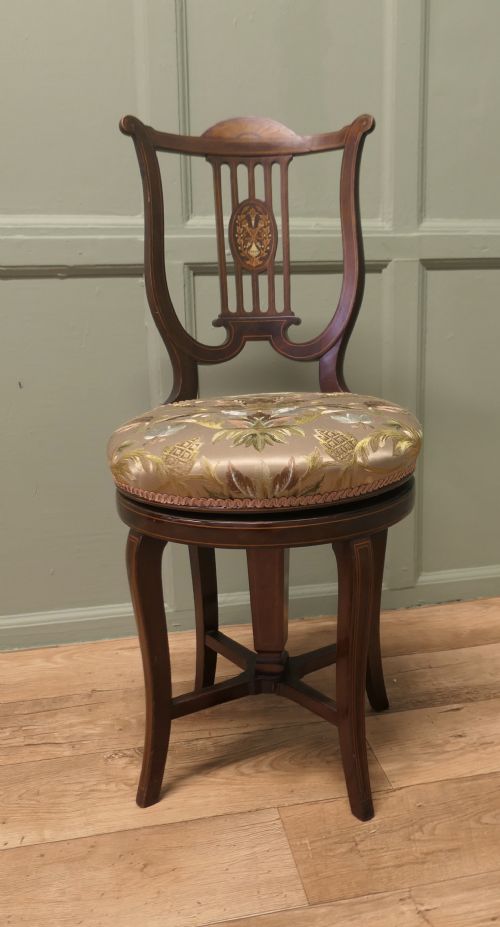
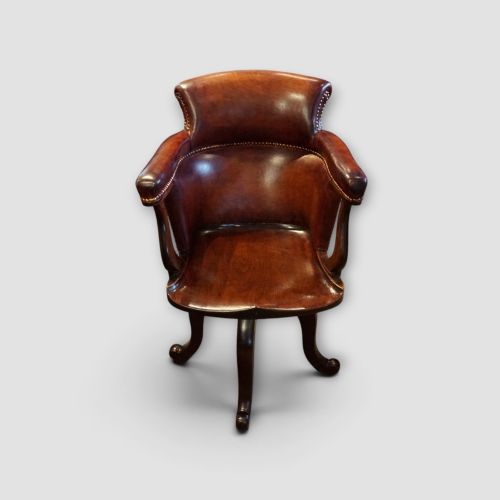
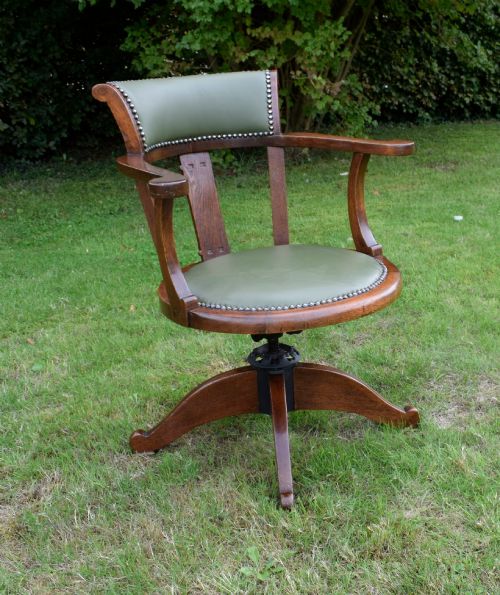
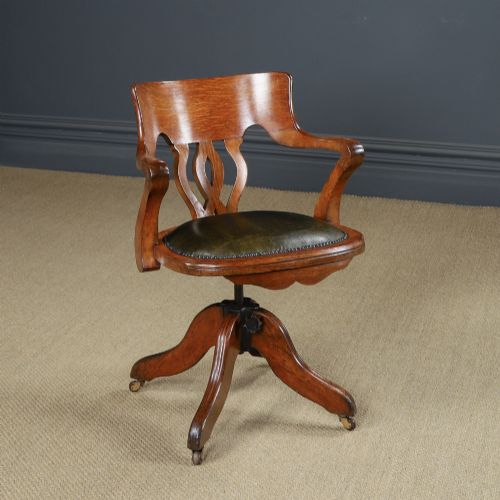
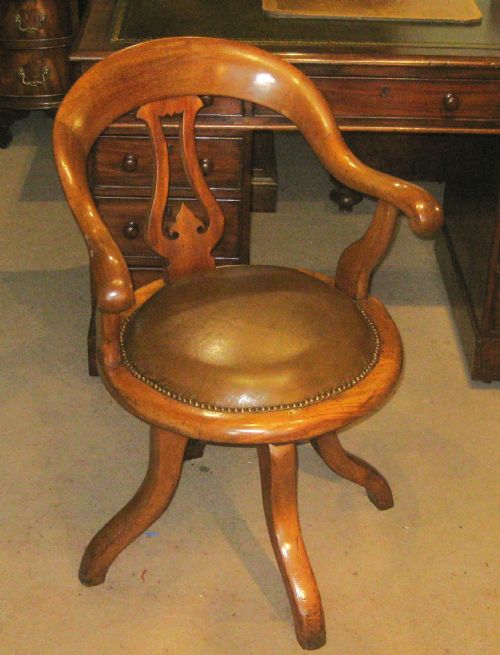
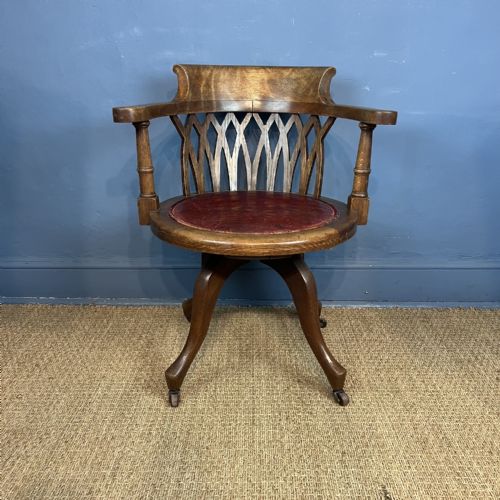
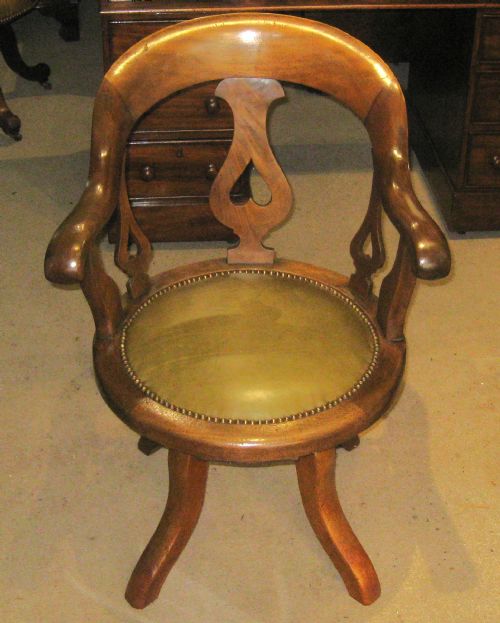
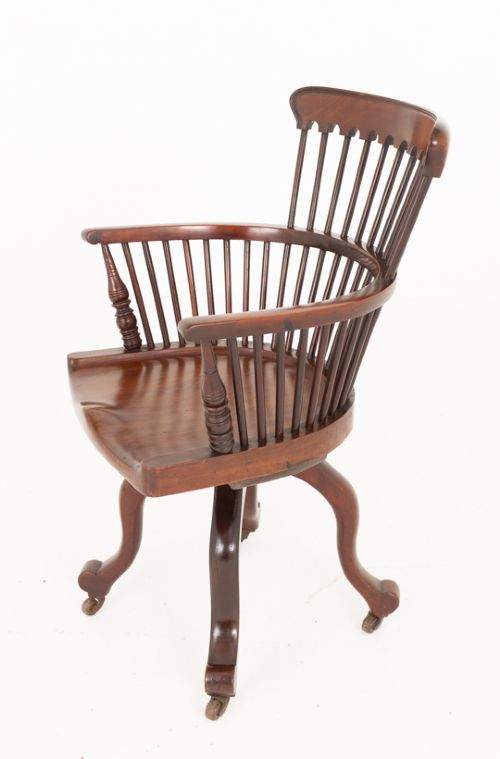
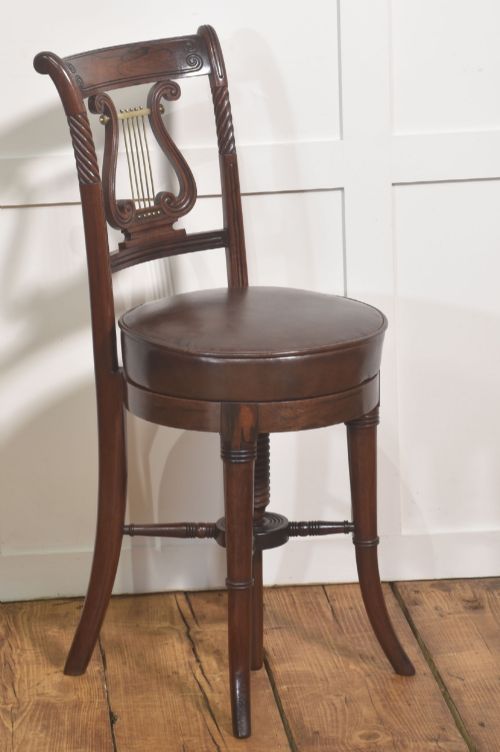
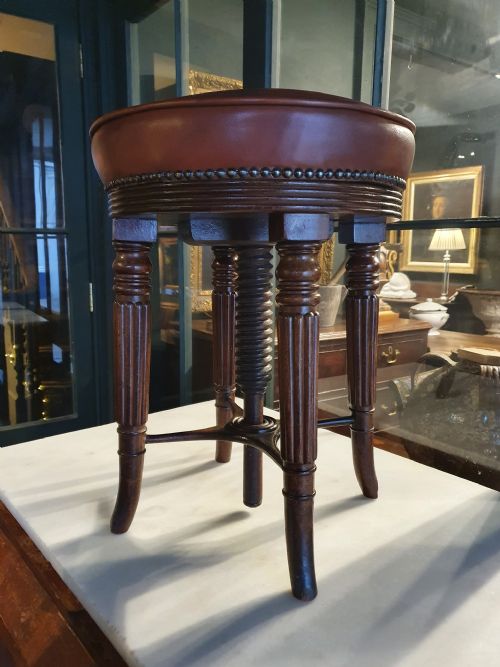
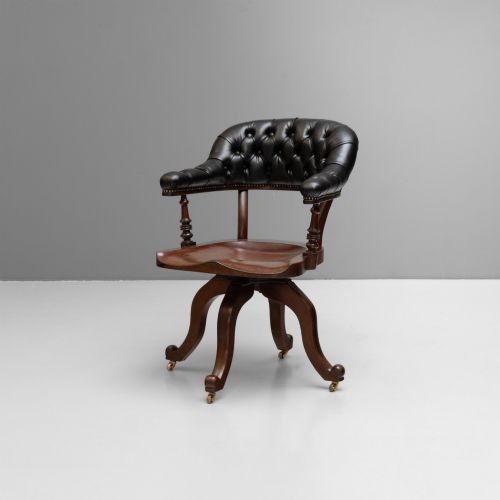
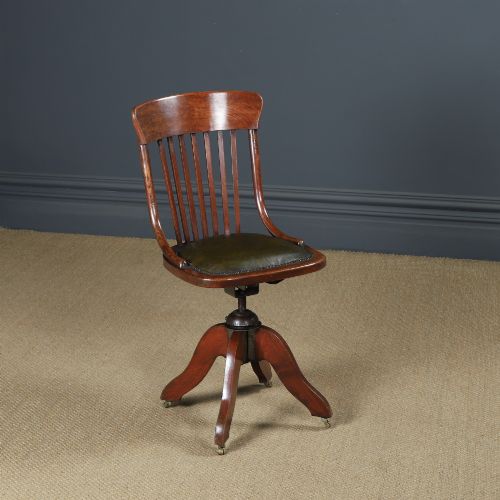
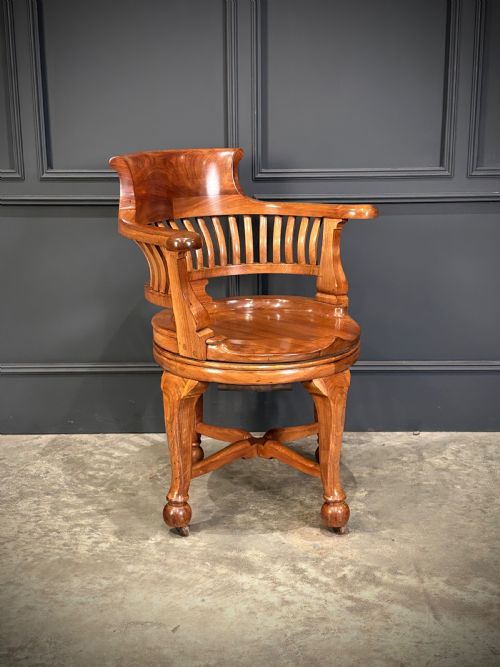
A vintage swivel chair is an adjustable seat designed for working at a desk, playing a musical instrument, or dressing, spanning eras from the nineteenth century to the early twentieth century. You will frequently encounter forms such as revolving office armchairs, desk chairs, and adjustable piano stools across the selection.
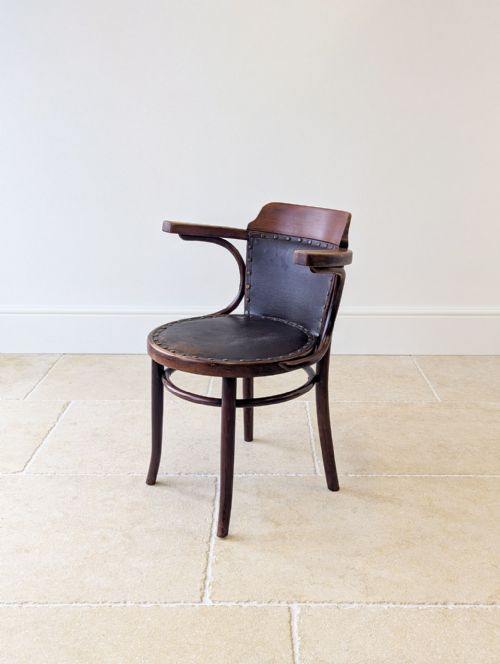
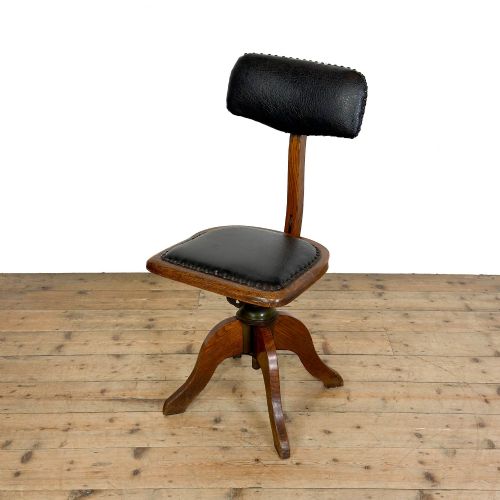
The materials and frames reflect their practical origins, combining timber structures with rotating mechanisms and upholstered seats. The selections encompass robust oak and mahogany executive styles alongside lighter beech, bentwood, and industrial metal workshop seating.
Origins range from formal domestic interiors to shipping lines and commercial offices, uniting utility with period craftsmanship. These revolving seats offer a direct link to historical working methods while retaining everyday usability.
How They Were Made
Makers utilised dense timbers such as mahogany, oak, walnut, and rosewood for structural frames, ensuring stability for pivoting mechanisms. Joinery relied on traditional methods, often incorporating bentwood techniques or robust turned supports to withstand regular movement.
Metal components, including cast iron, brass, and steel, formed the swivel actions, height-adjusting screws, and industrial bases. Seats and backs were frequently upholstered in leather or hide, secured with brass tacks over supportive padding.
Some chairs spent their working lives aboard ocean liners or playing cellos before finding their way into studies.
What Varies in Quality
The standard of a vintage swivel chair depends on the integrity of its revolving mechanism and the precision of its timber joinery. Fine examples retain smooth, original screw or spring actions without excessive play in the column.
Material selection dictates distinction, separating standard workshop items from refined domestic pieces featuring figured mahogany, rosewood, or finely carved details. The retention of original leather upholstery and maker signatures further elevates a piece's standing.
S&H Jewell·P & O·Gillows·Singer·Evertaut·Thonet
The Vintage Swivel Chair Glossary
- Revolving
- Turning around a central axis or pivot. This mechanism allows the user to rotate freely without moving the base of the chair.
- Bentwood
- Wood steamed and bent into curved shapes. This technique creates resilient, flowing frames characteristic of late nineteenth-century seating.
- Rise and fall
- An adjustable height mechanism operated by a screw thread or column. It permits the seat level to be raised or lowered to suit the user.
- Bergere
- A type of chair with enclosed cane or wicker sides. It adds lightness and texture to period wooden frames.
- Cast iron
- A hard, strong alloy poured into moulds to create heavy bases and mechanical parts. It provides the necessary weight and stability for industrial swivel seats.
Vintage Swivel Chair: Frequently Asked Questions
How do I adjust the height on these chairs?
Many vintage swivel chairs feature a central wooden or metal screw mechanism hidden beneath the seat. Turning the seat clockwise or anti-clockwise raises or lowers the height.
Other examples utilise a rise and fall spring or lever mechanism fitted beneath the iron or wooden undercarriage for quick adjustment.
Are these chairs suitable for daily computer use?
These pieces function well for modern desks, provided the seat height and dimensions suit your workspace. Their sturdy wooden frames and ergonomic curved backs offer reliable daily support.
Consider the seat depth and arm clearance to ensure the chair fits comfortably beneath a modern desk surface.
What is the difference between an office chair and a piano stool?
Office chairs generally feature supportive wooden or upholstered backrests designed for extended periods of seated work at a desk. They often include arms and a heavy revolving base.
Piano stools and music chairs are typically backless or feature low, open harpist backs, built with compact revolving seats for musicians.
How do I date a revolving desk chair?
Dating relies on timber choices, turning styles, and the complexity of the iron or brass swivel mechanism beneath. Victorian pieces often display rich mahogany or walnut with turned spindles and brass hardware.
Early twentieth-century versions frequently incorporate oak, bentwood, or industrial cast iron bases associated with commercial offices and workshops.