


Edwardian Style Desk Chair
An Edwardian style desk chair offers working comfort built from mahogany, leather and classical revival forms.
Edwardian Style Desk Chair
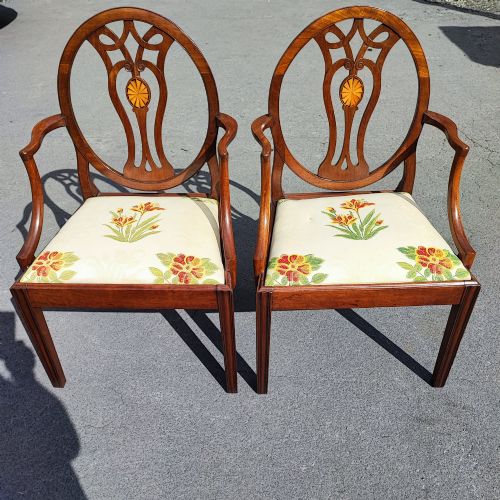
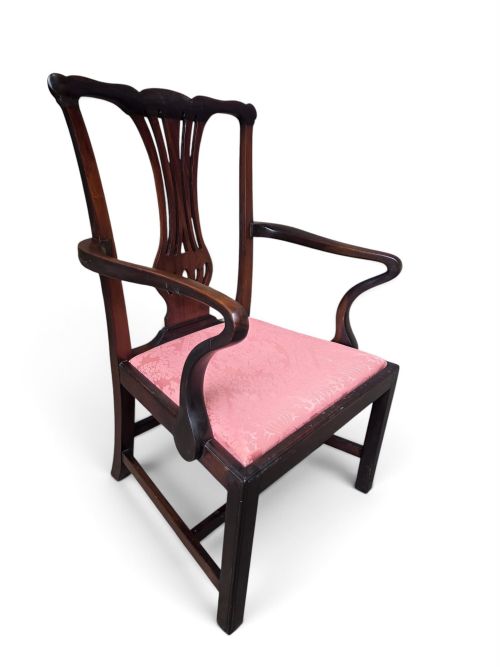
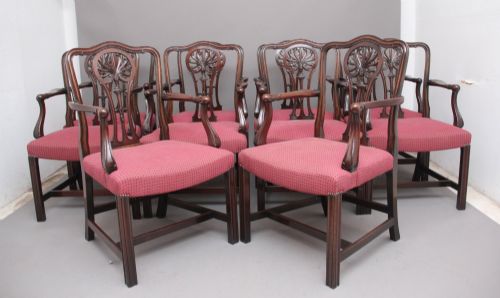
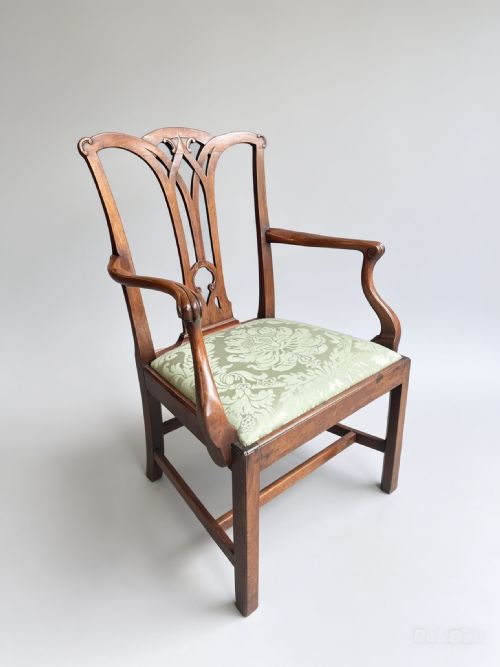
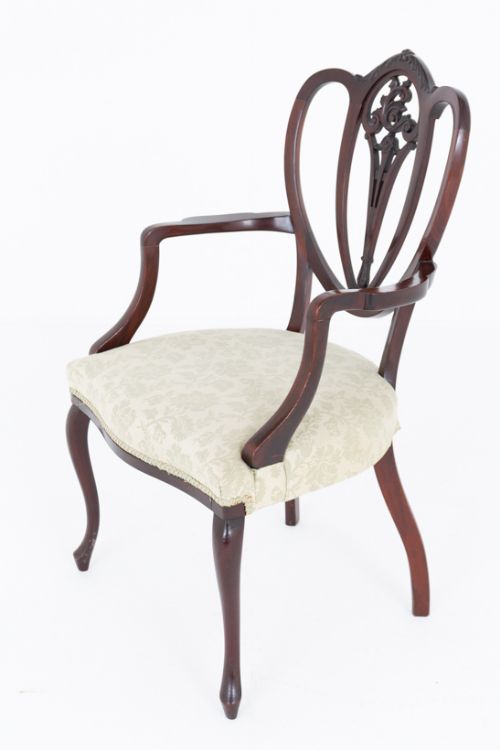
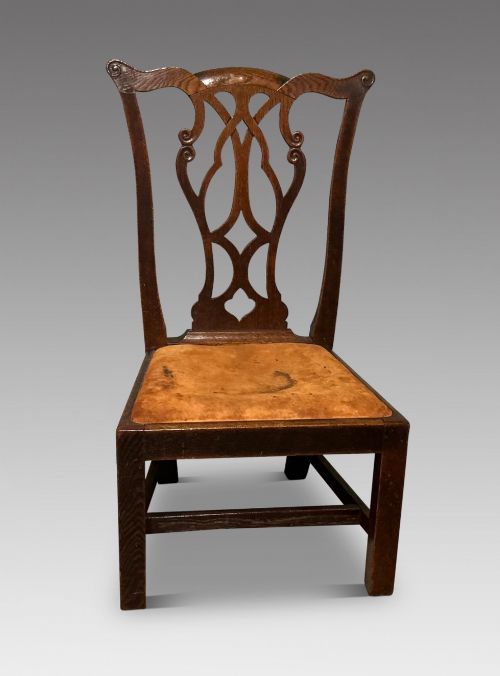
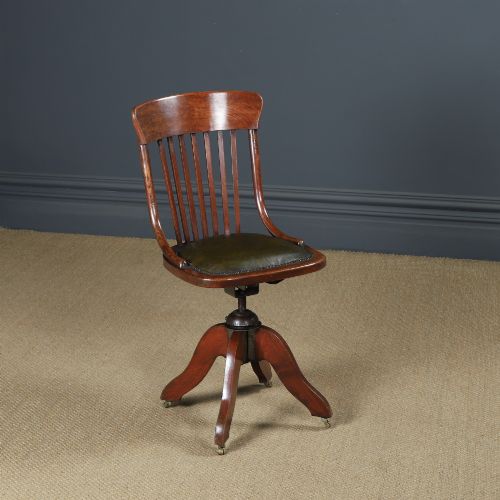
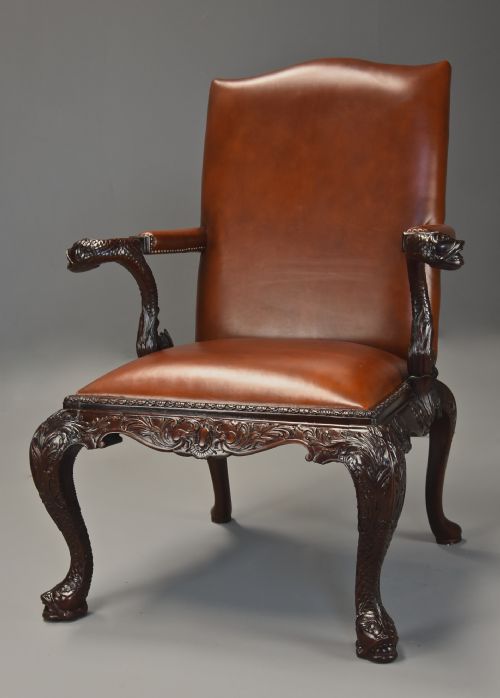
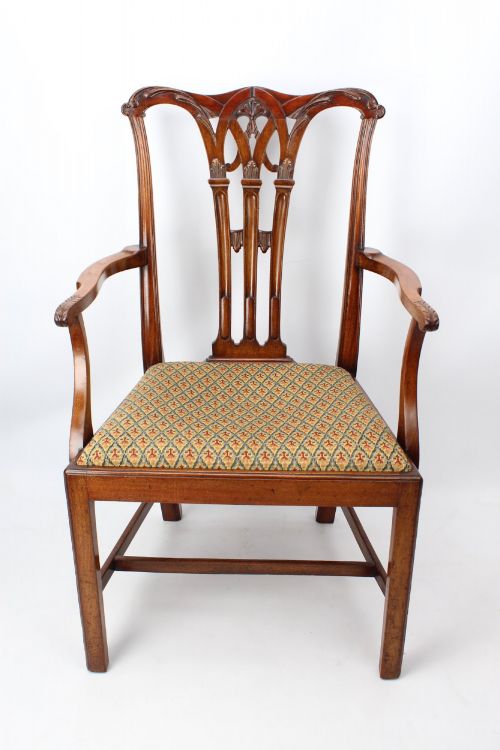
When you search for an edwardian style desk chair, you find seating designed for studies, libraries and offices, drawing heavily on earlier Georgian, Chippendale and Sheraton revivals. The versions you meet most frequently on this page combine mahogany frames with upholstered leather or fabric seats, often adopting swivel, tub or elbow configurations suited to a desk.
The selection spans origins from the Edwardian period itself alongside later 20th-century revivals and earlier 19th-century interpretations. Makers and manufacturers adapted classical proportions to suit the practical demands of writing tables and bureau desks, producing armchairs and elbow chairs that balanced formal aesthetics with everyday utility.
How they were made
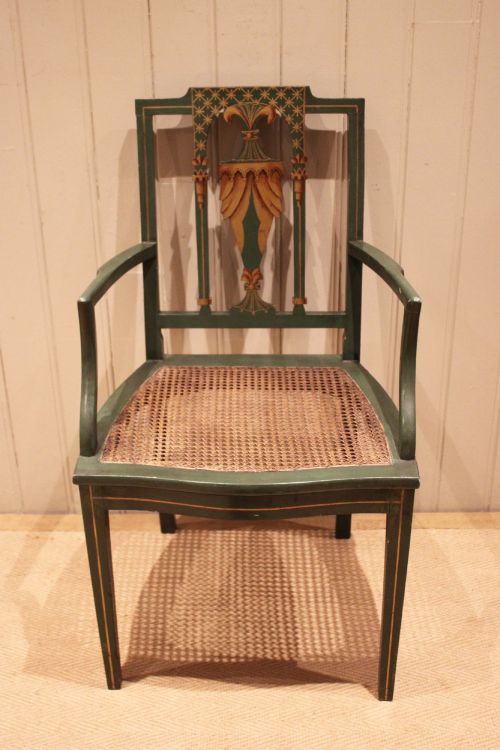
Makers utilised solid timbers like mahogany, oak, beech and satinwood, frequently employing inlay, painted decoration or blind carving to echo 18th-century cabinetmaking traditions. Frames were joined using traditional mortise and tenon construction to ensure the structural rigidity required for daily office use.
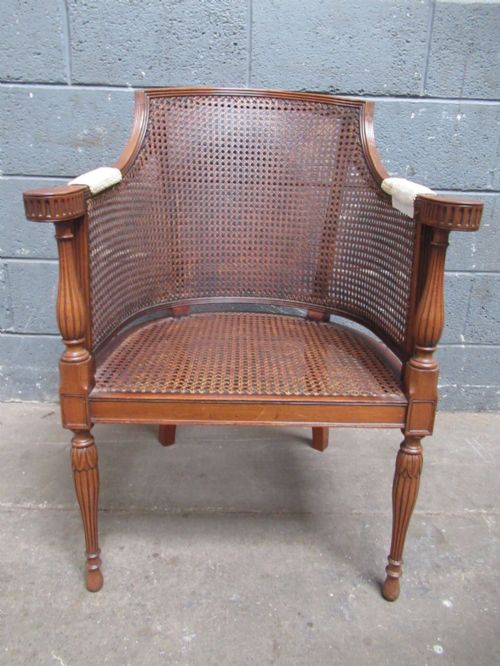
Upholstery materials such as leather, fabric, velvet and cane were integrated into seats, backs and tub structures. Swivel mechanisms, brass fittings and rise-and-fall adjustments appeared on specialised desk chairs, combining traditional woodwork with mechanical innovation.
Edwardian Style Desk Chair Retail Price Guide 2026
Typical asking prices for edwardian style desk chair among the pieces listed under this phrase on Sellingantiques today, from the lower quarter to the upper quarter. They describe what is for sale here now, not the wider market.
Listings feature mahogany, oak, fruitwood, beech and satinwood, combined with leather, fabric, velvet, brass and iron.
What varies in quality
The distinction between ordinary and superior pieces rests on the crispness of the carving, the selection of figured timber, and the integrity of the original joints. Chairs featuring detailed satinwood inlay, hand-dyed hide leather or complex swivel mechanisms demonstrate a higher grade of craftsmanship.
Proportion and execution define the better examples, where revival styles closely follow classical precedents rather than taking shortcuts in timber thickness or decorative restraint. The quality of the secondary woods and the neatness of the upholstery work further separate standard utility seating from fine library armchairs.
Charles Tozer·Alfred Allen of Birmingham
The Edwardian Style Desk Chair Glossary
- Gainsborough armchair
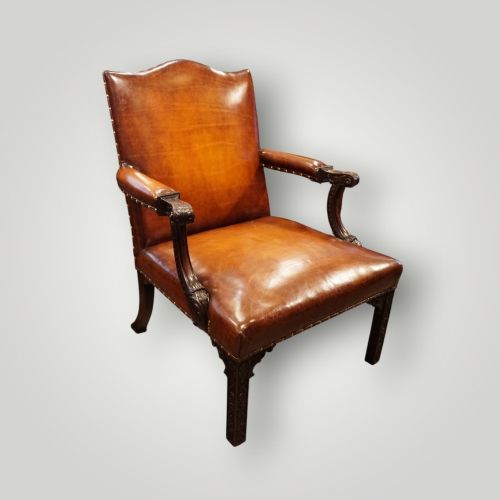
- A wide, open armchair with a padded back, upholstered arms and short legs, designed for writing tables. These chairs appeared during the Georgian era and were revived later.
- Elbow chair
- A term for an armchair with shorter arms that fit neatly under a desk or dining table. They frequently appear in mahogany or oak.
- Caned
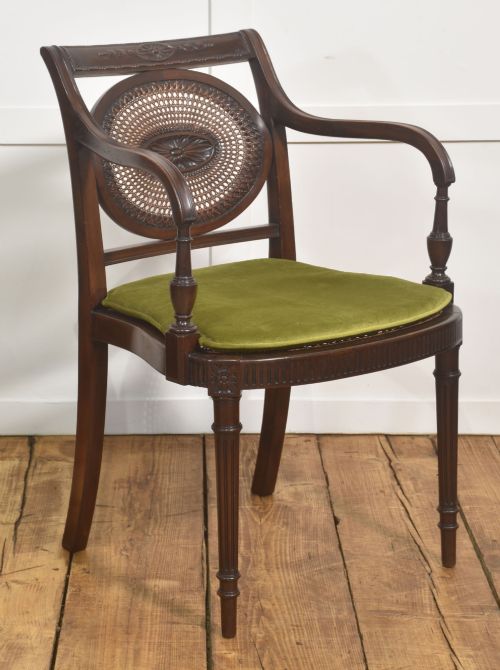
- Woven rattan or cane panels used for chair seats and tub backs. This technique lightened the visual weight of the furniture.
- Sheraton Revival
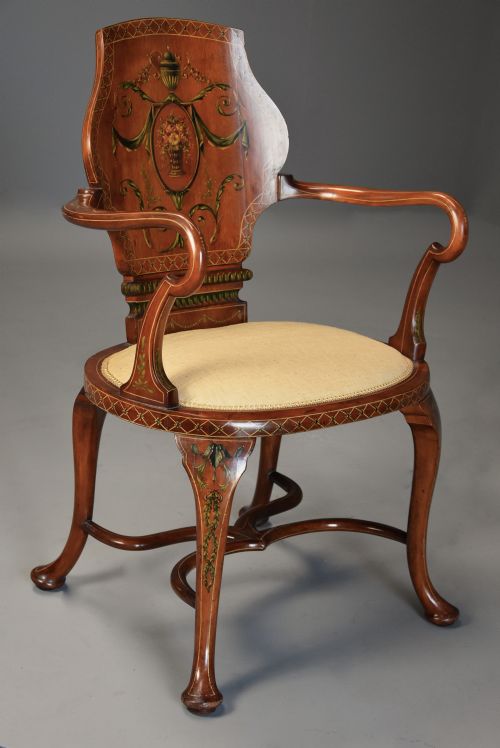
- A neoclassical style drawing on the delicate, symmetrical designs of Thomas Sheraton. It often includes satinwood, painted details and tapered legs.
Edwardian Style Desk Chair: Frequently Asked Questions
What is an edwardian style desk chair?
An edwardian style desk chair is a piece of seating furniture designed for a study or office, typically constructed from mahogany or oak with leather, fabric or cane upholstery. These chairs often draw on earlier Georgian and Sheraton revival designs.
They provide comfortable seating at a writing desk or bureau, combining period aesthetics with functional workspace utility.
How were swivel desk chairs made then?
Swivel desk chairs utilised timber frames, frequently in beech, oak or mahogany, mounted onto mechanical iron and brass revolving bases. These allowed the user to turn easily while seated at a library table or office desk.
Many included adjustable height mechanisms, combining traditional cabinetmaking with early industrial hardware.
Are these chairs suitable for daily use?
Most of these chairs were built for regular work in studies and offices using durable hardwoods like mahogany and oak. Their sturdy mortise and tenon construction allows them to withstand daily sitting.
Pairing a sturdy swivel or elbow chair with a modern desk brings period character into a contemporary workspace without sacrificing support.
How do I spot a revival chair?
Revival chairs copy earlier Georgian, Regency or Chippendale forms but are constructed using manufacturing methods and timber cuts typical of the late 19th and early 20th centuries. Examining the secondary woods, screw types and wear patterns helps indicate the actual era of manufacture.
Stylistic cues like painted satinwood or specific revival proportions often point to Edwardian reinterpretations rather than 18th-century originals.