

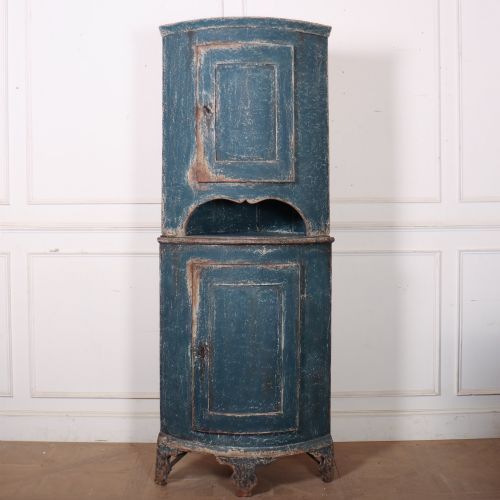
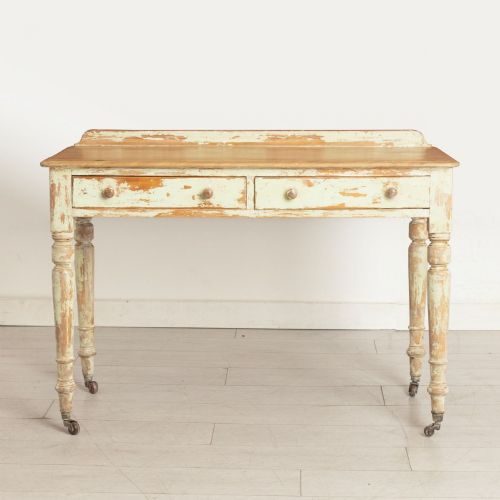
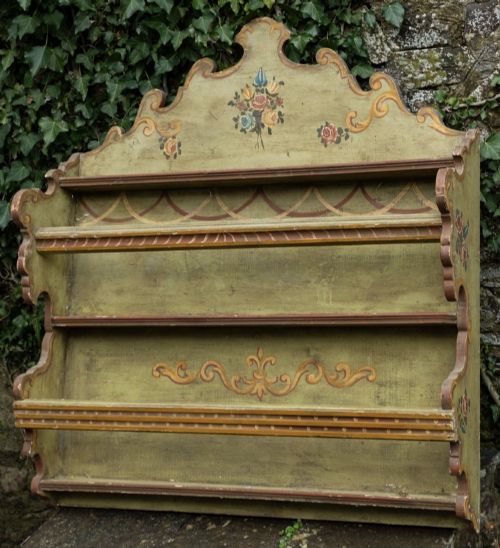
Vintage Swedish Furniture
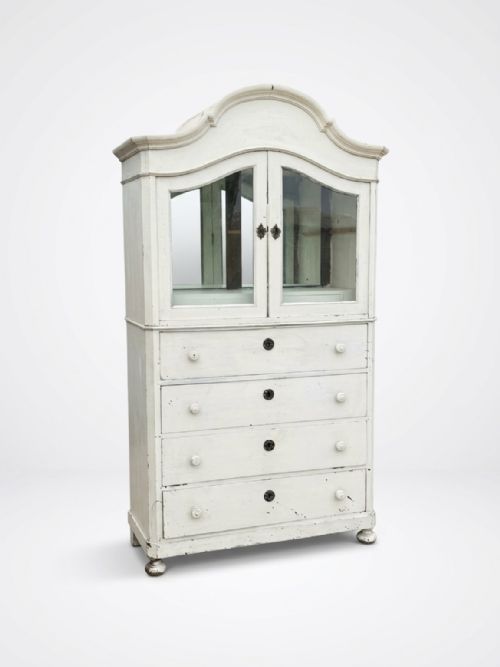
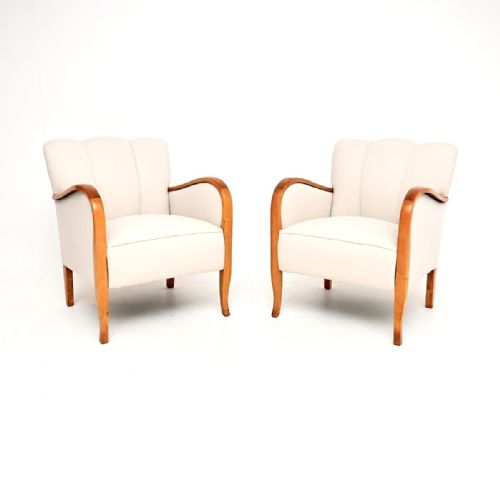
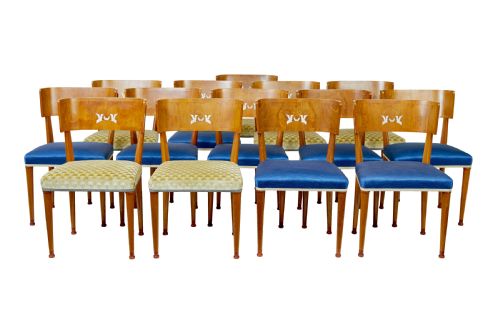
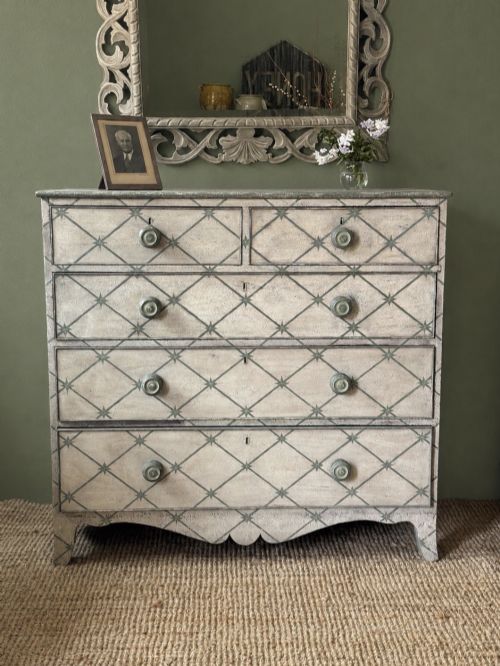
Vintage Swedish furniture brings warmth and distinct craftsmanship into a room, spanning rustic painted pine and polished satin birch.
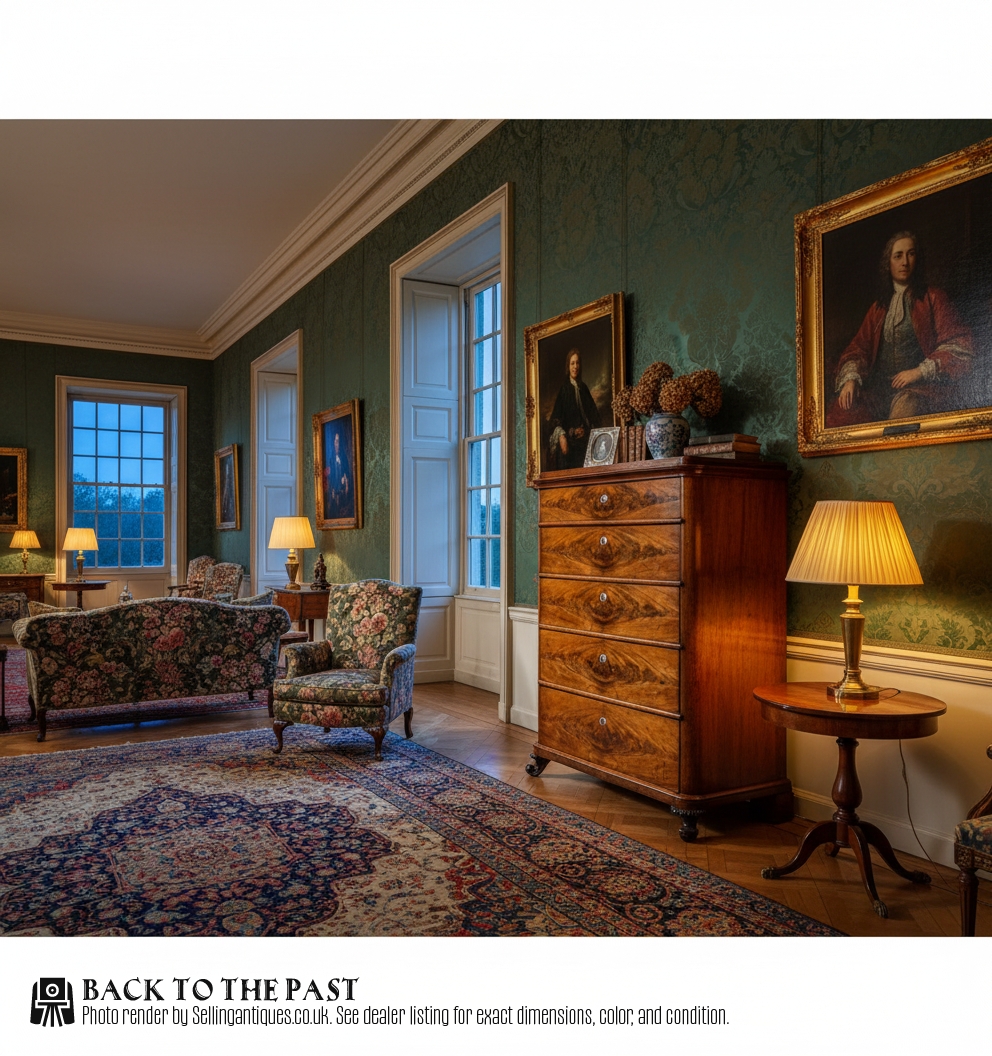
Vintage Swedish Furniture
Vintage Swedish furniture encompasses practical domestic pieces ranging from 18th century country cupboards to 1930s art deco cabinets, chairs and tables. Buyers searching this phrase encounter a rich mix of regional aesthetics that suit both traditional and modern interiors.
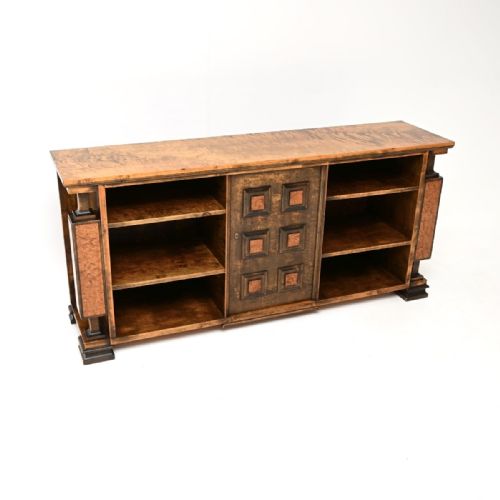
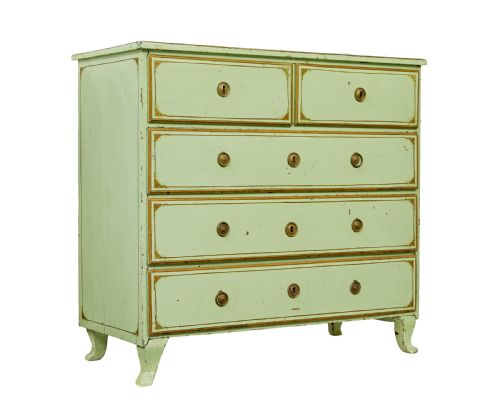
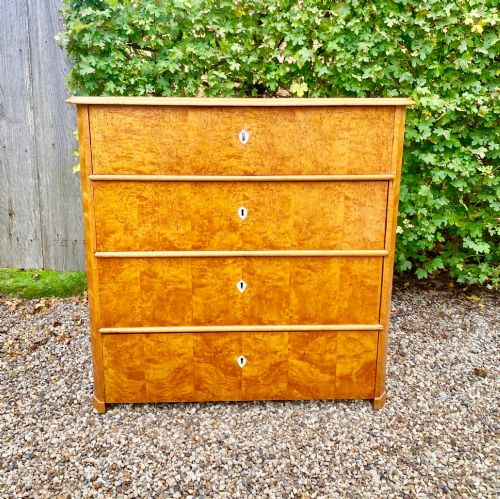
The selection on this page leans heavily into storage and seating, with chests of drawers, armchairs and cabinets appearing alongside dining and bedside tables. Painted pine surfaces and blonde timbers like birch and elm dominate the available forms.
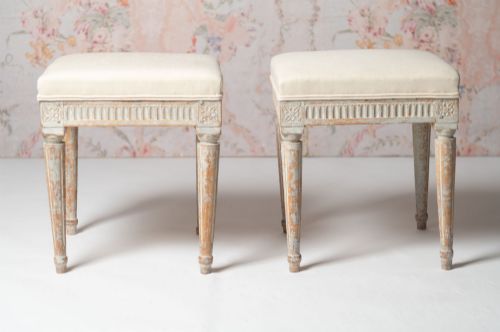
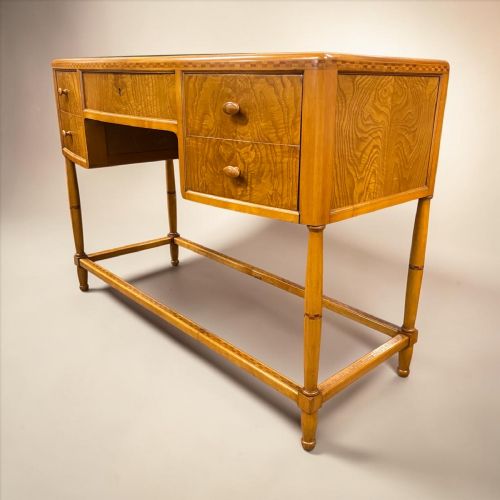
Pieces stretch across multiple eras, touching upon Victorian, Edwardian, Gustavian and Art Deco styles. This diversity allows collectors to source everything from a rustic kitchen table to a sophisticated satin birch pedestal desk.
Materials and construction methods
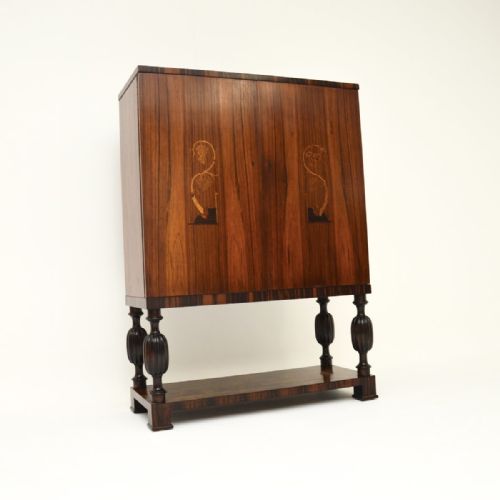
Makers utilised native Scandinavian timbers such as birch, satin birch, elm and pine, often enhancing grain patterns with walnut or rosewood veneers during the art deco period. Solid timber construction underpins the structural integrity of these tables, desks and cupboards.
Painted finishes play a defining role, utilising traditional treatments like Falu red or layered hand-mixed pigments on pine furniture. Hardware relies on simple brass and iron fixtures that complement the clean lines of neoclassical and rustic designs.
The listings feature diverse timber varieties, prominently showcasing pine, birch, elm, satin birch and mahogany across multiple centuries.
Evaluating quality and finish
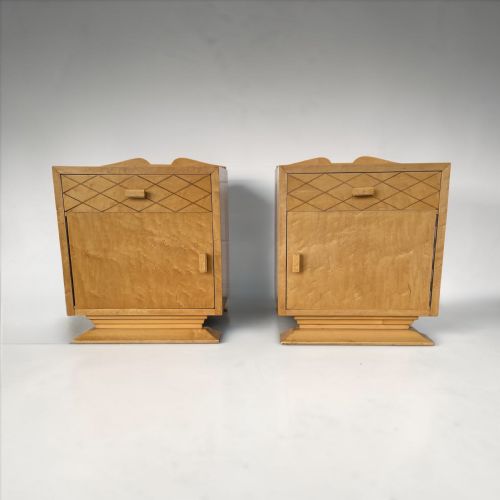
The distinction between tiers rests upon the preservation of original surfaces, whether that involves untouched Falu paint on a rustic bench or precise inlay work on a satin birch commode. Pieces retaining their authentic patination command greater interest than those stripped down or heavily restored.
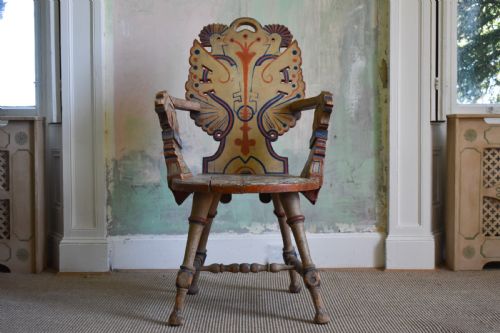
Construction subtleties separate standard domestic items from finer examples, such as the handling of fluted drawer fronts, serpentine curves and hand-painted decorative motifs. The integration of high-grade timbers like flame birch and burr elm elevates the visual weight of desks and cabinets.
Gemla Fabrikers
The Vintage Swedish Furniture Glossary
- Gustavian
- The Swedish neoclassical style spanning the late 18th century, known for restrained symmetry and pale painted finishes. It draws inspiration from French Louis XVI design adapted to Nordic tastes.
- Slagbord
- A traditional Scandinavian dropleaf dining table supported by swinging gate legs. These tables offer versatile space-saving surfaces in rustic interiors.
- Satin birch
- A bright, figured timber utilised extensively in 19th-century and art deco Scandinavian cabinet making. Its lustrous grain takes a high polish.
- Falu paint
- A traditional deep red matte paint derived from copper mine waste in Dalarna, Sweden. It provides durable protection for pine furniture and architecture.
Vintage Swedish Furniture: Frequently Asked Questions
How do I clean painted Swedish pine?
Dust surfaces regularly with a soft, dry cloth to prevent dirt accumulation on the painted finish. Avoid harsh chemical cleaners that strip historical pigments.
For stubborn marks, use a damp cloth with mild soap and dry the wood immediately. Preserving the original paint layer maintains the character of the piece.
What is Swedish Grace?
Swedish Grace is a distinct architectural and design movement bridging neoclassical restraint and early modernist functionalism. It flourished during the 1920s before giving way to streamlined art deco.
Pieces from this period balance classical proportions with subtle geometric ornamentation. Walnut and birch woods frequently appear in these refined forms.
Where were these pieces made?
Items originate from workshops across Sweden, spanning rural farming communities and urban cabinet-making centres. Regional carpenters built functional domestic wares tailored to local spatial needs.
Styles range from folk art traditions in the countryside to sophisticated neoclassical interpretations in larger towns. This geographic spread creates the variety seen in modern collections.
How do I identify birch furniture?
Birch displays a pale, creamy hue with subtle grain patterns that vary from straight to wavy flames. Craftsmen frequently polished or lacquered the timber to accentuate its natural blonde tone.
Burr and satin variations exhibit distinctive swirling figures prized by art deco designers. These light woods help brighten interior spaces.