



Solid Elm Seating
Solid elm seating brings tangible character into a room through honest timbers and vernacular regional forms.
Solid Elm Seating
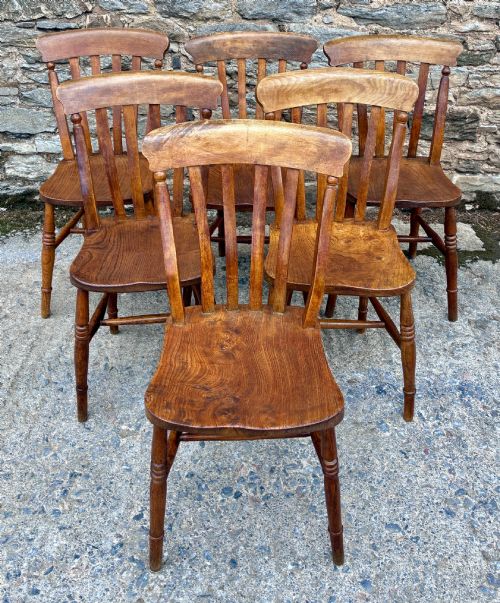
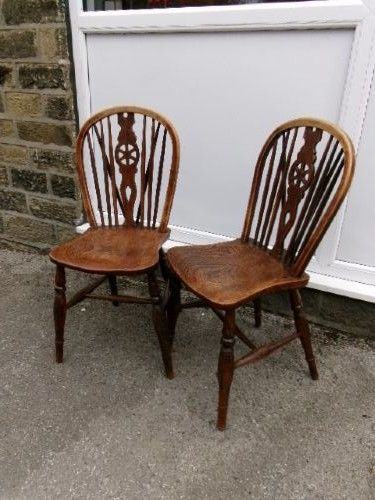
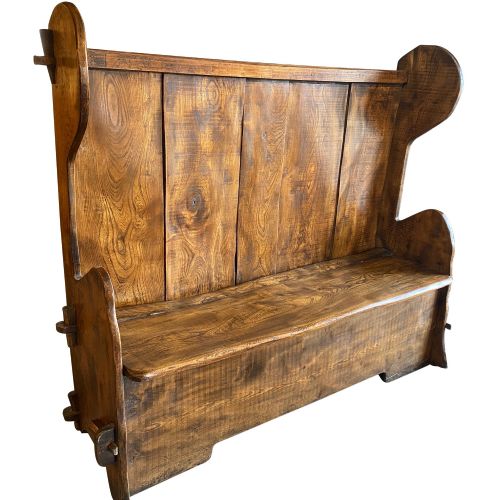
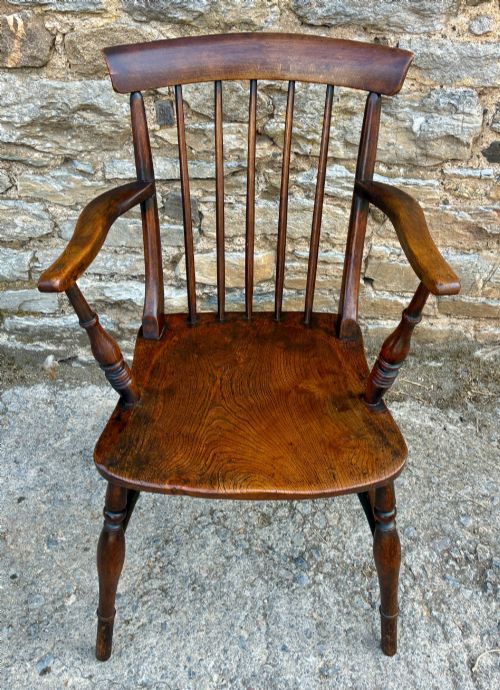
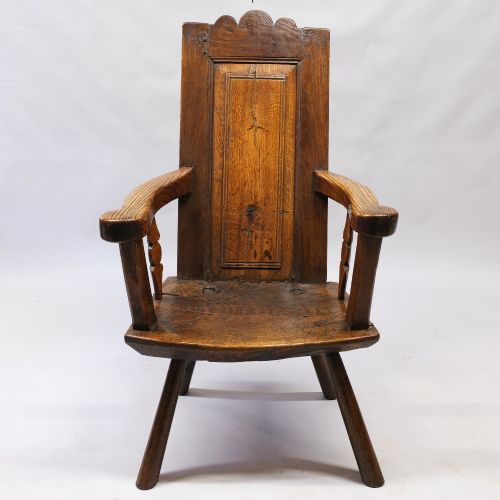
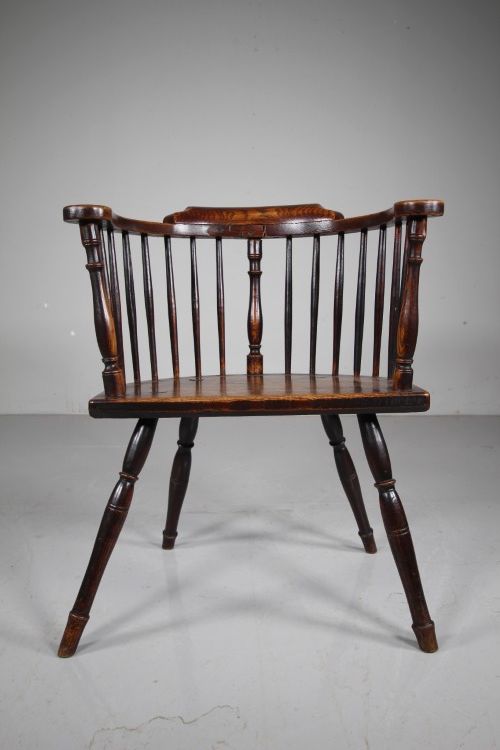
Solid elm seating encompasses robust vernacular chairs, settles, benches, and stools designed for daily utility in country houses and farmhouses. You will frequently encounter Windsor chairs, smokers' bows, and kitchen armchairs spanning the eighteenth and nineteenth centuries.
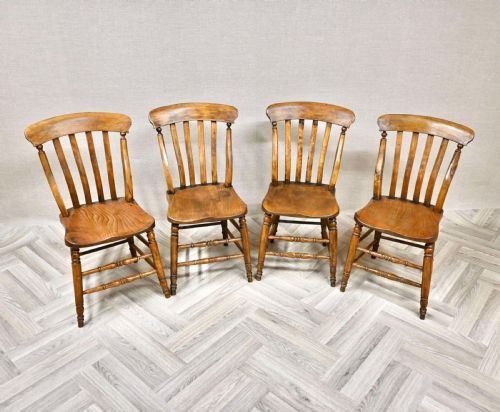
The material expression ranges from Georgian country house armchairs to Victorian lathe-back and wheelback dining sets. Makers of these pieces relied on durable native hardwoods to construct seating that withstands generations of use.
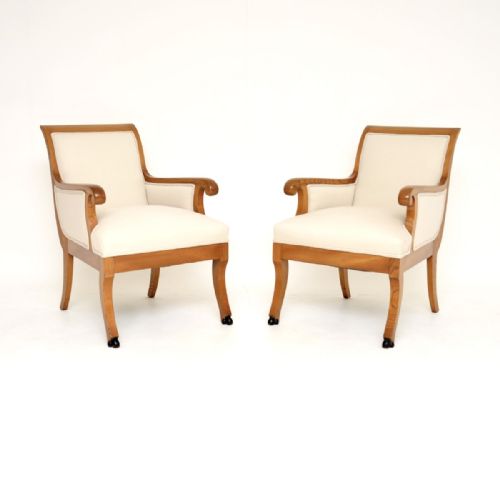
Regional variations appear across English country styles, alongside occasional continental examples like Swedish Neoclassical armchairs or French benches. Single chairs, matched sets, and pairs dominate the current selection.
Judging Quality and Character
Quality rests in the articulation of the turnings, the depth of the saddle shaping in the seat plank, and the integrity of the wedged joints. A heavier moulding profile on a broad arm or a well-figured elm seat distinguishes superior workshop production from basic utility seating.
Surface patination and the preservation of original timber tones separate pieces that retain their honest historical character from those altered by over-restoration. The balance between supportive structural framing and unaltered timber surfaces dictates the standing of each piece.
Current listings feature solid elm seating spanning the eighteenth century through the early twentieth century, incorporating beech, ash, and oak.
The Solid Elm Seating Glossary
- Windsor chair
- A wooden chair built with a thick solid seat slab into which the legs and back sticks are independently inserted. This form relies on a stout hoop or comb for back support.
- Smokers bow
- A low-backed armchair featuring a rounded, continuous steam-bent rail supported by turned spindles above the seat. These chairs often served as captain or office seating in domestic settings.
- Lathe back
- A chair back constructed with flat, vertical slats shaped on a lathe rather than round cylindrical spindles. This style is frequently found on nineteenth-century kitchen dining sets.
- Settle
- A high-backed wooden bench with solid arms and a storage box compartment beneath the seat. They were positioned near hearths to block draughts in period interiors.
- Vernacular
- Furniture designed and built by regional craftsmen following local traditions rather than strict academic architectural orders. These pieces prioritise practical utility and available native materials.
Solid Elm Seating: Frequently Asked Questions
How do I care for solid elm furniture?
Maintain stable room humidity levels to prevent the elm timber from drying out or splitting.
Apply a microcrystalline wax periodically to nourish the surface and preserve the historic patination without sealing the wood.
Can I mix different styles of elm chairs at a dining table?
Combining mismatched country chairs, such as stick-backs and wheelbacks, creates a traditional layered interior aesthetic.
Ensure the seat heights remain consistent to maintain comfort around the dining table.
How do I identify eighteenth-century elm seating?
Examine the construction methods for hand-cut joinery, pegged tenons, and signs of early tool marks on the underside of the seat.
Eighteenth-century examples often display deep surface wear patterns and richer patination developed over centuries of domestic use.