
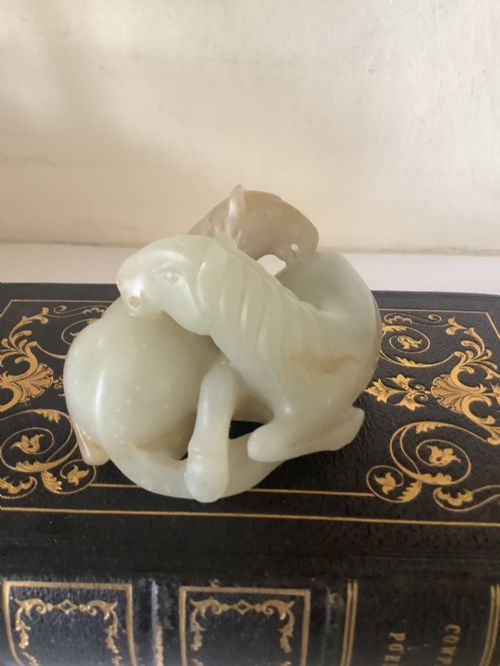
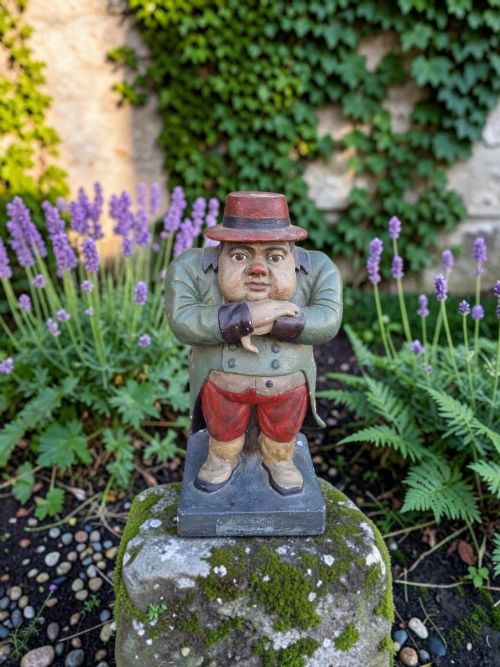
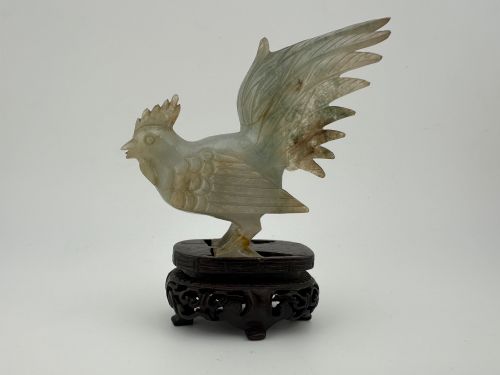
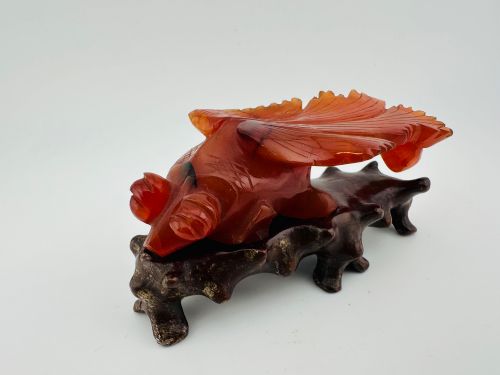

Vintage Stone Figure
A vintage stone figure brings the garden or study indoors and out, uniting classical form with the weight of history.
Vintage Stone Figure
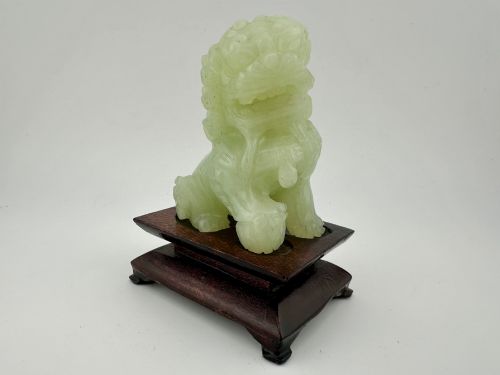
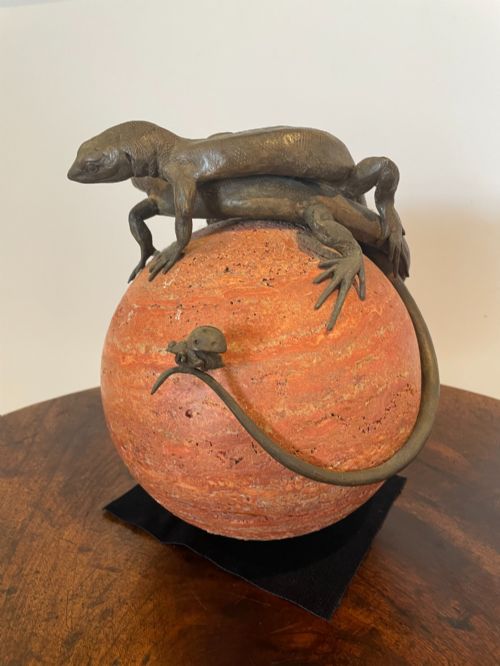
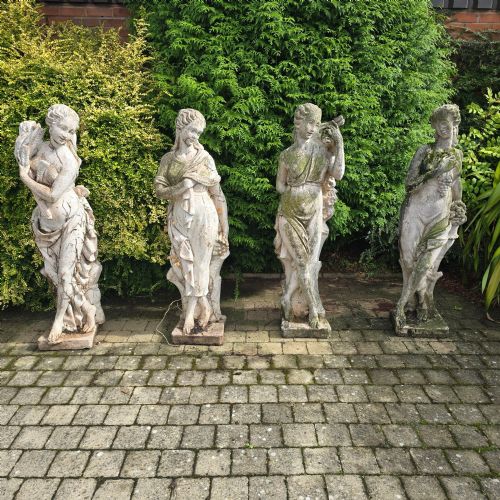
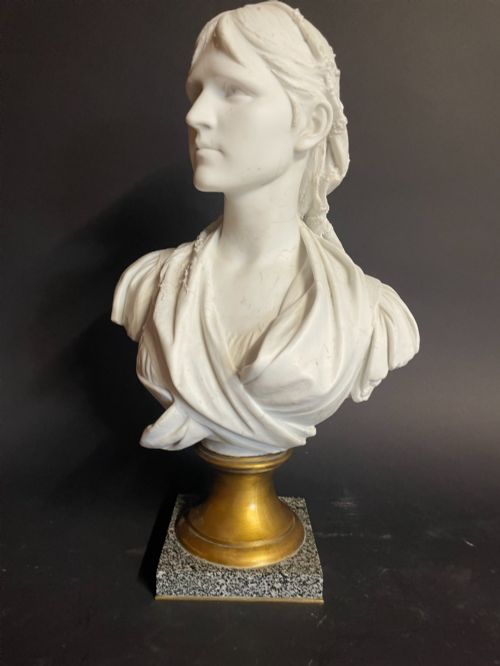
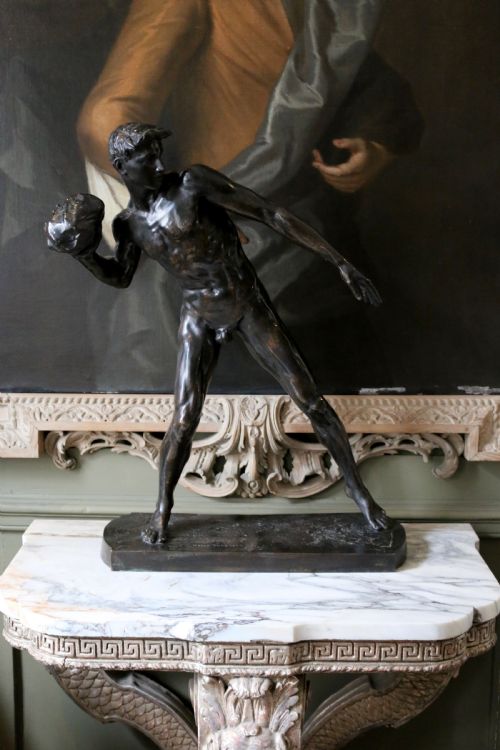
A vintage stone figure encompasses garden statues, library busts, and architectural ornaments carved or cast in durable materials. These pieces range from garden figures of the four seasons and cherubs to interior library busts of literary figures and classical deities.
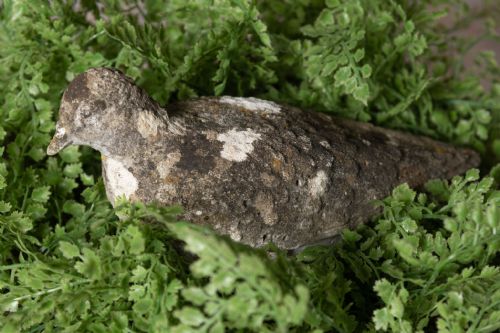
The selections span the nineteenth century through the mid-twentieth century, capturing revivals from neoclassical grandeur to art deco stylisation. Buyers encounter everything from life-sized garden statuary to small scale alabaster bookends and carved animals.
Origin points reflect European workshops, particularly Italian studios producing grand tour souvenirs, alongside British garden ornaments and French interior sculptures. Each piece reflects the sculptural tastes of its decade, whether intended for a conservatory or a domestic mantelpiece.
How they were made
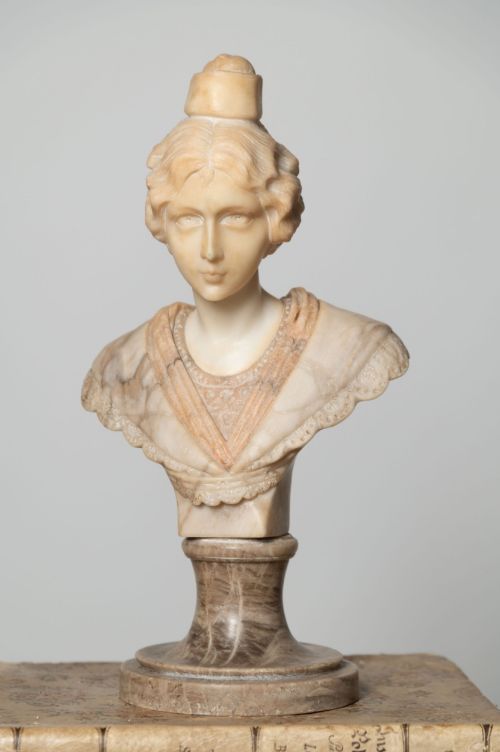
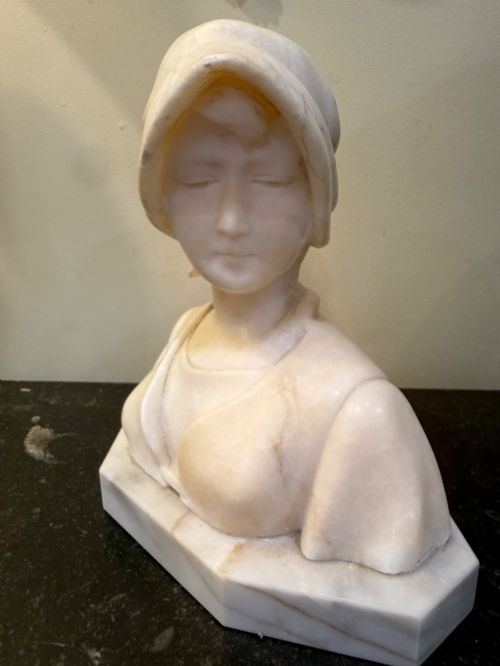
Carvers shaped natural stones such as marble, alabaster, and soapstone using chisels and abrasive powders to achieve smooth contours and fine drapery. These materials required skilled handwork to bring out the translucency of alabaster or the crisp grain of marble.
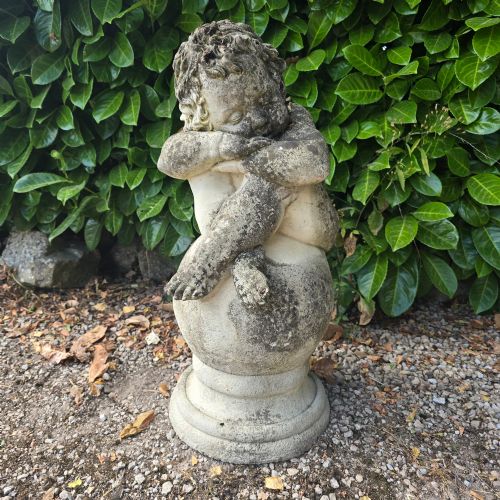
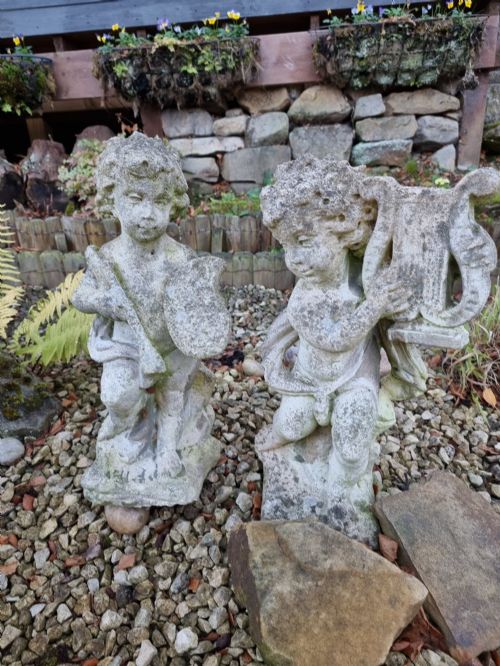
Moulders utilised cast stone and reconstituted stone for garden ornaments, pouring aggregates and cements into durable moulds to replicate carved stone details efficiently. This technique allowed workshops to produce matching pairs of lions, cherubs, and garden figures for nineteenth and twentieth-century landscaping.
Listings feature nineteenth and twentieth-century pieces in materials ranging from natural marble and soapstone to cast stone.
What varies in quality
The definition of the carving separates standard commercial production from superior sculptural work, particularly in the rendering of facial expressions, hair, and fabric folds. Master carvers achieved depth and naturalism that mechanical reproduction misses.
Material selection dictates longevity and visual resonance, with high grade carrara marble or translucent alabaster holding finer detail than coarse reconstituted stone. Weathering also plays a role, as outdoor garden figures acquire a natural patina over decades that enhances their surface character.
Hamo Thornycroft·Florence Adelina Hess·A. Gamay
The Vintage Stone Figure Glossary
- Alabaster
- A soft stone prized for its translucency and smooth finish, frequently utilised for nineteenth-century portrait busts and cabinet sculptures. It scratches easily and suits indoor display.
- Reconstituted stone
- A durable composite material made from crushed stone and binders, cast in moulds to create garden statues and architectural ornaments. It withstands outdoor weathering across decades.
- Grand tour
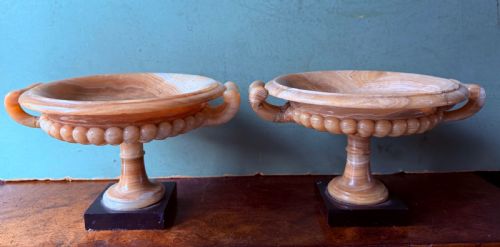
- A nineteenth-century tradition of acquiring souvenirs abroad, yielding small scale carved alabaster tazze and classical figures after the antique. These objects served as evidence of refined education.
- Carrara marble
- A high quality white or blue-grey marble quarried in Italy, favored by sculptors for library busts and classical figures. Its uniform grain allows for precise detail.
- Neoclassical
- A style reviving classical Greek and Roman forms, dominant in nineteenth-century sculptures and garden ornaments. It emphasises proportion, restraint, and mythological subjects.
Vintage Stone Figure: Frequently Asked Questions
How do I care for alabaster figures?
Keep alabaster sculptures indoors away from damp conditions and direct sunlight. Dust them gently with a dry, soft cloth without using water or cleaning agents.
Because alabaster is a softer stone, it scratches and absorbs moisture easily. Proper placement protects the surface texture and prevents permanent staining.
Can garden statues stay outside in winter?
Cast stone and reconstituted stone garden figures generally withstand outdoor conditions, but severe frost can crack vulnerable extremities. Lifting statues onto paving slabs keeps them away from standing winter moisture.
Covering delicate pieces or moving them into a greenhouse or shed during freezing weather extends their lifespan significantly.
What is the difference between marble and alabaster?
Marble is a hard, crystalline metamorphic rock that resists scratching and suits both indoor and outdoor placement. Alabaster is a softer sulphate mineral with a waxy translucency that dissolves in water.
Library busts and architectural carvings utilise marble for durability, while indoor portrait heads often employ alabaster for its delicate light-gathering qualities.
How do I date a stone figure?
Examine the material composition, tooling marks, and stylistic revival cues such as art deco geometric lines or Victorian neoclassical drapery. Patina and weathering also offer clues to age, especially on garden ornaments.
Signatures, foundry marks, or inscriptions on the base help narrow down the decade of production and the originating workshop.