
Vintage Standing Dressing Mirror
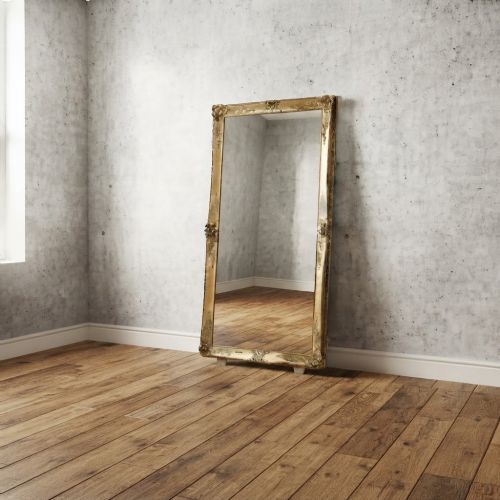
When you search for a vintage standing dressing mirror, you are looking at floor-standing and tabletop glass designed to reflect the full figure.
Vintage Standing Dressing Mirror
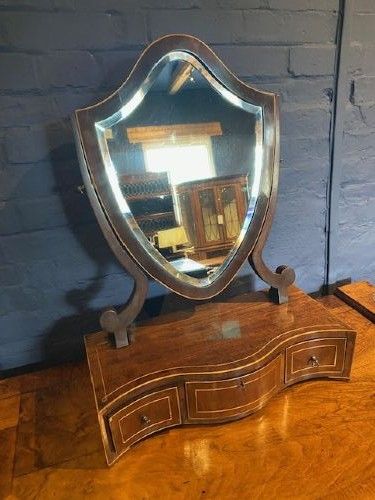
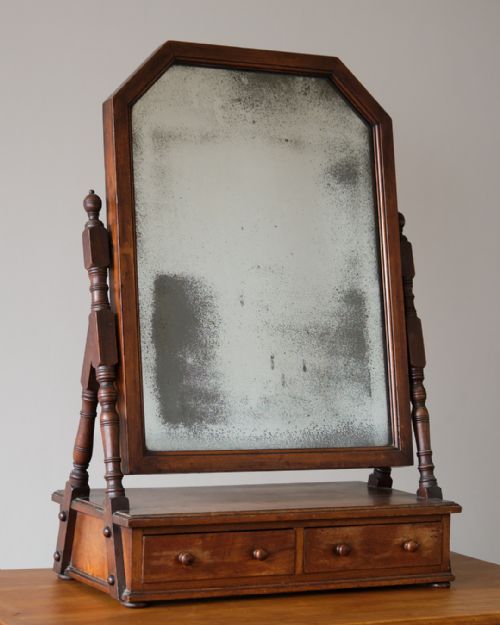
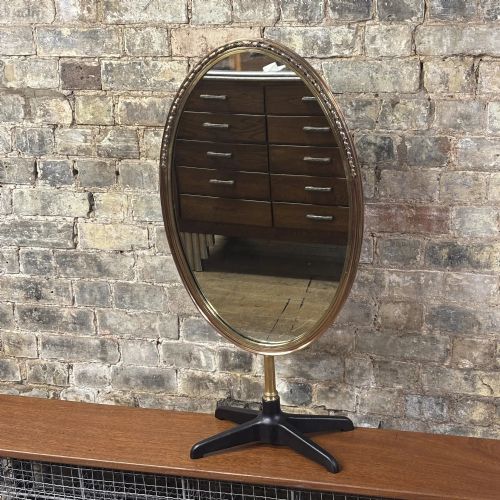
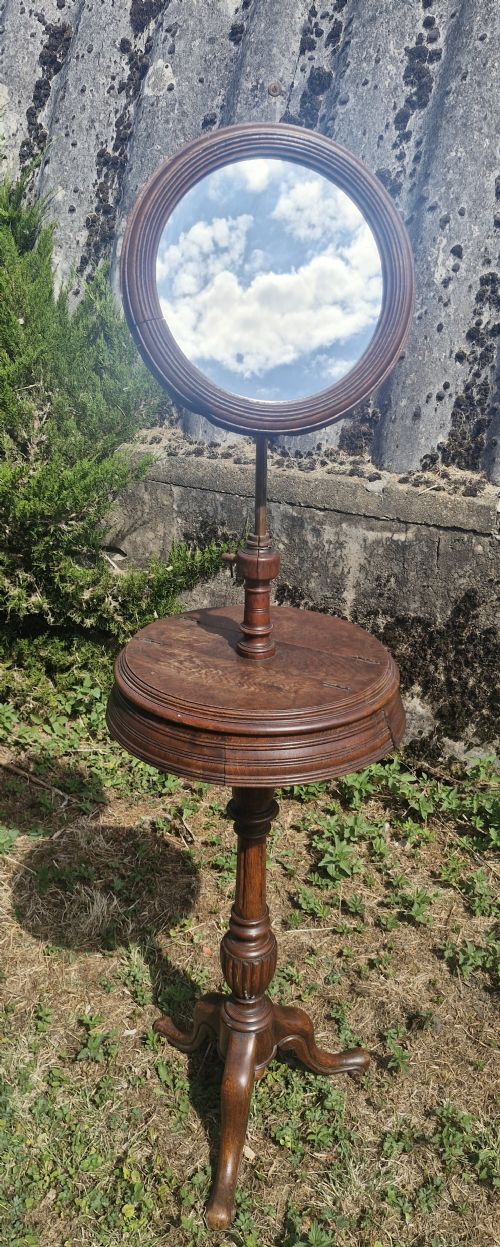
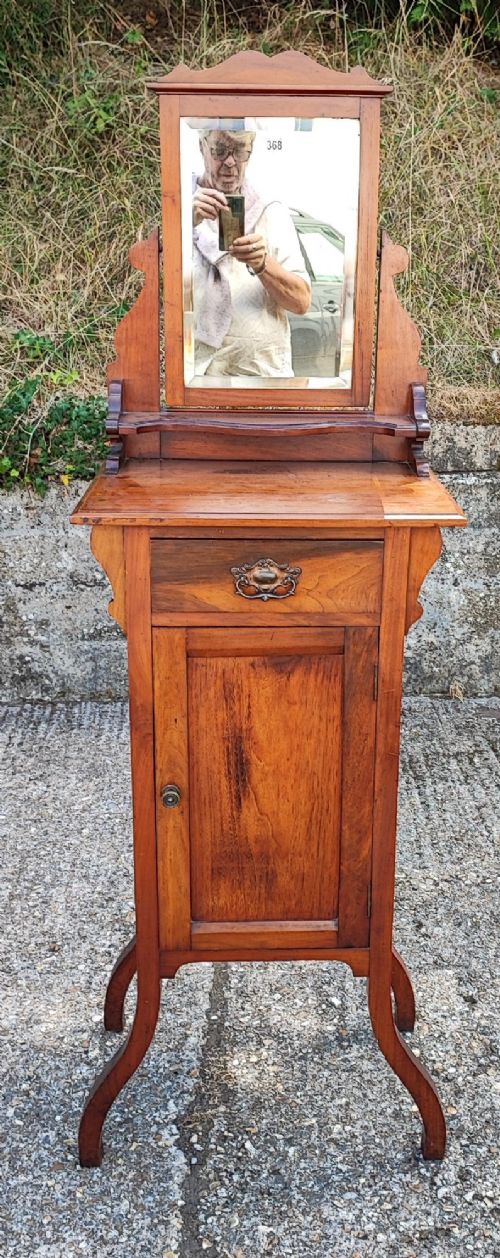
A vintage standing dressing mirror encompasses floor-standing cheval mirrors, tabletop swing glasses, and adjustable shaving stands found across the Victorian, Edwardian, and early twentieth-century periods. These pieces serve practical dressing functions while functioning as substantial decorative furniture in bedrooms and dressing rooms.
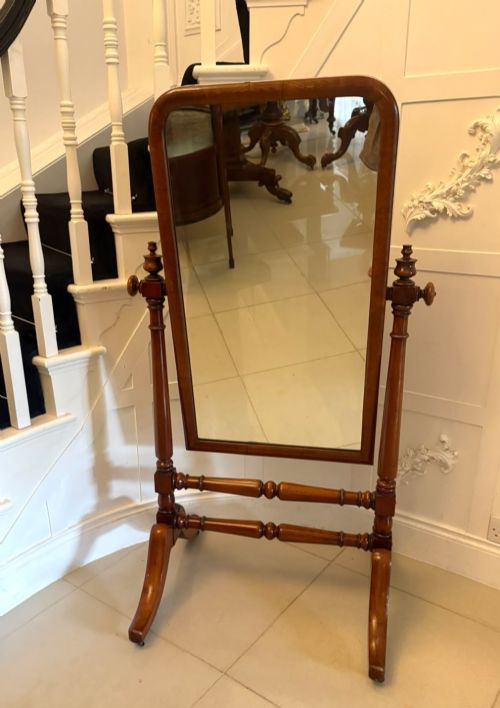
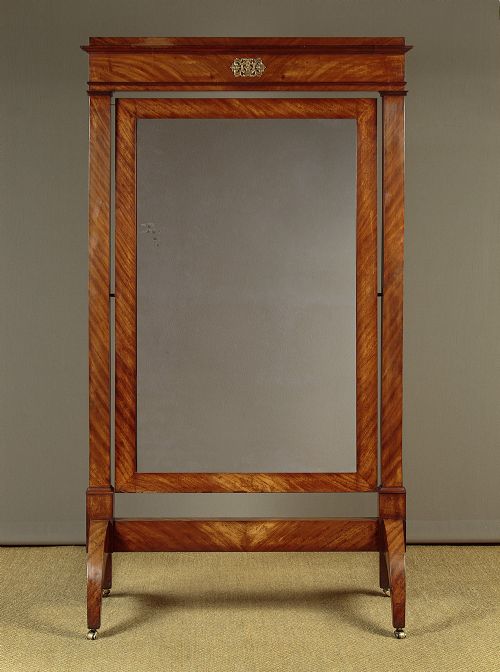
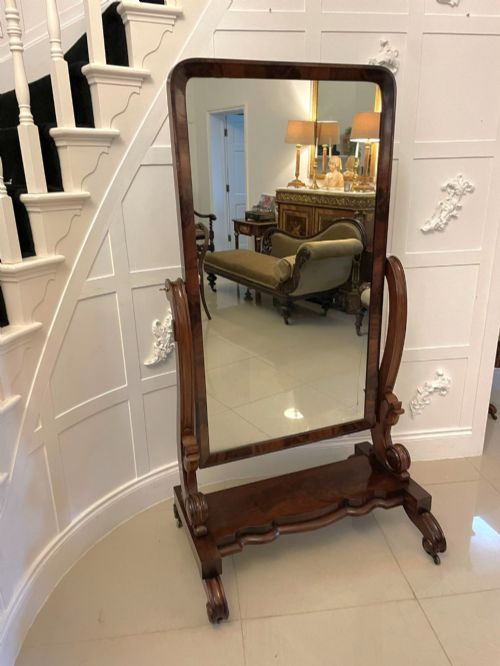
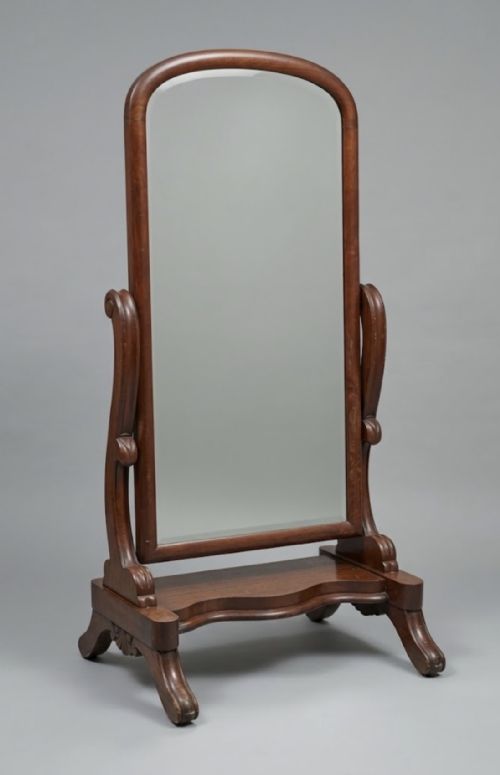
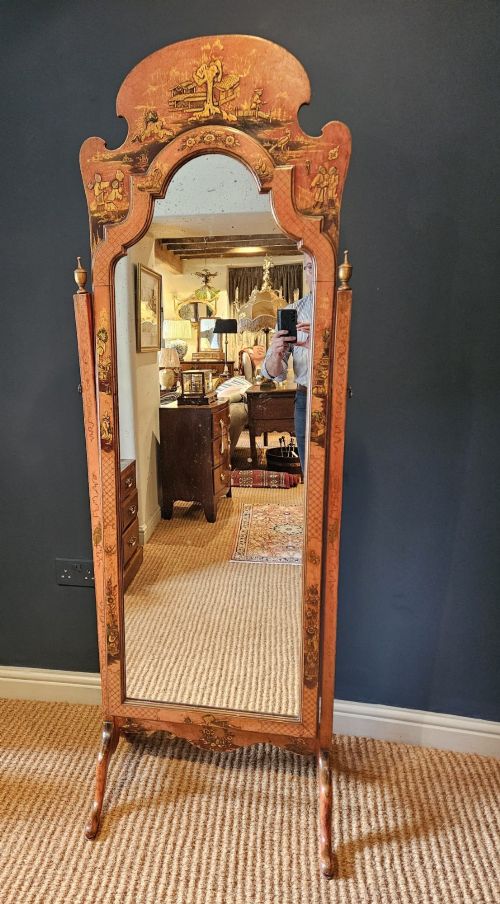
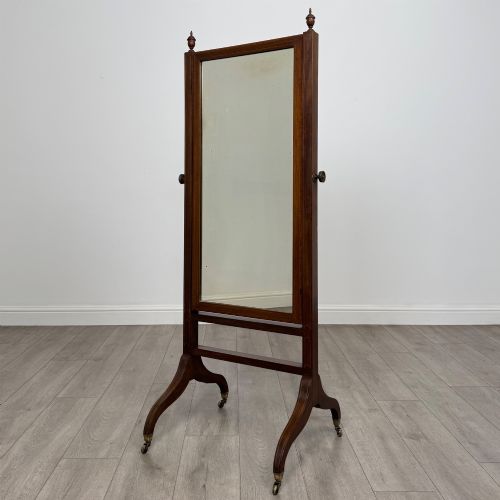
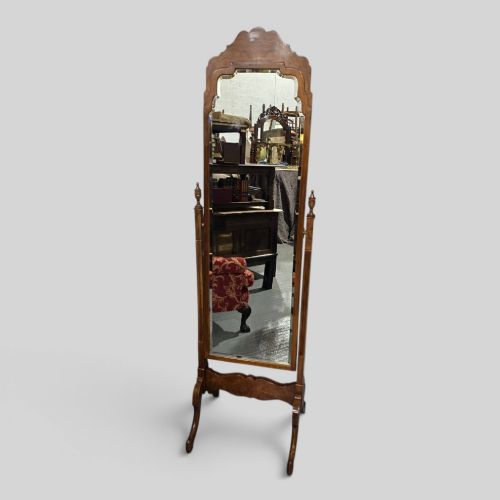
The most common form on this page is the freestanding cheval mirror, supported by a pivoted frame that allows the glass to tilt. Alongside these full-length floor versions appear smaller dressing table mirrors, easel mirrors, and vanity glasses placed on surfaces.
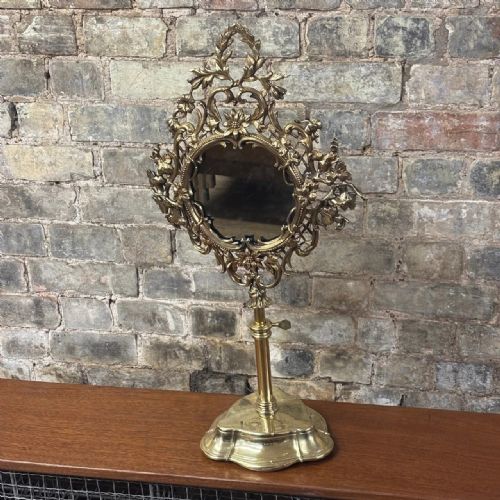
Origins and styling range from plain mahogany Victorian frames and Edwardian oak pieces to ornate French Chateau styles, Chinoiserie decoration, and giltwood. Makers such as Heal and Sons and retailers like Harrods represent the higher end of these domestic furnishings.
Materials and construction
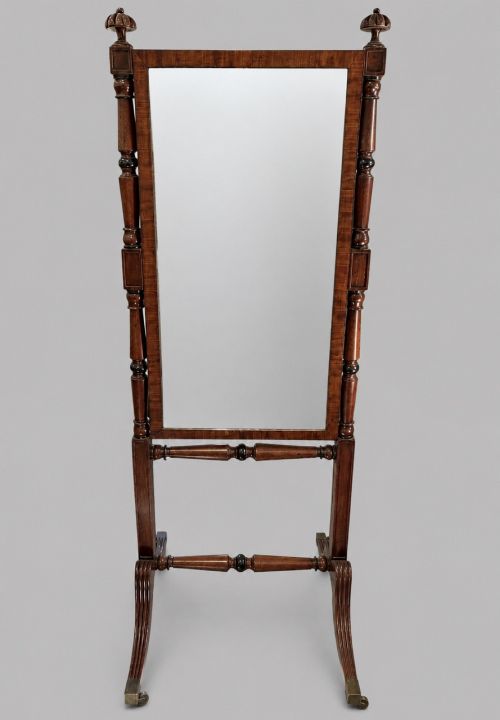
Timbers such as mahogany, walnut, and oak form the primary structural frames, frequently shaped with turned uprights, barley twist supports, or inlaid details. Craftspeople utilised solid woods and veneered surfaces to build stable floor bases and pivoting pivots.
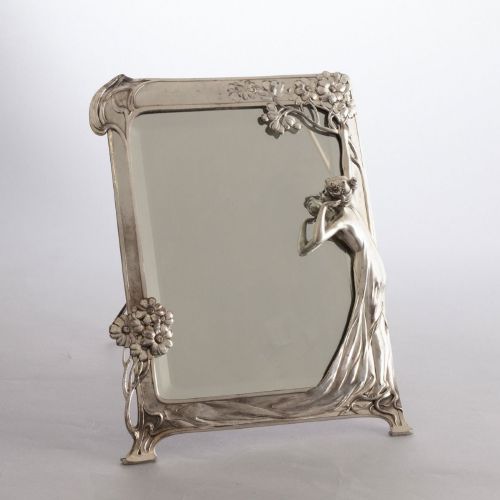
Brass, giltwood, gesso, and pewter provide the metallic and ornamental finishes for tabletop struts, easel backs, and revival frames. Mirror glass is set within these protective surrounds, supported by wooden backboards or metal strut mechanisms.
The listings feature standing dressing mirrors spanning the nineteenth and early twentieth centuries, constructed in mahogany, walnut, oak, brass, and giltwood.
Distinctions in quality
Quality rests in the selection of timbers, such as figured burr walnut or dense mahogany, and the crispness of carved details like giltwood foliage or barley twist turnings. Superior pieces show balanced proportions in the pivoting frame and robust brass hardware that holds the glass firmly at any angle.
The sophistication of decorative finishes, from hand-painted Chinoiserie motifs to cast bronze mounts, separates standard utility mirrors from fine cabinetmaker work. Original mirror plates with clean silvering and heavy supporting floor trestles indicate superior manufacture.
Heal and Sons·harrods·WMF
The Vintage Standing Dressing Mirror Glossary
- Cheval mirror
- A freestanding full-length mirror suspended on a vertical frame with pivots, allowing it to swing. This design permits a complete view of attire.
- Swing mirror
- A smaller mirror mounted on side pivots within a stationary frame, typically resting on a dressing table or chest.
- Giltwood
- Timber coated with fine gold leaf or gilt paint over a prepared gesso ground. It provides a bright, reflective decorative surface.
- Chinoiserie
- European decorative style imitating Chinese artistic traditions, often featuring painted lacquer scenes on dark backgrounds.
- Strut mirror
- A tabletop glass supported by a hinged prop or leg at the rear. This allows the angle of the reflection to be adjusted.
Vintage Standing Dressing Mirror: Frequently Asked Questions
What is a cheval mirror?
A cheval mirror is a floor-standing dressing glass hung on vertical pivots within a sturdy frame. This pivoting mechanism allows the user to tilt the glass to various angles for full-length viewing.
First developed in the eighteenth century, the design remained popular through the Victorian and Edwardian eras as bedrooms grew larger and full-length attire required checking.
How do I tell Victorian from Edwardian mirrors?
Victorian mirrors tend to feature heavier timbers like dark mahogany, deep mouldings, and robust structural turnings such as barley twists. They often display richer, darker patination accumulated over decades of domestic use.
Edwardian pieces generally present lighter woods, including inlaid mahogany and oak, alongside simpler lines influenced by Arts and Crafts or revival styles. The overall aesthetic shifts from heavy formal presence to lighter room integration.
Where should I place a dressing mirror?
Floor-standing cheval mirrors suit bedrooms, dressing rooms, and large hallways where they bounce natural light around the space. Positioning them near windows maximises illumination for checking outfits.
Tabletop swing mirrors and easel glasses belong on dressing tables, chests of drawers, or washstands. Ensure the surface is stable and level to support the pivoted weight.
Are these mirrors adjustable?
Most standing and tabletop dressing mirrors utilise side screws, pins, or pivots that let the glass tilt forward and backward. This adjustability accommodates users of different heights.
When adjusting older hardware, support the glass frame with one hand while loosening the side fixtures to prevent sudden slipping or strain on the pivots.