

Vintage Sporting Art
Vintage sporting art captures equestrian pursuits, racing pigeons, and field sports through nineteenth-century oils, watercolours, and early twentieth-century prints.
Vintage Sporting Art
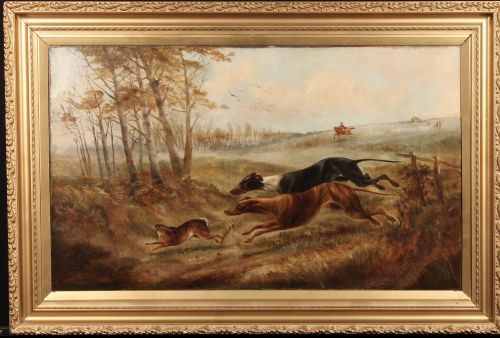
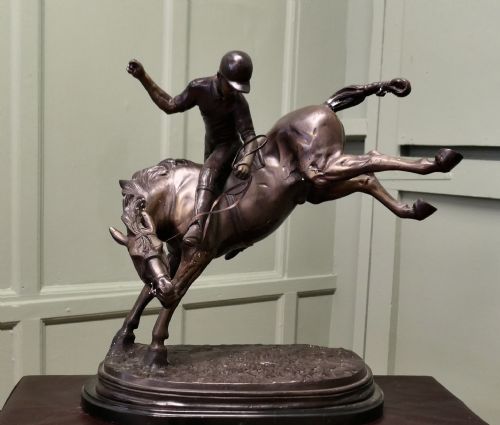
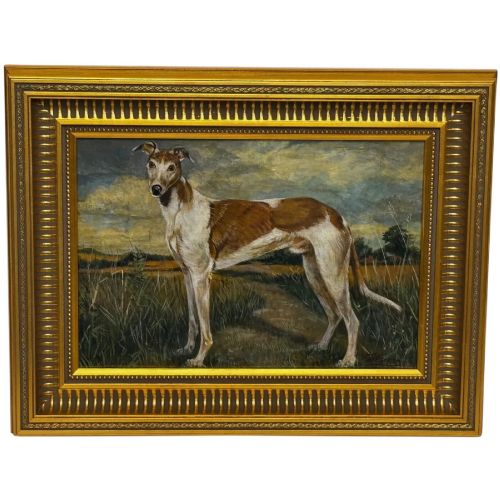
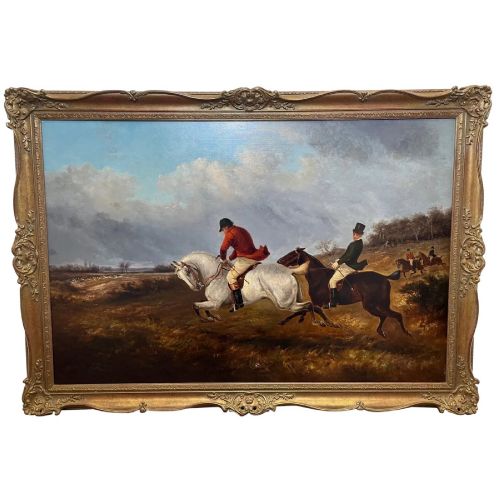
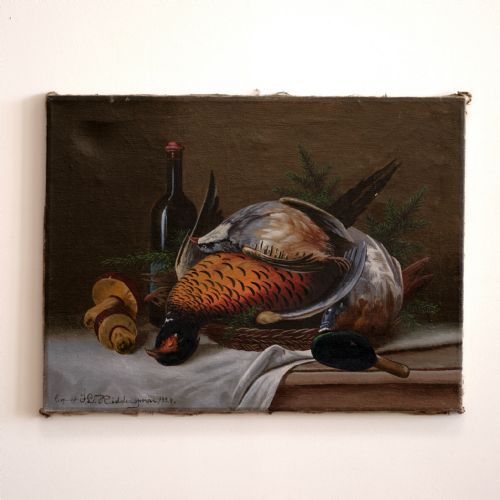
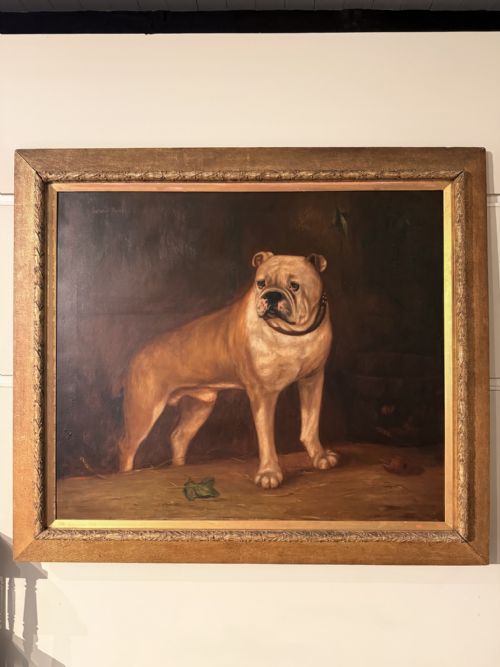
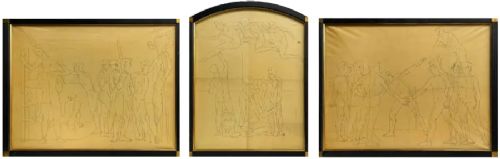
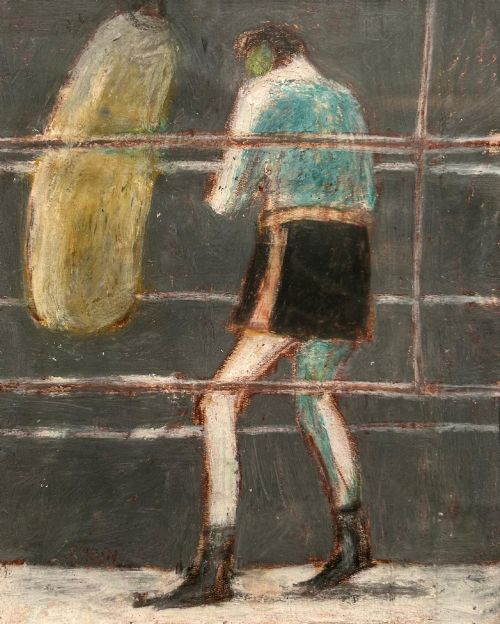
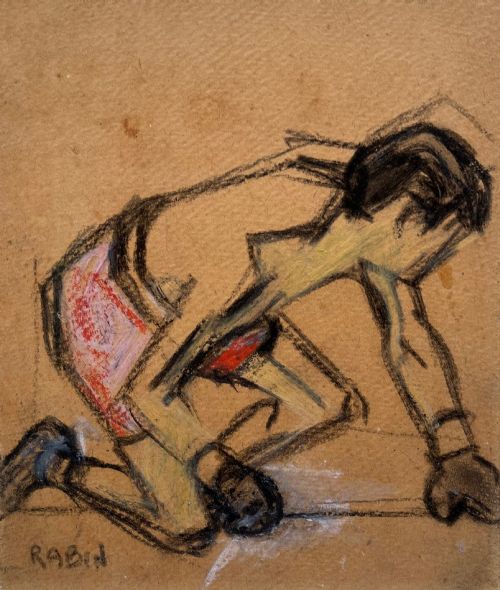
When you search for vintage sporting art, you encounter a selection of works focused on animals, equine portraits, hunting scenes, and athletic competition. These pieces range from nineteenth-century oil paintings to early twentieth-century watercolours, lithographs, and framed prints.
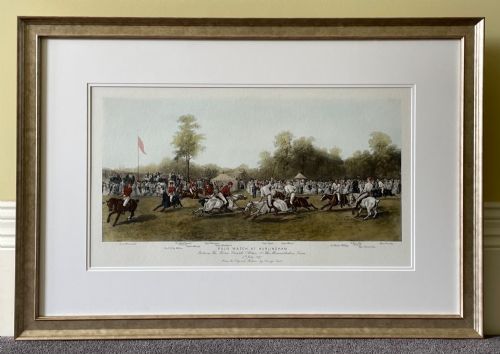
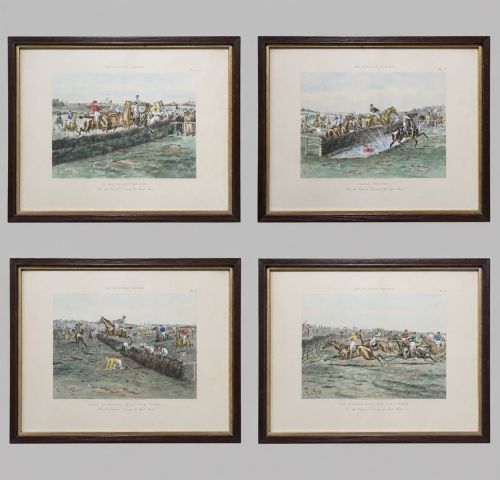
You are most likely to meet equestrian portraits of bay hunters, fox hunting canvases, and framed prints depicting horse racing or polo matches. Works span Victorian styles through to mid-century modern interpretations, frequently framed in wood or giltwood.
The category encompasses both signed individual portraits of dogs and horses and published prints after established artists. Mediums vary from oil paint on canvas to ink, paper, and pencil under glass.
Materials and construction
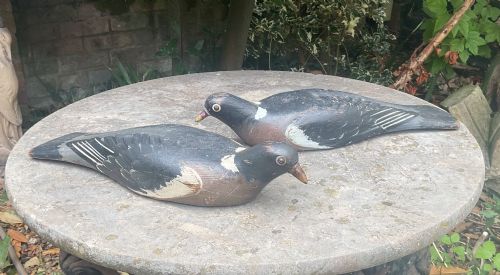
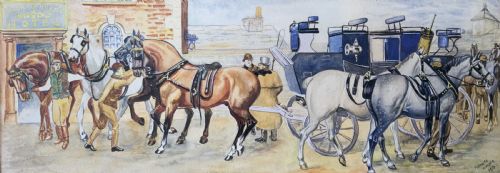
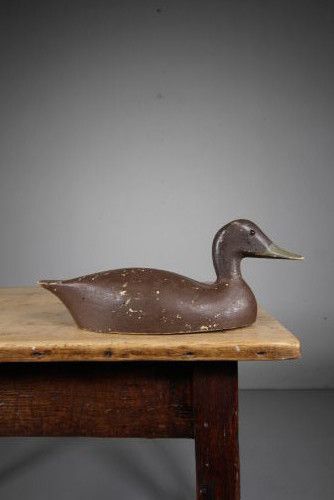
Many works utilise oil paint applied to canvas or wood panels, particularly for nineteenth-century animal portraits and coaching scenes. Canvas provides the durable base for large equestrian oils by named painters, while wood serves as the rigid support for painted decoy birds and panels.
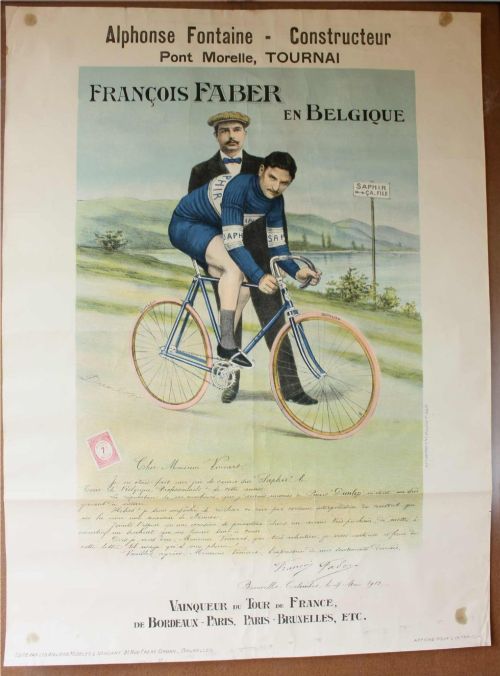
Works on paper employ ink, watercolour, and gouache, often protected behind glass in period frames. Lithographs and aquatints utilise printed plates to reproduce sporting scenes, while pastel and pencil capture finer details in dog and game bird studies.
Vintage Sporting Art Retail Price Guide 2026
Typical asking prices for vintage sporting art among the pieces listed under this phrase on Sellingantiques today, from the lower quarter to the upper quarter. They describe what is for sale here now, not the wider market.
Racing pigeons and lurcher dogs share wall space with stately racehorse portraits, proving that Victorian artists loved a scrappy backyard competitor just as much as a Derby winner.
Judging quality in sporting works
Anatomical precision and the handling of light separate superior equine and canine portraits from standard decorative pieces. Master painters capture the muscular tension of a galloping hunter or the alert stance of a pointer with distinct anatomical accuracy.
The integrity of the original framing, particularly period giltwood or oak mouldings, influences the overall character of the piece. Works retaining clear artist signatures, inscriptions, or documented provenance carry greater historical weight than unsigned reproductions.
Thomas Smythe·James Stroudley·George Wright·William Albert Clarke·Henry Barraud·Fred Fitzpatrick·Ernest Payne·George Rankin·Philip Rideout·Thomas Walker Bretland·John Frederick Herring Senior·John Emms
The Vintage Sporting Art Glossary
- Aquatint
- An intaglio printmaking technique that produces tonal effects resembling watercolour washes. It was frequently utilised in nineteenth-century sporting sets to replicate painted coaching and racing scenes.
- Decoy
- A carved and painted wooden object shaped like a bird or animal to attract wildlife. Nineteenth-century examples utilise carved wood with original surface paint.
- Giltwood
- Wood that has been treated with a thin layer of gold leaf or gilt. This material is commonly found on traditional frames enclosing nineteenth-century oil paintings.
- Lithograph
- A planographic printing method using a stone or metal plate. It allows the reproduction of detailed sketches and watercolours such as polo matches and hare coursing scenes.
- Provenance
- The documented history of ownership of an antique work. It traces a piece from its creation through galleries and estates.
Vintage Sporting Art: Frequently Asked Questions
How do I identify a nineteenth-century oil painting?
Examine the canvas preparation, stretcher frames, and the style of the brushwork. Nineteenth-century works typically employ heavy linen canvas and hand-carved stretchers.
Signatures, artist inscriptions on the reverse, and period giltwood framing further indicate the era of execution.
Are painted wooden decoys considered art?
Carved and painted wooden decoys function as traditional working objects that transitioned into collected decorative items. Nineteenth and early twentieth-century examples display hand-painted feather details.
Collectors prize pieces that retain their original weathered surface paint and authentic tool marks.
How should I display framed sporting watercolours?
Watercolours and works on paper require protection from direct sunlight to prevent fading. Framing with conservation glass helps filter ultraviolet light.
Keep pieces in rooms with stable humidity levels to preserve both the paper support and the antique wooden frames.