



Vintage Silver Salt Dishes
These vintage silver salt dishes bring timeless elegance to the dining table, offering a glimpse into centuries of refined craftsmanship.
Vintage Silver Salt Dishes
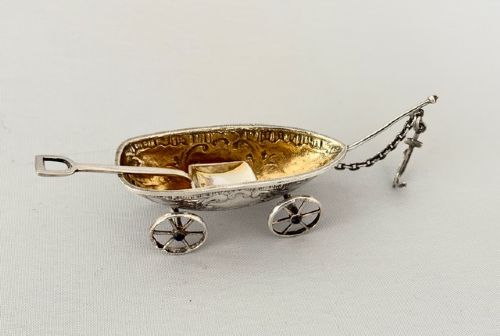
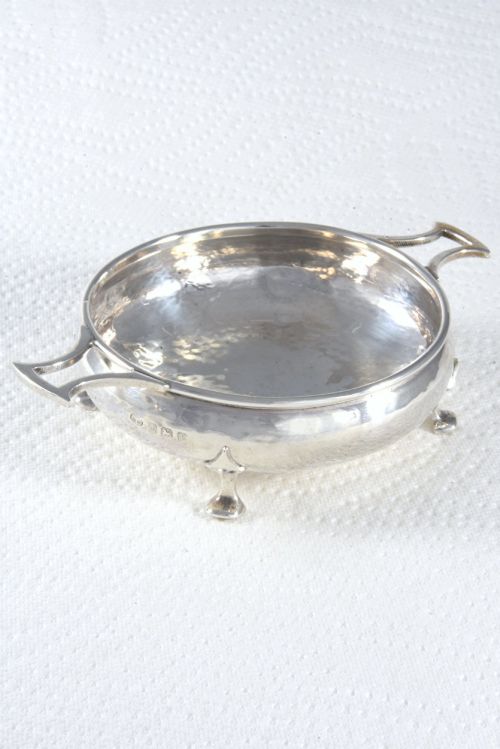
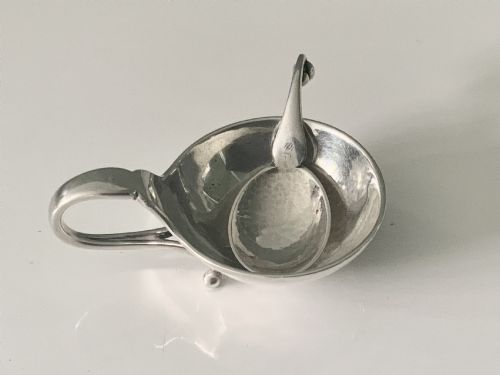
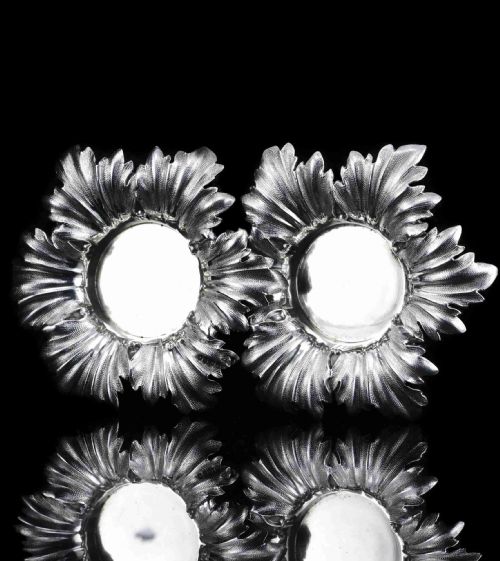
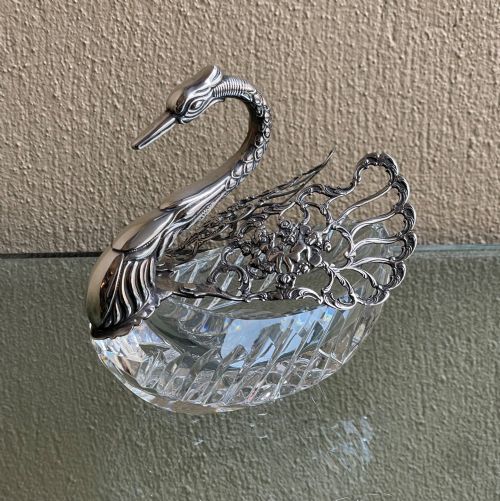
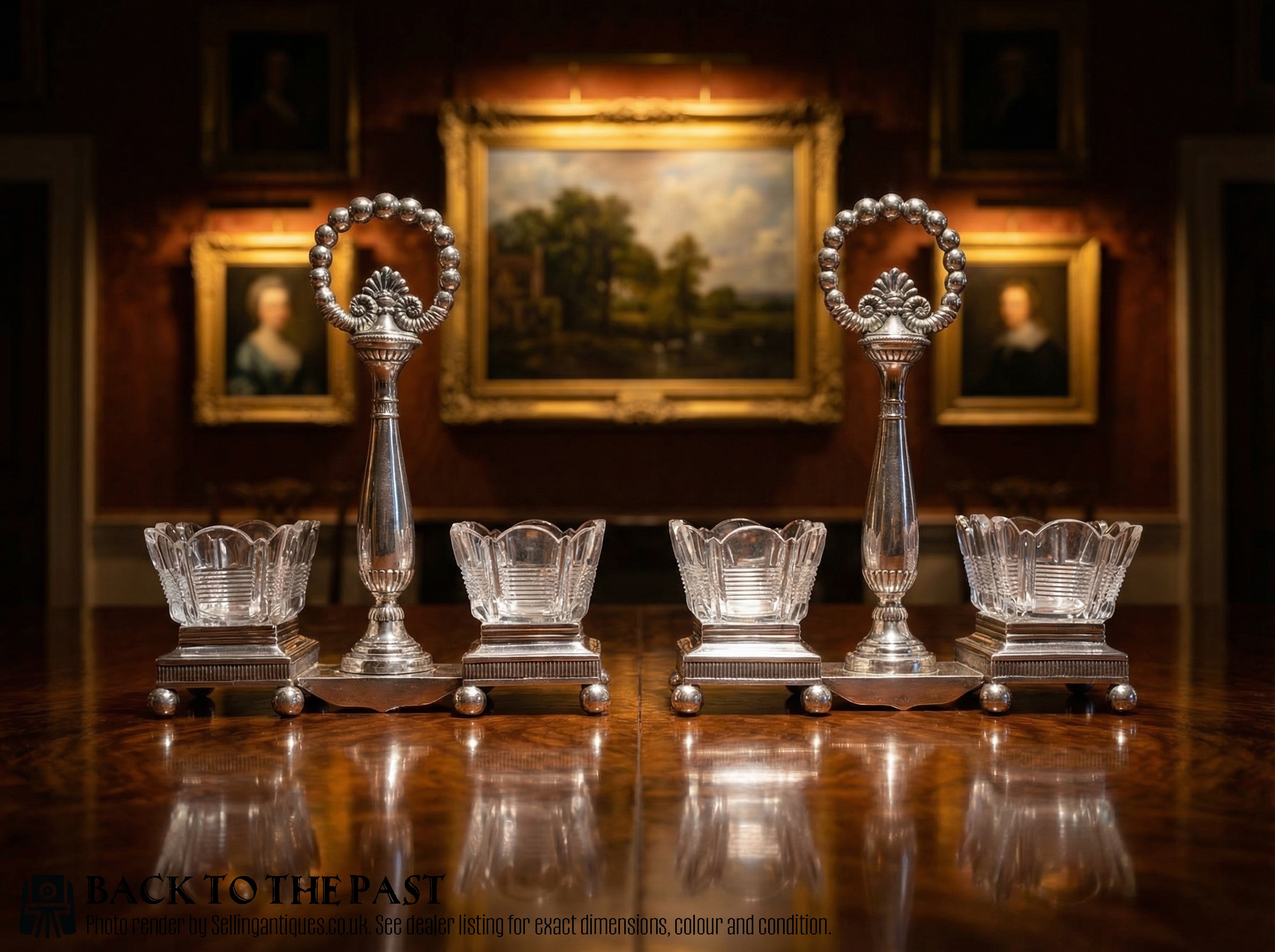
Vintage silver salt dishes encompass a range of functional and decorative tableware designed to hold salt at the dining table. When searching for vintage silver salt dishes, buyers encounter various forms including open salt cellars, condiment stands, and small decorative bowls spanning the Victorian, Edwardian, and mid-century periods.
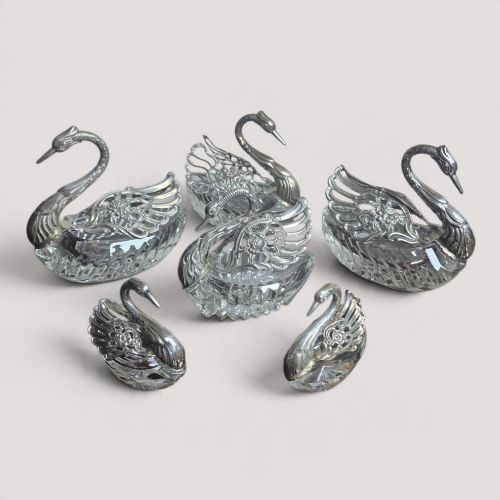
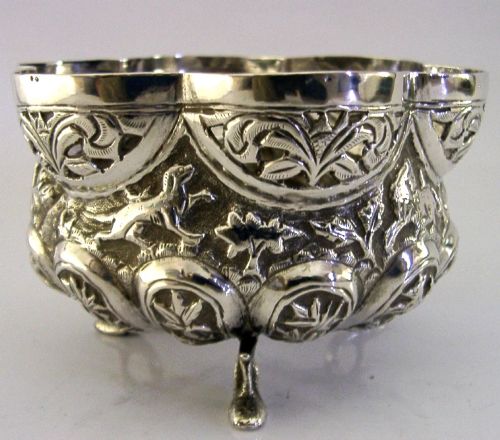
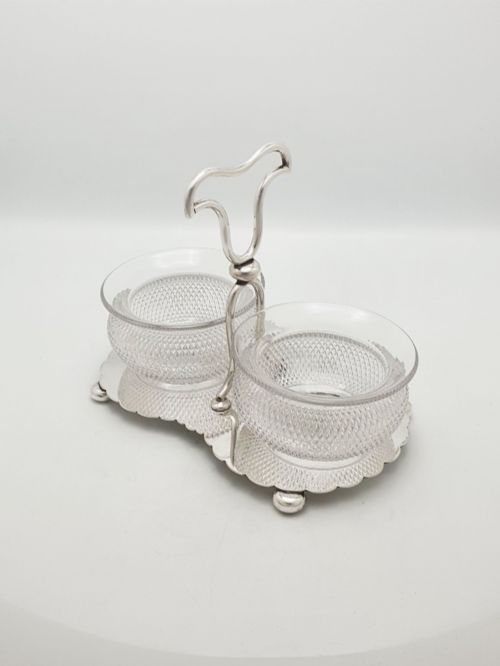
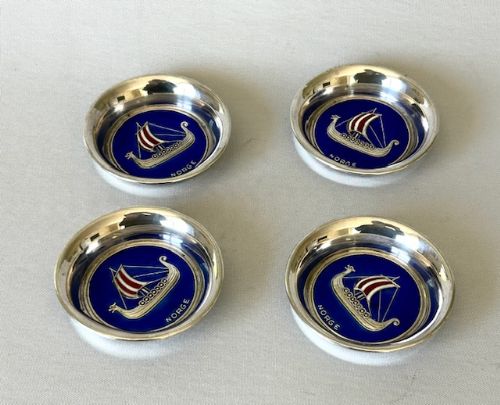
The pieces available showcase diverse stylistic influences, from traditional Victorian foliate chasing to Art Deco geometric forms and Ottoman designs. Collectors frequently find pairs or sets accompanied by original glass liners, such as cobalt glass or cut crystal, which protect the metal from corrosive salt.
Originating from diverse workshops and international makers, these salt dishes serve both practical condiment duties and decorative tabletop functions. The selection ranges from solid sterling silver vessels to silver-plated alternatives featuring intricate workmanship.
Materials and Techniques
The construction of these table wares relies predominantly on sterling silver, solid silver, and durable silver plate applied over base metals. Artisans utilised traditional forming techniques, combining sheet metal shaping with detailed manual chasing and repoussé work.
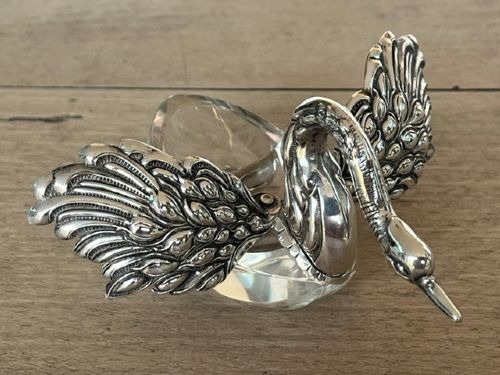
Glass components such as cut glass, crystal, and cobalt glass inserts are frequently integrated into the metal frames. These glass liners were blown, moulded, and cut to fit snugly within the silver structures, protecting the precious metal from direct contact with the contents.
Vintage Silver Salt Dishes Retail Price Guide 2026
Typical asking prices for vintage silver salt dishes among the pieces listed under this phrase on Sellingantiques today, from the lower quarter to the upper quarter. They describe what is for sale here now, not the wider market.
Assessing Quality and Craftsmanship
Quality in these items is determined by the crispness of the metalwork, such as the depth and clarity of chased foliate patterns or engraved details. Heavier gauge silver and substantial weight indicate superior material quality and structural integrity.
The precision of the fit between removable glass liners and their metal holders also distinguishes finer examples. Maker marks, hallmarks, and the preservation of original fitted elements contribute significantly to the standing of a piece.
Barnards·Georg Jensen
The Vintage Silver Salt Dishes Glossary
- Salt Cellar
- A small open bowl or dish used to hold salt on the dining table before the invention of the spring-loaded salt shaker. These vessels often rest on small feet or a pedestal base.
- Repoussé
- A metalworking technique where the artisan hammers the metal from the reverse side to create a raised design in relief on the front. This method creates tactile, highly decorative surface patterns.
- Cobalt Glass
- Deep blue glass frequently utilised as a contrasting liner inside open salt cellars. The intense colour protects the metal and provides a striking visual contrast.
- Hallmark
- An official stamp applied to precious metals indicating the standard of purity, the maker, and the year of assay. These marks provide historical context for dating the object.
- Chasing
- The process of hammering metal from the front side to sink the surface and define ornamental details. It is often paired with repoussé work to achieve intricate designs.
Vintage Silver Salt Dishes: Frequently Asked Questions
How were salt dishes used?
Historically, diners used these small open vessels to take salt using a miniature spoon or their fingers, sprinkling it onto their food before individual shakers became common.
They sat upon formal dining tables, often paired with matching pepper pots and mustard containers as part of a larger condiment set.
How do I clean vintage silver?
Cleaning requires a soft microfibre cloth and a specialised silver polish formulated to remove tarnish without abrading the metal surface. Harsh chemical dips should be avoided, particularly on pieces with inset glass or enamel.
If the piece includes a removable glass liner, take it out prior to polishing to ensure thorough cleaning of both materials.
How do I identify the period?
Examining the hallmarks stamped onto the silver provides the most reliable method for dating an object, revealing the assay office and year letter. Stylistic cues such as heavy Victorian foliate chasing or sleek Art Deco lines also indicate the era of manufacture.
Construction methods, including the type of solder and forming techniques used on the base, offer further clues regarding age.
Can I use them daily?
These dishes function well for modern dining, though salt should not be left sitting in unlined silver vessels for extended periods due to potential corrosion. Regular washing in warm soapy water and immediate drying will keep the metal in good condition.
Using the original glass liners helps protect the antique silver from direct chemical wear during everyday use.