



Edwardian Silver Open Salt
These edwardian silver open salt pieces bring timeless elegance to the dining table, offering collectors refined craftsmanship and historical charm.
Edwardian Silver Open Salt
The edwardian silver open salt search phrase brings together small open vessels designed to hold salt at the dining table, frequently encountered as matched pairs or complete sets in fitted cases. These domestic items span periods from the Victorian era through the Edwardian years up to mid-century examples, though the Edwardian aesthetic dominates the selection.
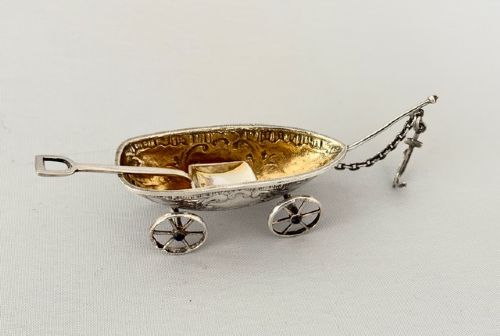
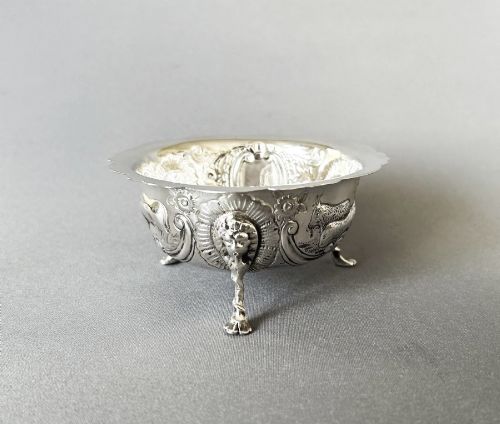
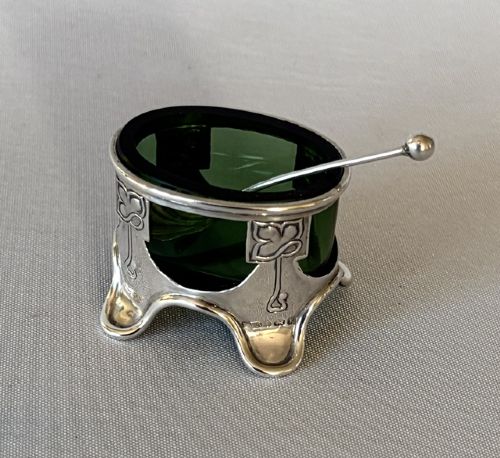
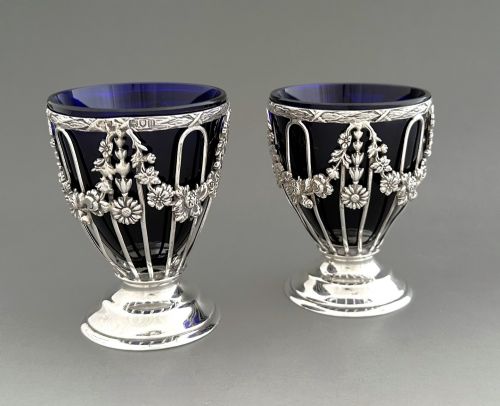
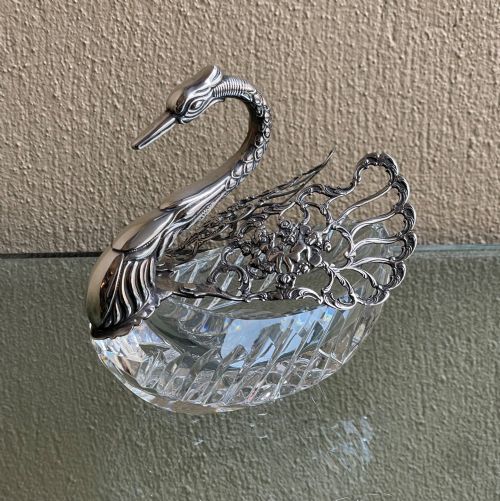
Makers utilised various forms ranging from simple open bowls and tubs to novelty boat shapes, wirework condiment holders, and swan dishes. Many examples incorporate liners made from cobalt glass, cut glass, or green glass, whilst others rely on intricate motifs such as goat designs.
Tableware from this category serves both functional and decorative purposes, appearing as individual salt cellars, bowls, and decorative dishes. Collectors encounter pieces reflecting distinct design movements including Art Nouveau, Rococo Revival, and Georgian Revival alongside classic Edwardian styling.
How they were made
Silversmiths shaped sterling silver and standard silver into intricate bodies, often combining metalwork with delicate wirework techniques. Artisans integrated glass liners in vibrant shades such as cobalt and green to protect the silver from corrosion caused by salt.
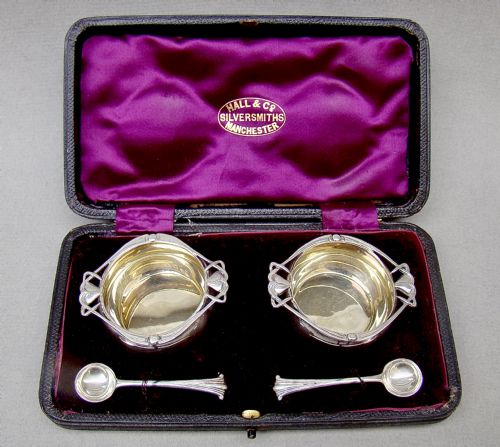
Interior surfaces of silver-gilt pieces received a thin coating of gold wash to prevent tarnishing, while cased presentation sets utilised fitted interiors lined with silk and velvet materials. Artisans applied cast motifs, such as goat figures, and chased surface patterns to enhance the visual appeal of each vessel.
Edwardian Silver Open Salt Retail Price Guide 2026
Typical asking prices for edwardian silver open salt among the pieces listed under this phrase on Sellingantiques today, from the lower quarter to the upper quarter. They describe what is for sale here now, not the wider market.
The selection includes various forms such as condiment tubs, novelty boat salts, and swan dishes.
What varies in quality
Quality rests upon the weight of the silver, the crispness of the chased or cast decorative elements, and the preservation of any original interior gilding. Pieces bearing clear hallmarks from established makers demonstrate superior manufacturing standards compared to unmarked equivalents.
The presence of undamaged original glass liners, whether cobalt, cut, or green glass, elevates the integrity of a set. Complete cased sets accompanied by matching spoons retain higher desirability than stray individual vessels.
Josiah Williams & Co
The Edwardian Silver Open Salt Glossary
- Open salt
- A small open vessel designed to hold loose salt on the dining table before the invention of the spring-loaded salt shaker. These items require a small spoon to dispense the seasoning.
- Silver-gilt
- Sterling silver that has been plated with a thin layer of gold on the interior surface. This technique protects the metal from the corrosive properties of table salt.
- Condiment tub
- A cylindrical or bucket-shaped vessel used for holding table condiments such as mustard or salt. They often feature pierced silver walls or wirework frames fitted with coloured glass liners.
- Wirework
- Openwork metal construction formed from soldered silver wires arranged in geometric or organic patterns. This technique creates a lightweight yet sturdy cage to support a glass liner.
- Hallmark
- A series of stamped official marks applied to precious metal items indicating the maker, assay office, standard of purity, and year of manufacture.
Edwardian Silver Open Salt: Frequently Asked Questions
How were open salts used at the table?
Diners used open salts by taking a pinch of salt with a small dedicated spoon or fingers from the small vessel placed beside their plate. Each guest often had their own individual salt cellar.
These pieces sat directly on the dining table as part of the formal table setting during the Victorian and Edwardian periods. They required regular polishing to maintain the bright appearance of the silver.
What are glass liners used for?
Glass liners protected the sterling silver body of the salt cellar from direct contact with corrosive table salt. They also allowed for easy cleaning after meals.
These removable inserts typically appeared in cobalt blue, green, or clear cut glass. Their presence adds significant value to surviving antique table salt sets.
How do I identify an Edwardian piece?
Edwardian items typically display lighter, more graceful proportions influenced by late eighteenth-century revivals or flowing Art Nouveau curves. Hallmarks stamped into the silver provide the exact year of assay.
Makers working during the Edwardian period often produced items in matched pairs or complete cased sets intended for wedding gifts. The presence of specific design motifs helps distinguish these items from earlier Victorian tableware.
How should I clean antique silver?
Antique silver requires gentle cleaning with specialised silver polish and a soft cloth to avoid wearing away thin details or hallmarks. Harsh abrasive cleaners will damage the antique surface.
Glass liners should be removed and washed separately in warm soapy water. Proper storage in dry conditions helps prevent future tarnishing.