


Vintage Sheet Music Holder
A vintage sheet music holder is a functional stand for organising scores and papers, bringing period craftsmanship directly into a music room or sitting room.
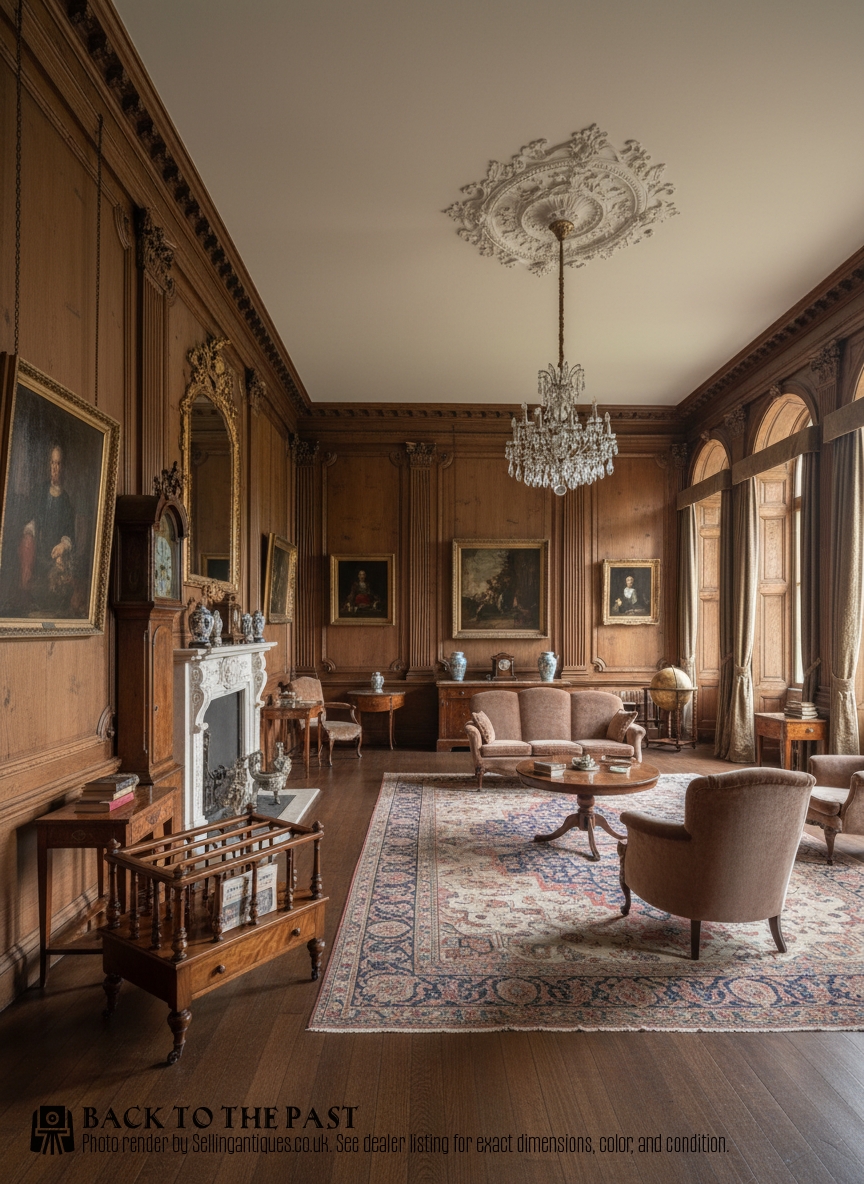
Vintage Sheet Music Holder
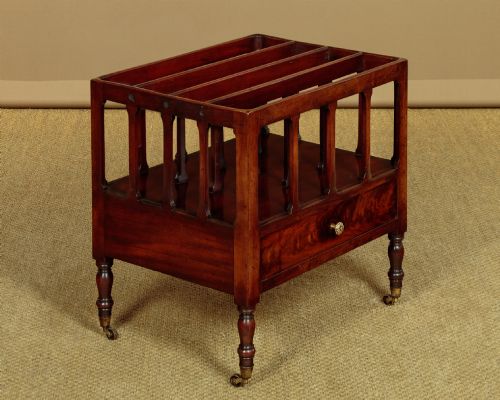
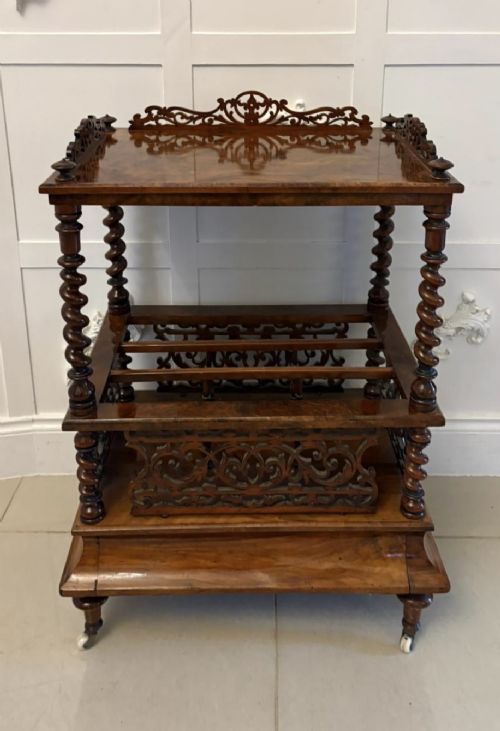
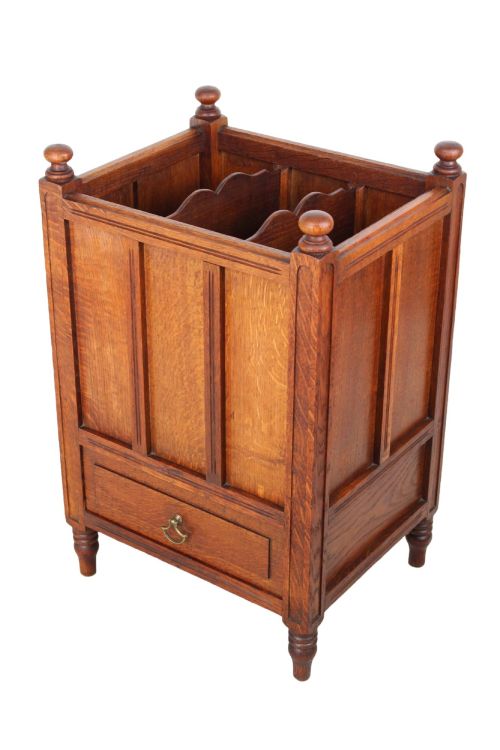
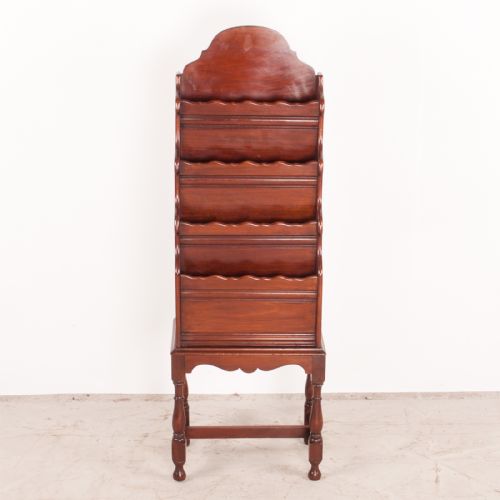
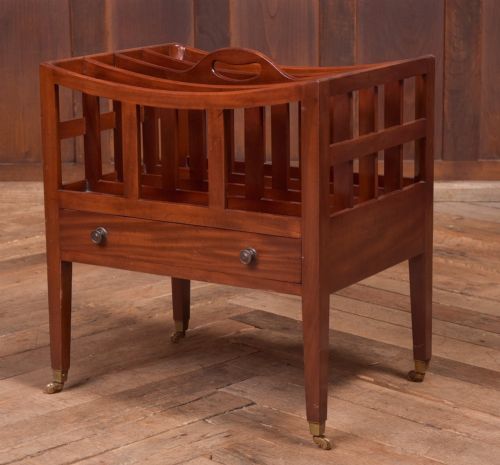
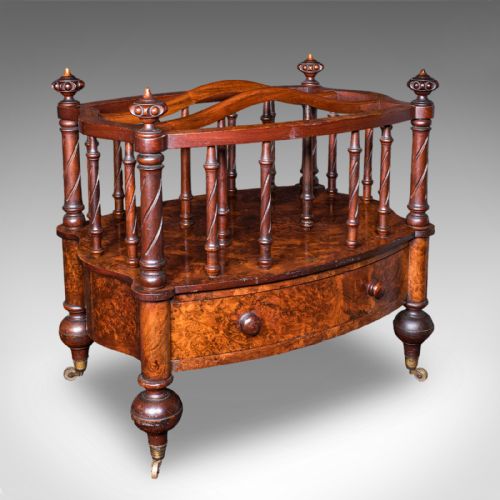
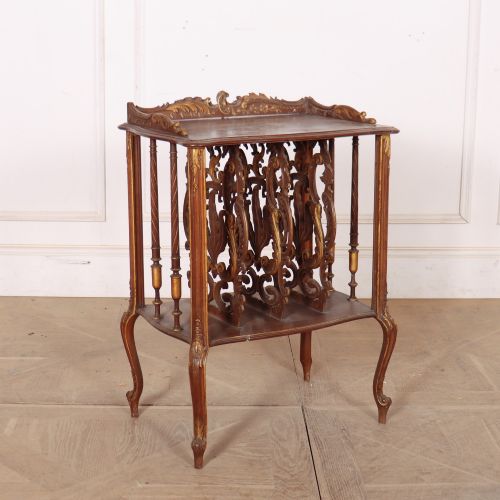
A vintage sheet music holder primarily takes the form of a canterbury, music stand, or magazine rack designed to keep bound folios and loose papers close to hand. These pieces appear in periods ranging from the Georgian and Regency eras through to the Victorian, Edwardian, and early twentieth-century decades.
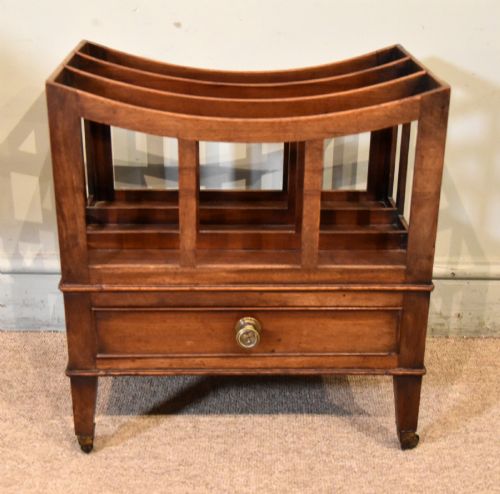
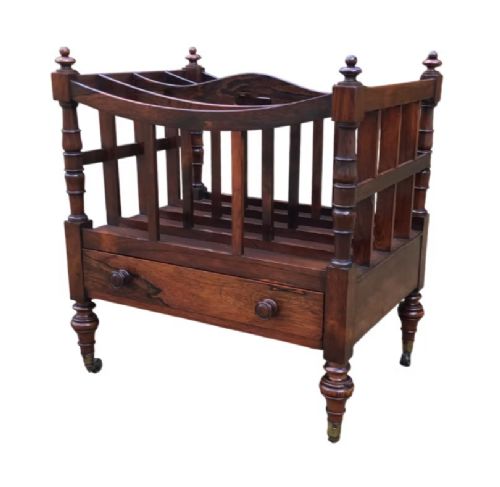
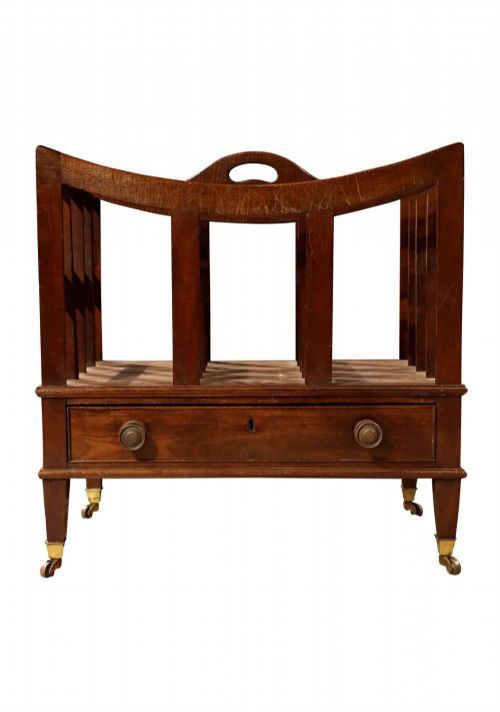
The version most commonly met on this page is the freestanding mahogany or rosewood canterbury featuring slatted dividers for partitions and often a low drawer beneath. Alongside these compartmented stands, buyers frequently encounter adjustable music stands, lecterns, and occasional tables configured for reading and performance.
Originating in English country houses and drawing rooms, these items served the practical daily needs of musicians and readers before evolving into versatile storage for periodicals. The structural types span boat-shaped frames, lyre-shaped music holders, and heavy walnut or oak lecterns designed to support open volumes.

How they were made
Cabinetmakers constructed these pieces using dense hardwoods such as mahogany, rosewood, walnut, burr walnut, and oak, frequently selecting Cuban mahogany or figured veneers for the primary surfaces. Turning, carving, and joining techniques produced sturdy turned legs, castors, and precise slatted dividers.
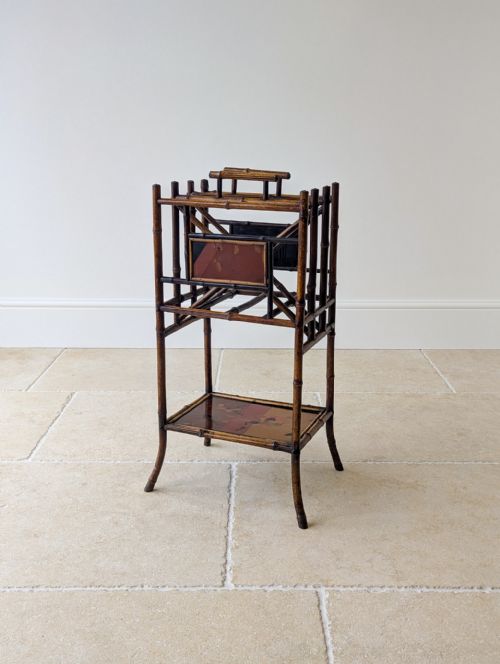
Metal components in brass appear on adjustable music stands, reading tables, and castors, allowing height adjustments and mobility. Bamboo and porcelain also enter the material record through late nineteenth-century Aesthetic Movement pieces.
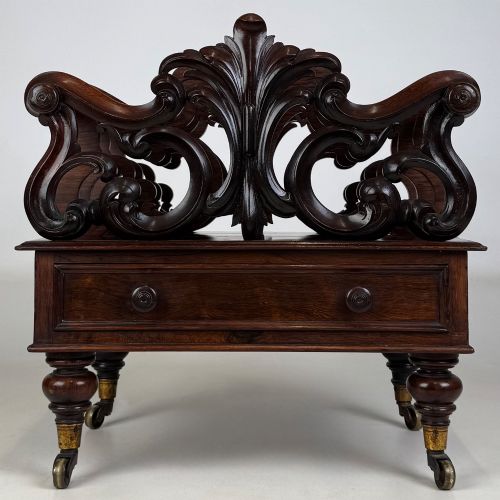
Inlaid details, carved motifs such as Prince of Wales feathers, and fitted drawers demonstrate cabinetmaking skill applied to functional music furniture.
Vintage Sheet Music Holder Retail Price Guide 2026
Typical asking prices for vintage sheet music holder among the pieces listed under this phrase on Sellingantiques today, from the lower quarter to the upper quarter. They describe what is for sale here now, not the wider market.
Listings span the Georgian, Regency, Victorian, and Edwardian periods, utilising mahogany, rosewood, walnut, oak, and bamboo.
What varies in quality
The selection of timber sets the baseline for quality, distinguishing dense Cuban mahogany, figured burr walnut, and rich rosewood from simpler oak or pine constructions. Finer pieces demonstrate superior figure in the wood grain and more ambitious cabinet work.
Construction details distinguish standard production from exceptional examples, notably the presence of finely turned legs, brass castors, hand-carved decorative elements, and integrated drawers with dovetailed joints. The complexity of adjustable mechanisms on music stands and lecterns also marks out higher-grade items.
The Vintage Sheet Music Holder Glossary
- Canterbury
- A low, freestanding stand with upright divisions used originally for holding sheet music and folios. It often includes a small drawer at the base and legs fitted with castors.
- Lectern
- A slanted reading desk or stand designed to hold a book or musical score at a comfortable height for a standing reader.
- Lyre-shaped
- A decorative form imitating the ancient Greek stringed instrument, frequently incorporated into the central support or music rest of stands and canertburys.
- Aesthetic Movement
- A late nineteenth-century design style emphasising artistic visual values, represented in these listings through the use of bamboo frames.
- Boat-shaped
- A descriptor for a canterbury whose curved ends resemble the hull of a boat, characteristic of Regency design.
Vintage Sheet Music Holder: Frequently Asked Questions
What is a canterbury used for?
A canterbury was originally designed to hold sheet music, scores, and unbound papers near a piano or music room. Over time, many owners also utilised them to store newspapers and magazines.
Today they function equally well beside a reading chair or sofa as decorative tidies for modern periodicals.
How do I identify a Regency music holder?
Regency pieces often display classical proportions, boat-shaped frames, and elegant turned legs fitted with brass castors. The timbers tend to be rich mahogany or rosewood.
They reflect the neoclassical design tastes of the early nineteenth century.
Are music stands adjustable?
Many of the music stands and lecterns listed feature fully adjustable mechanisms for height and reading angle. These mechanical parts often incorporate brass tightening screws and joints.
They were built to accommodate both seated and standing musicians or readers.
What woods were used for these holders?
Cabinetmakers relied heavily on dense hardwoods including mahogany, rosewood, walnut, burr walnut, and oak. Finer examples feature figured veneers and Cuban mahogany.
Alternative materials like bamboo appear in later nineteenth-century Aesthetic Movement pieces.