



Vintage Sewing Accessories
When you handle vintage sewing accessories, you encounter miniature silver animals, turned wood clamps and velvet cushions that turn everyday mending into a display of Edwardian and Victorian wit.
Vintage Sewing Accessories
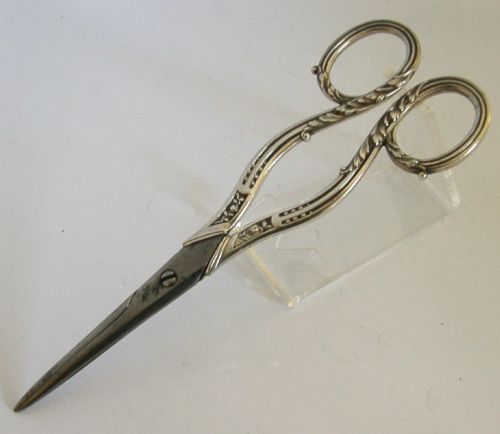
Vintage sewing accessories encompass small functional items used for needlework, spanning periods from the Georgian era through the Edwardian years and into the mid-twentieth century. Buyers seeking these pieces find a variety of forms designed to hold pins, needles, thread and thimbles during domestic handwork.
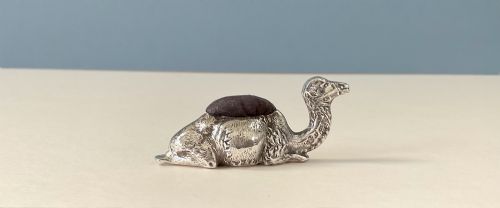
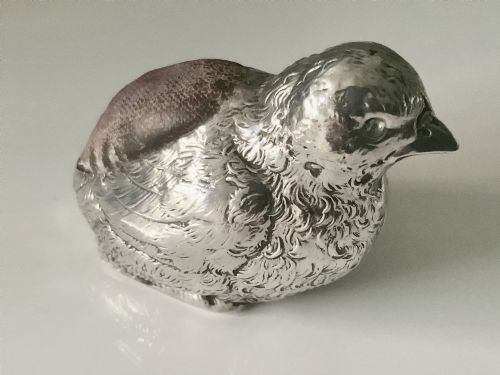
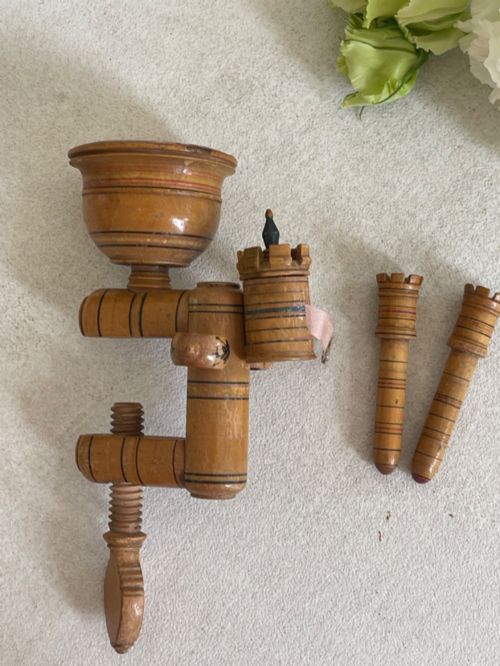
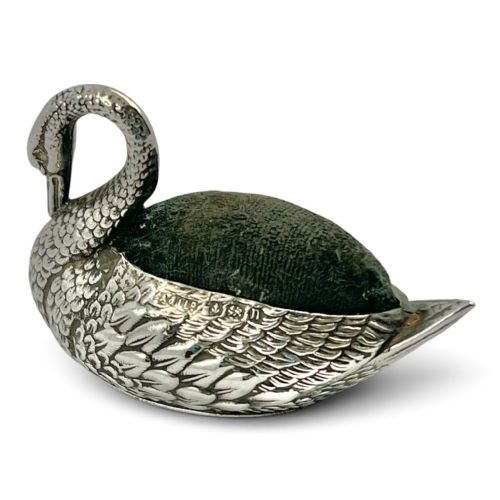
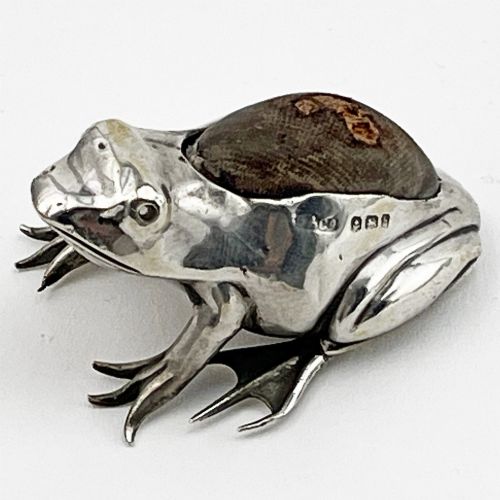
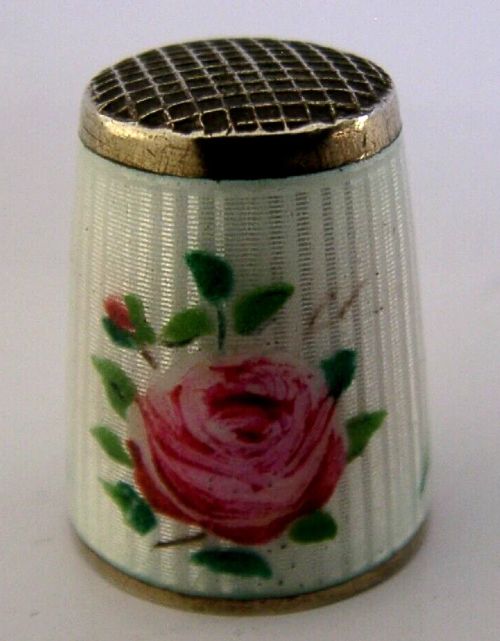
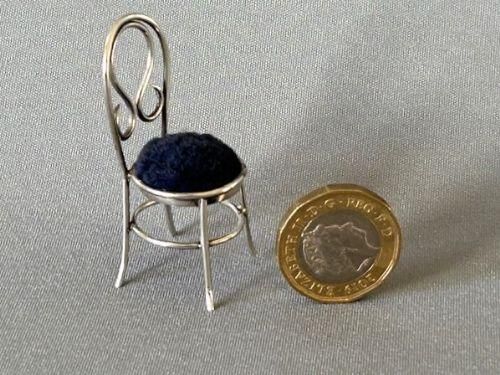
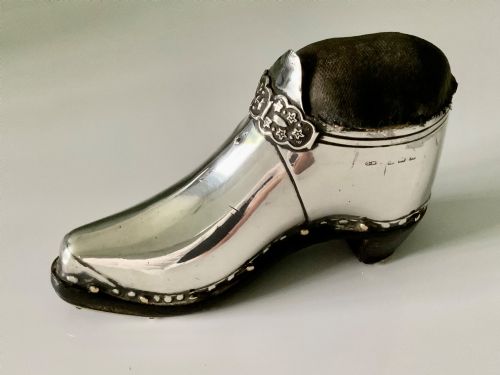
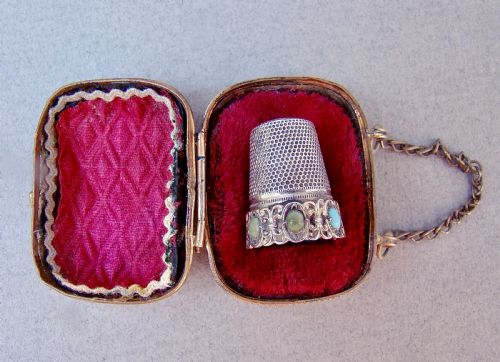
The objects most frequently met on this page are pin cushions shaped as animals, birds and novelty items alongside turned wood clamps and cased thimbles. These functional items reflect the detailed craft of silversmiths and woodworkers from the nineteenth and early twentieth centuries.
Materials range from sterling silver and ormolu to corozo nut, mahogany and velvet. Origins stretch from English workshops in Birmingham and Chester to French makers and Scandinavian centres.
How they were made
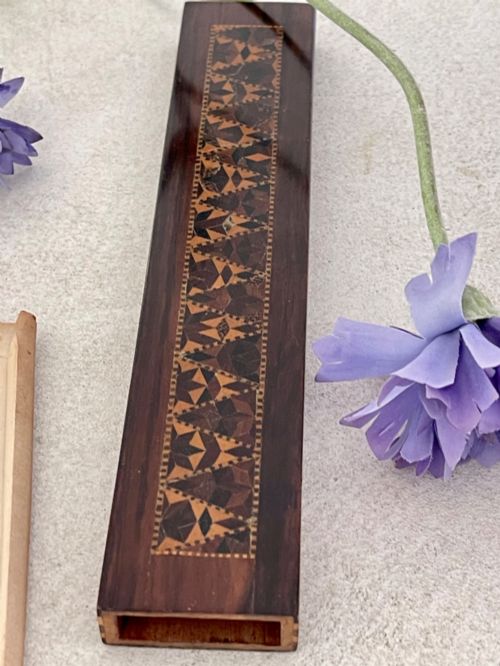
Silversmiths formed novelty pin cushions and thimble cases using sheet silver and cast components, often incorporating velvet inserts to hold pins securely. Woodworkers turned mahogany and fruitwoods on a lathe, applying Tunbridge ware mosaic decoration or integrating metal hardware for clamps and silk holders.
Enamelwork and stone settings decorated pieces like Norwegian thimbles and French chatelaine cases, adding colour to metal surfaces. Pierced floral scrollwork on cotton holders required careful piercing and engraving by hand.
Listings feature sterling silver, velvet, ormolu, turned wood and corozo nut across Edwardian, Victorian and Georgian periods.
What varies in quality
Makers' marks and assay office stamps add clarity to silver pieces, while the survival of original velvet, silk and fitted leather or ormolu cases preserves the integrity of the object.
David Andersen·Walter And George Myers·Charles Horner·Artificer's Guild
The Vintage Sewing Accessories Glossary
- Novelty pin cushion
- A pin cushion shaped to resemble an animal, vehicle or everyday object rather than a standard geometric form. These figural pieces date largely from the Edwardian period.
- Chatelaine case
- A decorative hook worn at the waist with suspended chains holding small utility items such as thimble holders or scissors. They combine personal ornament with sewing readiness.
- Tunbridge ware
- A form of woodworking characterised by mosaic patterns assembled from thousands of tiny tinted wood blocks. It appears on Victorian sewing clamps and silk skein holders.
- Treen
- Small handmade wooden household objects turned or carved from a single piece of timber. These utilitarian sewing accessories utilise the natural grain and density of wood.
- Corozo nut
- The hard seed of a tropical palm utilised as a substitute for ivory in small turned containers like thimble cases. It takes a smooth polish and ages to a warm tone.
Vintage Sewing Accessories: Frequently Asked Questions
What periods do these sewing pieces come from?
The pieces span several centuries, with items originating from the Georgian era, the Victorian period and the Edwardian years. Later examples reach into the mid-twentieth century.
Design styles shift from geometric Tunbridge ware and mahogany boxes in the nineteenth century to whimsical silver animal novelties popular in the early nineteen-hundreds.
How were novelty silver pin cushions used?
Silver animal pin cushions sat on dressing tables and sewing desks to hold pins and needles close at hand during needlework. Their humorous forms added a touch of entertainment to domestic tasks.
Wealthy households collected matching figural designs, ranging from pigs and frogs to shoes and vehicles, turning utility items into decorative ornaments.
What is Tunbridge ware?
Tunbridge ware is a specialised form of nineteenth-century woodwork featuring intricate mosaic patterns. Craftsmen glued thousands of tiny triangles and squares of naturally coloured woods together to form geometric designs.
These mosaics decorated sewing clamps, silk holders and small boxes produced in Kent, creating detailed surfaces prized by collectors.
How do I tell an Edwardian piece from a Victorian one?
Edwardian sewing accessories often lean towards lighter, highly detailed novelty silver forms like small animals and vehicles. Victorian pieces frequently utilise heavier cast silver, mahogany, corozo nut and elaborate ormolu chatelaine cases.
Assay marks and hallmarks stamped on the silver components provide specific dates and locations of manufacture to confirm the exact period.