


Vintage Sewing Thimble
A vintage sewing thimble is a small protective cap for needlework that collectors prize for its fine metalwork and association with historic needlecraft.
Vintage Sewing Thimble
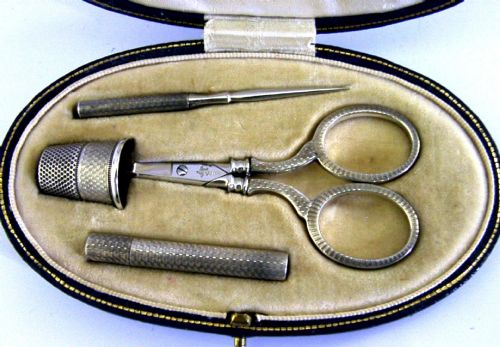
When you search for a vintage sewing thimble, you encounter small protective caps designed for needlework, frequently paired with fitted cases or housed within larger haberdashery sets. The examples on this page span the Victorian era, the late nineteenth century, and the nineteen-forties, originating from French, English, and Scandinavian makers.
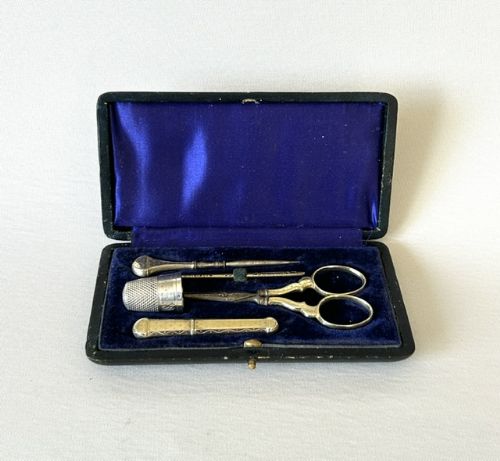
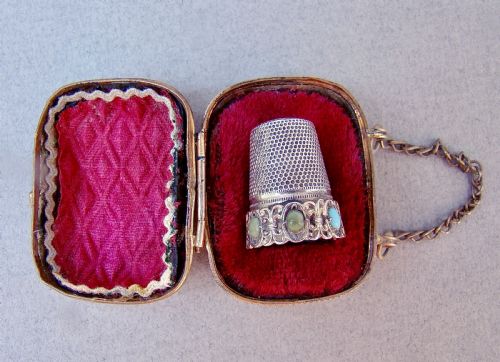
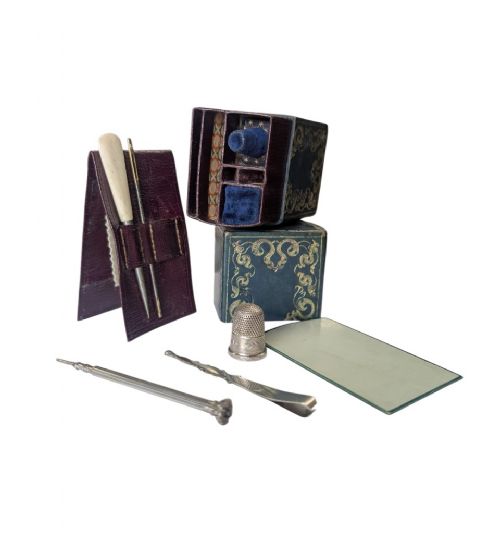
Most items you meet here take the form of individual thimbles or complete sewing sets. Some pieces emerge as part of elaborate silver gilt compendiums, or rest inside velvet and leather cases.
The styles range from nineteenth-century French designs to mid-century modern Scandinavian work. These objects reflect the domestic needlecraft of past centuries and the high standards of nineteenth-century metalwork.
Materials and construction
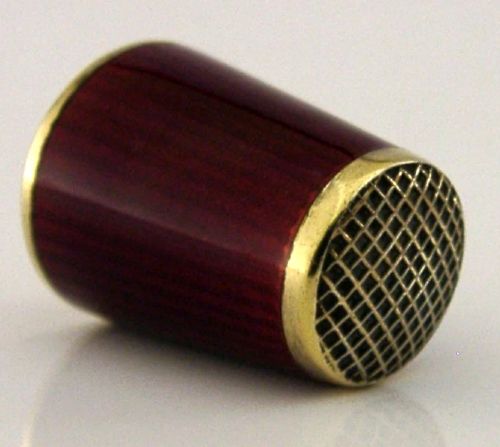
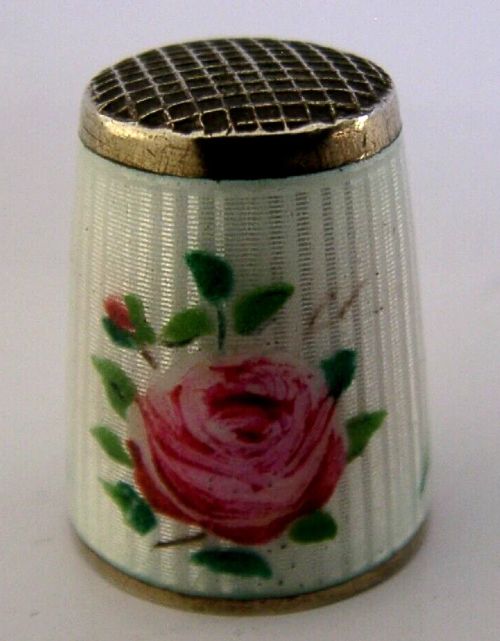
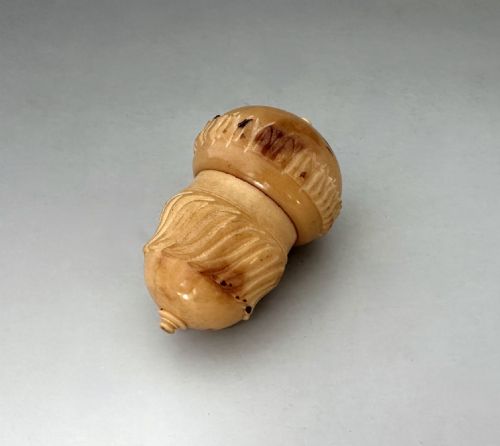
Makers shaped these objects using sterling silver, silver gilt, and gold vermeil, often embellishing the metal with vitreous enamel in red or rose tones. Workshops also utilised ormolu for chatelaine cases and carved natural materials such as corozo nut and ebony for fitted boxes.
Stone setting appeared on specific silver examples housed in decorative ormolu holders. Interiors frequently featured velvet and leather linings to protect the metal surfaces of the thimbles during storage.
Vintage Sewing Thimble Retail Price Guide 2026
Typical asking prices for vintage sewing thimble among the pieces listed under this phrase on Sellingantiques today, from the lower quarter to the upper quarter. They describe what is for sale here now, not the wider market.
Materials span sterling silver, gold vermeil, ormolu, enamel, velvet, leather, ebony, and corozo nut.
Distinctions in quality
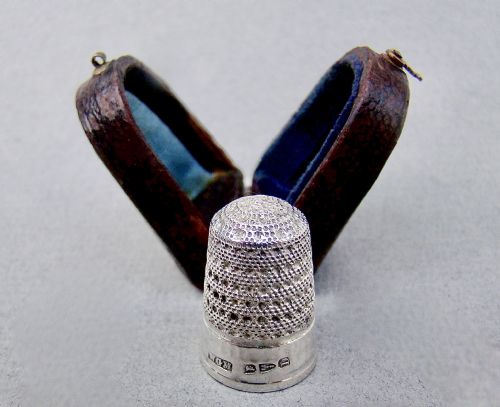
Quality rests in the crispness of the dimpling on the cap and the precision of the applied enamel or stone setting. Pieces by named makers such as David Andersen or Charles Horner display superior execution in their metalwork and decorative finishes.
The survival of original fitted cases, whether egg-shaped or rectangular, alters the character of the object. Complete sets involving chatelaine holders and matched sewing accessories indicate higher initial manufacture.
David Andersen·Walter and George Myers·Charles Horner
The Vintage Sewing Thimble Glossary
- Silver gilt
- Silver covered with a thin layer of gold, providing a rich golden surface over a silver base. This technique was common in nineteenth-century French sewing compendiums.
- Ormolu
- Gilded bronze used for decorative mounts and protective cases during the Victorian period. It adds a bright, metallic sheen to chatelaine holders.
- Chatelaine
- A decorative belt hook worn to suspend small household tools such as sewing accessories and thimble cases. Victorian ladies utilised them for easy access during needlework.
- Vitreous enamel
- Glass fused to a metal surface through high-temperature firing, creating durable colour. Scandinavian makers applied this technique to silver thimbles.
- Haberdashery
- Small articles used in sewing, including pins, needles, and thimbles. Dressing table sets often gather these items together in wooden boxes.
Vintage Sewing Thimble: Frequently Asked Questions
What are vintage sewing thimbles made of?
These pieces use sterling silver, silver gilt, and gold vermeil, frequently enhanced with vitreous enamel. Makers also incorporated ormolu, corozo nut, and ebony for the associated cases and boxes.
Textiles like velvet and leather appear inside the fitted containers to cushion the metalwork.
How do I identify a Victorian thimble case?
Victorian cases often take specific forms such as egg-shaped ormolu holders, leather boxes, or carved corozo nut containers. They were designed to protect individual silver thimbles or form part of larger dressing table sets.
The materials and decorative hardware align with nineteenth-century manufacturing standards.
Who made these silver thimbles?
Recorded makers include silversmiths and firms such as Charles Horner and Walter and George Myers in England, alongside Scandinavian workshops like David Andersen.
These makers marked their silver pieces to indicate the workshop of origin and the year of assay.
How were sewing compendiums used?
Sewing compendiums grouped multiple needlework accessories together in one portable container for domestic use. They held thimbles, needles, and threads in dedicated compartments.
Victorian households relied on these sets to keep haberdashery organised on dressing tables.