



Scandinavian Enamel Silver
Scandinavian enamel silver pieces bring together precise metallic craftsmanship and vibrant vitreous coatings, offering collectors an eye-catching slice of northern design history.
Scandinavian Enamel Silver
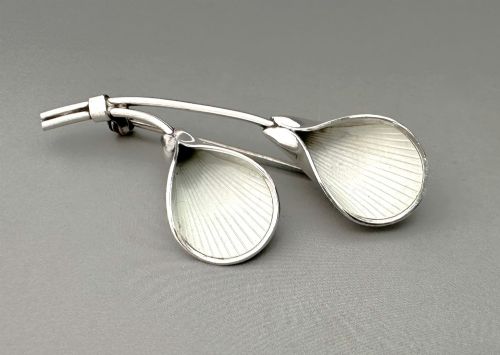
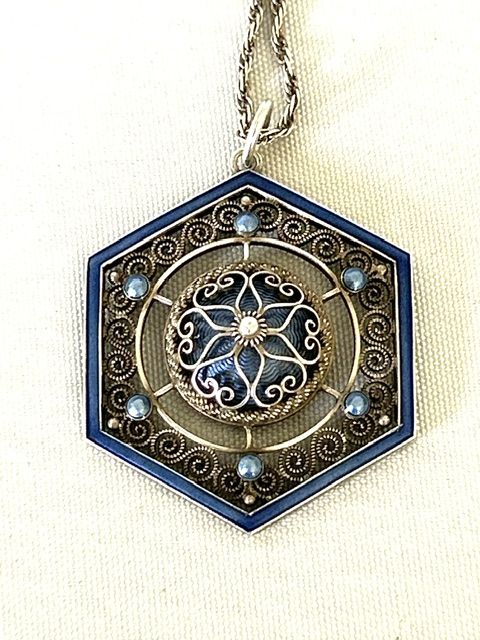
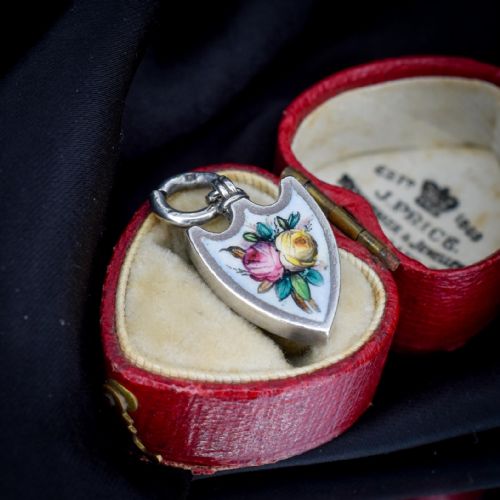
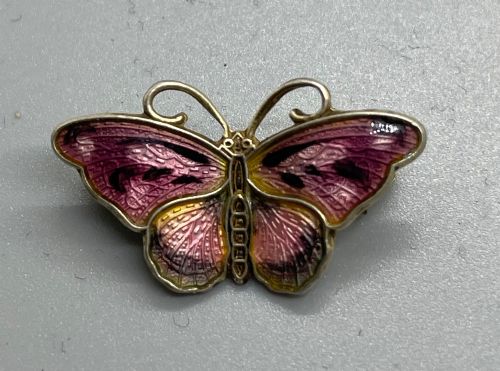
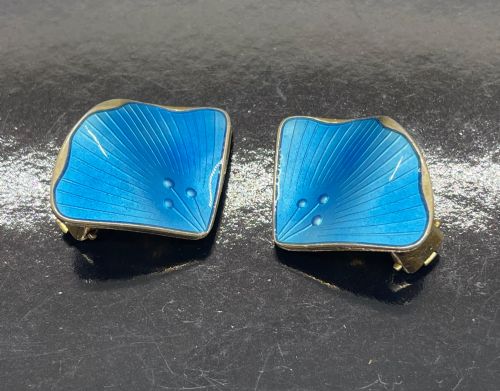
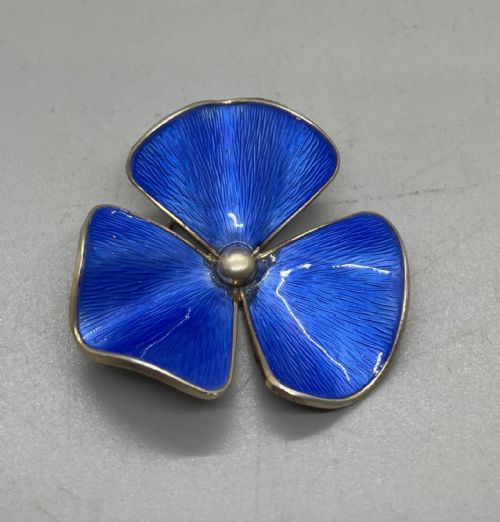
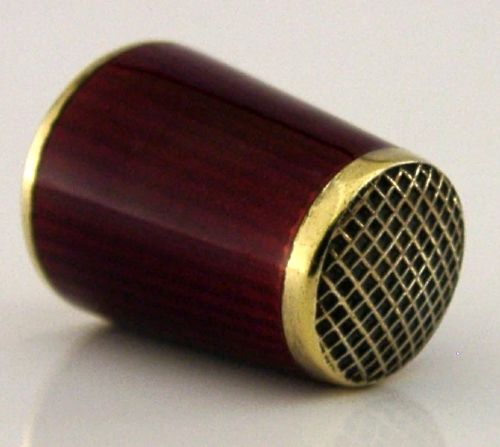
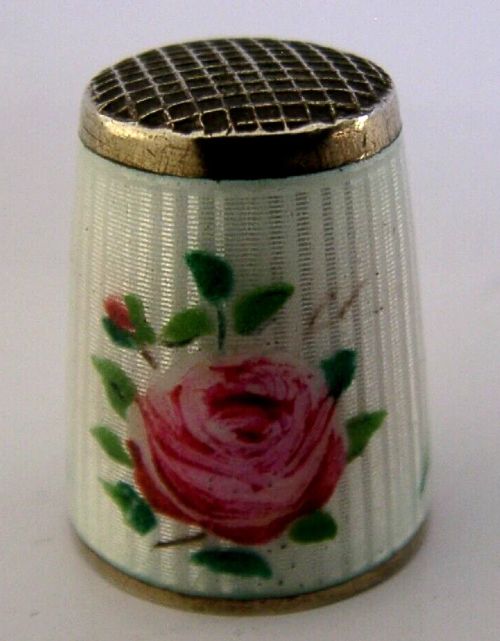
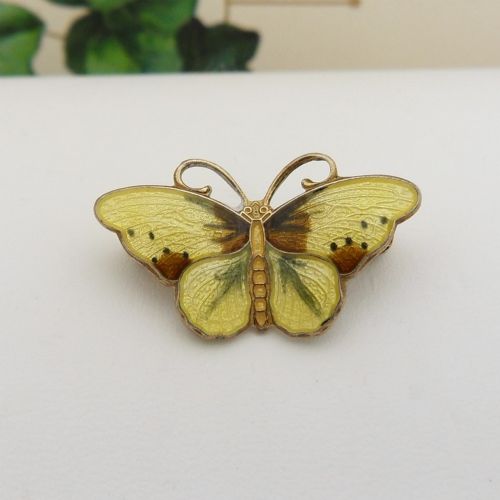
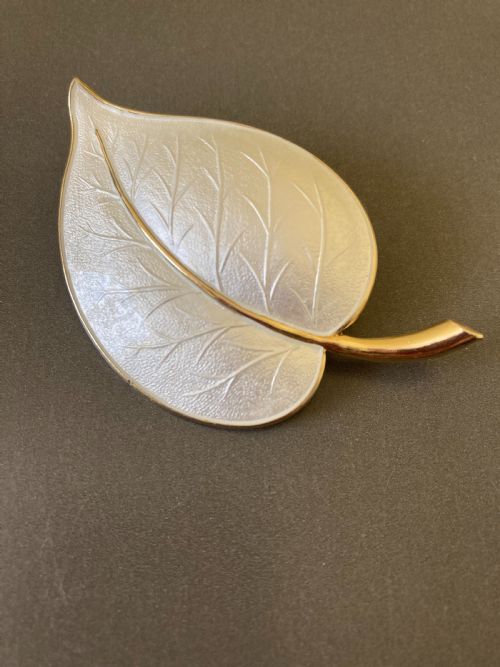
Scandinavian enamel silver spans wearable accessories and small table items produced across the twentieth century. Brooches, pendants, and earrings dominate the selection, frequently taking the form of butterflies, flowers, and leaves. Buyers also encounter functional objects such as sewing thimbles, napkin rings, spoons, and cocktail shakers.
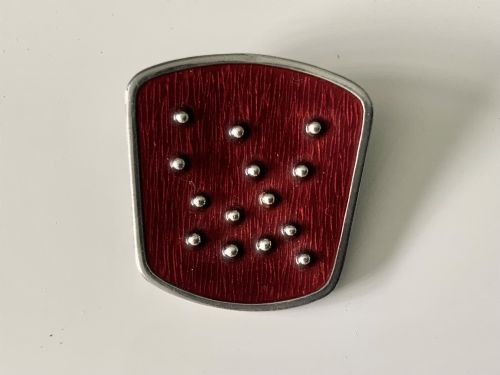
Items originating from Norway form the bulk of the available material, alongside examples from Denmark. Production dates stretch from the Victorian era and the early decades of the twentieth century through the mid-century modern period of the 1950s and 1960s. Art Nouveau and Art Deco aesthetics heavily influence the older designs, while later items embrace clean modernist lines.
The objects combine precious metals with colourful fused glass coatings, often applied over engine-turned patterns. Whether purchasing a floral brooch or a cased set of spoons, collectors secure items that showcase traditional northern European metalsmithing.
How they were made
Silversmiths constructed the foundational bodies using sterling silver or silver gilt, sometimes applying gold vermeil finishes to achieve a rich golden hue over the metal. Artisans shaped these components into intricate jewellery settings, hollowware, and flatware before adding decorative details.
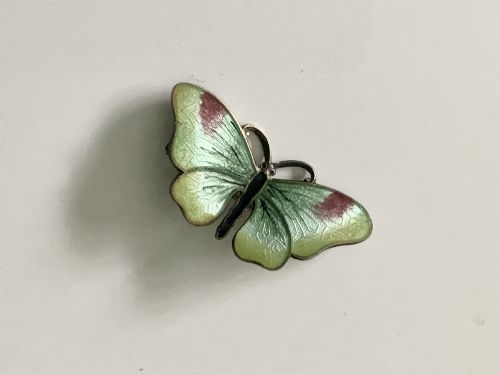
Vitreous enamel and guilloche enamel provided the vivid colour fields, fused to the silver base through high-temperature firing. Engine-turned guilloche patterns beneath translucent enamel created geometric light reflections across butterfly wings and floral petals.
Listings feature items spanning the Victorian era through the 1960s, executed in sterling silver, silver gilt, and vitreous enamel.
What varies in quality
The precision of the guilloche engine-turning dictates the baseline sophistication of the surface pattern beneath the translucent glaze. Deeper, sharper machine engraving catches the light more effectively than shallow or uneven texturing.
The clarity and depth of the fired enamel colour separate standard production items from masterworks. Smooth, even vitrification without cloudiness or surface pitting demonstrates superior furnace control by the workshop.
Marius Hammer·Aksel Holmsen·David Andersen·Hroar Prydz·Gustav Gaudernack
The Scandinavian Enamel Silver Glossary
- Guilloche enamel
- Vitreous enamel applied over a metal surface that has been mechanically engraved with a repetitive geometric pattern. This technique allows light to pass through the coloured glass and reflect off the textured metal beneath.
- Silver gilt
- Sterling silver that has been coated with a thin layer of gold. It is also known as vermeil and provides a warm golden tone while retaining a silver structural base.
- Vitreous enamel
- A material made by fusing powdered glass to a substrate by firing, usually between seven hundred and nine hundred degrees Celsius. The powder melts, flows, and hardens to a smooth, durable glass coating.
- Sterling silver
- An alloy of silver containing ninety-two point five percent by mass of silver and seven point five percent by mass of other metals, usually copper. This standard ensures structural durability for detailed items like brooches and spoons.
- Torque
- A rigid neck ring that sits open at the front, often featuring decorative terminals. It represents a distinct wearable form within Scandinavian metalwork.
Scandinavian Enamel Silver: Frequently Asked Questions
How do I identify a butterfly brooch?
Makers frequently utilised guilloche enamel over sterling silver to render wings in bright shades of red, blue, or purple. These pieces often date from the 1930s to the 1950s.
Look for detailed silver antennae and body segments framing the translucent coloured glass panels.
What is silver gilt?
Silver gilt refers to sterling silver that has received a fine coating of gold. This treatment provides a warm golden appearance while keeping the underlying metal strong.
Many Norwegian designers preferred this finish to contrast against brightly coloured enamel.
How should I clean my silver?
Enamel requires gentle care to protect the glass surface from scratching or chemical damage. Avoid abrasive dips and stiff brushes.
Use a soft microfibre cloth to polish the exposed silver elements gently.
Are these items marked?
Many pieces carry maker marks and silver purity stamps on the reverse or underside. These tiny hallmarks often indicate sterling standard and country of origin.
Examining these stamps helps attribute items to specific workshops active in Norway and Denmark.