



Norwegian Enamel Silver
Norwegian enamel silver pieces bring together bright vitreous colours and precious metalwork, offering collectors intricate butterflies, floral motifs and practical tableware from the late Victorian period onwards.
Norwegian Enamel Silver
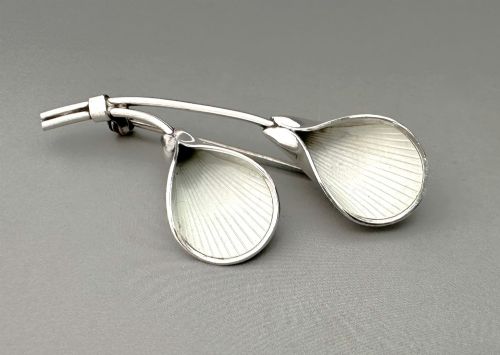
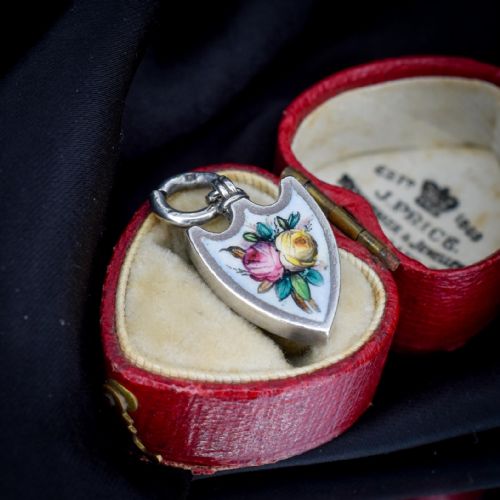
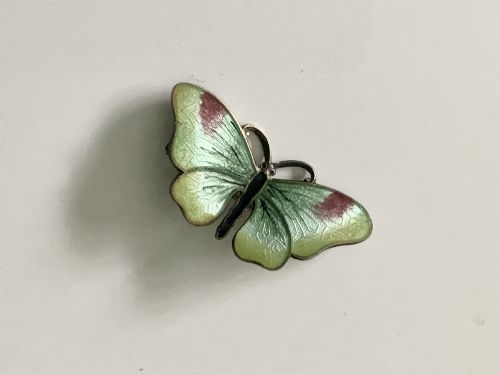
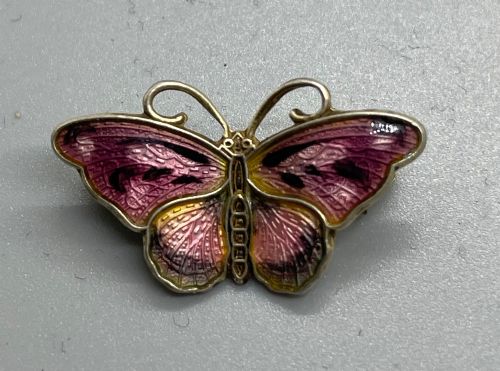
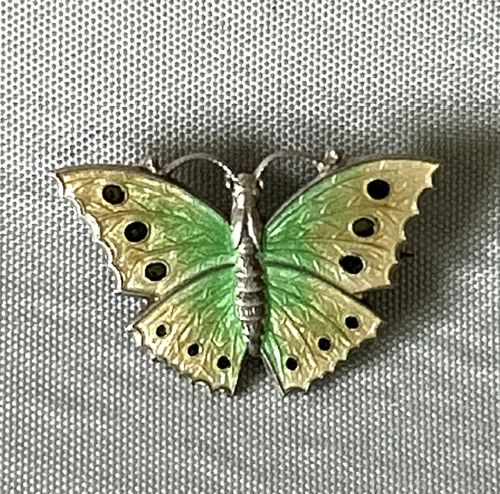
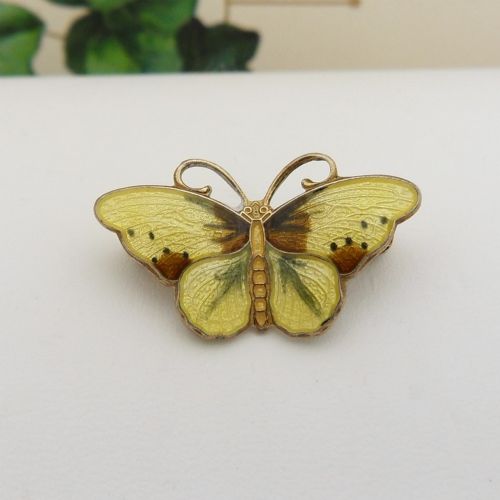
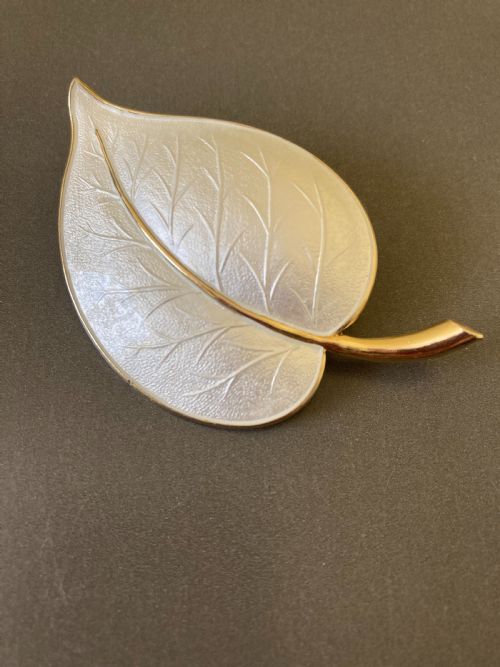
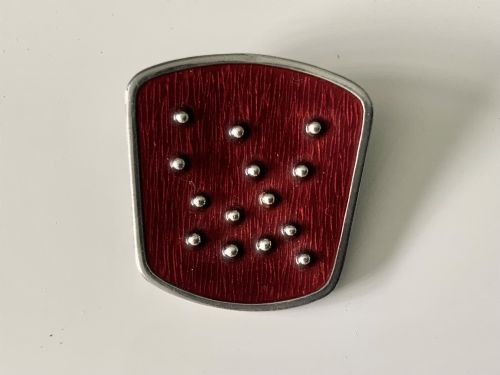
When searching for norwegian enamel silver, buyers encounter a diverse range of personal adornments and dining accessories spanning the twentieth century. Brooches dominate the selection, frequently taking the form of naturalistic butterflies, floral sprays, or geometric Art Deco motifs.
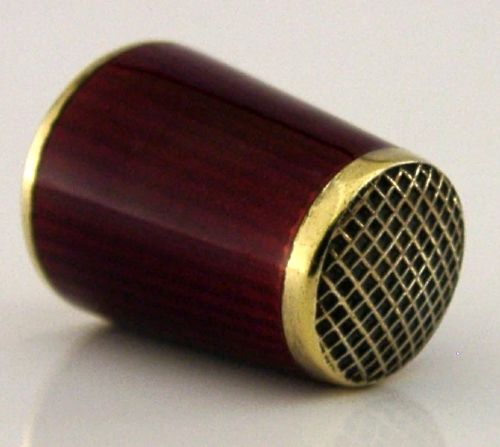
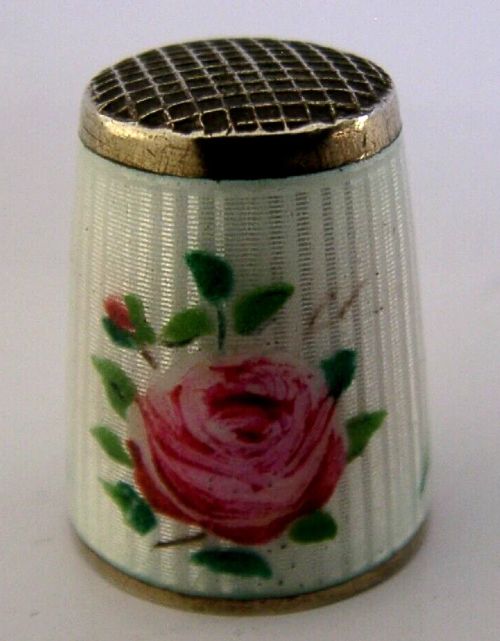
Beyond jewellery, the selection includes functional domestic items such as salt cellars, napkin rings, cocktail shakers, teaspoons, and thimbles. These smaller domestic objects demonstrate how silversmiths applied coloured glass fusion to everyday dining equipment.
Most examples originate from the mid-century decades, particularly the 1950s and 1960s, alongside earlier Art Nouveau and Art Deco pieces from the early 1900s to the 1930s. The common thread across these periods is the marriage of sterling or silver gilt bases with translucent coloured enamels.
Materials and Techniques
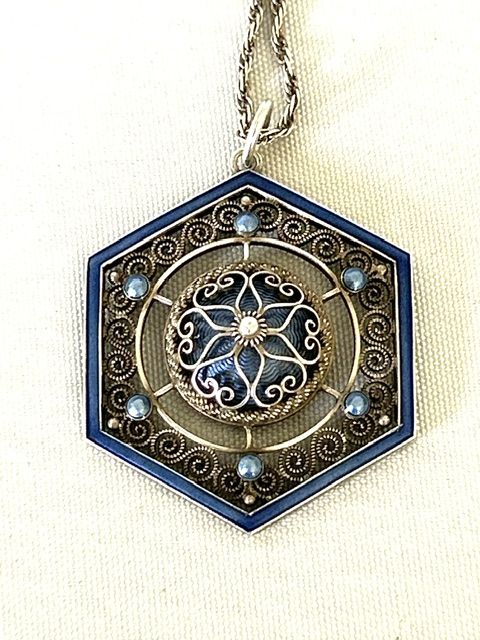
The foundation of these pieces relies on sterling silver or silver gilt, which is frequently coated in a layer of gold vermeil to enhance the brilliance of the overlying enamel. Artisans formed intricate metal frameworks using wirework and filigree to segment the design before applying the vitreous glass paste.
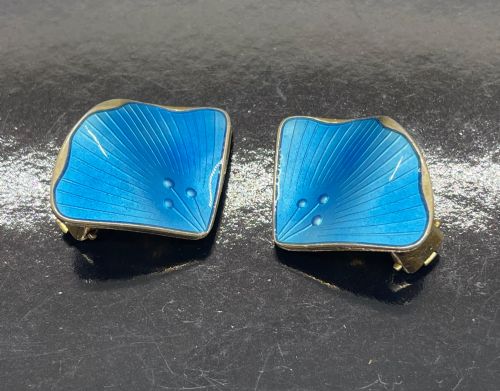
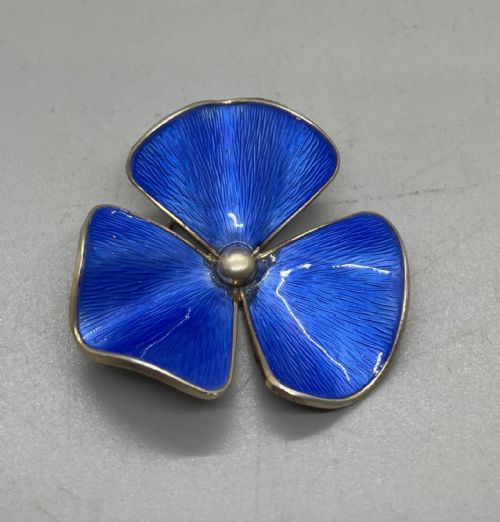
Guilloche enamel techniques appear extensively, featuring machine-turned geometric engravings beneath translucent coloured glass that catch the light. Firing the powdered glass at high temperatures fused the vitreous material permanently to the silver base, creating smooth, glossy surfaces.
The listings span from the Victorian era through the 1960s, encompassing Art Nouveau, Art Deco, and Mid-Century Scandinavian design movements.
Evaluating the Range
Quality differences stem from the complexity of the underlying metalwork and the precision of the enamel application. Master workshops executed finer guilloche patterns and more delicate filigree wire structures that elevate the visual depth of the coloured glass.
The distinction between standard silver and silver gilt finishes also alters the overall warmth and presentation of the piece. Superior items maintain intact vitreous surfaces without stress fractures, alongside crisp maker marks verifying their workshop origins.
Marius Hammer·Aksel Holmsen·David Andersen·Hroar Prydz·Gustav Gaudernack·Ivar T Holth·N M Thune·Hans Myhre
The Norwegian Enamel Silver Glossary
- Guilloche enamel
- A decorative technique where a metal surface is mechanically engraved with intricate repetitive patterns before translucent enamel is applied over the top. This allows light to reflect through the coloured glass and reveal the underlying texture.
- Vitreous enamel
- A material made by fusing powdered glass to a metallic substrate through high-temperature firing. The resulting compound creates a durable, glossy coloured coating that resists tarnishing.
- Silver gilt
- Sterling silver that has been coated with a thin layer of gold. This process provides the rich warmth of gold while maintaining a solid silver structure underneath.
- Filigree
- Delicate jewellery-making work consisting of twisted threads of silver soldered together in openwork patterns. It often forms the structural boundaries for enamel cells in Scandinavian designs.
- Vermeil
- High-quality silver plated with a heavy layer of gold. It serves as a luxurious base for transparent enamel work.
Norwegian Enamel Silver: Frequently Asked Questions
How do I clean norwegian enamel silver safely?
Clean these items gently using warm water, mild soap, and a soft cloth to protect the delicate glass surface. Avoid harsh chemical dips or ultrasonic cleaners, which can damage the vitreous enamel or strip the silver gilt layers.
Pat the piece completely dry after washing to prevent moisture from lingering in the crevices of filigree wirework. Store each item separately in a soft pouch to avoid scratching the polished enamel.
Were these enamel items used daily or displayed?
Many items, such as salt cellars, spoons, and napkin rings, were produced for active dining use during formal meals. Others, including butterfly brooches and decorative pill dishes, served purely as personal adornment or parlour ornaments.
Practical tablewares were constructed to withstand handling, though the soft nature of silver and glass meant owners often reserved them for special occasions.
How can I tell the period of a piece?
Stylistic cues offer the clearest indication of age, with early pieces showing organic Art Nouveau lines and later mid-century items favouring clean modernist geometry. Maker marks and workshop stamps stamped into the silver provide chronological markers through historical registry records.
Enamel colour palettes also shift by decade, moving from muted early tones to vibrant reds, blues, and greens in the post-war years.
What makes butterfly brooches so common?
Butterfly motifs matched the naturalistic decorative trends favoured by Scandinavian workshops throughout the early and mid-twentieth century. The spreading wings provided an ideal flat canvas for gradated guilloche enamel shading and detailed filigree bodies.
These lightweight pins were inexpensive to post and proved extremely popular with international tourists visiting Norway.