


David Andersen Silver
David andersen silver encompasses vibrant enamelled brooches, spoons and holloware created by this historic Norwegian workshop across several defining design eras.
David Andersen Silver
David andersen silver items include wearable ornaments like brooches, pendants, bracelets and earrings alongside practical objects such as spoons, napkin rings, salt cellars and thimbles. The pieces span periods from the late nineteenth century through to mid-century modern and later decades, reflecting evolving Scandinavian aesthetic movements.
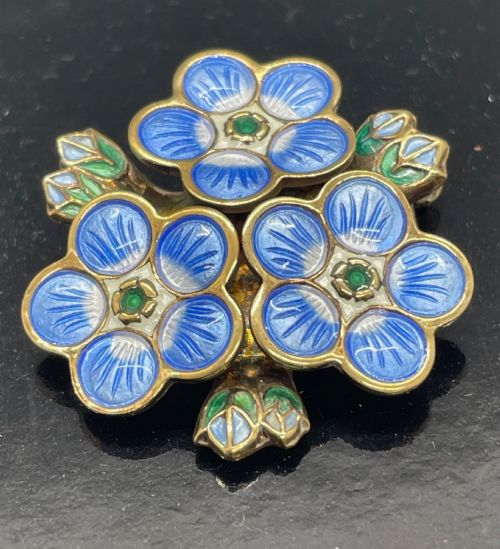
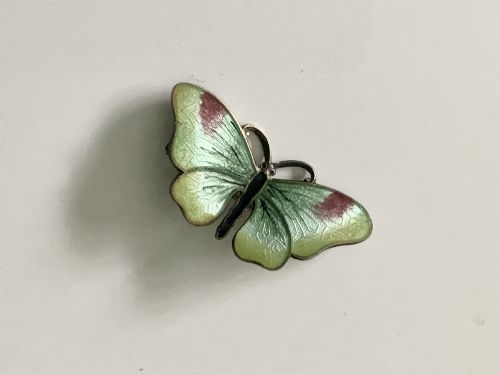
Brooches frequently depict natural subjects including butterflies, leaves, flowers and owls rendered in vivid colours. Tableware ranges from delicate caddy spoons and child sets to substantial solid silver bowls, jugs and cocktail shakers.
Most examples originate from Norway and combine precious metalwork with vitreous enamel techniques. Buyers encounter works aligned with Art Nouveau, Art Deco and Scandinavian Modern styles.
Materials and Technique
Makers shaped sterling silver and 830-grade silver into structural forms, frequently applying a gold wash known as silver gilt, gold gilt or vermeil across the metal surface. Vitreous enamel provides the bright colour palette, fused directly to the metal base.
Guilloche enamel involves machine-engraving geometric patterns beneath transparent coloured enamel layers, while plique-a-jour creates a stained-glass effect without a backing metal. Basse-taille techniques carve low relief designs under translucent enamel to yield depth and texture.
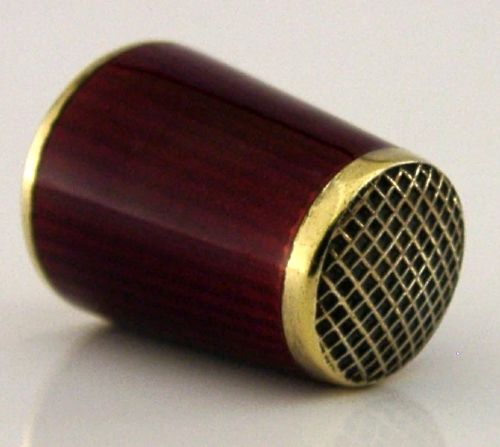
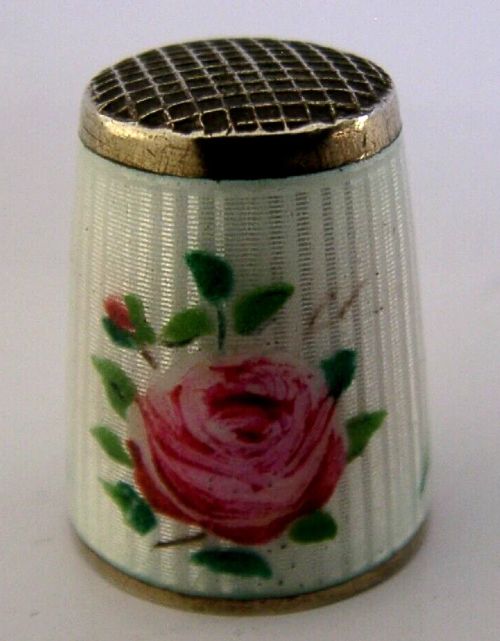
Tiny silver sewing thimbles wear cheerful coats of red, green and violet enamel, proving even mending tools deserved a vibrant holiday.
Quality and Execution
The standard of david andersen silver depends upon the complexity of the enamelling technique and the crispness of the underlying metal chasing. Pieces utilising plique-a-jour or intricate guilloche engraving demonstrate higher technical ambition than plain enamelled surfaces.
Design attribution also influences standing, with works created by specific named studio designers carrying distinct artistic merit compared to standard production lines. Preservation of the fragile glass enamel surface without loss or heavy abrasion preserves the integrity of the piece.
David Andersen·Unn Tangerud·Bjorn Sigurd Ostern
The David Andersen Silver Glossary
- Vitreous Enamel
- Glass powder fused to a metal base through high-temperature firing. This technique produces durable, glossy coloured surfaces found across Norwegian silver jewellery and tableware.
- Guilloche
- A decorative mechanical technique that etches precise geometric patterns into metal. Enamellers apply translucent coloured coatings over this engraved base to create shimmering depth.
- Silver Gilt
- Sterling silver coated with a thin layer of fine gold. This finish adds warmth and protects the underlying silver from tarnishing.
- Plique-a-Jour
- An enamelling method resembling miniature stained glass where enamel fills open metal cells without a backing. Light passes directly through the translucent coloured glass.
- Torque
- A rigid, circular neck ring or collar that sits open at the front. These sculptural pieces often feature geometric or V-shaped designs in silver.
David Andersen Silver: Frequently Asked Questions
How do I date david andersen silver?
Dating relies on stylistic markers, hallmarks and manufacturing techniques associated with specific decades. Early twentieth-century pieces often reflect Art Nouveau motifs, while items from the mid-century embrace Scandinavian Modern clean lines.
Maker marks and silver purity stamps also help determine the era of production. Comparing the object style against known periods narrows the timeline of creation.
What is guilloche enamel?
Guilloche is a decorative technique where a machine cuts precise patterns into a metal surface. Translucent enamel is then fired over the engraving to reveal shimmering, patterned light effects beneath the glass.
This method appears frequently on napkin rings, compacts and decorative spoons. The visible texture beneath the enamel distinguishes it from flat coloured surfaces.
How should I clean silver gilt items?
Silver gilt requires gentle care because harsh liquid dips or abrasive polishes can strip the thin gold layer from the metal. Soft microfibre cloths remove surface dust safely without damaging delicate enamel sections.
Keep moisture away from enamel edges to prevent long-term deterioration. Professional silver care products should be used sparingly and kept strictly off coloured glass areas.
Are butterfly brooches common?
Butterfly brooches represent a recurring motif in mid-century Norwegian production. Workshops utilised various coloured enamels to render realistic insect wings upon textured silver bodies.
These whimsical pieces remain popular among collectors seeking vibrant wearable art. Colour variations range from bright reds and yellows to subtle blues and whites.