

Antique Silver Tools
These antique silver tools span sewing accessories, barware, and desk items, offering both functional utility and distinct period charm.
Antique Silver Tools
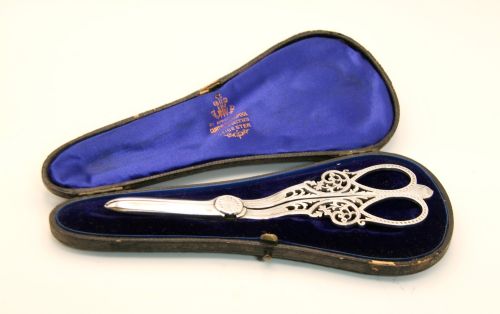
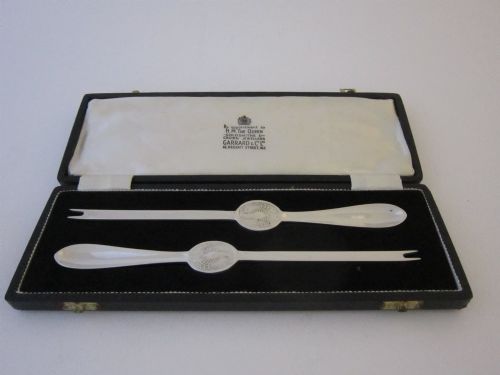
When buyers search for antique silver tools, they encounter a diverse array of functional implements spanning domestic sewing, barware, desk accessories, and personal grooming. These objects reflect the refined domestic and social habits of the Georgian, Victorian, and Edwardian eras, where everyday items received meticulous artistic attention.
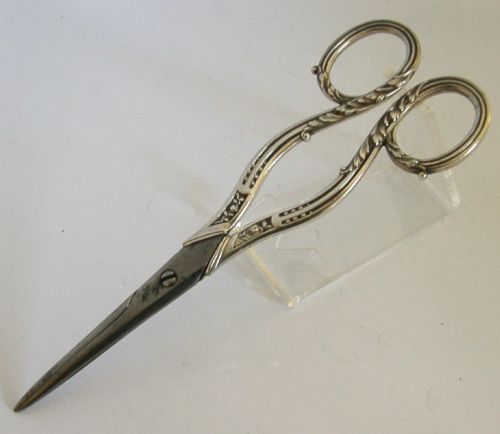
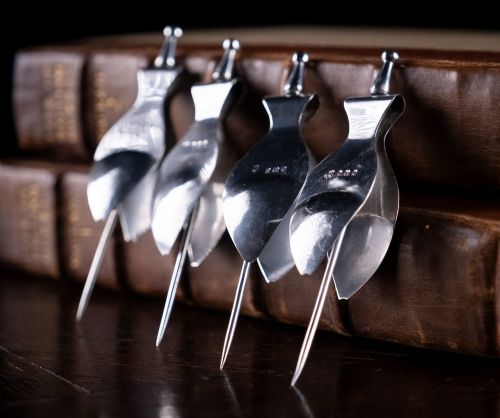
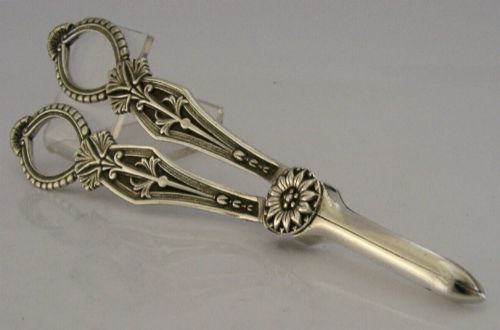
Origins vary widely across the selection, encompassing English workshops, Dutch makers, French silver gilt compendiums, and Scandinavian enamel pieces. This geographic spread introduces distinct regional styles, ranging from robust Gothic grape shears to delicate Belle Epoque and Art Deco designs.
Materials and construction
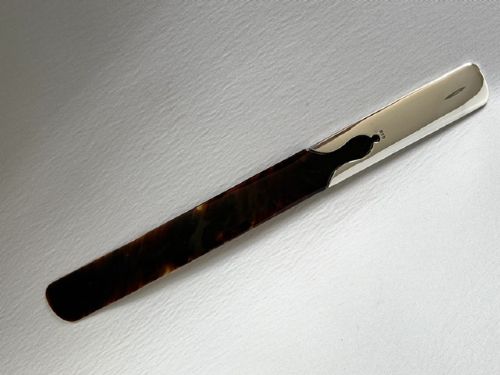
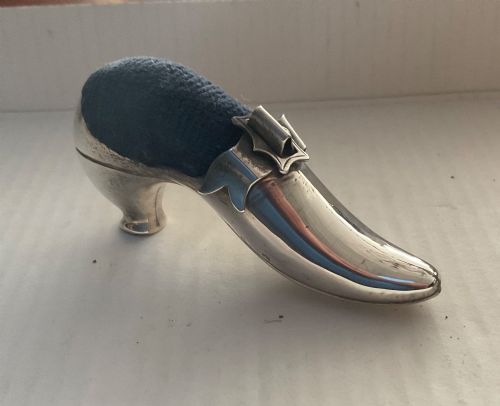
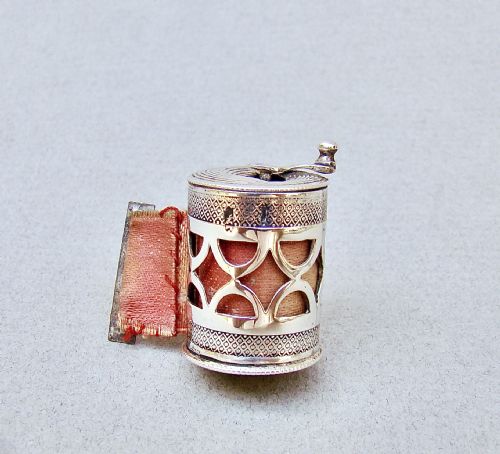
The primary material across these listings is sterling silver, frequently paired with contrasting elements such as steel for scissor blades, tortoiseshell for page turners, and glass or enamel for decorative colour. Items like pin cushions incorporate internal stuffing covered in velvet, silk, or fabric to secure pins safely.
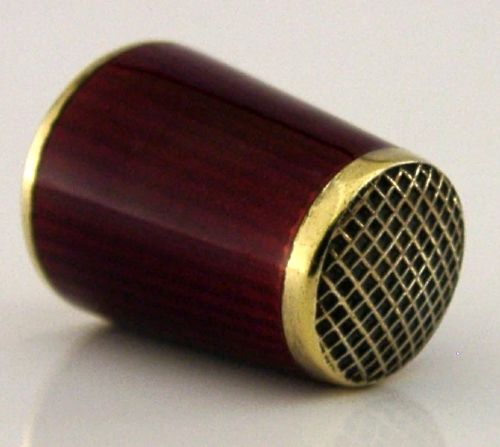
Makers utilised traditional silversmithing techniques including casting, hammering, and engraving to shape the metal components. More decorative examples feature applied guilloché enamel, intricate filigree, or combinations of silver gilt and stone settings within fitted cases.
Materials appearing across these listings include sterling silver, tortoiseshell, velvet, silk, steel, fabric, and leather.
Quality and craftsmanship
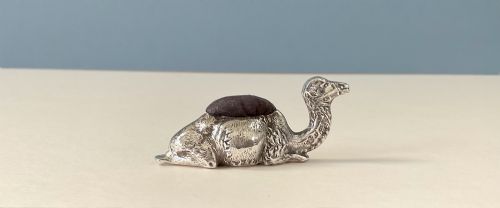
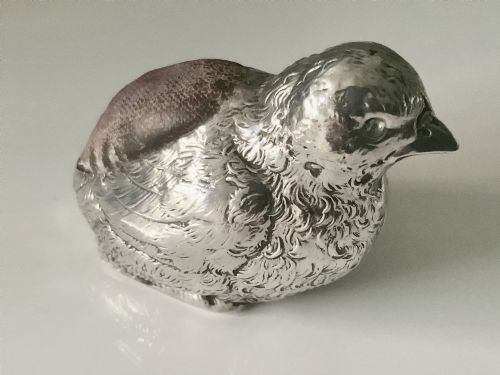
Quality in these implements is determined by the crispness of the casting and the precision of the hand-chased details, particularly in novelty pin cushions shaped like animals or objects. Superior pieces retain sharp definition in fur, feathers, and mechanical joints without softening from excessive polishing.
The integrity of secondary materials further separates standard items from exceptional ones. Intact tortoiseshell, tightly stitched velvet, and undamaged enamel or gilding indicate superior preservation and higher original workshop standards.
Adie & Lovekin·Richard Comyns·David Andersen·Lowe & Sone·Broadway & Co·Walter & George Myers
The Antique Silver Tools Glossary
- Pin Cushion
- A small domestic accessory stuffed with fabric or velvet, frequently cast in whimsical novelty shapes during the Edwardian period.
- Chatelaine
- A decorative belt hook suspended with a series of short chains carrying functional hanging tools like scissors, thimbles, and vinaigrettes.
- Vesta
- A small pocket box specifically designed for holding matches, often combined with a sealing wax compartment or vesta combination.
- Silver Gilt
- Silver object coated with a thin layer of gold on the surface, providing a rich two-tone appearance seen in nineteenth-century French pieces.
Antique Silver Tools: Frequently Asked Questions
What types of sewing tools are available?
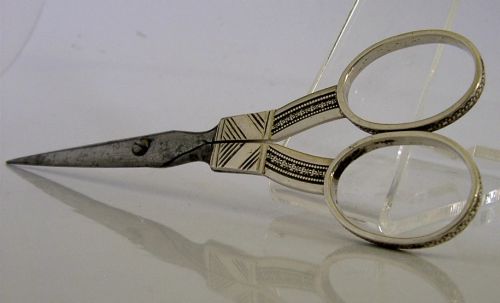
The selection includes thimbles, needles, scissors, tape measures, and chatelaines designed for domestic needlework.
Many of these sewing implements feature decorative cases made from materials like corozo nut, leather, or silver gilt.
How were novelty pin cushions used?
Novelty pin cushions served both a practical purpose on dressing tables and a decorative conversational role.
Victorian and Edwardian households prized whimsical shapes like animals, furniture, and household objects to display personality.
How do I identify Victorian pieces?
Victorian examples often display hallmarks corresponding to nineteenth-century British assay offices alongside heavier ornamentation.
Common Victorian forms include elaborate chatelaines, tinder tubes, and figural pin cushions.