
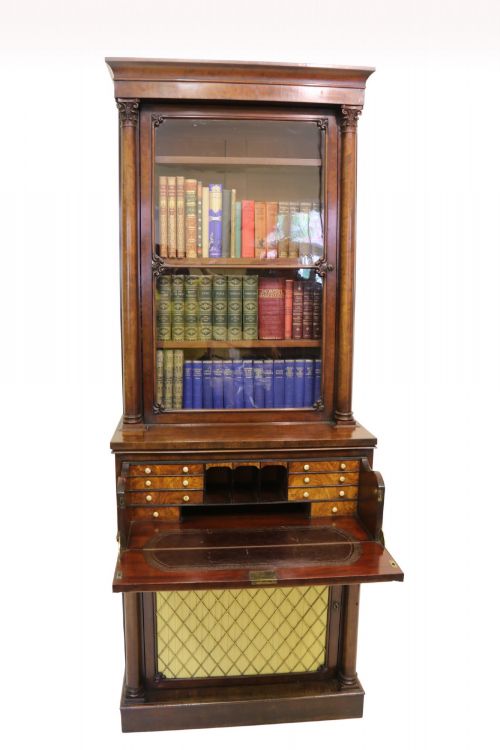


Vintage Secretaire Bookcase
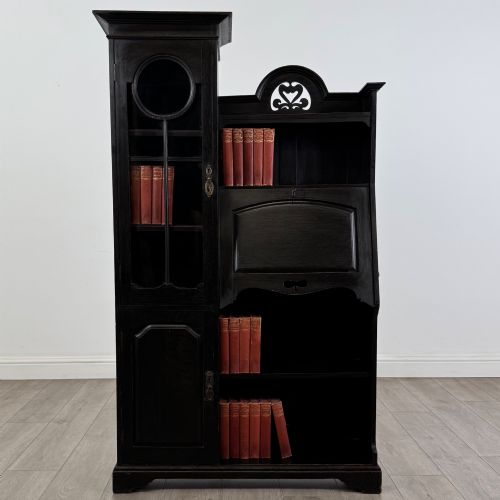
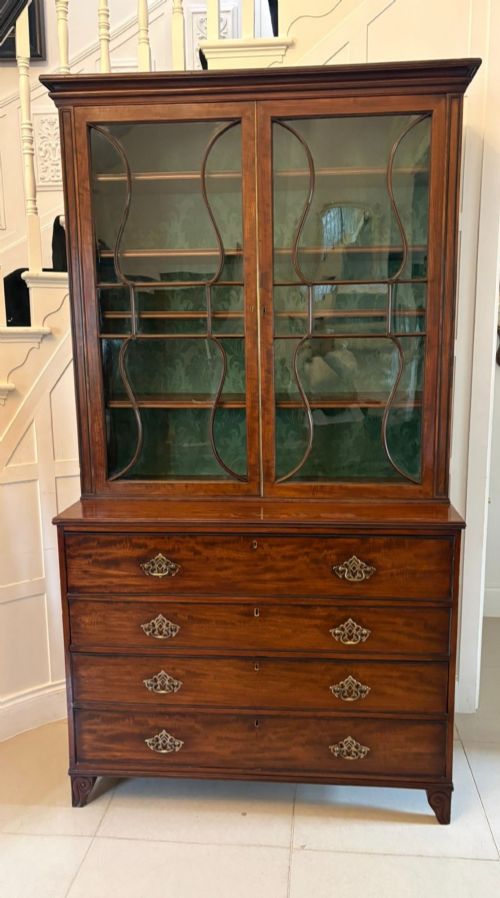
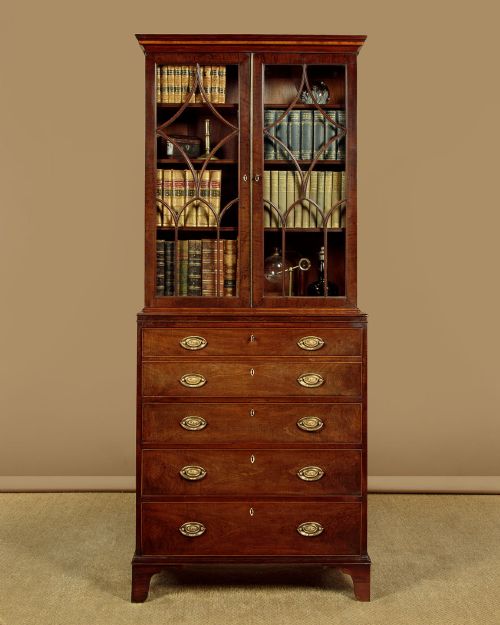
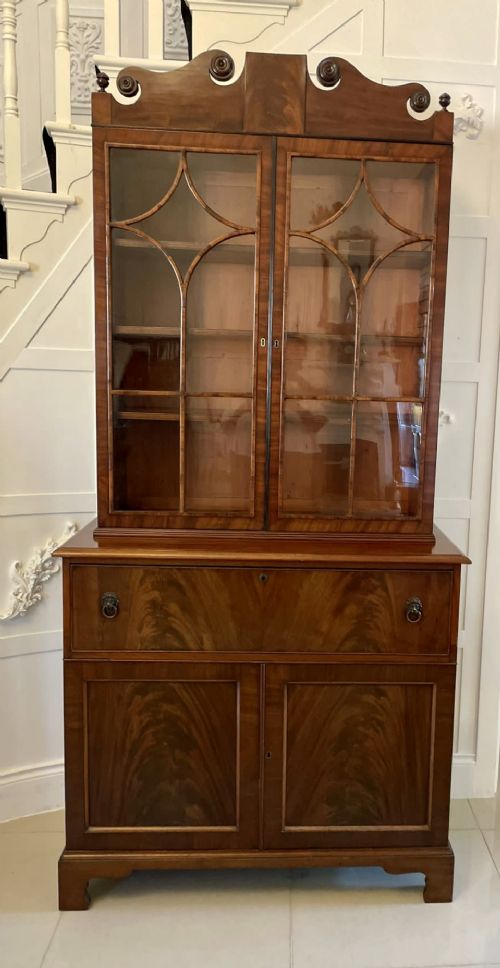
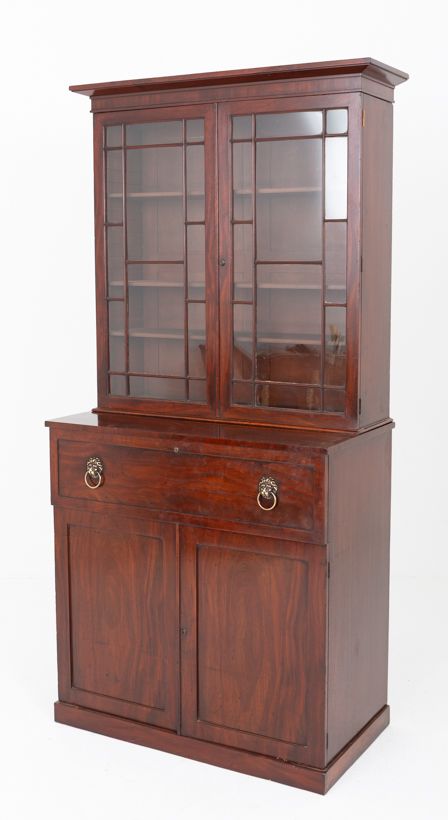
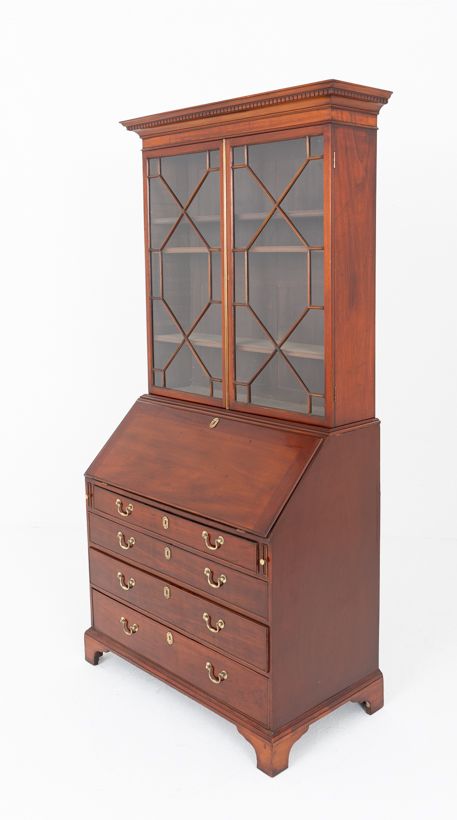
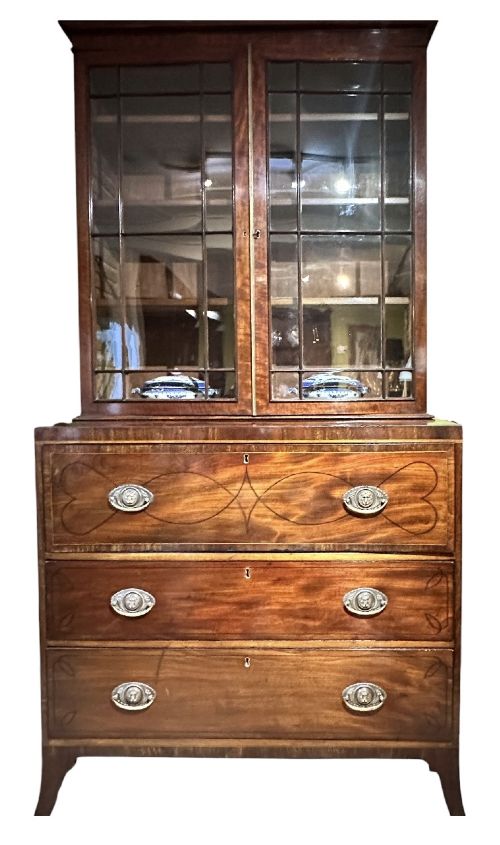
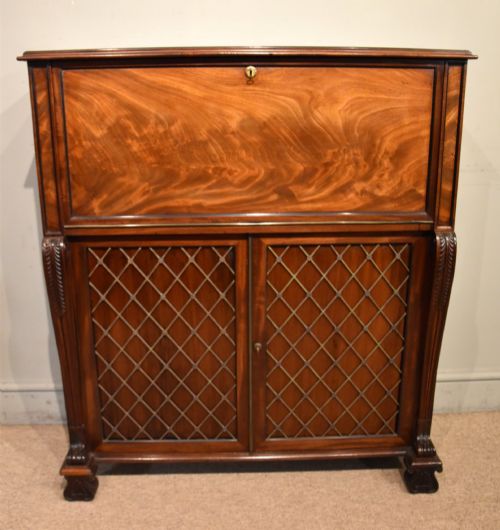
A vintage secretaire bookcase combines a fitted writing drawer with upper shelving behind glass, offering a practical workspace and display cabinet in one handsome piece of furniture.
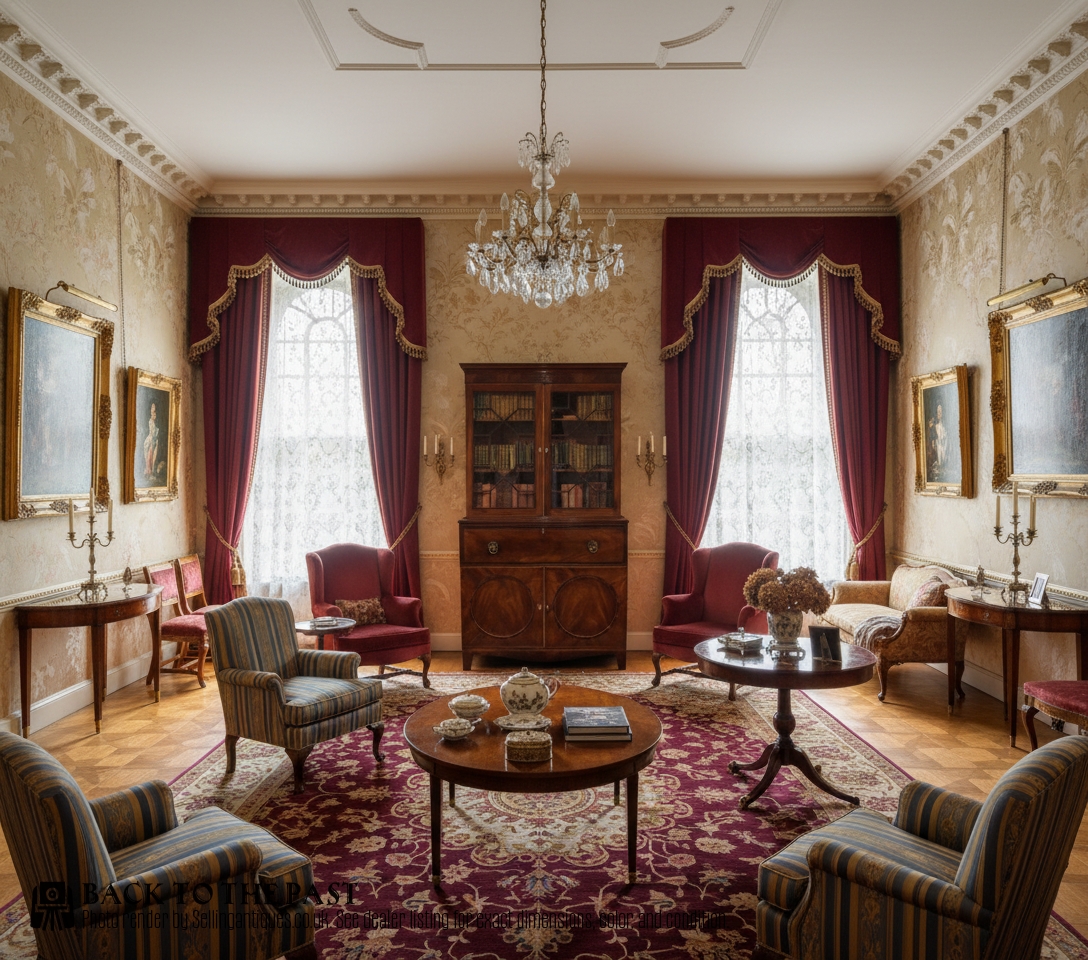
Vintage Secretaire Bookcase
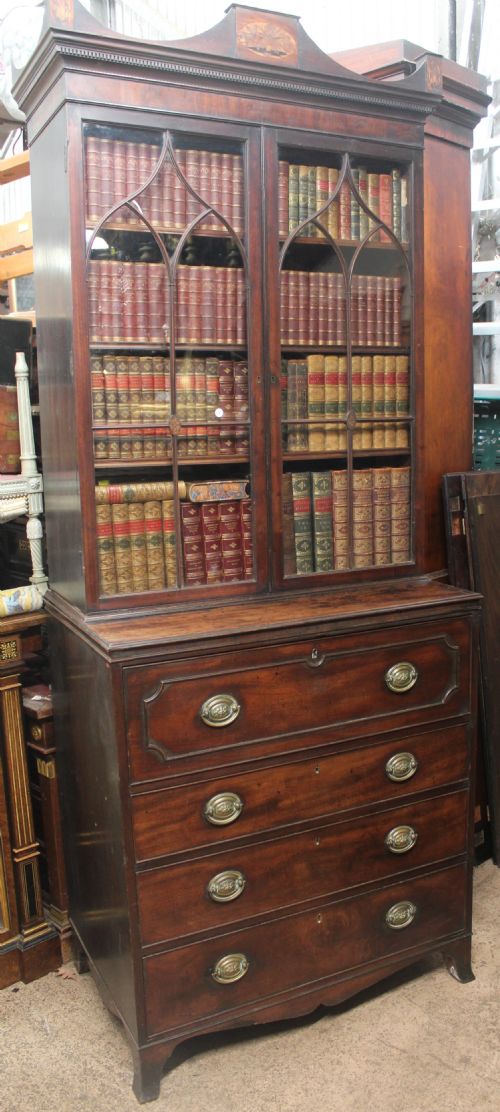
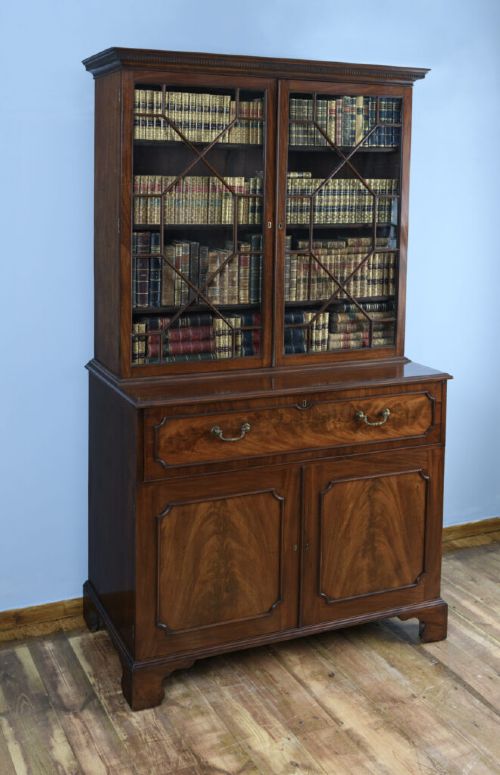
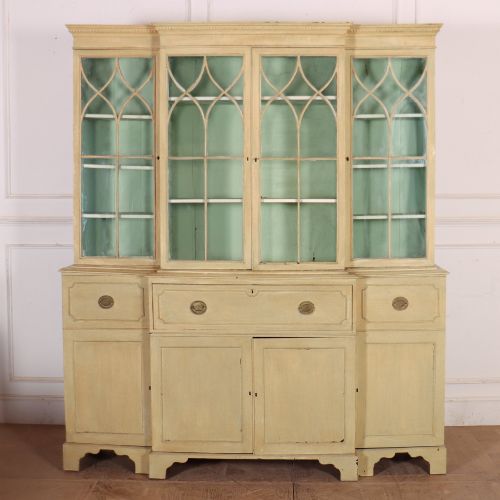
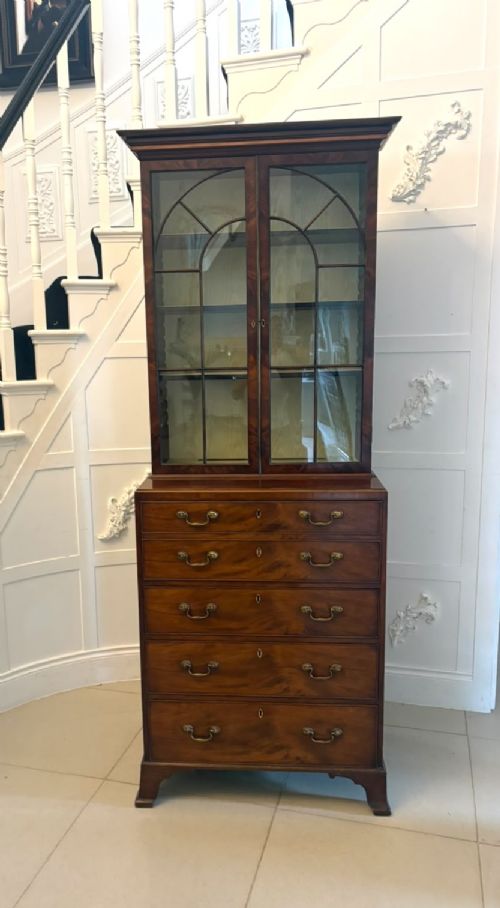
A vintage secretaire bookcase unites a lower desk drawer that pulls down to reveal a fitted writing interior with pigeonholes and small drawers, topped by glazed shelving for books. These hybrid pieces span the Georgian, Regency, Victorian and Edwardian periods, appearing in forms from tall library cabinets to smaller compact bureaux.
Mahogany dominates the selection, frequently paired with flame veneers or satinwood inlay, alongside examples in oak, pine and rosewood. The upper section typically secures books behind glass doors, whilst the lower cabinet conceals the writing surface and additional drawers.
Most pieces date from the eighteenth and nineteenth centuries, reflecting shifts in cabinet making from strict Georgian proportions through Regency refinement to later Victorian and Edwardian interpretations. Buyers encounter standard upright formats alongside specialised variants such as small secretaire bureaux and side cabinets.
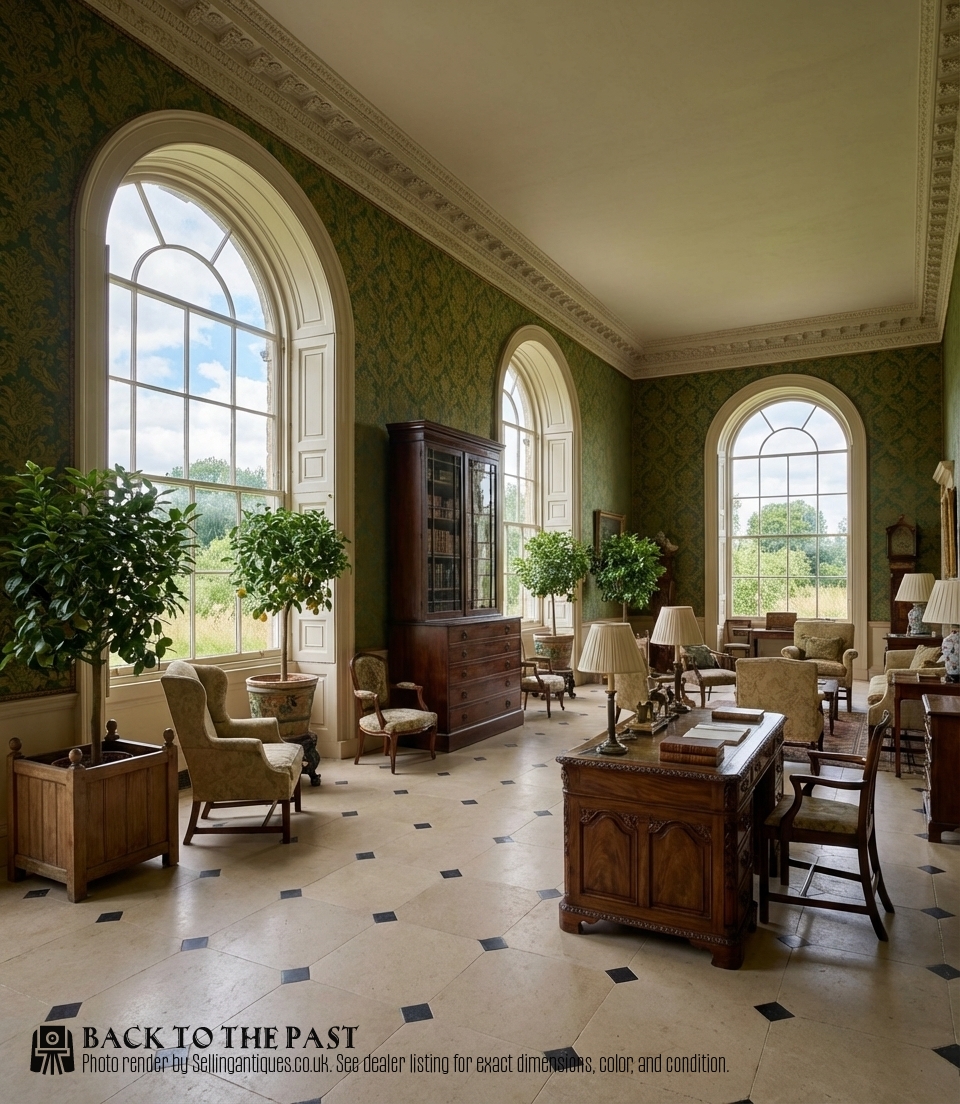
What varies in quality
The choice of timber underpins the visual impact, distinguishing standard mahogany builds from those utilising richly figured flame mahogany, satinwood or marquetry inlay. The sophistication of the internal fittings, including secret compartments and finely turned small drawers, separates standard cabinet work from exceptional pieces.
Proportion and glazing detail also define the hierarchy, with slender astragal bars and balanced carcase dimensions marking out pieces produced by skilled workshops. The crispness of carved mouldings and the retention of original brass hardware contribute further to the standing of an individual cabinet.
Some secretaire drawers include hidden spring-loaded release buttons that pop open secret compartments behind the pigeonholes.
Gillows of Lancaster
The Vintage Secretaire Bookcase Glossary
- Secretaire
- A desk or writing cabinet featuring a fall-front drawer that drops to reveal a writing surface and small interior compartments. This clever mechanism conceals utilitarian writing equipment behind the appearance of a standard drawer.
- Astragal glazed
- Glass doors divided by thin wooden strips into smaller panes. This technique allows secure visibility for books while maintaining structural rigidity in the upper cabinet.
- Flame mahogany
- A veneer cut from the fork of the mahogany tree where the branch joins the trunk. It creates a distinctive, swirling flame-like pattern across the wood surface.
- Fitted interior
- The arrangement of pigeonholes, tiny drawers and small compartments housed inside the drop-down writing drawer. It provides organised storage for letters and documents.
Vintage Secretaire Bookcase: Frequently Asked Questions
What is a secretaire bookcase?
A secretaire bookcase is a dual-purpose piece of furniture featuring a pull-down writing drawer above lower storage and an upper glazed cabinet for books.
It allows a writer to conceal paperwork instantly by closing the fall-front flap, returning the room to an orderly library or sitting room.
How do I date a secretaire bookcase?
Dating relies on stylistic clues such as the timber used, the configuration of the glazing bars, and the overall proportions of the carcase.
Georgian and Regency examples tend to feature strict architectural lines and figured mahogany, whereas later Victorian and Edwardian pieces introduce alternative woods and heavier mouldings.
Are the writing surfaces original?
Many writing surfaces retain their original leather or felt inserts, though some have been replaced over the centuries during routine conservation.
Checking the perimeter tooling and the wear on the leather helps determine whether the writing surface dates to the period of manufacture.
How do I care for mahogany veneer?
Mahogany veneer requires stable room humidity and protection from direct sunlight to prevent the timber from drying out or fading.
Applying a traditional beeswax polish maintains the lustre of the wood without building up synthetic residues.