




Vintage Scottish Painting
When you search for vintage scottish painting, you find works capturing rugged landscapes and coastal scenes from the nineteenth and twentieth centuries.
Vintage Scottish Painting
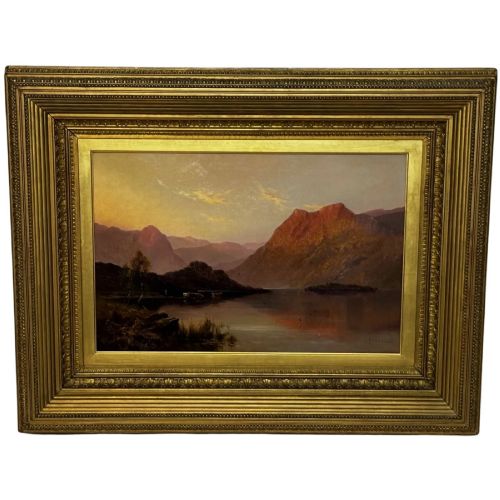
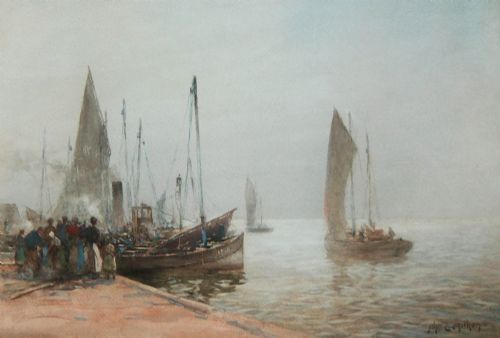
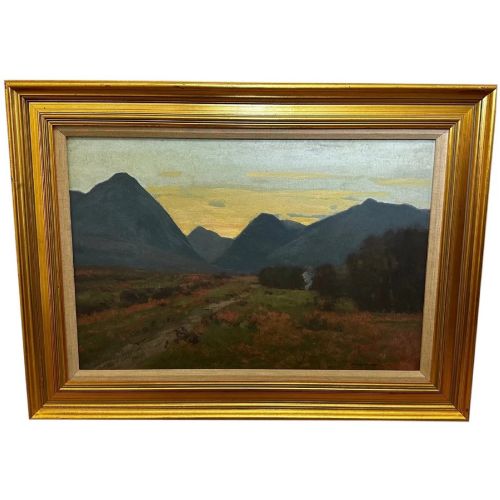
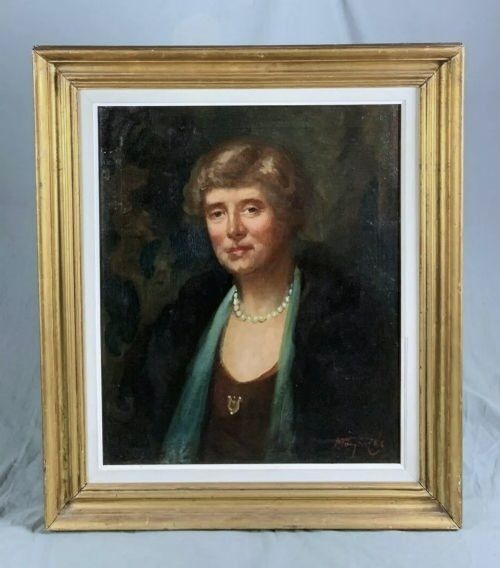
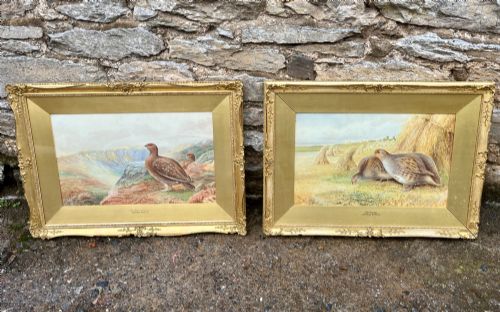
A vintage scottish painting records the changing light over highland landscapes, lochs, and coastal villages through the nineteenth and twentieth centuries. These works range from pastoral watercolours depicting local figures to rich oil paintings showing cattle in highland glens.
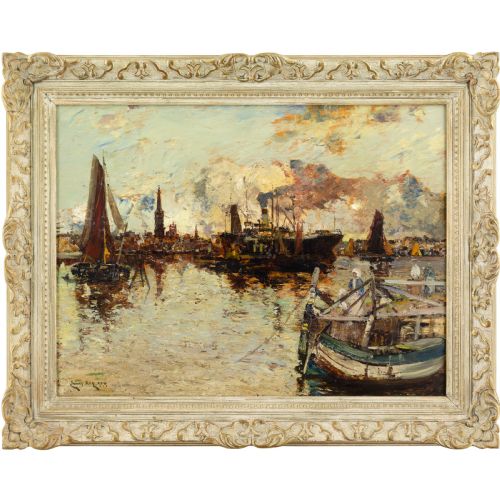
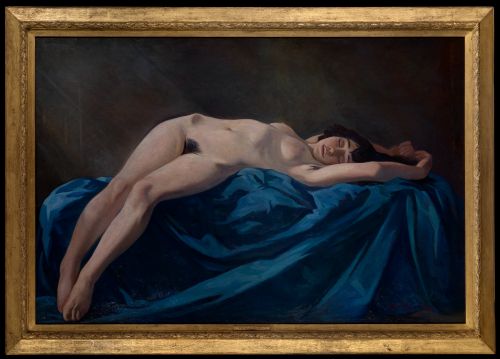
The selections span traditional Victorian views and move toward the freer brushwork of early twentieth-century and mid-century modern interpretations. Collectors encounter everything from intimate interior watercolours to expansive canvas views signed by regional artists.
Many of these vintage scottish painting examples reflect distinct regional movements, including works by members of the Royal Scottish Academy and exponents of Scottish Impressionism.
How They Were Made
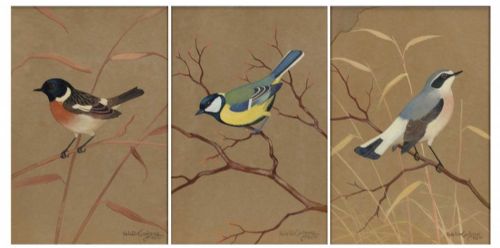
Artists worked primarily with oil on canvas or wood panel, alongside watercolour and gouache applied to heavy paper boards. These traditional mediums allowed painters to build deep textures or apply transparent washes that captured shifting weather.
Canvases and panels received ground layers before paint was applied with bristle brushes or palette knives, creating either smooth academic finishes or thick impasto surfaces.
Recorded subjects span highland cattle, mountainous landscapes, loch views, and floral still life studies.
What Varies In Quality
Differentiation across these works relies upon the confidence of the brushwork and the artist's command of atmospheric light. Stronger pieces demonstrate a convincing sense of depth and accurate rendering of regional topography.
Condition of the support and original framing also separate works, with untouched surfaces retaining more of the painter's intended pigment saturation.
Tom Campbell·Alfred Fontville de Breanski Jr·James E. Aitken·George Houston·James Kay·Eric Robertson·Archibald Kay·Thomas Bromley Blacklock·Robert Eadie·Frank Hider·Donald McIntyre·William Littlejohn·Andrew Kurtis·William B Dealtry·John Burns Robertson·Kenneth Holmes·A Cameron·Sidney Wright·LM Dixon
The Vintage Scottish Painting Glossary
- Impasto
- Paint applied thickly to a canvas or panel, standing out in relief from the surface. This technique allows light to catch the physical texture of the brushstrokes.
- Gouache
- An opaque water-based medium that includes a white pigment binder. It dries to a matte finish and provides heavier coverage than standard watercolour.
- RSA
- Abbreviation for Royal Scottish Academy, an institution whose elected members often signed their exhibited works. Membership indicates professional standing in Scottish art.
- Panel
- A rigid support for painting, commonly made of wood rather than stretched fabric. Panels offer a stable surface for detailed nineteenth-century landscapes.
- Watercolour
- Pigments suspended in a water-soluble vehicle, traditionally painted on paper. Artists utilise its transparent qualities to build luminous washes of sky and water.
Vintage Scottish Painting: Frequently Asked Questions
What subjects appear in these paintings?
Artists typically focused on the dramatic highland scenery, coastal harbours, and domestic interiors found across Scotland. These subjects reflect the changing artistic movements from Victorian realism to mid-century abstraction.
Views often feature specific locations such as Arran, the Firth of Forth, and Ben Nevis under various seasonal conditions.
How do I care for an oil painting?
Keep painted works away from direct sunlight and steady humidity levels to prevent the canvas or wood panel from warping. Gentle dusting with a dry, soft brush is usually sufficient for maintenance.
Avoid using liquid cleaners or abrasive cloths on the painted surface or the surrounding frame.
How are different periods identified?
Signatures, framing styles, and the composition of the canvas or paper help establish the era of creation. Victorian works often display tighter detail and darker palettes, while mid-century pieces favour looser brushwork.
Exhibition labels and signatures on the reverse often provide additional historical context about the date.
Where should I hang these artworks?
Display these works on interior walls protected from excessive moisture and direct heat sources like radiators. Adequate wall space allows larger landscapes or portrait formats to sit comfortably without crowding.
Pairing pieces with neutral wall colours helps the atmospheric tones and regional palettes stand out.