






Mid Century Scottish Landscape
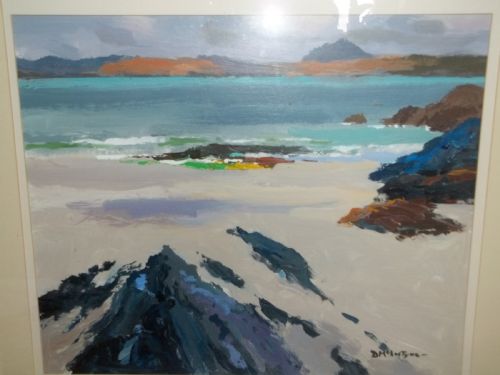
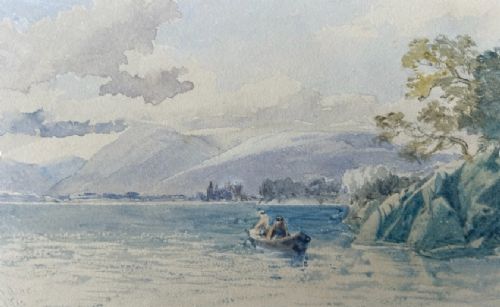
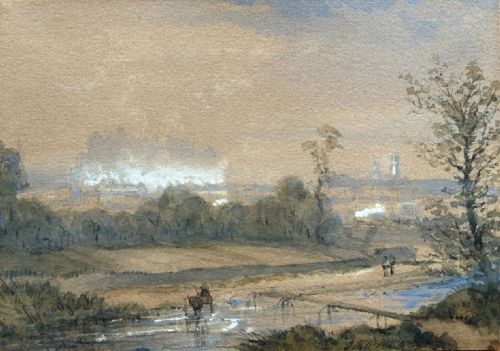
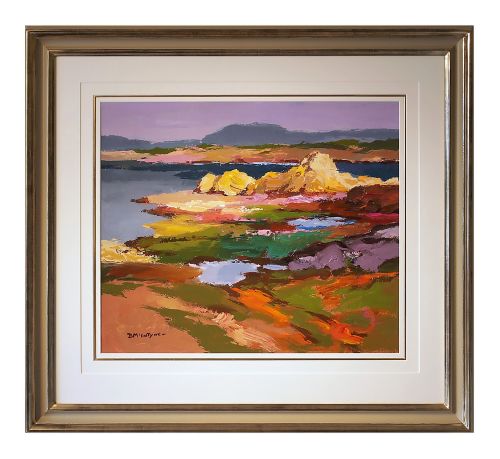
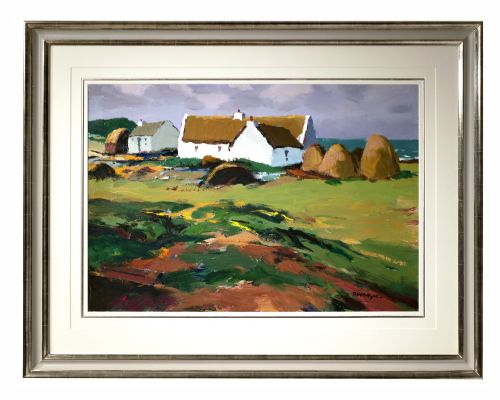
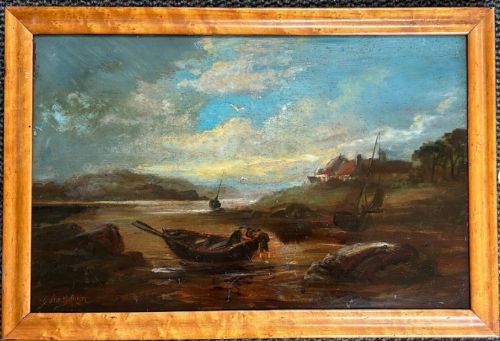
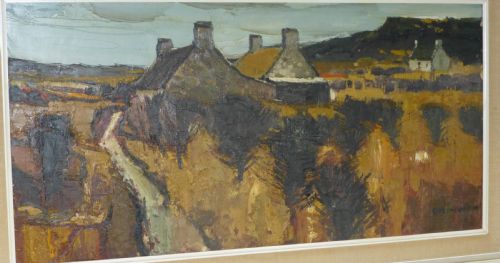
These mid century scottish landscape works capture rugged terrain through bold brushwork and atmospheric washes.
Mid Century Scottish Landscape
When you search for a mid century scottish landscape, you encounter original paintings that record the topography, lochs, and villages of Scotland. The selection spans mid century modernism, impressionism, and traditional 19th-century watercolours alongside later 20th-century compositions.
The most frequent form on this page is the oil painting or watercolour executed on canvas, board, or paper. These works document specific locations such as Loch Awe, Edinburgh, and the Highlands through varied artistic lenses.
Makers range from mid-century figures to earlier Victorian artists. Each piece reflects the enduring appeal of Scottish scenery across different decades.
How they were made
Artists working on a mid century scottish landscape utilised oil paint and watercolour applied to canvas, wood panel, board, or paper. These traditional supports allowed both fluid washes of pigment and thick impasto applications.
Frames of wood and glass frequently enclose the paintings and watercolours. The combination of durable supports and quality pigments ensures the survival of these regional views.
Several artists clearly braved biting Highland midges to capture those damp mountain mists.
What varies in quality
The distinction in quality rests upon the confidence of the brushwork and the clarity of the composition. Stronger examples display a distinct command of light and atmosphere over the Scottish terrain.
The preservation of the paint surface or paper support also influences the piece. Works that retain their original pigment vibrancy without heavy restoration command greater attention from collectors.
Thomas Miles Richardson Jnr·John R Prentice·Donald McIntyre·William Littlejohn·Stanley Orchart·Sam Bough·Sir William George Gillies·Josephine Haswell Miller·Alastair Flatterly·Kenneth Holmes
The Mid Century Scottish Landscape Glossary
- Impasto
- Paint applied thickly to a canvas or board so that it stands out from the surface. This technique adds tactile depth and texture to mid-century landscapes.
- Watercolour
- Pigments suspended in a water-based solution applied to paper. It allows for translucent washes that suit atmospheric mountain and loch scenes.
- Wood Panel
- A flat wooden support used instead of canvas for oil paintings. It provides a rigid base favoured by painters seeking a firm surface.
- Board
- A compressed wooden or fibrous sheet utilised as a painting support. It offers stability for oils and mixed media works.
- Canvas
- Woven fabric stretched across a wooden frame to hold oil or acrylic paints. This traditional base remains standard for larger landscape compositions.
Mid Century Scottish Landscape: Frequently Asked Questions
How do I date a Scottish landscape painting?
Examine the style of brushwork, the stretcher frames, and any signatures or inscriptions on the reverse of the canvas or board. Mid-century pieces often favour bolder colour palettes and looser application compared to 19th-century works.
Examine the paper or canvas for ageing characteristics and consult recorded exhibition dates or known working periods of the artist named.
Where were these Scottish landscapes painted?
The subjects are drawn from identifiable locations across Scotland, including Highland lochs, coastal estuaries, rural villages, and mountain ranges. Artists travelled to specific sites like Loch Awe, Edinburgh, and Ben Nevis to capture the scenery.
Inscriptions on the mount, frame, or backing board frequently specify the exact geographic point depicted in the watercolour or oil.
Are these paintings executed on canvas or board?
Both supports appear across the selection, alongside traditional paper and wood panels. Mid-century works frequently utilise oil paint on canvas or rigid board surfaces.
Watercolours invariably utilise paper supports, often protected beneath glass within a wooden frame.
How should I display an oil painting at home?
Hang paintings away from direct sunlight and fluctuating heat sources to protect the oil paint and wooden supports from warping or fading. Ensure the wall fixings match the weight of the frame and canvas.
Keep glass-fronted watercolours out of damp environments to prevent foxing and paper degradation over time.