

Post Impressionist Landscape Artwork
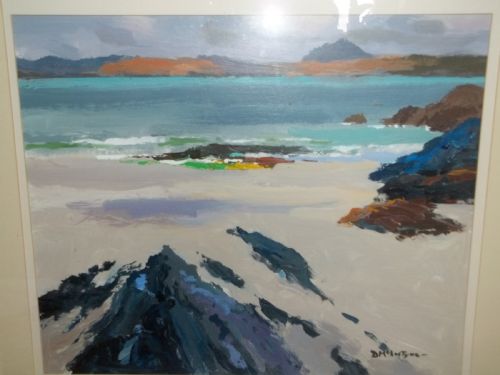
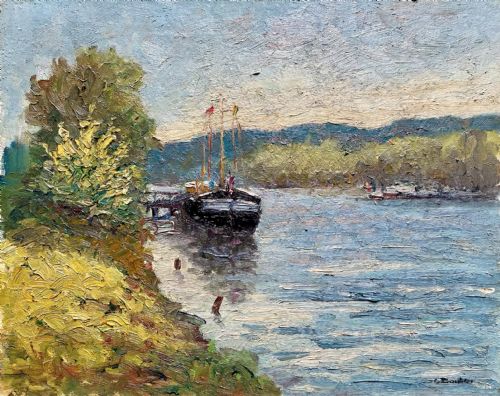
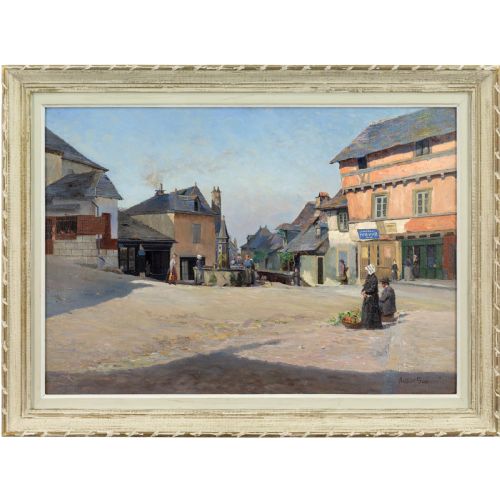
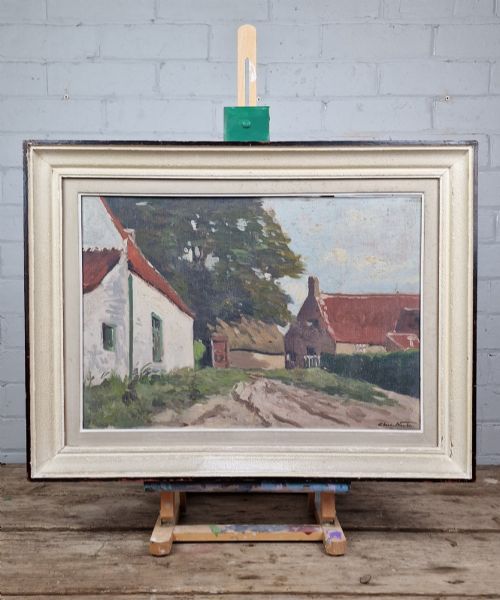
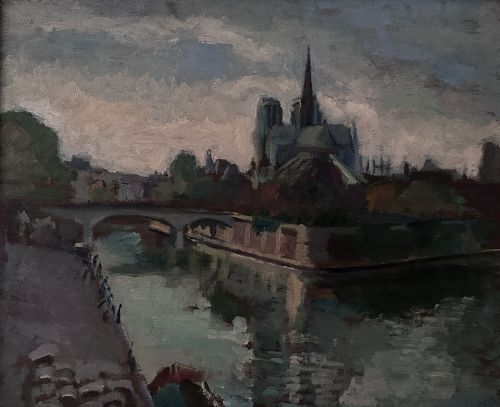
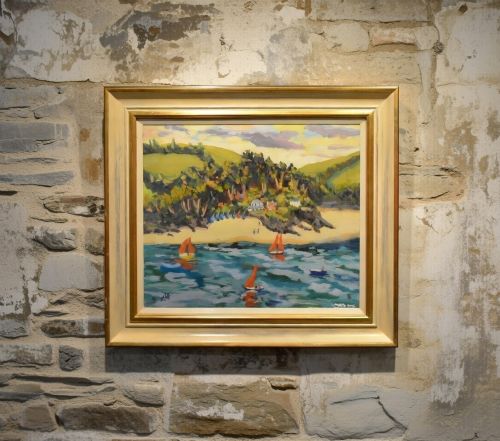
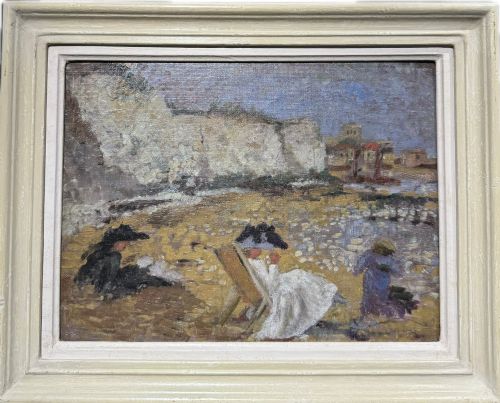
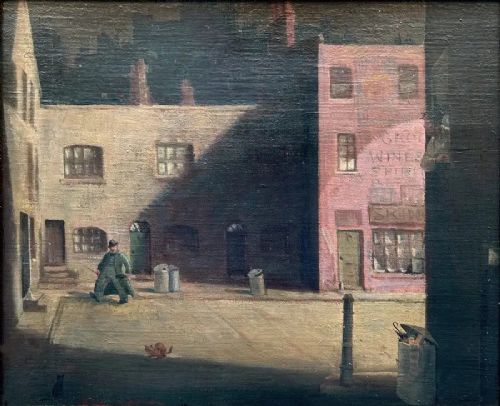
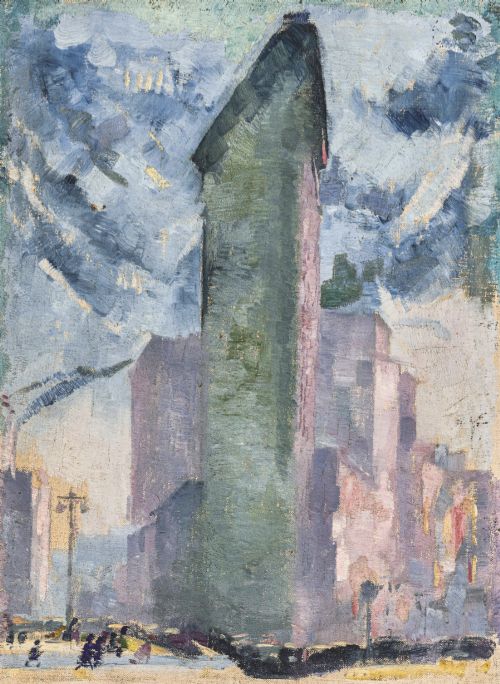
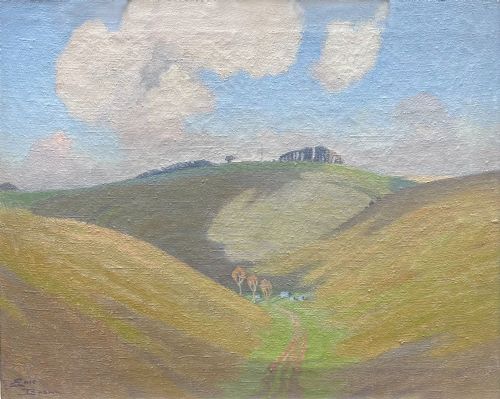
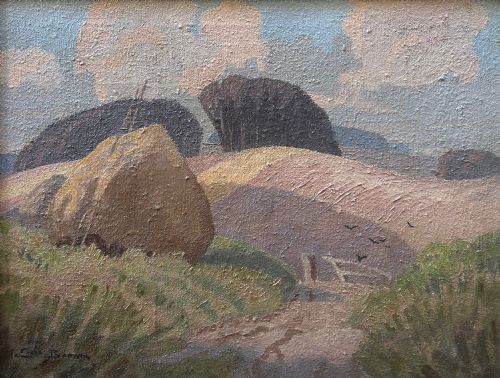
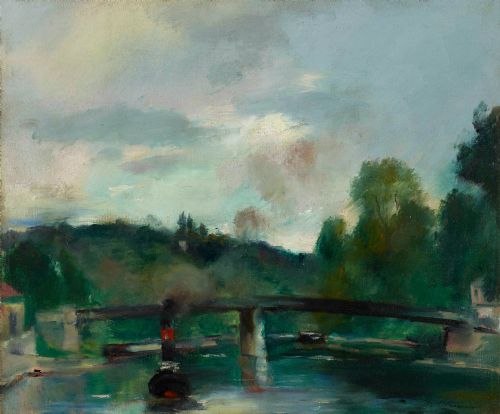
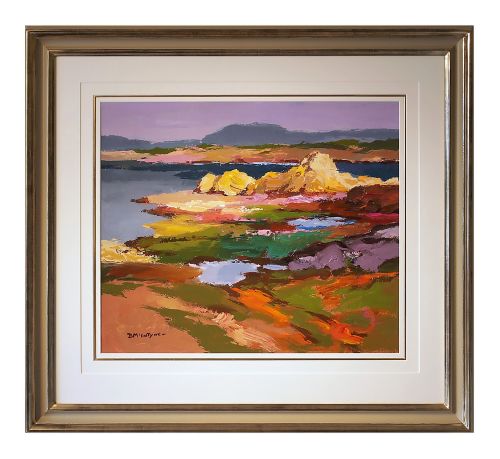
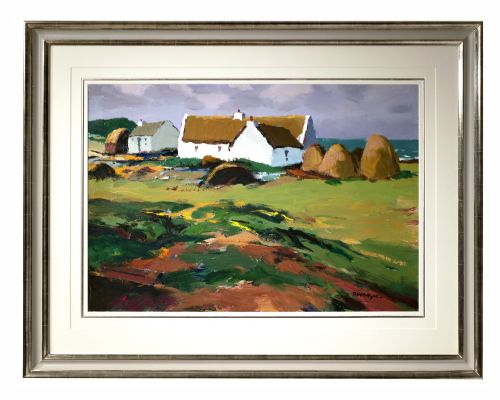
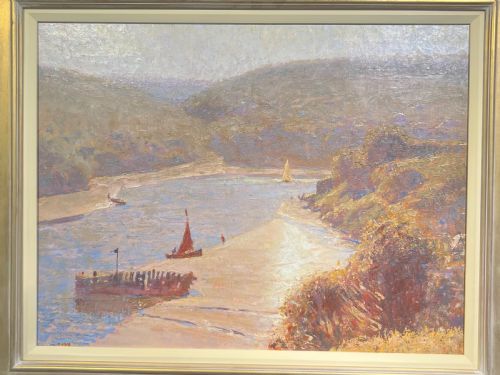
These post impressionist landscape artwork pieces capture light and atmosphere through expressive brushwork, offering buyers a vivid window into early and mid twentieth century scenes.
Post Impressionist Landscape Artwork
A buyer seeking a post impressionist landscape artwork will encounter canvases and boards depicting coastal seascapes, quiet farmyards, and bustling city streets. These creations reflect the enduring influence of French and British movements spanning from the nineteenth century through the mid twentieth century.
The selections on this page heavily feature French and British scenes, ranging from Normandy riversides to Welsh valleys and Parisian squares. Works appear in various formats including oil paintings, gouache, and mixed media drawings on paper.
Most examples date from the 1910s to the 1960s, capturing the transition from traditional academic subjects toward more personal, expressive interpretations of nature and architecture.
What varies in quality
The strength of a composition rests on the artist's handling of light, brushwork confidence, and tonal harmony across the surface. More accomplished works demonstrate a deliberate command of colour relationships rather than mere replication of scenery.
Condition also plays a role in assessment, distinguishing pieces preserved in original frames with stable paint layers from those requiring conservation intervention.
Listings feature works spanning from the nineteenth century through the 1960s, executed in oil, gouache, and mixed media.
Arthur Gué·Charles Houben·Lucy Pratt·Ethel Sands·Francisco Sancha·Alfred Wolmark·Eric Brown·Henri Ottmann·Donald McIntyre·Cecil Allan Mould·Rene Levrel·Henry de Waroquier·Alexander Jamieson·Paul-Élie Gernez·Ronald Ossory Dunlop·Hubert Wellington·Paul-Jean Anderbouhr·Louis Suire·Jean-Baptiste Olive·George Turland Goosey·André Prévot-Valéri·Merio Ameglio·Majorie Hoare·CHARLES MALFROY·Edward Seago
The Post Impressionist Landscape Artwork Glossary
- Impasto
- Paint applied thickly to a canvas or board, standing visibly above the surface and retaining the marks of the brush or palette knife. This technique adds tactile depth and catches light across the painted scene.
- Plein air
- The practice of painting outdoors to directly observe the shifting effects of natural light and weather upon a landscape. Practitioners work quickly to capture transient atmospheric conditions.
- Gouache
- An opaque water-based medium that dries to a matte finish, frequently employed on paper for vibrant modernist studies and landscape sketches.
- Gesso
- A traditional primer mixture of binder mixed with chalk, gypsum, or pigment, applied to wooden panels or canvas to create a smooth, stable painting surface.
Post Impressionist Landscape Artwork: Frequently Asked Questions
What defines a post impressionist landscape artwork?
These works focus on expressive brushstrokes and personal interpretation of light rather than strict optical realism. Artists used vibrant palettes to convey the mood of scenes ranging from French riversides to urban squares.
Created primarily between the late nineteenth century and the mid twentieth century, they bridge traditional realism and modern abstraction.
Where were these landscape scenes typically painted?
Many pieces depict specific European locales, particularly coastal regions and rural countryside across France and Britain. Artists frequently travelled to places like Normandy, Brittany, and the Mediterranean coast to paint outdoors.
Urban settings such as Paris also feature prominently, capturing street life and architectural landmarks under changing daylight.
How should I care for an oil painting on board?
Keep the artwork away from direct sunlight and fluctuating humidity to protect both the wooden support and the oil paint layer. Displaying the piece in a stable indoor environment prevents warping of the board and cracking of the surface.
Dust the surface gently with a soft, dry brush when necessary, avoiding any liquid cleaners or harsh solvents.
How can I tell the difference between periods?
Earlier works from the early twentieth century often retain softer tonal transitions rooted in late nineteenth-century observation. Later mid-century pieces lean towards bolder abstraction and more simplified geometric forms.
Examining the materials, framing style, and any artist signatures or inscriptions can also help narrow down the decade of creation.