

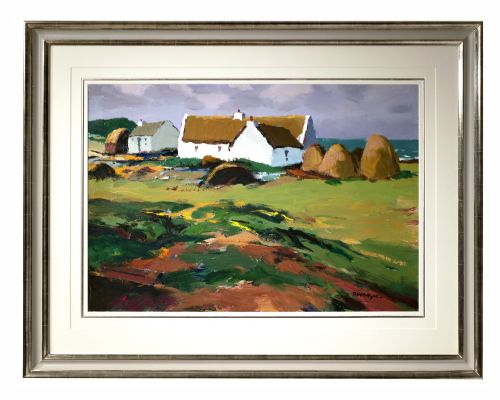
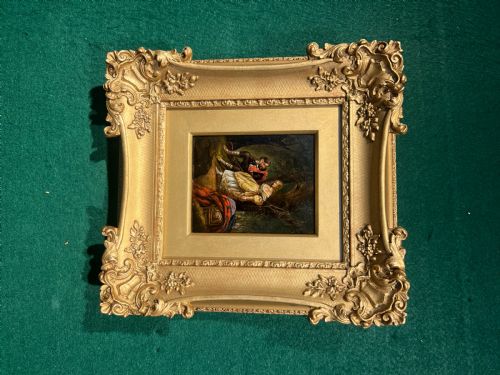
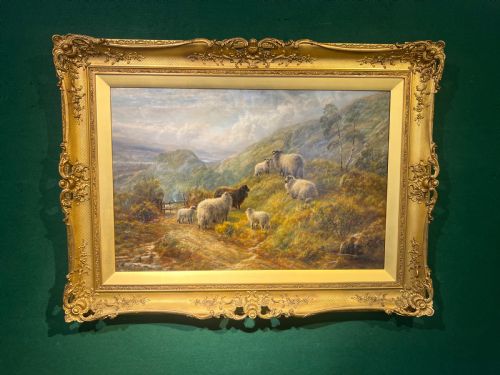
Antique Scottish Landscape Artwork
Antique scottish landscape artwork captures the wild topography and changing light of the north, offering buyers a window into historic Highland and Lowland vistas.
Antique Scottish Landscape Artwork
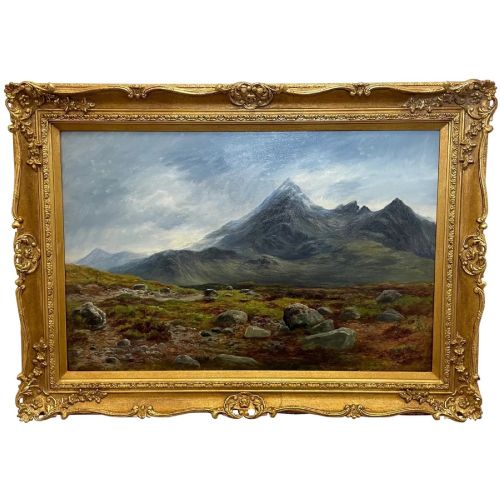
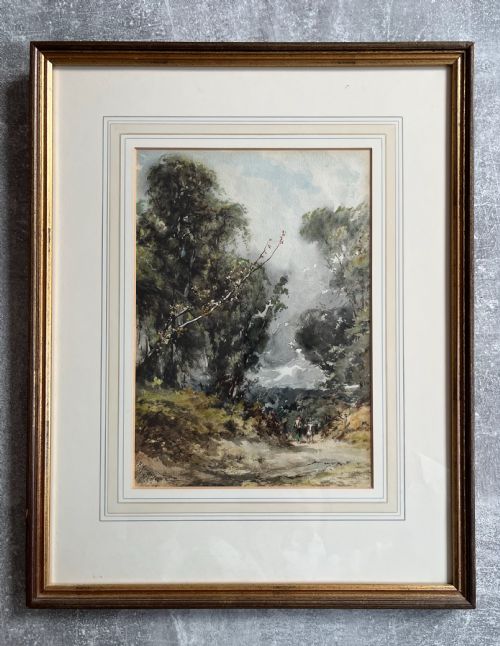
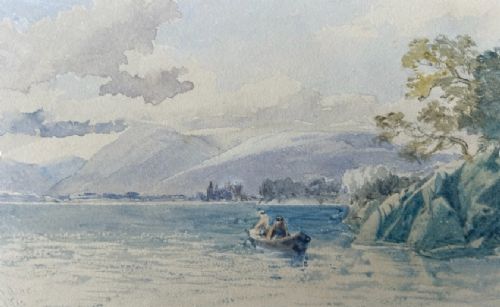
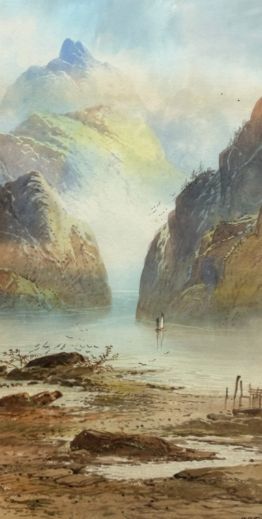
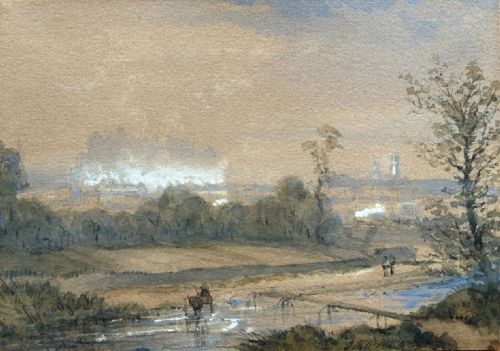
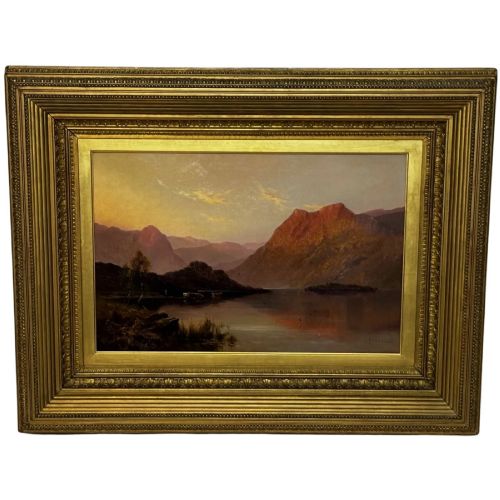
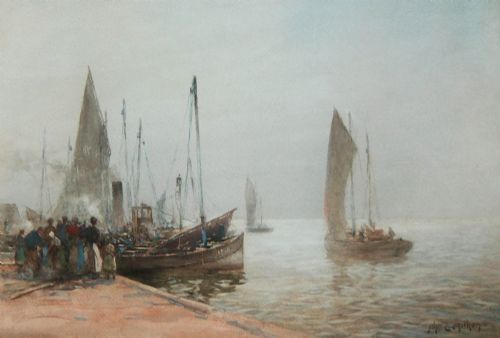
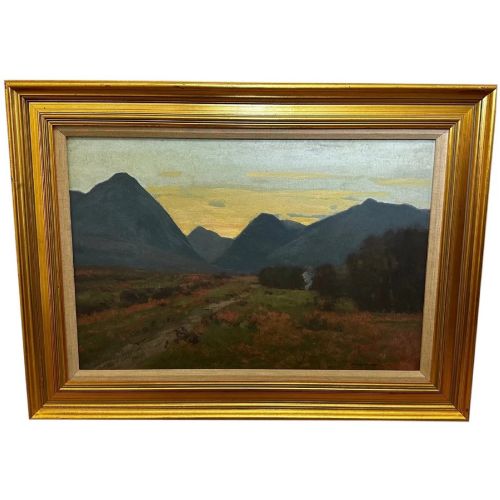
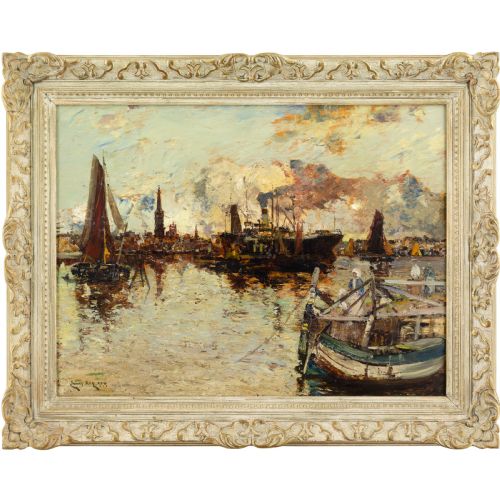
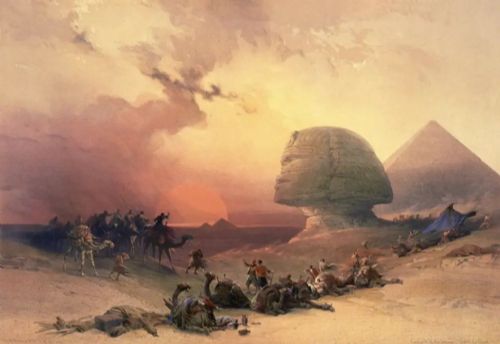
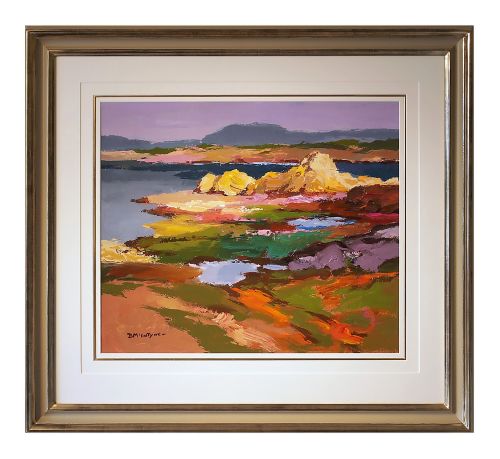
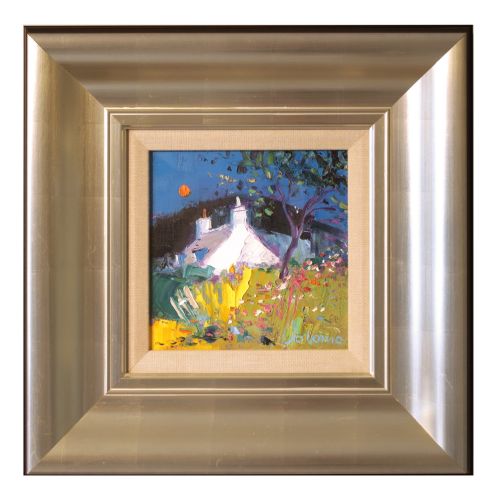
When looking for antique scottish landscape artwork, you encounter framed watercolours and oil paintings depicting recognisable lochs, glens and castles. These pieces span periods from the Georgian era through the Victorian period and into the early twentieth century, reflecting shifting artistic approaches to northern scenery.
The version you are most likely to meet on this page is a nineteenth century oil painting on canvas or wood panel, often signed by listed artists who captured cattle, sheep and fishermen amidst dramatic mountains. Works range from intimate watercolour sketches to large framed oils originating from regional schools and established painters.
The subjects focus heavily on specific Scottish geography, including Loch Awe, Glen Tilt, the Isle of Arran and Edinburgh. Whether rendered through the loose brushwork of Scottish Impressionism or the detailed realism of the Victorian period, these works preserve historical interpretations of rural topography.
How They Were Made
Artists utilised oil paint on stretched canvas or wooden panels, building rich textures through layered pigment and varnish. Watercolours were applied to paper, capturing transparent washes of light over preparatory pencil sketches.
Gilt wood and gesso frames completed the works, providing ornate protective borders that often date to the original period of creation. Charcoal on canvas also appears, showing varied preparatory and illustrative techniques from the period.
Antique Scottish Landscape Artwork Retail Price Guide 2026
Typical asking prices for scottish landscape artwork among the pieces listed under this phrase on Sellingantiques today, from the lower quarter to the upper quarter. They describe what is for sale here now, not the wider market.
Several Highland sheep and cattle patiently pose in these antique glens, outlasting the artists who painted them by over a century.
What Varies in Quality
Quality separates through the subtlety of atmospheric light, compositional balance and the confidence of the brushwork. Master painters handle the shifting Highland weather and misty glens with distinct tonal depth, whereas lesser works rely on formulaic repetition of mountain silhouettes.
The preservation of the original medium and frame significantly influences the integrity of the piece. Untouched canvas surfaces and signed watercolours by documented Scottish Academicians represent the upper tier of surviving works.
William Beattie-Brown·George Fotherly Hargitt·Thomas Miles Richardson Jnr·William Henry Earp·John R Prentice·Tom Campbell·Alfred Fontville de Breanski Jr·James E Aitken·George Houston·James Kay·David Roberts·Robert Watson·John Macvicar Anderson·William Watson Jnr·Robert Cleminson·Douglas Cameron·Charles Leslie·Alexander Jamieson·Alexander Wellwood Rattray·Everett Watson Mellor·John Moxon·William George Tennick·Archibald Kay·Henry Robinson Hall·Sir David Murray
The Antique Scottish Landscape Artwork Glossary
- Scottish Impressionism
- A painting style characterised by visible brushstrokes and an emphasis on natural light, developing in Scotland during the late nineteenth and early twentieth centuries.
- Gesso
- A plaster-like mixture applied to wooden frames as a base for gilding, creating ornate moulded decorative details.
- Oil on Canvas
- Pigment mixed with drying oil applied to a woven fabric support stretched over a wooden frame, common in nineteenth century fine art.
- Watercolour
- A painting method where water-soluble pigments are suspended in a water-based solution, typically applied to heavy paper.
- Wood Panel
- A rigid flat wooden support utilised by artists as an alternative to canvas, frequently found in smaller nineteenth century landscape works.
Antique Scottish Landscape Artwork: Frequently Asked Questions
How do I identify a Scottish landscape painting?
Look for recognisable geographic markers in the titles or inscriptions, such as named lochs, glens or castles across the Highlands and Lowlands.
The style often incorporates distinctive weather effects, native fauna like Highland cattle, and signatures from artists associated with Scottish academies.
What is the difference between oil and watercolour Scottish art?
Oil paintings feature heavy pigment applied to canvas or wood panels, allowing for rich textures and deep atmospheric layering.
Watercolours utilise thin translucent washes on paper, offering a lighter, more delicate depiction of skies and distant mountains.
How should I care for antique paintings?
Keep framed artworks away from direct sunlight and fluctuating humidity to protect the canvas, paper and wooden panel supports.
Avoid using liquid cleaners on the painted surface or the gilt wood frames, dusting gently with a soft dry brush instead.
Are these paintings original period pieces?
The selections date primarily from the nineteenth and early twentieth centuries, created during the Victorian and Edwardian periods.
Signatures, dates and historical framing styles help confirm the period origins of individual works.