




Framed Landscape Watercolour Painting
When you search for a framed landscape watercolour painting, you are looking at works on paper that capture rivers, coasts and hills behind protective glass.
Framed Landscape Watercolour Painting
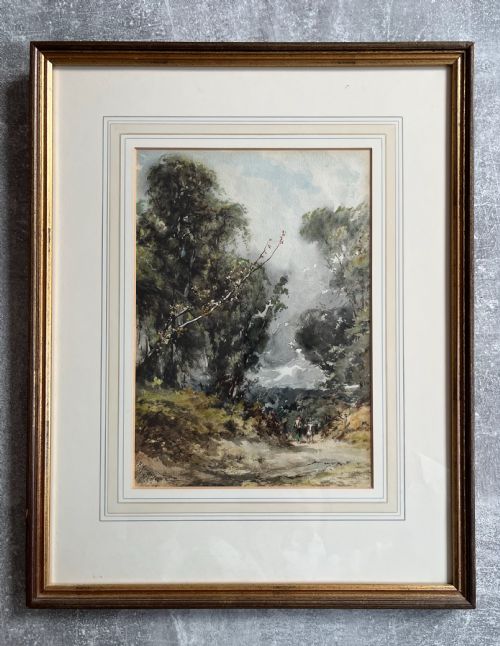
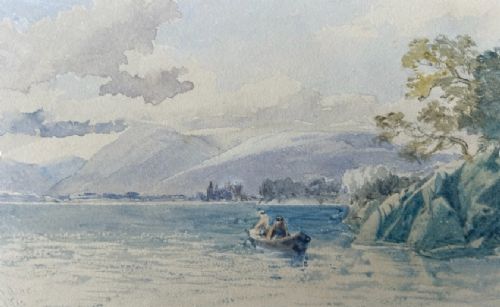
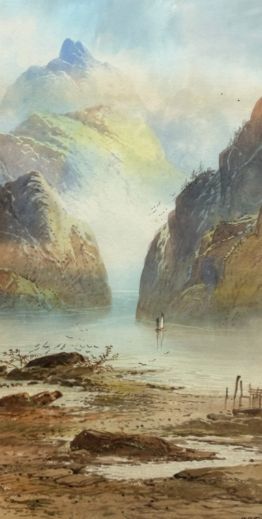
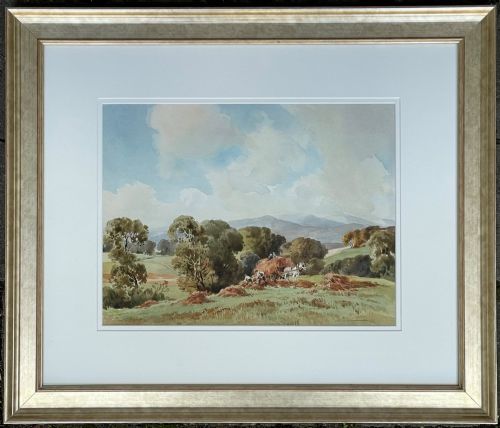
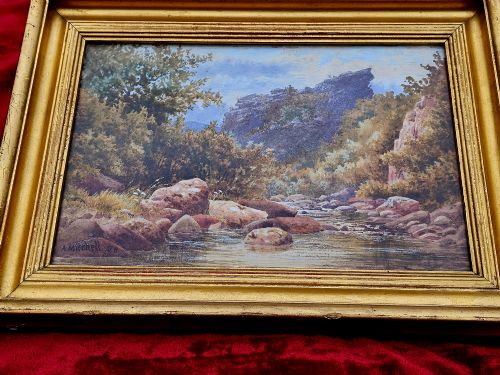
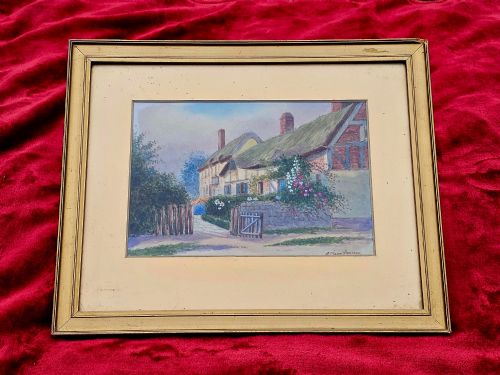
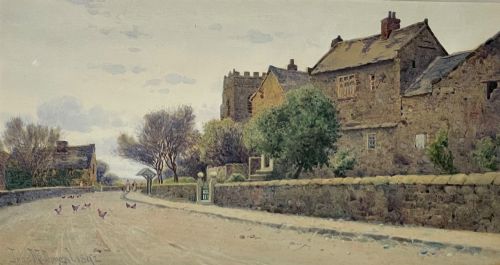
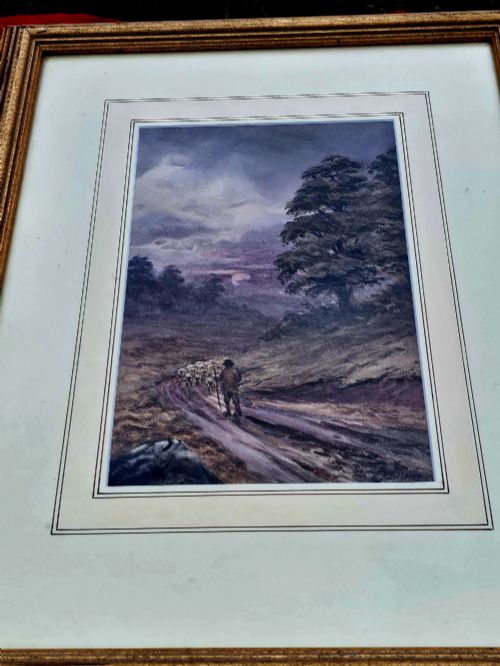
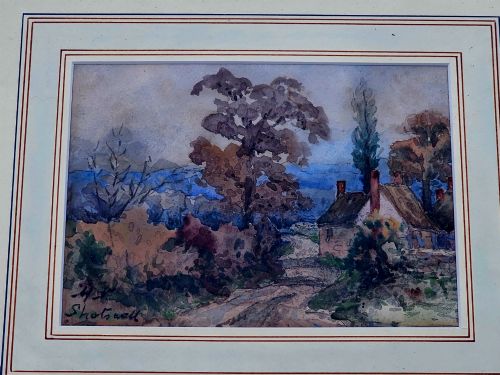
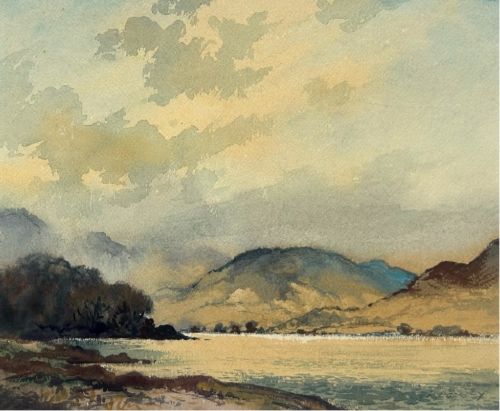
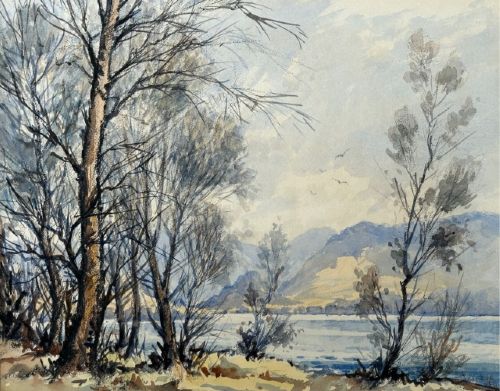
A framed landscape watercolour painting records outdoor scenes using water-soluble pigments on paper, preserved behind glass within timber mouldings. These works range from small Victorian sketches of Welsh valleys to larger Edwardian coastal views and mid-century rural scenes.
The version most commonly encountered on this page is the British nineteenth-century or early twentieth-century landscape, often depicting Scottish lochs, English country lanes or Cornish harbours. Such pieces frequently retain their original gilt wood frames and handwritten artist labels on the reverse.
How They Were Made
Artists applied watercolour pigment mixed with water onto textured paper sheets, building translucent washes for skies and opaque touches for foreground detail. These sheets were then mounted behind glass to protect the delicate paint surface from moisture and atmospheric dust.
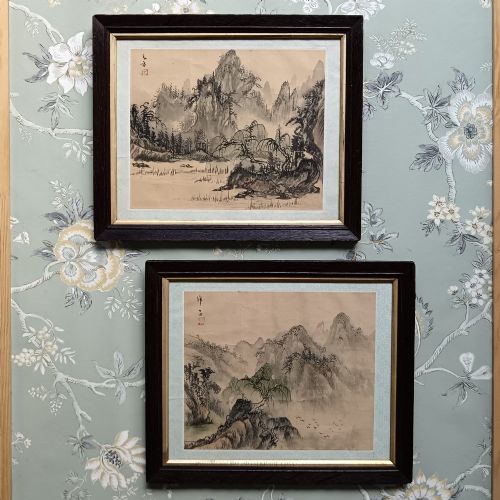
The protective surrounds typically consist of wood frames, occasionally enriched with gold leaf or gilt finishes, holding the paper flat against a backing board.
Framed Landscape Watercolour Painting Retail Price Guide 2026
Typical asking prices for framed landscape watercolour painting among the pieces listed under this phrase on Sellingantiques today, from the lower quarter to the upper quarter. They describe what is for sale here now, not the wider market.
Listings feature paper, glass, wood, and gold leaf, spanning the nineteenth century through to the nineteen-sixties.
What Varies In Quality
The strength of the composition and the handling of light separate standard topographical records from more accomplished artistic interpretations. A skilled hand uses the white of the unpainted paper to create luminosity, whereas lesser works rely on heavy, flat washes.
The integrity of the framing materials also distinguishes the range, as original period gilt wood mouldings that complement the palette indicate a higher level of historical preservation than later, mismatched replacements.
George Fotherly Hargitt·Thomas Miles Richardson Jnr·James Orrock·William Henry Earp·Percy Lancaster·John McDougal·Robert Leslie Howey·John E. Aitken·William Banks Fortescue·William Joseph Boyes·Muriel Metcalfe·Robert Thorne Waite·John Smith Atherton·Ernest Arthur Rowe·Frederick Walker·Thomas Maidment·George Oyston·Frederick James Kerr·Henry de Waroquier·Carlo Ferranti·Bonomi Edward Warren·William Matthison·Henry Martin Pope·John Bates Noel·Peter Ghent
The Framed Landscape Watercolour Painting Glossary
- Watercolour
- A paint consisting of pigment suspended in a water-soluble vehicle, applied to paper to create transparent or opaque passages.
- Gilt wood
- Timber framing treated with a thin layer of gold leaf or metallic gilt paint to provide a decorative metallic finish.
- Gouache
- An opaque watercolour medium containing added white pigment, frequently used by artists to highlight details in landscape scenes.
- Provenance
- The documented history of ownership or origin of an artwork, often confirmed by labels or signatures on the reverse of the frame.
Framed Landscape Watercolour Painting: Frequently Asked Questions
How should I hang a watercolour painting?
Watercolour paintings require protection from direct sunlight to prevent the pigments from fading over time. Position them on interior walls away from damp areas like kitchens or unventilated spaces.
Ensure the frame hangs securely from appropriate fixings, keeping the glass from resting directly against exterior masonry where condensation might collect.
Are these paintings always signed by the artist?
Many of these works feature signatures, monograms or initials inscribed by the artist directly onto the paper surface, often in the lower corner. Others include contemporary handwritten labels on the reverse of the frame.
Unsigned works from recognised periods still appear frequently, attributed instead by style, technique, or accompanying documentation.
How do I identify the period of a frame?
Nineteenth-century and Edwardian frames often display distinct construction methods, such as corner mitres joined with wooden slip blocks and early layers of gesso beneath the gilt finish. Original backing boards and rusted iron fixings frequently corroborate this age.
Later replacements generally utilise modern screws, uniform machine-cut mouldings, and contemporary backing paper.
What subjects are most common in these landscapes?
British scenery dominates the selection, featuring highland lochs, Welsh mountain passes, rural harvest fields, and coastal fishing harbours. These rural views reflect the nineteenth- and early twentieth-century preoccupation with picturesque countryside.
Occasional continental scenes, such as Venetian canals or Italianate coastal views, also appear alongside domestic subjects.