


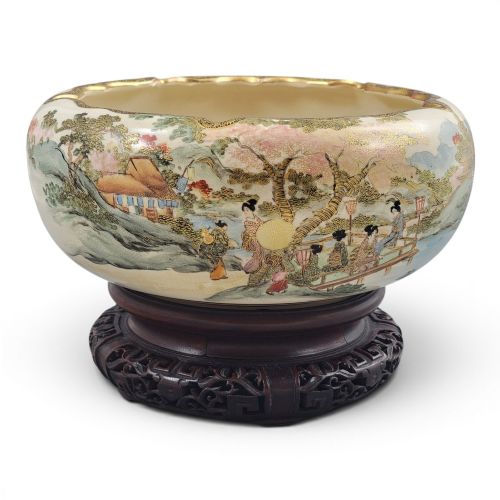


Vintage Satsuma Porcelain
Vintage satsuma porcelain comprises finely crackled earthenware pieces carrying intricate enamel and gold leaf work from the Meiji, Taisho, and Showa periods.
Vintage Satsuma Porcelain
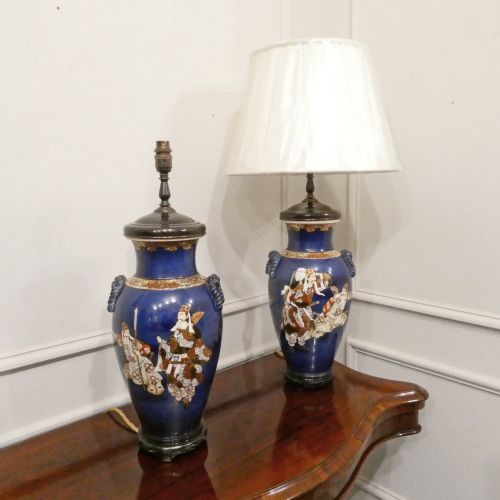
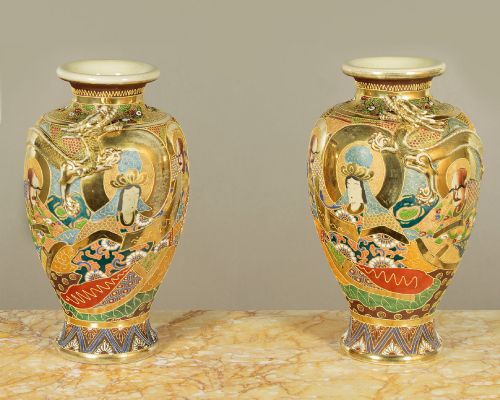
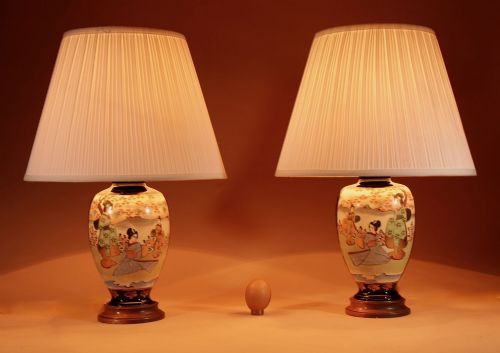
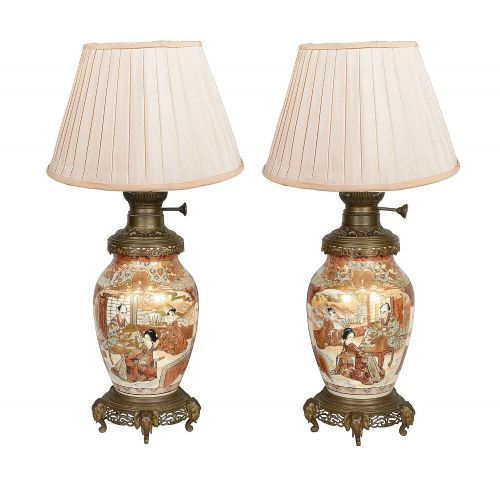
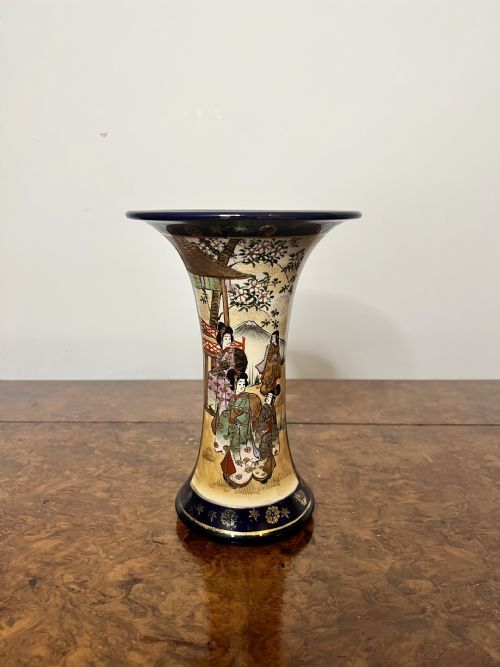
When searching for vintage satsuma porcelain, buyers encounter a diverse range of decorative forms spanning the nineteenth and early twentieth centuries. The selection encompasses large display vases, decorative bowls, miniature vessels, and tea caddies alongside converted table lamps.
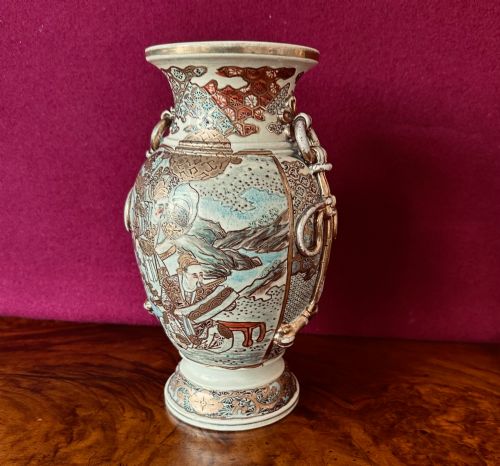
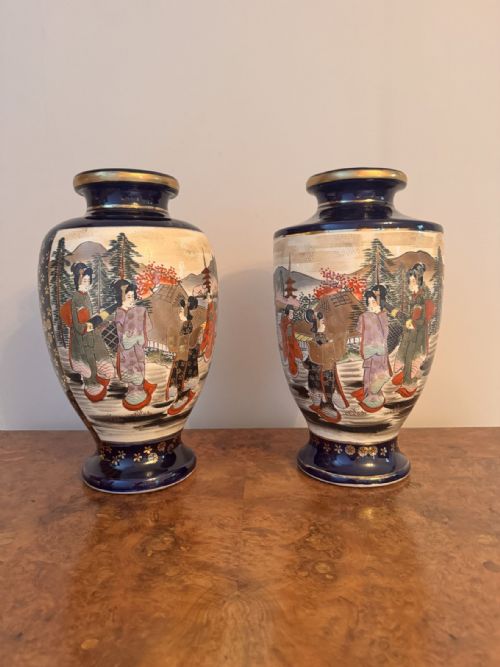
Vessels from the Meiji period appear frequently, often displaying elaborate figural processions, landscape scenes, or samurai battles. Pieces originate from workshops in Kyoto and Tokyo, reflecting traditional Japanese artistic styles of the era.
How they were made
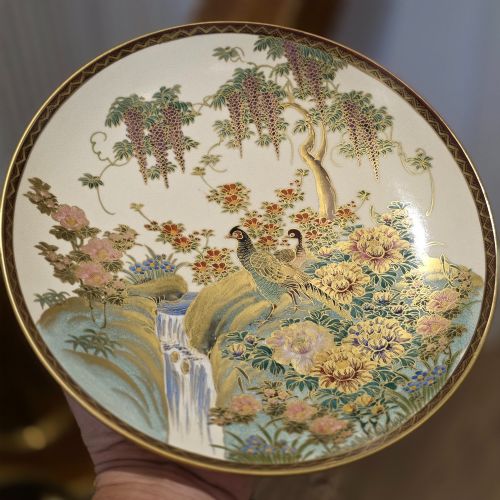
Makers utilised a distinct cream-coloured earthenware body featuring a characteristic fine network of glaze crackles. Artisans then applied intricate polychrome enamel designs augmented by generous amounts of gold leaf.
Many items were hand-painted with meticulous detail, depicting human figures, floral motifs, and geometric patterns. Certain works incorporated signature panels and crests associated with prominent historical kilns and makers.
Current listings feature earthenware objects spanning the nineteenth century through the nineteen thirties, including works from the Meiji, Taisho, and Showa periods.
What varies in quality
The degree of refinement in the hand-painted enamelwork and the precision of the gold leaf application largely determine the distinction between ordinary and exceptional pieces. Master artists achieved remarkable detail in facial expressions and narrative scenes.
The overall potting form, structural balance, and clarity of the crackle glaze also contribute significantly to the standing of an individual piece. Signed works from renowned Meiji period masters command particular attention from collectors.
Koshida·Shizan·Chosei·Tokyo Taizan·Kinkozan·Hattori·Taniguchi
The Vintage Satsuma Porcelain Glossary
- Earthenware
- A porous type of ceramic fired at lower temperatures, forming the characteristic buff or cream base of these vessels. This body requires an absorbent glaze that develops a fine network of intentional crackles.
- Meiji Period
- The era in Japanese history spanning from eighteen sixty-eight to nineteen twelve, noted for the opening of trade and the production of highly ornate export ceramics. Pieces from this time often feature elaborate hand-painted figural scenes.
- Shimazu Mon
- The heraldic crest or badge of the Shimazu clan, traditionally associated with the production and patronage of satsuma ware. It typically appears as a cross within a circle.
- Taisho Period
- The historical period following the Meiji era, lasting from nineteen twelve to nineteen twenty-six. Satsuma ceramics from this time continue earlier decorative traditions while adapting to new export markets.
Vintage Satsuma Porcelain: Frequently Asked Questions
How can I tell the period of a piece?
Nineteenth-century examples from the Meiji period frequently showcase dense, hand-painted figural processions, landscapes, and samurai motifs executed by named masters.
Later items from the Taisho and Showa periods often reflect modified export styles and sometimes incorporate electrical fittings as table lamps.
Were these pieces used for daily dining?
The selection primarily includes decorative vases, display bowls, tea sets, and tea caddies intended for ornamental use rather than heavy everyday service.
Their delicate enamel and gold leaf decoration meant they functioned chiefly as prized display objects in both Japanese and Western interiors.
What do signatures on the base indicate?
Signatures and artist seals identify the specific workshop, studio, or master responsible for painting the ceramic vessel.
Prominent Kyoto and Tokyo makers signed their finest works to denote high-quality craftsmanship and adherence to traditional regional standards.