



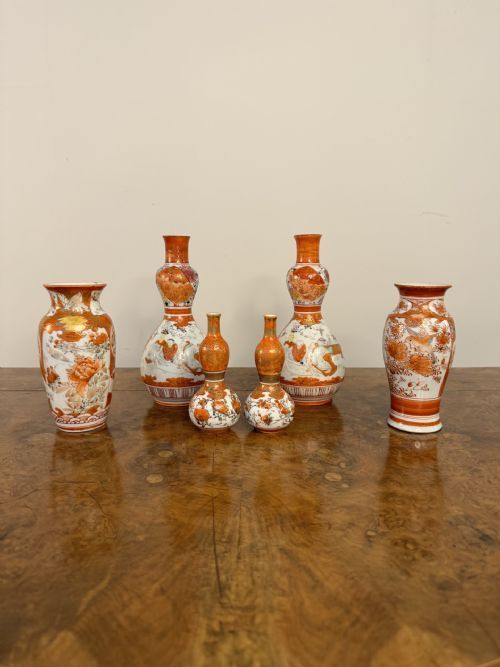
Gilded Japanese Vase
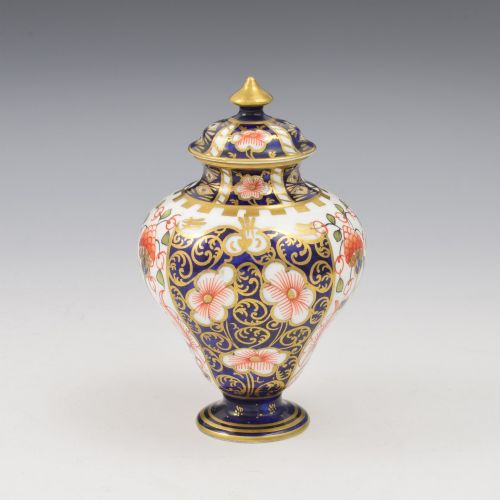
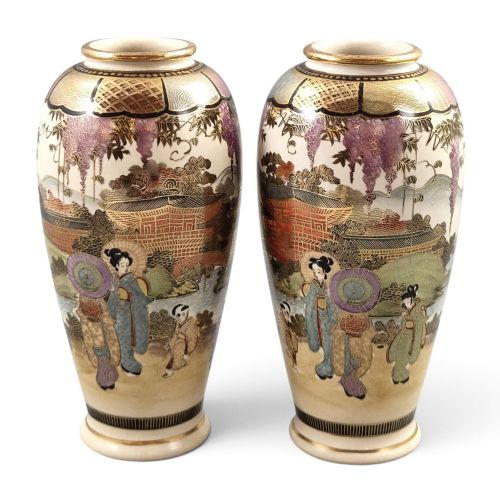
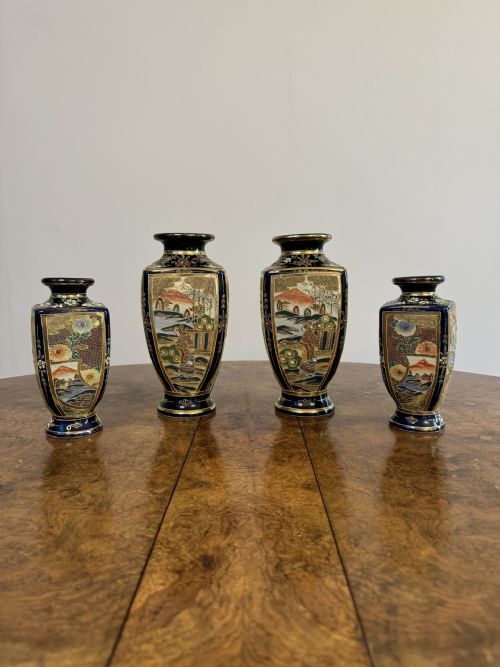
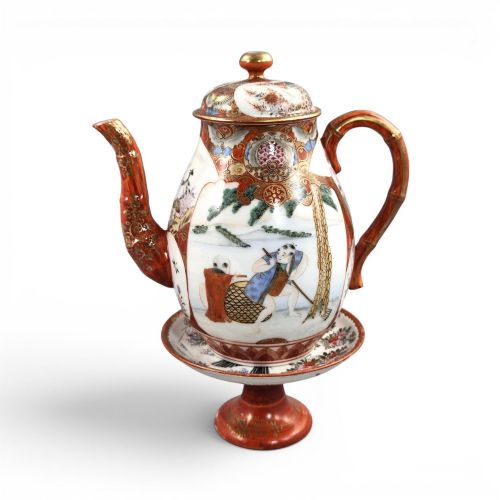
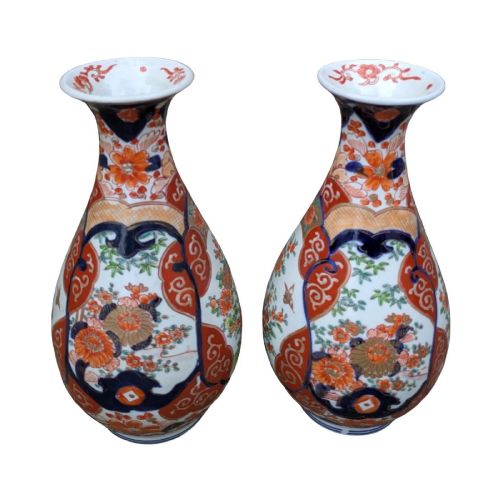
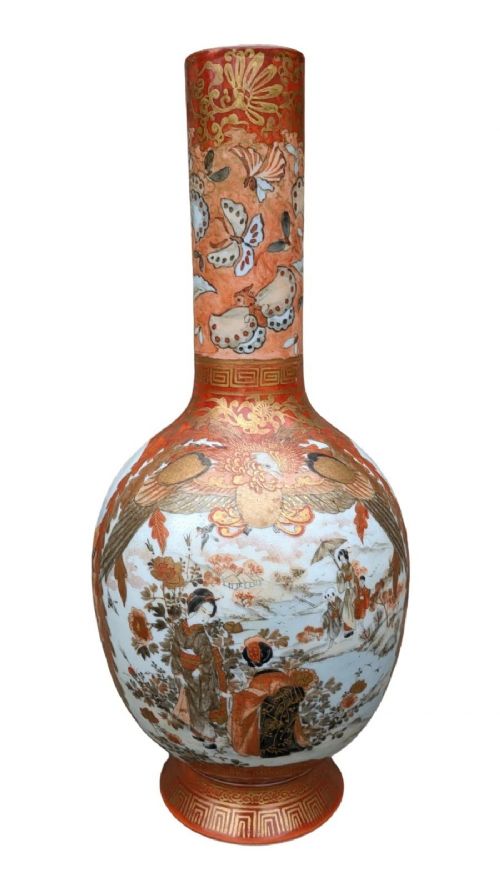
Gilded Japanese vase examples span Meiji period Satsuma ware, Imari porcelain, and Kutani pieces decorated with gold leaf and enamel.
Gilded Japanese Vase
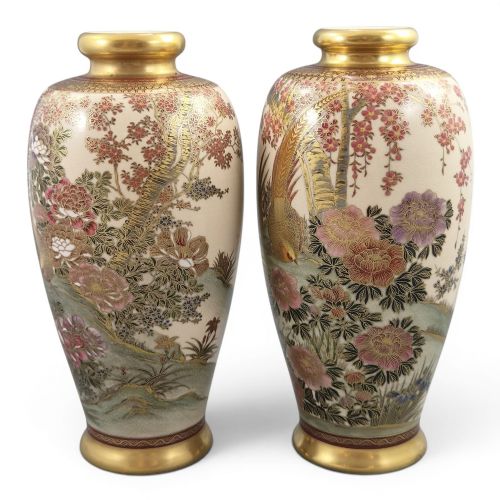
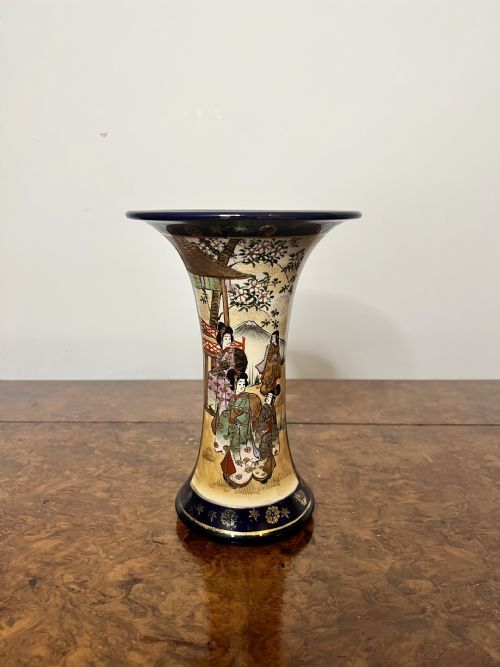
A gilded Japanese vase brings together traditional ceramic forms and elaborate metallic decoration, often taking the shape of floor-standing vessels, ginger jars, or slender neck vases. When you search for a gilded japanese vase, you encounter items predominantly originating from the late nineteenth century and the early twentieth century.
Many of these vessels function purely as decorative objects, though some pieces from later decades have been adapted into table lamps. Collectors find these items ranging from miniature cabinet pieces up to monumental floor-standing examples created during the height of the Meiji period.
How They Were Made
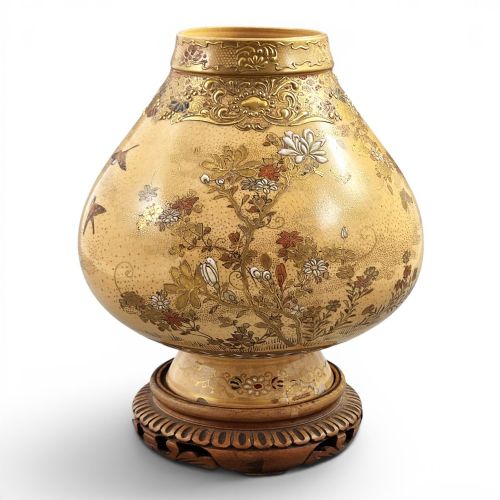
Potters shaped these vessels using earthenware and porcelain bodies, sometimes mounting them on original porcelain stands or combining them with bronze elements. Workshops applied glazes and enamel pigments directly onto the clay before introducing fine layers of gold leaf or gilt details.
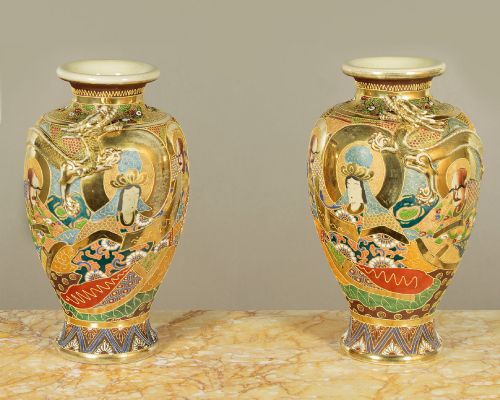
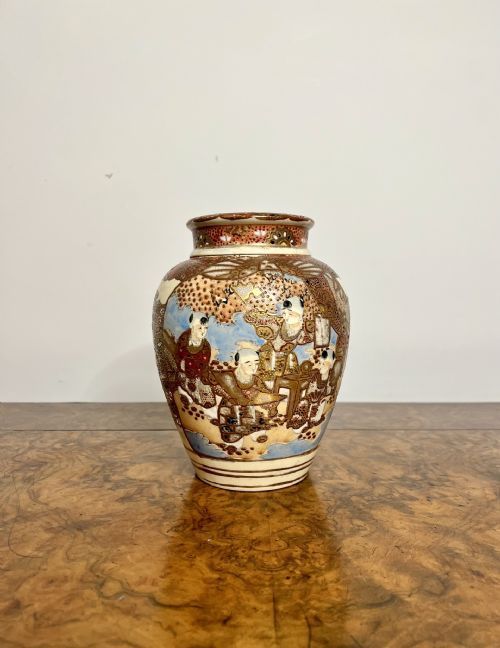
Moriage technique appears frequently on Satsuma earthenware, building up raised slip designs that receive extensive gilding and colour work. Kilns fired these decorated bodies to fuse the enamel and metallic highlights permanently onto the surface.
Several pieces squeeze one thousand individual arhat figures and dragons onto a single small ceramic surface.
What Varies in Quality
Quality rests upon the precision of the hand-painted brushwork and the complexity of the figural or natural scenes rendered across the body. Pieces bearing the signatures of renowned workshops or master artists display a superior standard of draughtsmanship and gilding technique.
The crispness of the raised moriage decoration and the stability of the glaze without excessive wear separate standard commercial exports from exceptional studio productions. The harmony between the ceramic form, the enamel palette, and the gold leaf application determines the overall success of the piece.
Shozan Satsuma·Manpei·Kinkōzan·Hotoda·Kinzan·Kato Sanhei·Miyao Eisuke
The Gilded Japanese Vase Glossary
- Satsuma
- Earthenware pottery originating from the Satsuma province, characterised by a crackle-glaze finish and dense polychrome and gilt decoration. These pieces often feature court figures, arhats, or natural motifs.
- Imari
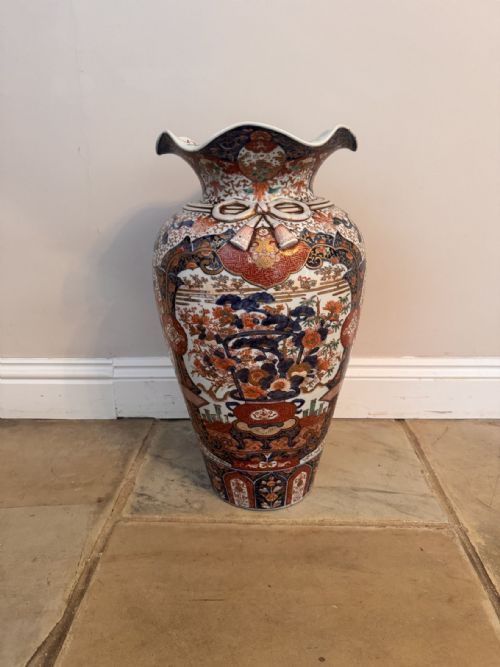
- Japanese porcelain decorated in underglaze blue, iron red, and abundant gold, produced primarily for export from the port of Imari. The palette remains remarkably vivid and distinct.
- Kutani
- Japanese ceramic ware known for its bold colour schemes, frequently incorporating green, purple, yellow, and red alongside rich gilding. The designs often depict traditional landscapes or mythical creatures.
- Moriage
- A decorative technique using piped clay slip to create raised surface patterns before glazing and gilding. This method adds a tactile, three-dimensional quality to the vessel.
- Meiji Period
- The era of Japanese history lasting from 1868 to 1912, marking a major period of artistic export and technical achievement in decorative ceramics. Work from this time demonstrates exceptional detail.
- Gilt
- The application of gold leaf or gold powder to the surface of ceramics or metalwork to highlight specific motifs. This finish catches the light and frames the painted scenes.
Gilded Japanese Vase: Frequently Asked Questions
How do I identify Satsuma ware?
Satsuma ware is typically recognised by its ivory-coloured earthenware body covered in a fine network of crackled transparent glaze. The surfaces are heavily decorated with polychrome enamels and detailed gold leaf.
Many pieces also feature raised slip work known as moriage. Signature panels on the base often name the artist or the producing workshop.
What is the difference between Imari and Kutani?
Imari porcelain relies on a distinctive palette combining underglaze blue, iron red, and extensive gilding, often arranged in geometric and floral panels. The style originated as an export ware during the Edo period and continued into the twentieth century.
Kutani ceramics utilise a broader range of enamel colours, including prominent greens and yellows, with pictorial scenes depicting figures or birds.
Are these vases functional or decorative?
The vast majority of these vessels were created as decorative ornamentals, garnitures, or display pieces rather than for holding water. Their delicate enamels and gold leaf finishes are intended for visual appreciation on tables or mantels.
Some examples have been safely converted into table lamps while preserving the original ceramic body.
How should I care for a gilded vase?
Dust these items gently using a soft, dry brush to protect the delicate enamel and gold leaf from abrasion. Avoid using water, chemical cleaners, or damp cloths, as moisture can damage old glazes and vulnerable gilding.
Keep the vessel away from direct sunlight to prevent colours from fading over time.