


Japanese Miniature Vase
These Japanese miniature vase examples are diminutive decorative pieces prized for intricate craftsmanship and hand-painted detail.
Japanese Miniature Vase
A Japanese miniature vase represents a compact form of traditional ceramic or metalwork artistry, typically measuring only a few inches in height. Buyers searching for a japanese miniature vase frequently encounter earthenware, porcelain, and cloisonné examples originating from the Meiji period.
The objects span individual vessels, pairs, and grouped collections featuring classic forms like the tripod miniature and the bud vase. Most pieces encountered on this page date from the late nineteenth century and the early decades of the twentieth century.
Makers and decorators utilised traditional motifs such as figural processions, family scenes, and landscapes. These small vessels demonstrate the immense skill required to execute detailed polychrome designs on a reduced scale.
Materials and Techniques
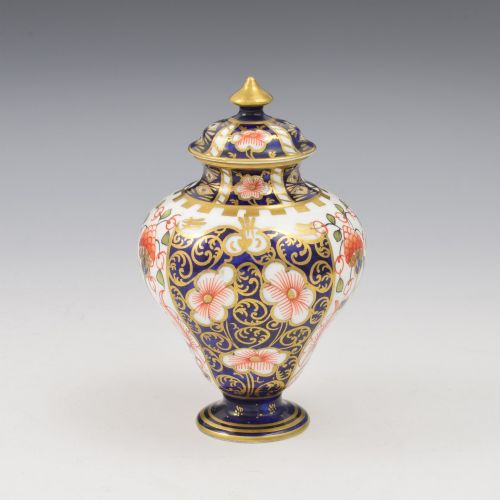
Earthenware and porcelain serve as the primary ceramic bodies, often decorated with delicate glazes and elaborate gold gilding. Satsuma pieces employ a fine earthenware base finished with crackle-glaze and overglaze enamel painting.
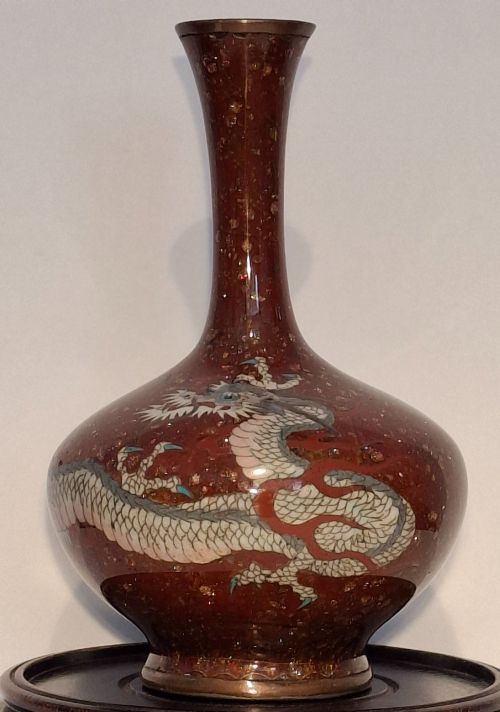
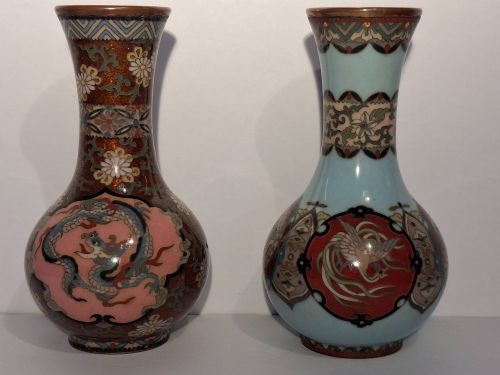
Cloisonné pieces rely on a metal base, such as copper or brass, where thin wire compartments contain coloured enamel pastes. Firing and polishing create a smooth surface that highlights the intricate geometric or pictorial designs.
Listings feature earthenware, porcelain, copper, and brass materials combined with enamel and gold leaf decorations across multiple periods.
Distinctions in Quality
The refinement of the hand-painted brushwork distinguishes superior examples from standard production pieces. Finer specimens display precise facial expressions, detailed garments in figural processions, and extensive use of raised gold leaf.
Signatures by recognised artists or workshops elevate the standing of a piece within the market. The clarity of the enamel work in cloisonné and the crispness of the porcelain or earthenware form also indicate higher execution standards.
Chosei·Shuzan·Choshuzan·Jissei·Yoshisada·Kizan·Yabu Meizan·Stevenson and Hancock·Royal Crown Derby
The Japanese Miniature Vase Glossary
- Satsuma
- A type of Japanese earthenware featuring an ivory-coloured crackle glaze, typically decorated with polychrome enamels and gold. It became exceptionally popular for export during the Meiji period.
- Cloisonné
- A metalwork technique where wire partitions are soldered to a base and filled with enamel paste before firing. This method produces intricate coloured patterns across the vessel surface.
- Meiji Period
- The era in Japanese history spanning from 1868 to 1912, marked by rapid modernisation and an explosion of decorative arts destined for Western markets.
- Gilding
- The application of gold leaf or gold powder onto the surface of ceramic or metal objects to accent designs. It provides a luminous contrast against painted enamel colours.
Japanese Miniature Vase: Frequently Asked Questions
What are japanese miniature vases?
These objects are small decorative vessels produced primarily in Japan during the late nineteenth and early twentieth centuries. They encompass earthenware, porcelain, and metalwork forms designed for display.
Craftsmen applied meticulous detail to these compact surfaces, utilising traditional motifs such as landscapes, flora, and figural processions. Their small scale required exceptional control over brushwork and enamel application.
How do I identify satsuma pieces?
Satsuma wares feature a distinctive cream or ivory-coloured earthenware body covered in a fine network of crackled glaze. They are typically decorated with hand-painted overglaze enamels and generous amounts of gold gilding.
Many examples bear artist signatures or workshop marks on the base, often written in Japanese characters. The subject matter frequently includes court scenes, deities, and floral compositions.
How were cloisonne vases made?
Cloisonné pieces are constructed by soldering thin metal wires onto a copper or brass body to create compartmentalised designs. Artisans then fill these individual cells with coloured enamel pastes before firing the vessel in a kiln.
The finished surface is ground down and polished until the metal wires and hardened enamel form a smooth, continuous plane. This technique allows for remarkably crisp geometric and pictorial patterns.
Where should I display my collection?
Because of their diminutive scale, these pieces benefit from placement in enclosed cabinets or on dedicated shelves where lighting can highlight the fine details. Proximity to natural light reveals the subtleties of the gold leaf and enamel work.
Pairing matching vessels together or grouping collections by material creates a balanced visual display. Stable environments away from direct sunlight protect the delicate painted surfaces over time.
How do I care for antique ceramics?
Maintenance requires gentle dusting with a soft, dry cloth to prevent accumulation on textured enamel and gilded surfaces. Avoid using liquid cleaners or chemical agents, which can damage the historic glazes.
Handling should be done with clean hands, supporting the body of the vessel rather than narrow necks or rims. Keeping them in stable indoor conditions prevents thermal shock to the old earthenware or porcelain bodies.