
Japanese Painted Ceramic Urns
These japanese painted ceramic urns bring rich historic character to interiors, combining intricate floral and figural scenes with traditional craftsmanship.
Japanese Painted Ceramic Urns
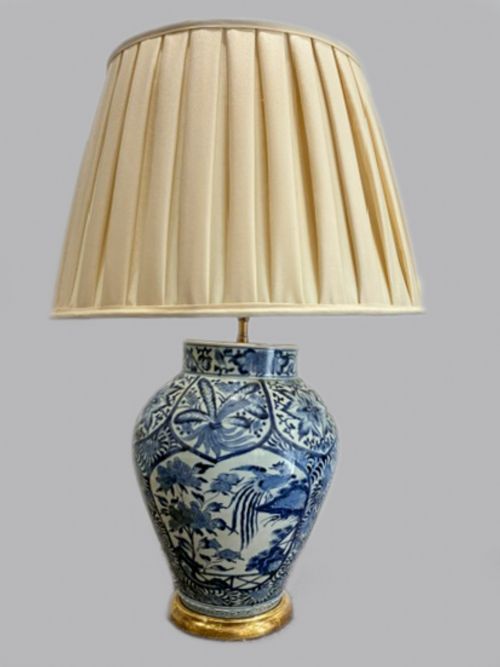
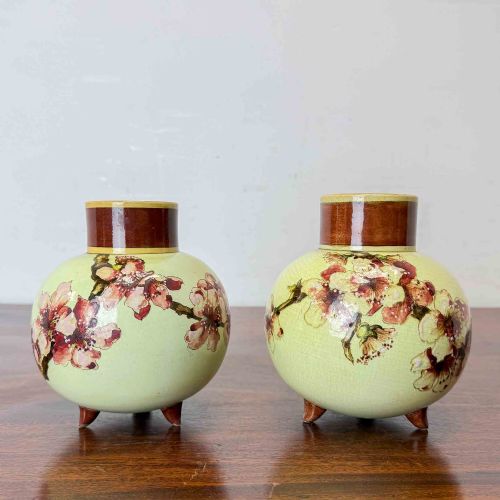
Japanese painted ceramic urns encompass a diverse selection of antique vessels, including large floor-standing vases, ginger jars, and table lamps. These pieces originate primarily from the Meiji, Taisho, and Edo periods, reflecting centuries of distinct artistic output.
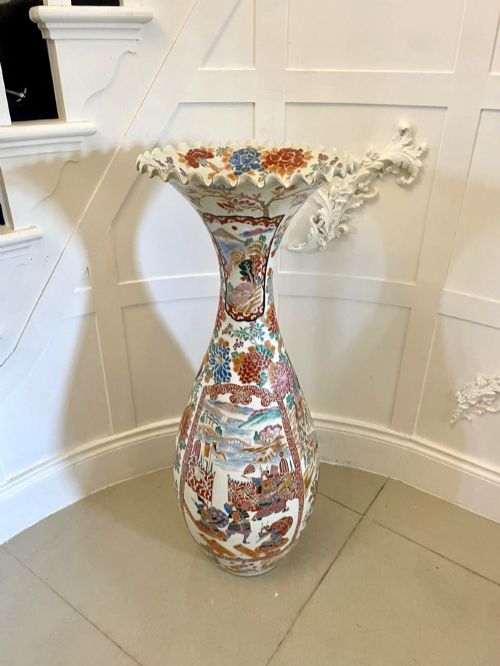
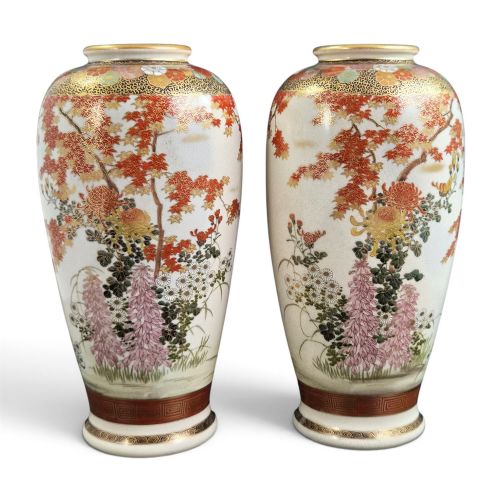
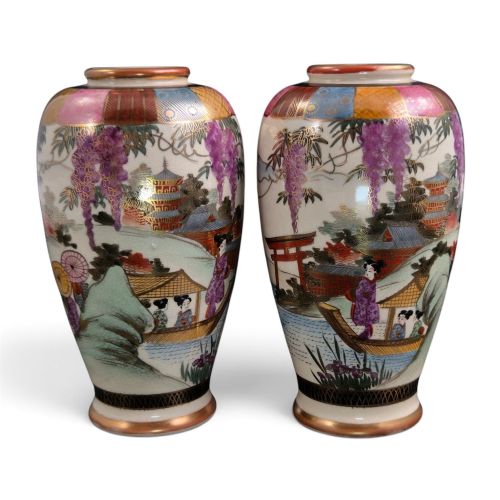
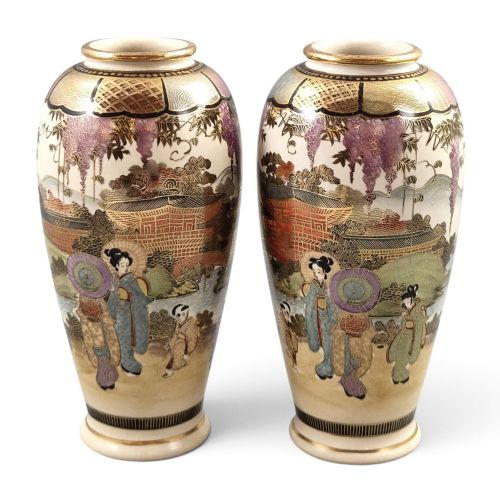
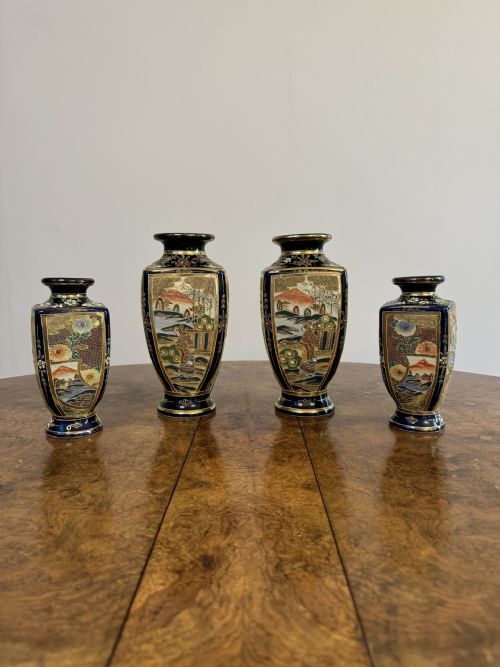
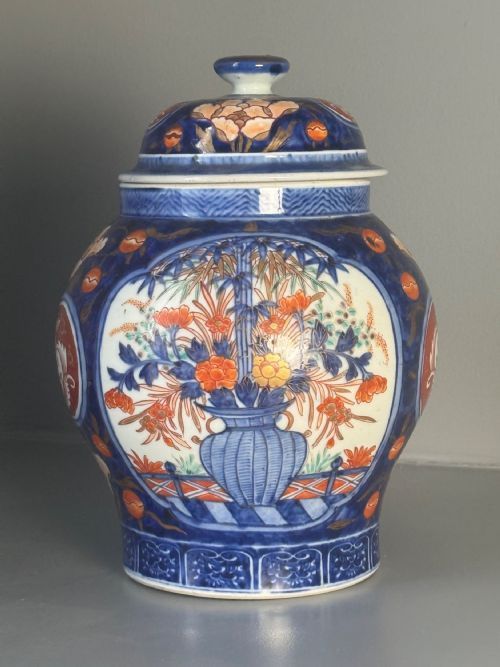
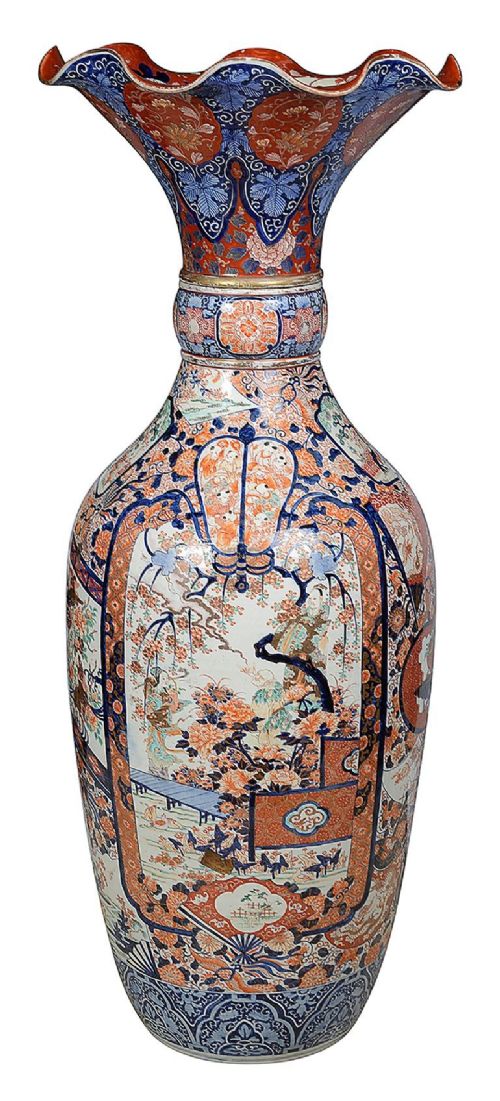
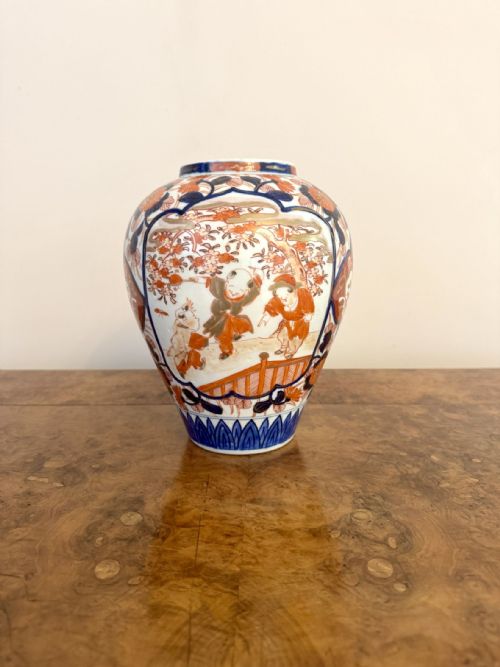
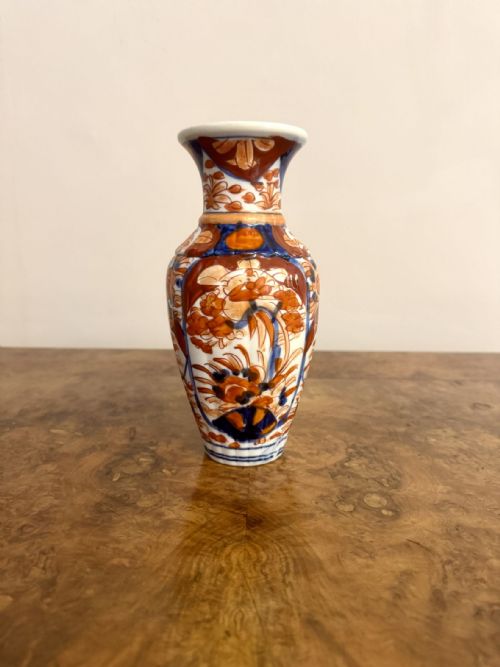
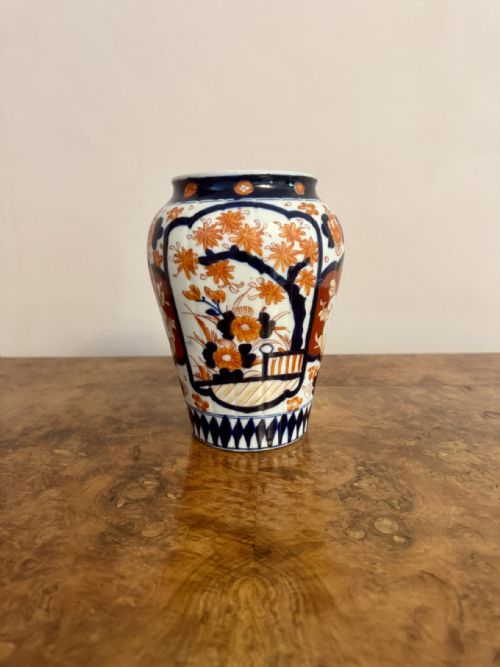
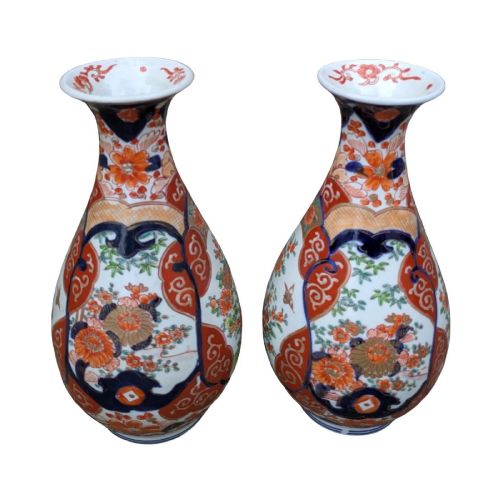
The most common examples encountered on this page belong to the Imari and Satsuma traditions, often found as matched pairs or garnitures. They range from diminutive miniature vases to monumental floor vases standing well over a metre in height.
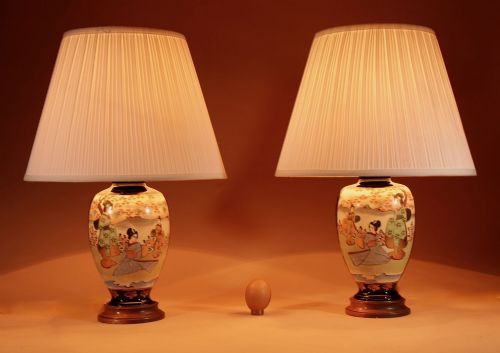
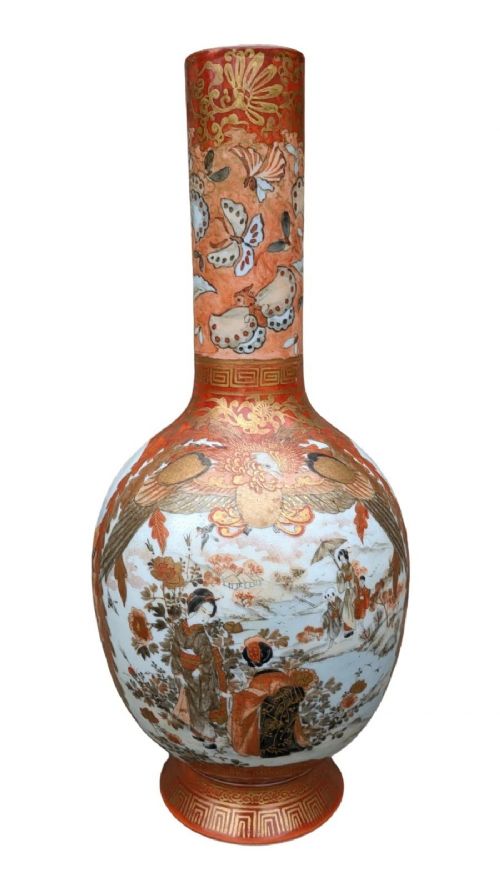
Makers and regional potteries such as Kutani, Arita, and Kyoto workshops produced these ceramics for both domestic use and export markets. Many incorporate lids, covers, or later conversions to electric lamps while retaining their core decorative form.
Materials and Construction
Potters shaped these vessels using fine porcelain and earthenware bodies, which were then fired to create stable foundations for intricate decoration. Glaze provides a smooth, protective coating across the surface, sealing the ceramic body beneath.
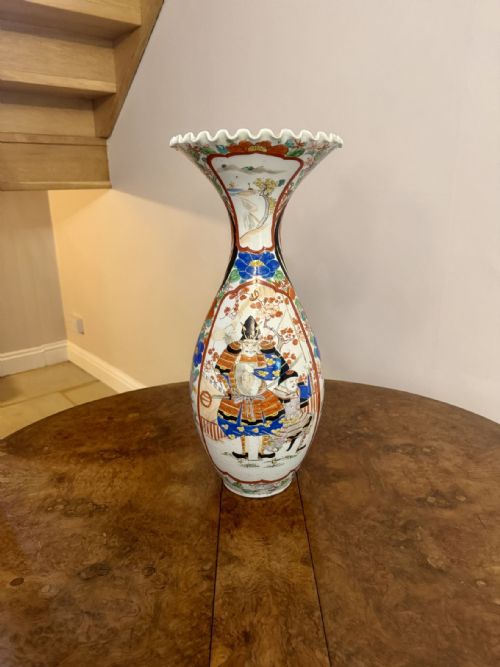
Painters applied coloured enamel pigments and gold leaf accents by hand, often detailing elaborate figural processions, landscapes, and floral motifs. Gilt highlights catch the light across the surface, contrasting with the deep blues and rust reds characteristic of Imari wares.
Materials documented across the inventory include porcelain, earthenware, gold leaf, and traditional glaze over wood stands.
Assessing Quality and Execution
The refinement of the painted brushwork dictates the visual success of each piece, distinguishing hurried export items from masterwork creations. Finer works display meticulous detail in human expressions, architectural lines, and complex foliage.
The application of gold leaf and enamel depth contributes significantly to the overall presence of the vessel. Heavier porcelain bodies and well-balanced forms, particularly on large floor vases and covered ginger jars, indicate superior original design.
Maruni Kobe·Shozan Satsuma·Manpei Kobe·Kinkōzan Kyoto·Kato Sanhei·Chosei Kyoto
The Japanese Painted Ceramic Urns Glossary
- Imari
- A style of Japanese porcelain decorated in underglaze blue and overglaze red, gold, and green. This ware gained immense popularity in Europe during the export trade era.
- Satsuma
- An earthenware ceramic type with a crackle-glaze finish, typically decorated with polychrome enamel and gilt. Pieces often depict dense scenes of figures, birds, and landscapes.
- Garniture
- A set of matched vases or jars designed to be displayed together on a mantelpiece or cabinet. These groupings usually consist of three or more matching vessels.
- Ginger Jar
- A ceramic vessel with a broad body and a domed lid, originally used to store spices. Antique examples now function primarily as decorative mantel or table centerpieces.
- Earthenware
- Porous pottery fired at lower temperatures than porcelain, requiring a glaze to achieve water resistance. Satsuma wares are the primary examples found within this category.
Japanese Painted Ceramic Urns: Frequently Asked Questions
How do I identify Satsuma ware?
Satsuma ceramics feature a distinct ivory-coloured, crackled earthenware glaze decorated with dense overglaze enamel and gold leaf.
Subjects frequently include detailed figural scenes, historical processions, and natural motifs such as wisteria.
Were these pieces made for export?
Many of these ceramics were produced specifically for Western export markets during the late nineteenth century, aligning with European taste for Japanese aesthetics.
Export workshops scaled up production while maintaining traditional hand-painting techniques across various vessel forms.
Can converted lamps be restored?
Pieces converted to table lamps often retain their original ceramic bodies beneath the wiring and hardware. Restoration depends on how the fitting was secured, though many collectors choose to preserve the lamp wiring if professionally installed.
How are Imari and Kutani distinguished?
Imari porcelain relies on a strict palette of underglaze blue, iron red, and gilt, often featuring geometric and floral panels.
Kutani ceramics utilise a broader range of green, yellow, purple, and red enamels, frequently showcasing bold pictorial scenes.