


Oriental Porcelain Baluster Urns
Oriental porcelain baluster urns bring together centuries of Chinese and Japanese ceramic tradition, offering striking decorative presence for any room.
Oriental Porcelain Baluster Urns
Oriental porcelain baluster urns encompass grand floor-standing pieces, lidded jars, and table lamps originating from Chinese and Japanese kilns. Buyers exploring these pieces encounter forms ranging from floor vases to garnitures, spanning periods from the seventeenth century through to the early twentieth century.
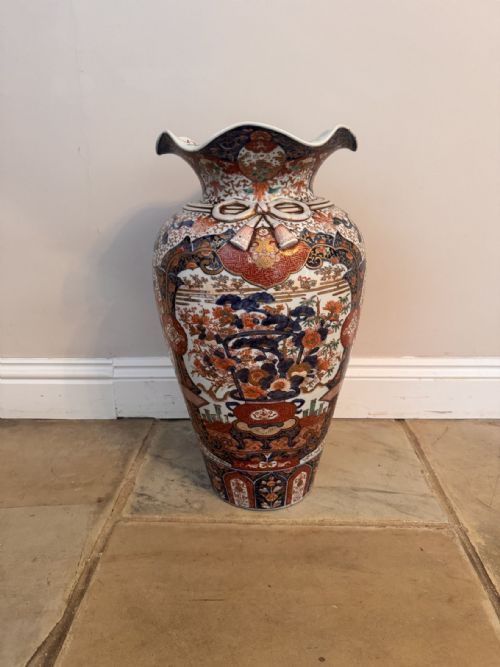
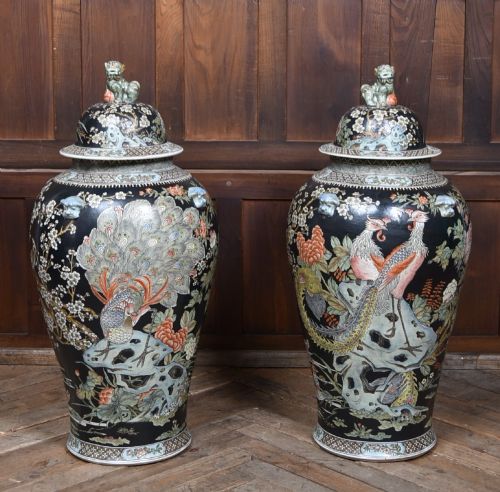
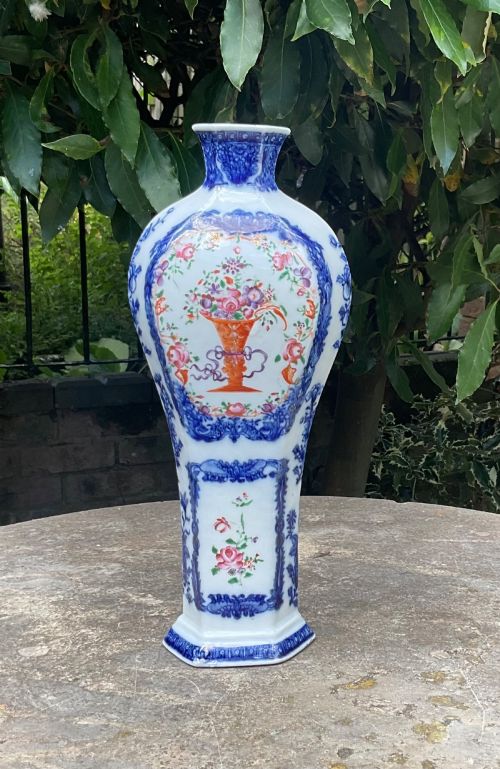
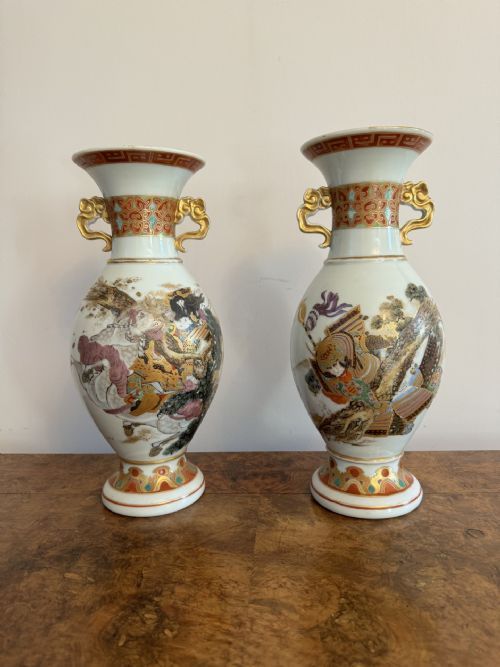
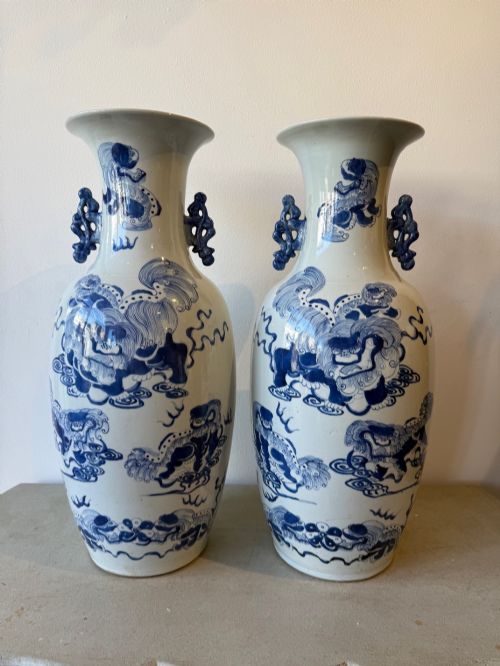
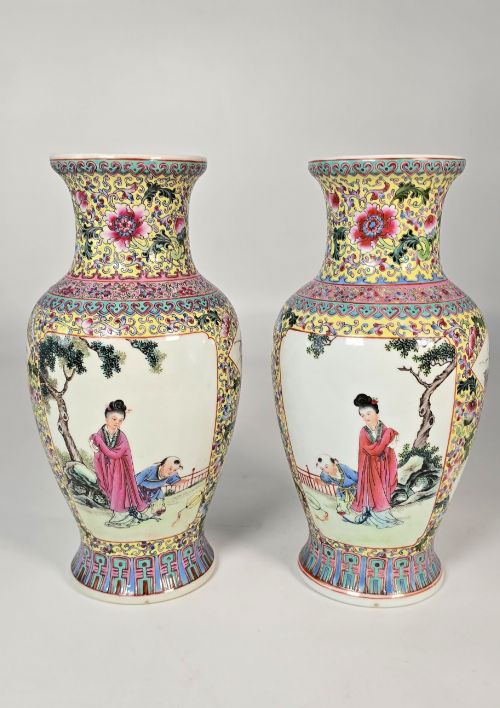
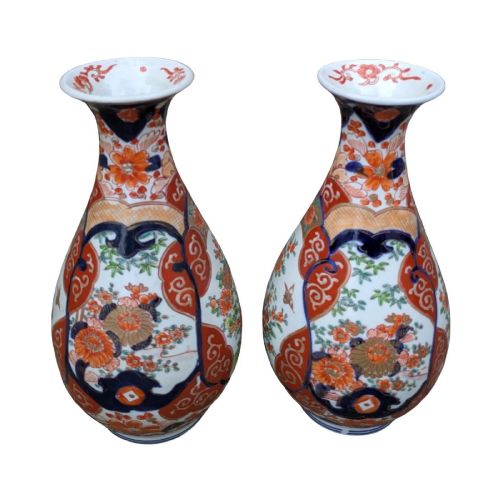
The selection on this page leans heavily towards Japanese Imari and Satsuma styles alongside Chinese Qing Dynasty blue and white and Famille Rose wares. These ceramic vessels arrive in various scales, including monumental pairs and smaller baluster shapes with distinct curved profiles.
Materials and methods
Potters shaped these vessels from ceramic and porcelain bodies, frequently applying intricate hand-painted enamel decoration in cobalt blue, iron red, and other polychrome pigments. Artisans integrated details using gold leaf, gilding, and brass or ormolu mounts to accent the ceramic forms.
Kiln workers fired these porcelain and earthenware pieces using traditional glaze techniques, achieving both vibrant famille verte palettes and deep powder blue surfaces. Certain workshops also incorporated raised enamel work and hand-painted motifs characteristic of Meiji period Satsuma and Edo period Imari.
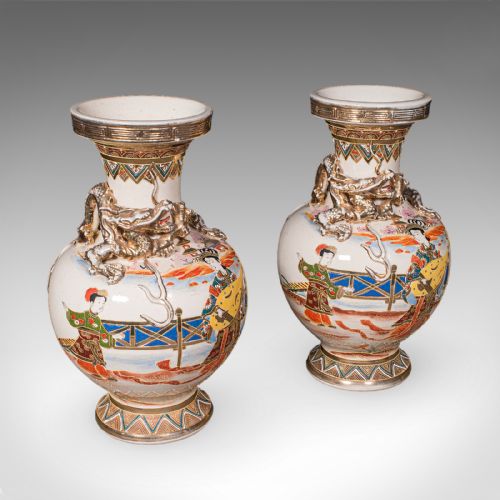
Several porcelain dragon vases gaze outward with fierce expressions, standing ready to guard any mantelpiece.
Distinctions in quality
Quality rests upon the precision of the hand-painted brushwork and the clarity of the enamel and glaze application. Superior examples display balanced proportions across the baluster body and crisp definition within complex floral, figural, or dragon motifs.
The richness of the gilding and the weight of the porcelain body also separate standard production pieces from exceptional works produced by notable makers such as Makuzu Kozan. Preservation of the original lids on baluster jars and floor vases adds significantly to the integrity of the piece.
Makuzu Kozan
The Oriental Porcelain Baluster Urns Glossary
- Baluster
- A vertical architectural form featuring a rounded lower body that tapers towards a narrow neck, which inspired the curved silhouette of these urns and vases. This shape provides stability and visual balance to large ceramic vessels.
- Imari
- A traditional style of Japanese porcelain decorated in underglaze blue and overglaze red, gold, and green, originating from the town of Arita. This palette became immensely popular across Europe during the Edo period.
- Famille Rose
- A major palette of Chinese ceramic glazes introduced during the Qing Dynasty, distinguished by opaque pink or rose enamels. Artisans utilised this colour scheme to render elaborate floral and figural scenes.
- Satsuma
- A type of Japanese earthenware featuring a crackled ivory glaze decorated with polychrome enamels and gilding. These pieces were largely produced during the Meiji period for export markets.
- Garniture
- A set of matching vases or urns designed to be displayed together on a mantelpiece or cabinet. These groupings typically consist of three or five graduated pieces.
- Oormolu
- Applied cast brass or bronze ornamentation that has been finished with a gold-wash, frequently fitted to the bases or rims of porcelain vases and lamps.
Oriental Porcelain Baluster Urns: Frequently Asked Questions
What is a baluster urn?
A baluster urn is a tall vessel characterised by a swelling lower body and a narrower neck, taking its name from the architectural baluster shape.
These pieces were traditionally manufactured in ceramic or porcelain and often served as decorative focal points or lidded storage jars.
How do I identify Imari porcelain?
Imari porcelain is readily identified by its distinctive colour scheme, which typically combines deep underglaze cobalt blue with vibrant iron red and gold leaf.
Originating in Japan during the Edo period, these designs frequently feature intricate floral and panel motifs.
Where were Satsuma vases made?
Satsuma vases originated in the Satsuma Province of southern Japan, though production later expanded to major ceramic centres like Kyoto during the Meiji period.
They are distinguished by an earthenware body covered in a characteristic creamy, crackled glaze.
How should I display a floor vase?
Floor vases and large baluster urns require stable placement on a solid surface away from heavy foot traffic to prevent accidental knocks.
Positioning them in corners or entrance halls allows their scale and hand-painted details to be fully appreciated.