


Vintage Satinwood Cabinet
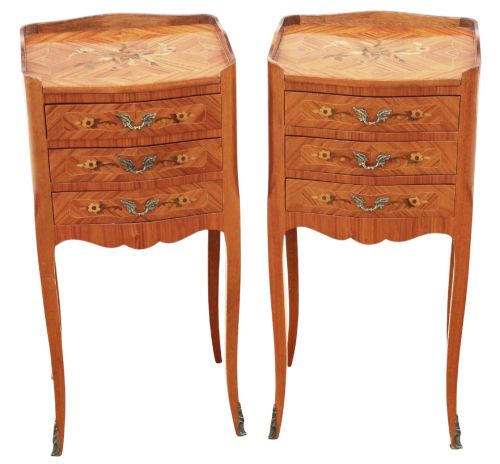
A vintage satinwood cabinet brings pale timbers and delicate marquetry into a room, offering both display space and refined storage for a period interior.

Vintage Satinwood Cabinet
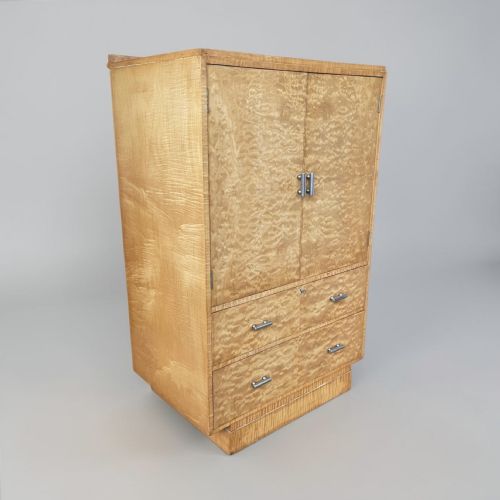
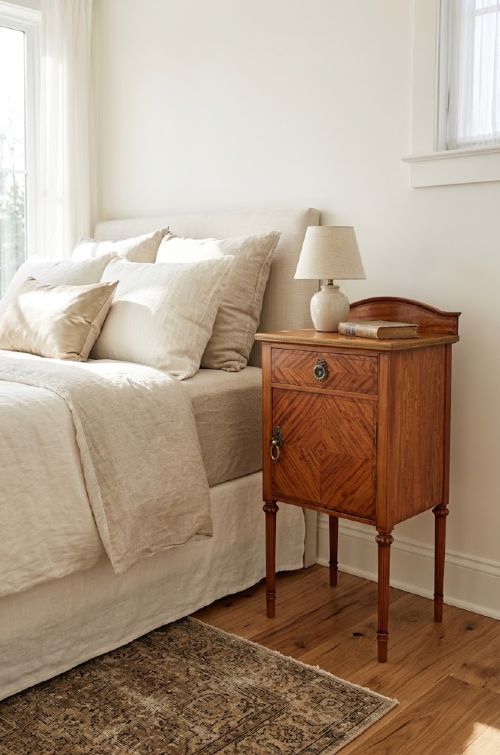
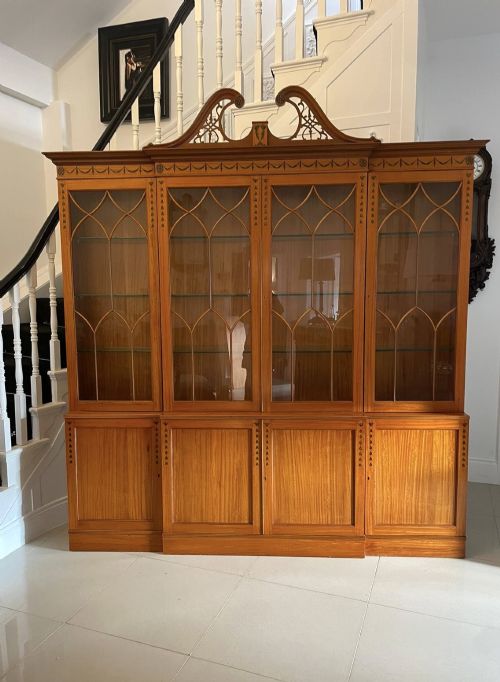
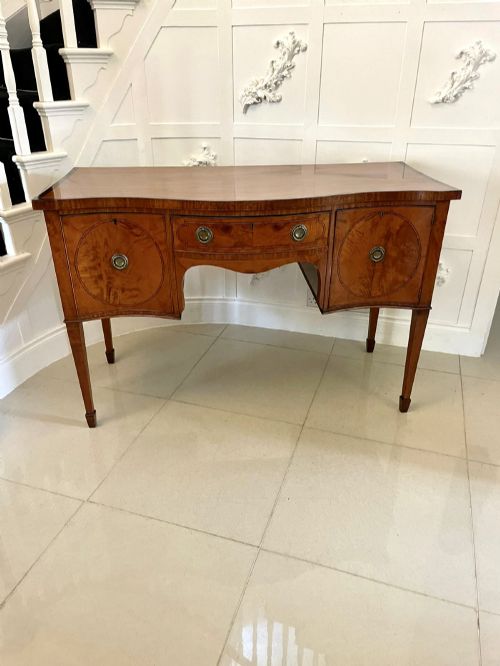
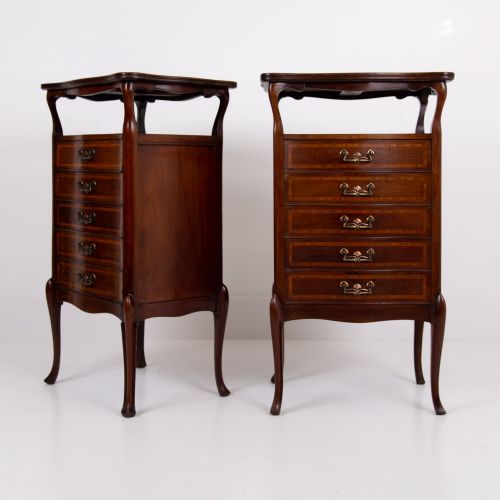
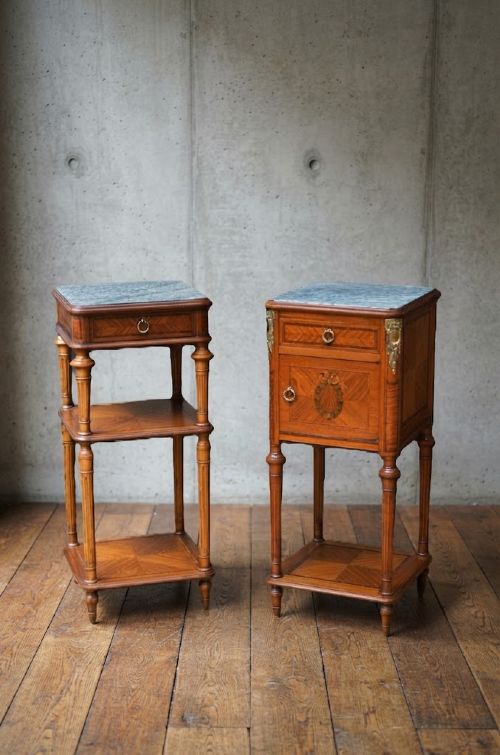
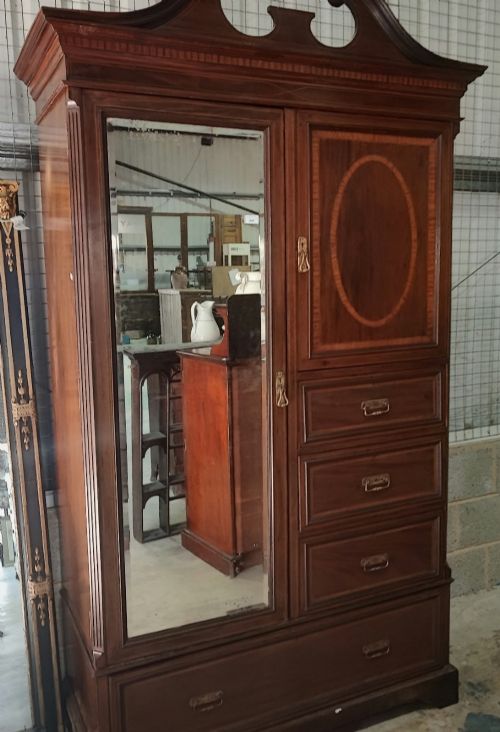
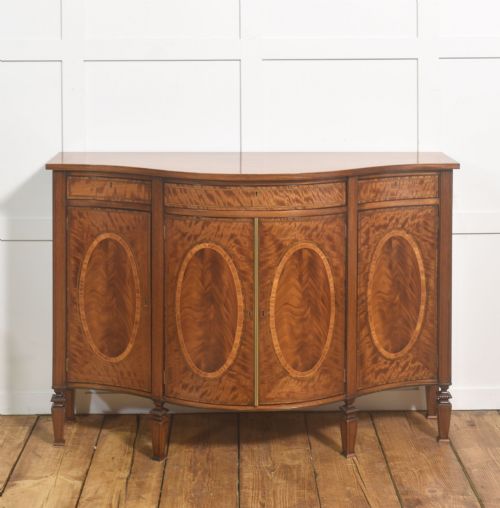
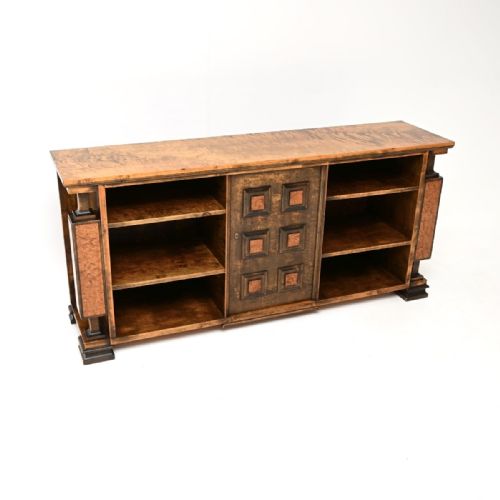
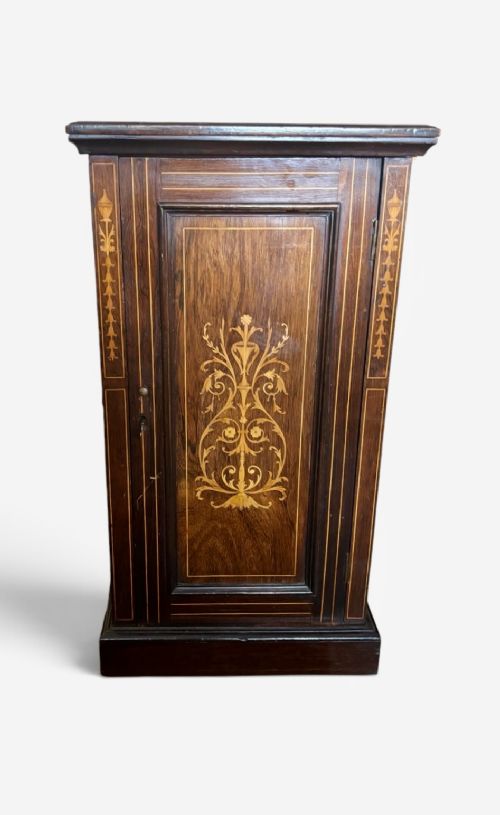
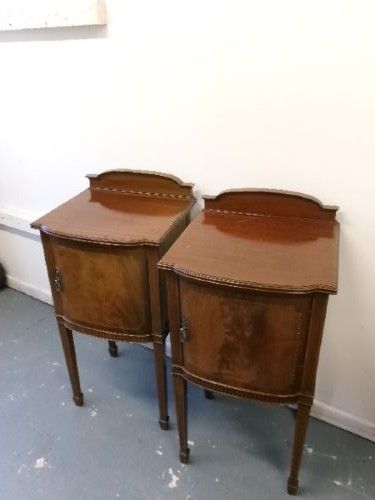
When searching for a vintage satinwood cabinet, buyers encounter a range of functional forms spanning display cabinets, bedside cabinets, sideboards, and bookcases. These pieces emerge from periods including the Victorian era, the Edwardian years, and the Art Deco movement of nineteen thirty.
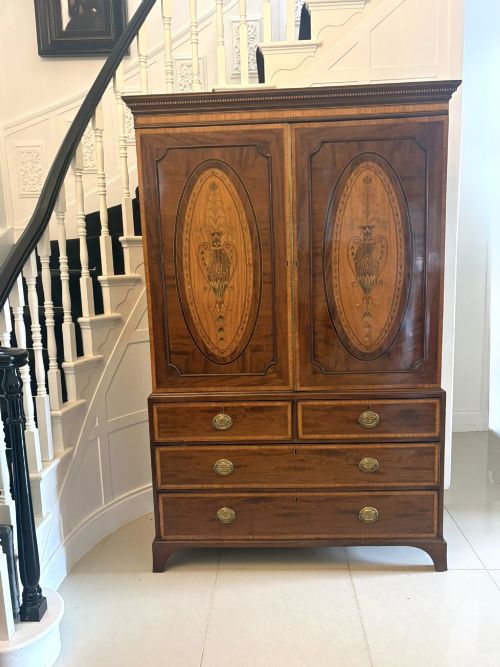
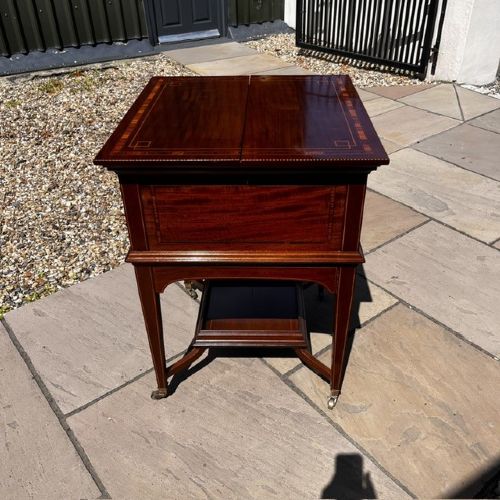
Edwardian and Sheraton Revival examples dominate the selection, often featuring mahogany or other timbers detailed with contrasting inlay. Art Deco pieces introduce geometric lines in satinwood alongside walnut, while Victorian specimens present serpentine shapes and glazed panels.
The assortment includes smaller bedside tables and compact cupboards alongside larger breakfront display cabinets and wardrobes. Original painted decoration, brass fittings, and glass doors frequently accompany the timber framing across these diverse forms.

How they were made
Cabinet makers utilised satinwood veneers alongside solid timbers like mahogany, walnut, and rosewood to construct the carcase. Selected wood was chosen for its distinct grain pattern and natural golden sheen.
Decoration relied on fine stringing and boxwood inlay, combined with marquetry motifs and occasional hand-painted details. Brass handles, hinges, and glass panels completed the assembly of display units and cupboards.
Vintage Satinwood Cabinet Retail Price Guide 2026
Typical asking prices for vintage satinwood cabinet among the pieces listed under this phrase on Sellingantiques today, from the lower quarter to the upper quarter. They describe what is for sale here now, not the wider market.
Some Edwardian bedside cabinets secretly hide pull-out night tables beneath their top drawers for midnight tea.
What varies in quality
The standard of a vintage satinwood cabinet rests upon the precision of its inlay and the depth of the timber figuring. Finer examples display meticulous boxwood stringing and balanced marquetry that align seamlessly across doors and drawers.
Construction methods also separate the output of prominent workshops from standard production. Cabinet work featuring secondary timbers of high grade, original brass hardware, and well-fitted glazed doors commands greater appreciation.
Edwards and Roberts·Morant and Co·Waring and Gillows·Maple and Co·Bath Cabinet Makers·Druce and Co
The Vintage Satinwood Cabinet Glossary
- Satinwood
- A dense, lustrous tropical timber known for its pale golden colour and reflective quality. It serves as a primary veneer or inlay material on furniture from the eighteenth century onwards.
- Sheraton Revival
- A late nineteenth and early twentieth century design movement inspired by the furniture of Thomas Sheraton. Pieces typically incorporate satinwood inlay, tapered legs, and classical motifs.
- Marquetry
- The art of applying pieces of veneer to a structure to form decorative patterns and pictures. Craftsmen cut contrasting woods to create pictorial or geometric designs on cabinet surfaces.
- Astral glazing
- A method of dividing glass panes within a cabinet door using slender wooden bars. This technique creates geometric patterns that allow a clear view of the interior display.
- Compactum
- A large wardrobe designed to offer multiple internal storage configurations including drawers, sliding trays, and hanging space. They date primarily from the Victorian and Edwardian periods.
Vintage Satinwood Cabinet: Frequently Asked Questions
What is a satinwood cabinet?
A satinwood cabinet is a storage or display piece surfaced with the pale, lustrous timber characteristic of Edwardian and Victorian revival furniture.
These items range from small bedside cupboards to large breakfront display units featuring inlaid decoration.
How do I date a satinwood cabinet?
Dating relies on examining the construction style, timber combinations, and decorative motifs such as Sheraton Revival inlay or Art Deco geometry.
Makers' stamps, brass hardware styles, and underlying structural timbers also help narrow down the period of manufacture.
How should I care for satinwood?
Satinwood requires protection from direct sunlight and excessive moisture to prevent fading and veneer lifting.
Regular dusting with a soft, dry cloth and occasional application of appropriate furniture wax maintains the polished surface.
What is Sheraton Revival furniture?
Sheraton Revival is a style popular around nineteen hundred that reinterprets eighteenth century neoclassical designs.
Items from this movement frequently combine mahogany with satinwood veneer and delicate boxwood stringing.