
Vintage Rose Painting
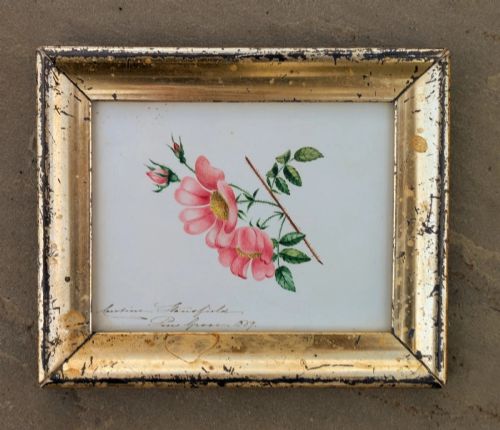
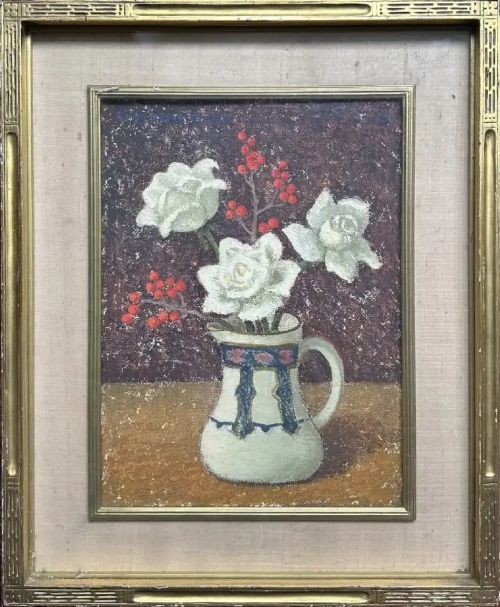
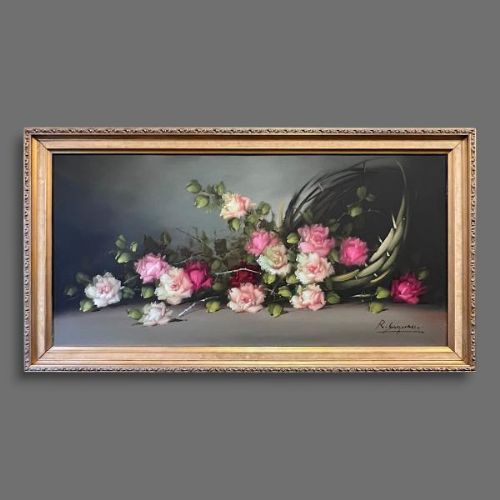
A vintage rose painting captures the enduring appeal of floral studies through the brushwork and palettes of past centuries.
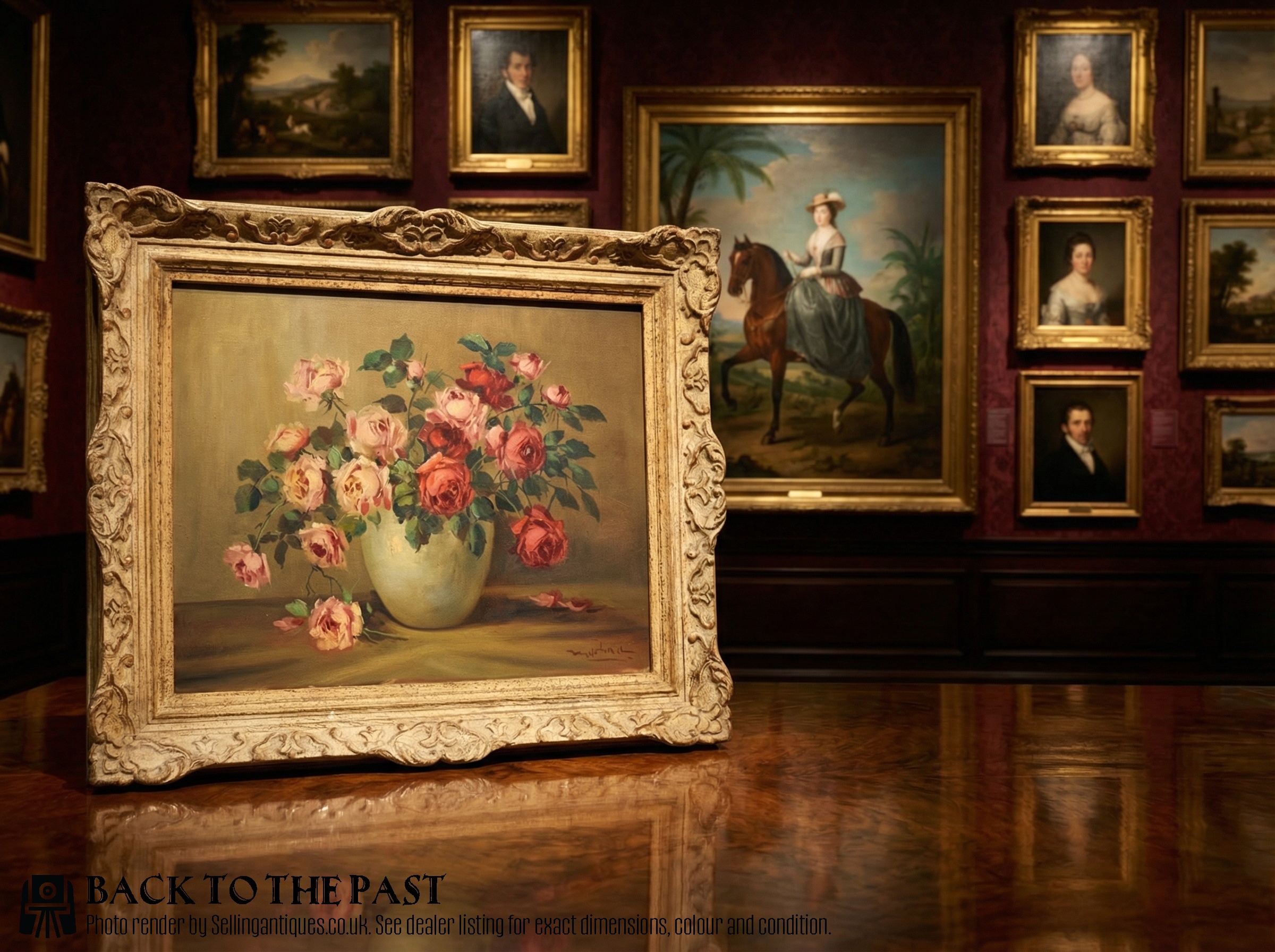
Vintage Rose Painting
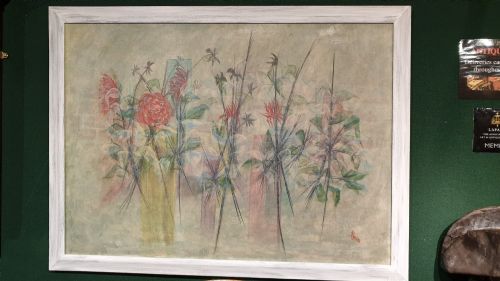
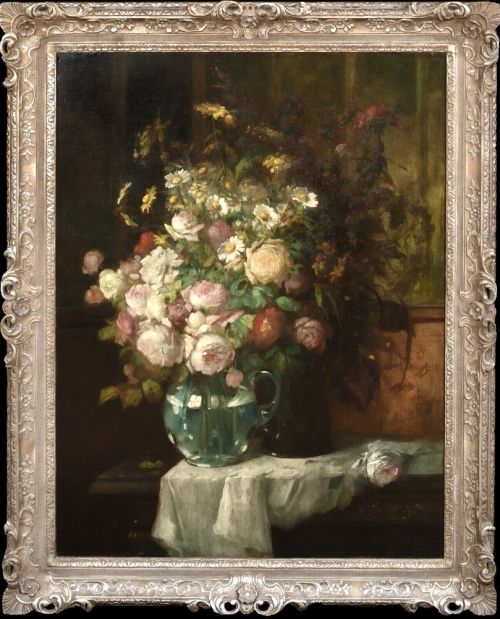
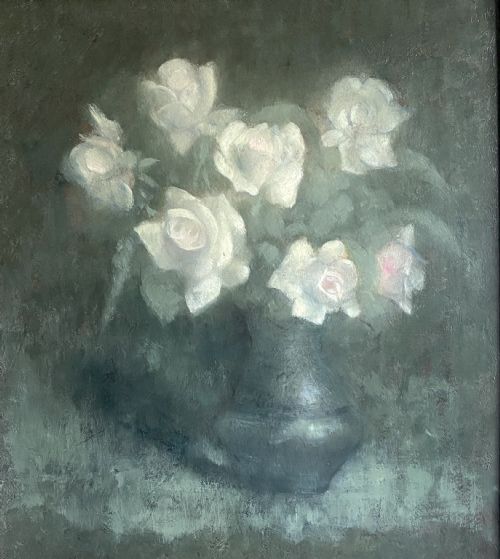
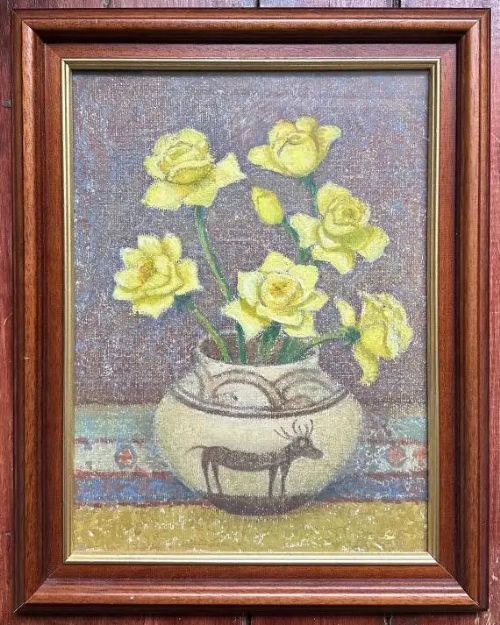
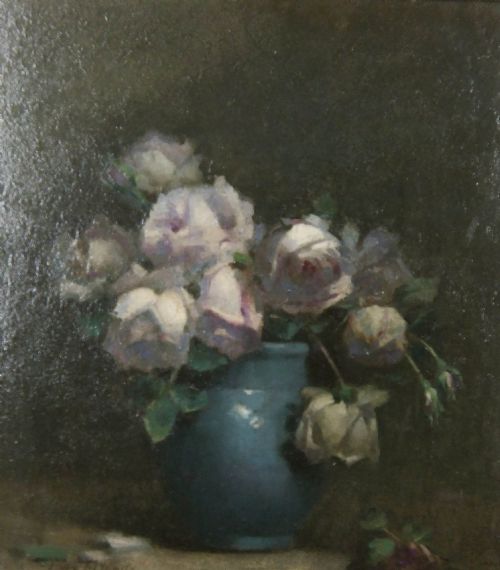
When you search for a vintage rose painting, you encounter works spanning the nineteenth and twentieth centuries, executed in oil on canvas, oil on board, and watercolour. These floral still life pieces range from intimate botanical studies to large impressionist compositions filled with blossoms in vases or wicker baskets.
On this page, you are most likely to meet mid-century canvases and early twentieth-century oils depicting soft pink, yellow, and white roses. Many of these works originate from British and European hands, capturing the domestic charm of cut flowers arranged simply in domestic settings.
How They Were Made
Artists built these compositions using oil paint or watercolour applied to stretched canvas, wooden panels, or heavy paper. The ground was often prepared simply to allow fluid brushwork, capturing the delicate layers of petals and the texture of foliage without excessive build-up of pigment.
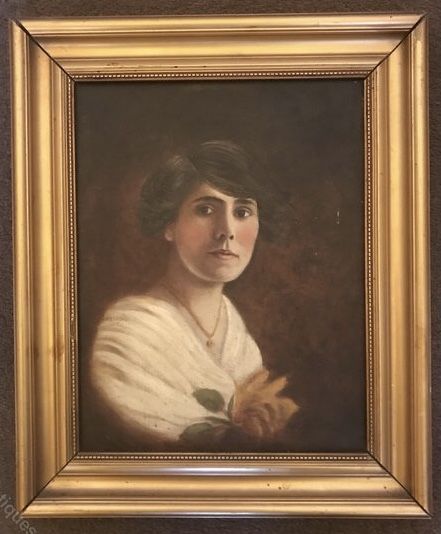
Frames played an integral part in the presentation, utilising carved and gilded wood that complemented the warm tones of the floral subject matter. Pigments derived from traditional minerals and oils ensured the subtle variations in rose petals retained their depth over decades.
Several roses depicted in these paintings have outlived the gardeners who originally grew them over a century ago.
What Varies in Quality
The distinction between standard decorative works and superior examples lies in the confidence of the handling and the precision of tonal control. Masterful brushwork gives a convincing sense of light falling across a petal, whereas lesser pieces rely on flat colour blocks and rigid outlines.
Compositional balance and the rendering of natural forms also separate the range; stronger paintings display a thoughtful arrangement of stems and leaves that anchors the bloom within its vessel, avoiding stiff or crowded placement.
Emma Fordyce MacRae·Konstantin Stoitzner·William Thomas Wood·Stuart Armfield·Barbara Dorf·Harold Knight
The Vintage Rose Painting Glossary
- Still life
- A painting or drawing depicting inanimate subject matter, typically commonplace objects such as flowers or fruit. This genre allows the artist to focus entirely on colour, light, and arrangement.
- Impressionism
- A style of painting that emphasises small, thin brush strokes and accurate depiction of light. Artists working in this manner prioritize the overall visual effect over fine detail.
- Board
- A rigid substrate used instead of canvas for painting, commonly made of wood or heavy pulp. Oil on board works often date from the early twentieth century onwards.
- Watercolour
- Paint made with water-soluble pigments, traditionally applied to paper. It produces translucent washes that lend a delicate, luminous quality to floral studies.
Vintage Rose Painting: Frequently Asked Questions
How do I date a floral painting?
Dating relies on the substrate, the framing style, and the pigments used by the artist. Stretched canvases with old wedge keys and aged priming often point to the nineteenth or early twentieth century.
Signatures, exhibition labels on the reverse, and stylistic clues such as Impressionist or mid-century modernist techniques help narrow the decade further.
Where should I hang a floral canvas?
These works suit well-lit spaces away from direct, harsh sunlight to protect the pigments from fading over time. Traditional and mid-century interiors alike benefit from the natural warmth of floral subjects.
Pairing the painting with neutral walls allows the varied tones of the roses and foliage to stand out clearly in the room.
Are watercolours harder to care for than oils?
Watercolours require careful framing behind glass with acid-free mounts to prevent humidity damage and paper degradation. Direct sunlight affects watercolours faster than oil paintings on canvas.
Keeping them in stable environmental conditions preserves the delicate transparency characteristic of the medium.
What defines an impressionist floral study?
Impressionist pieces focus on the play of natural light across the petals rather than strict botanical accuracy. Loose, visible brushstrokes create a sense of movement and atmosphere within the composition.
Palette choices often include vibrant contrasts that convey the fresh vitality of roses gathered straight from the garden.