


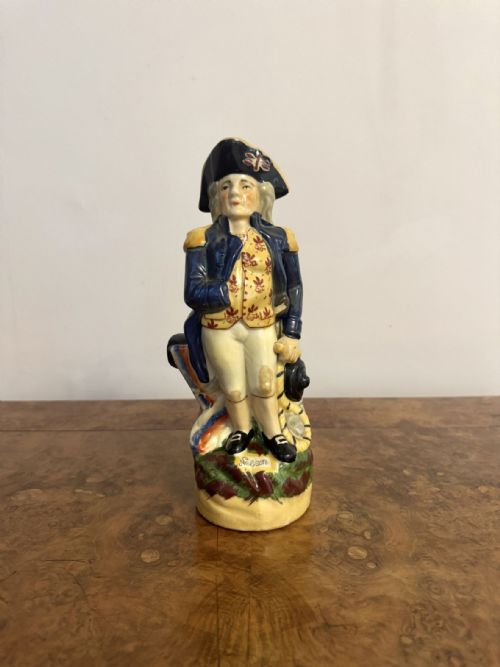

Vintage Pottery Pitcher
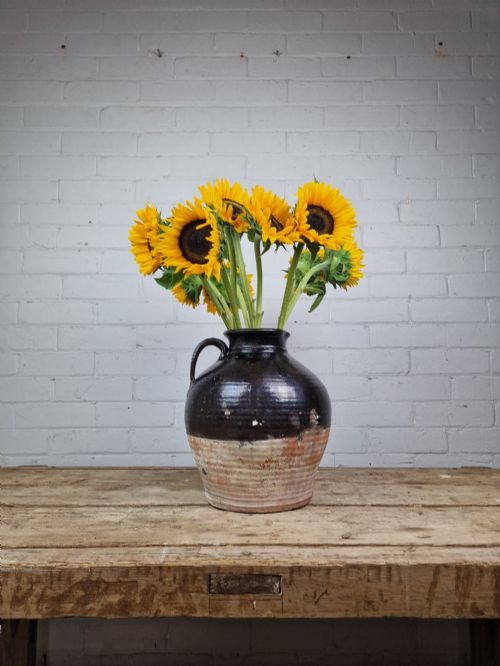
A vintage pottery pitcher brings tactile history to a room, offering practical utility and robust character.
Vintage Pottery Pitcher
A vintage pottery pitcher is a functional vessel designed for pouring liquids, spanning forms from water jugs and milk jugs to pharmacy vessels and decorative ewers. Buyers exploring this category will encounter pieces originating primarily from the eighteenth and nineteenth centuries, encompassing Georgian, Victorian, and Edwardian periods.
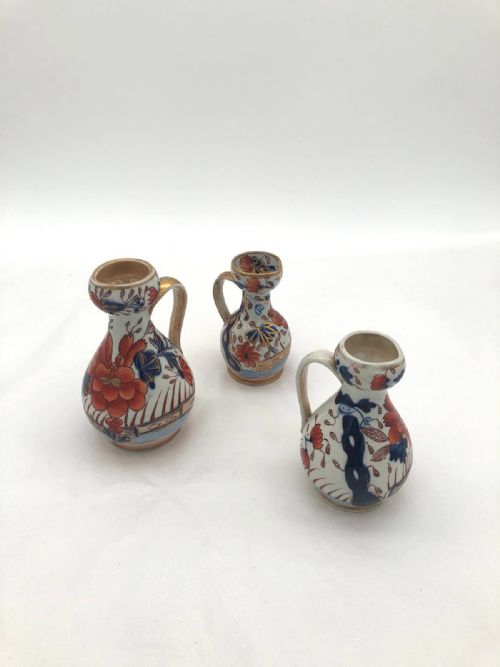
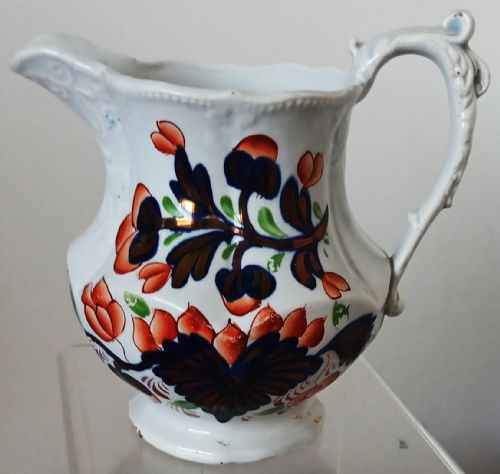
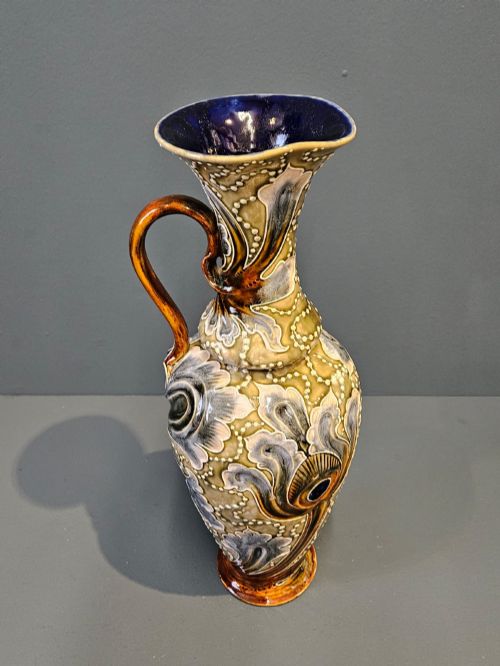
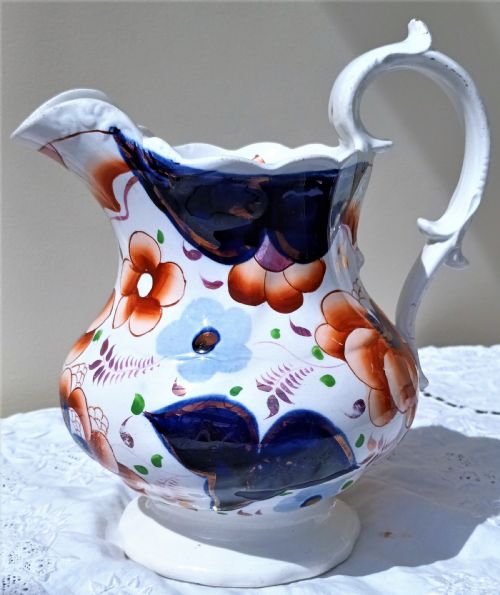
The selection ranges from robust stoneware and ironstone to refined creamware and pearlware, reflecting diverse domestic and tavern uses. Regional styles appear frequently, including Staffordshire pottery, Gaudy Welsh patterns, Sunderland lustre, and Doulton Lambeth salt-glazed wares.
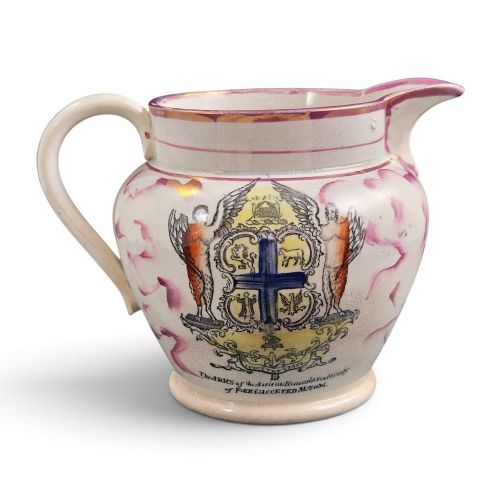
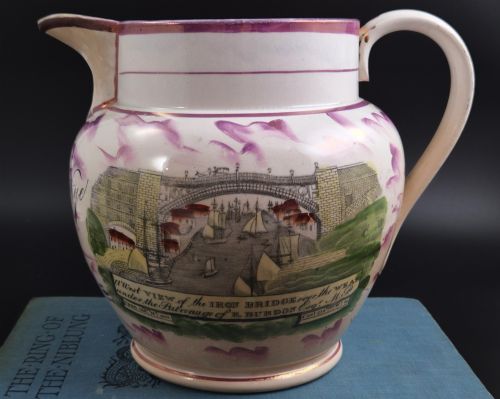
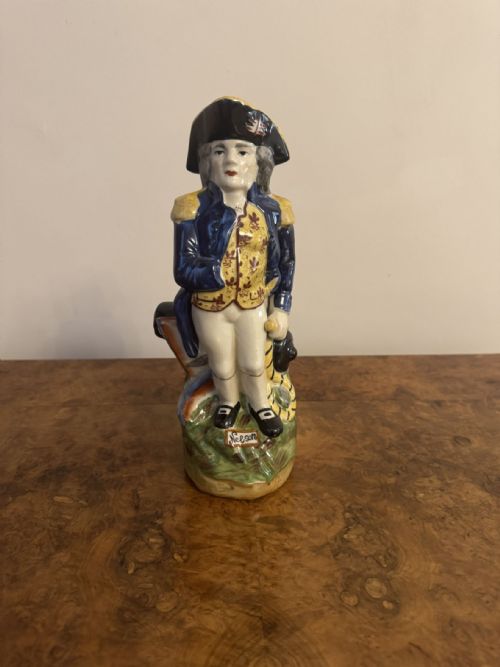
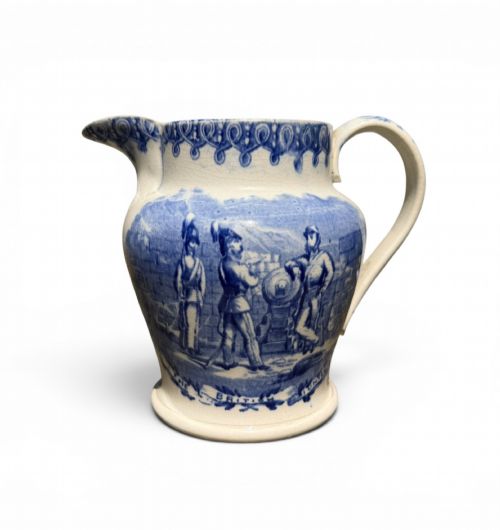
Moulded decorative elements, transfer-printed maritime scenes, and hand-painted botanical motifs define the visual appeal of these items. Collectors also find specialised forms such as toby jugs, cow creamers, and multi-handled tygs amongst the available domestic vessels.
Materials and manufacturing methods
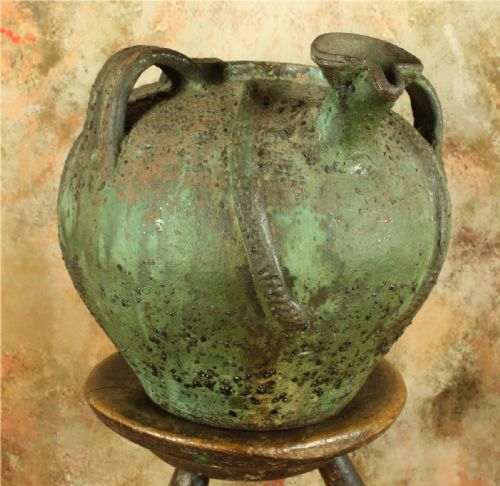
Potters shaped these vessels using earthenware, stoneware, creamware, and ironstone, often utilising local clays fired in traditional kilns. Many domestic and tavern pieces received a durable salt glaze or tin glaze to ensure liquid containment.
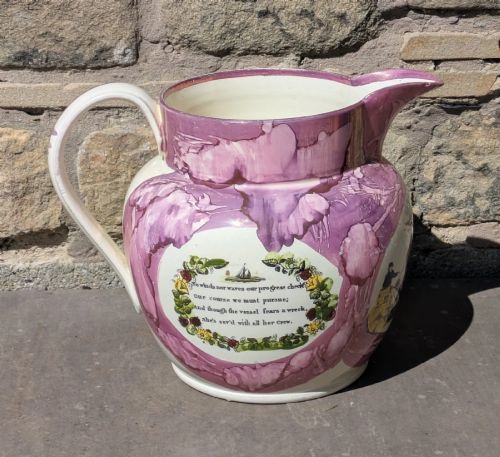
Decoration relied on hand-painting with polychrome enamels, copper or pink splash lustre applications, and intricate transfer printing depicting historical figures or topographical scenes. Moulding techniques allowed artisans to produce relief details like cabbage leaf patterns and figurative toby characters.
The documented forms span domestic water jugs, multi-handled tygs, figural toby jugs, and sanitary wash sets.
Assessing quality in ceramic vessels
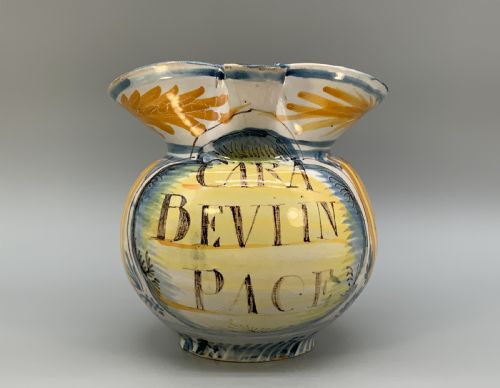
The choice of body material also dictates standard, with denser ironstone and finely potted pearlware representing robust craftsmanship compared to basic earthenware. Intricate firing effects, such as successfully struck pink lustre or complex multi-coloured majolica glazes, distinguish finer workshop output.
Doulton Lambeth·Livesley Powell and Co·Mason's
The Vintage Pottery Pitcher Glossary
- Ironstone
- A durable type of earthenware patented in the nineteenth century to imitate Chinese porcelain. It resists chipping and provided a strong white body for transfer-printed patterns.
- Lustreware
- Pottery decorated with a metallic glaze that produces an iridescent sheen. Copper and pink splash variations are common on nineteenth-century jugs.
- Tyg
- A large drinking vessel featuring multiple handles designed for passing around a table. Early examples frequently appear in slipware or stoneware.
- Creamware
- A refined earthenware developed in the eighteenth century possessing a pale yellowish or cream hue. Leeds Pottery produced notable examples of this lightweight ceramic.
- Pearlware
- A fine-grained earthenware with a bluish tint in the glaze, created to rival true porcelain. It served as a popular ground for painted and transfer-printed decoration.
Vintage Pottery Pitcher: Frequently Asked Questions
How do I date an antique pitcher?
Dating relies on examining the ceramic body, glaze type, and decorative motifs recorded in the listing details. Early pieces often utilise creamware or pearlware bodies, whilst later nineteenth-century examples frequently feature heavy ironstone or salt-glazed stoneware.
Maker marks, registration stamps, and named historical subjects provide further chronological markers. Comparing stylistic traits such as Art Nouveau moulding or Georgian transfer printing helps narrow the decade of production.
Were these pitchers used for water?
Many pitchers served practical domestic roles, including holding water for wash sets, serving milk at the table, or containing beverages in taverns. Large ewers and basin sets functioned as bedroom washing facilities before indoor plumbing became universal.
Other vessels, such as pharmacy jugs and decorative display pieces, fulfilled apothecary or ornamental purposes. The presence of multiple handles or specific pouring spouts usually indicates the intended liquid use.
How should I clean a vintage pitcher?
Maintenance requires gentle washing with warm water and mild soap to protect historic glazes and delicate painted surfaces. A soft cloth or sponge prevents scratching on earthenware and soft-paste bodies.
Harsh chemical cleaners and abrasive scrubbing pads must be avoided to preserve transfer printing and metallic lustre effects. Thorough drying prevents moisture retention in historic porous clays.
What is the difference between ironstone and earthenware?
Ironstone is a dense, vitrified type of earthenware formulated to withstand heavy daily use without sustaining damage. It fires at higher temperatures than standard porous earthenware, resulting in a heavier and more resilient body.
Standard earthenware requires a complete glaze to remain waterproof and chips more readily under impact. Nineteenth-century manufacturers favoured ironstone for utilitarian jugs due to its superior durability.