


Vintage Porcelain Vase Lamps
Vintage porcelain vase lamps bring historic ceramic forms into modern rooms, offering practical illumination alongside centuries of painted detail.
Vintage Porcelain Vase Lamps
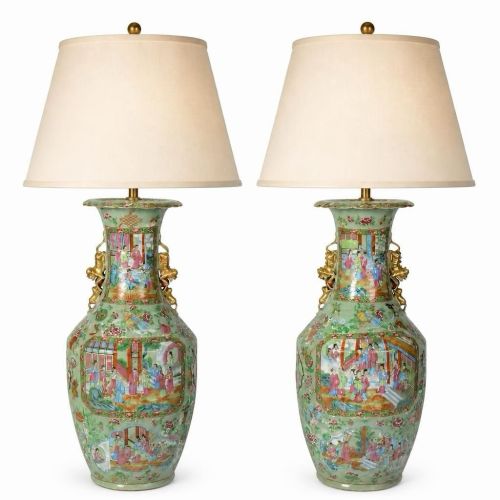
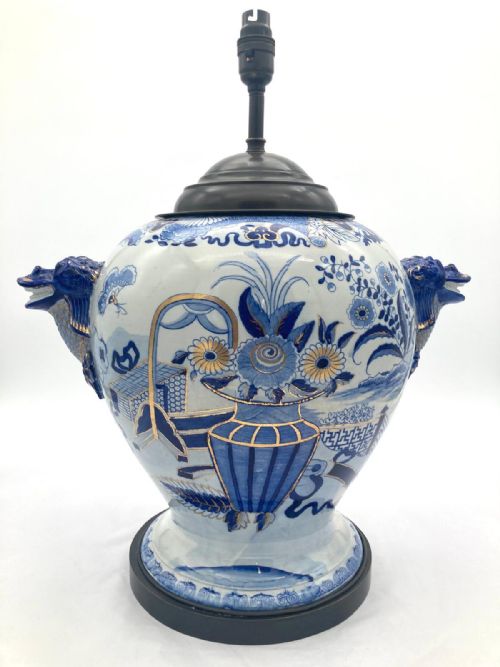
Vintage porcelain vase lamps are typically created by converting antique vessels into functional lighting, preserving centuries-old ceramic bodies for daily use. When you search for vintage porcelain vase lamps, you encounter a diverse selection ranging from small eighteenth-century Delft pieces to large nineteenth-century Chinese export jars.
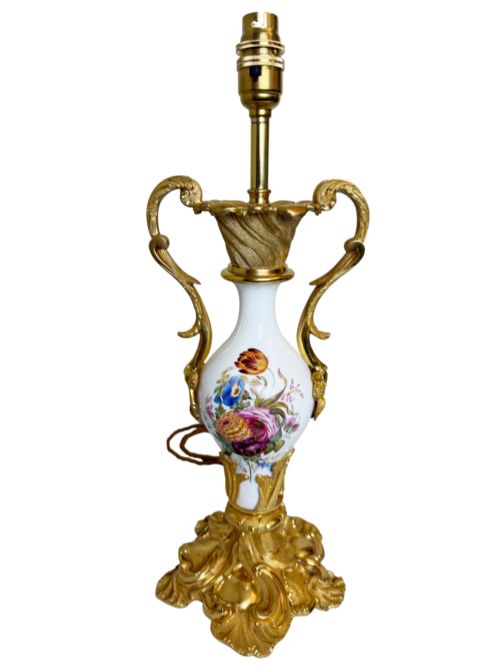
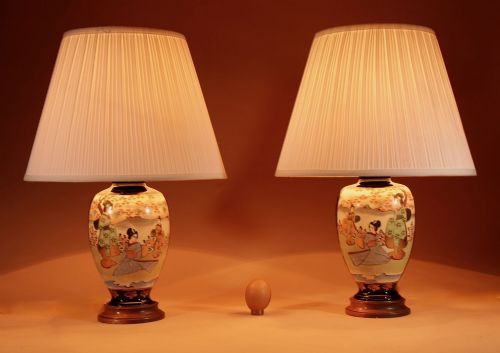
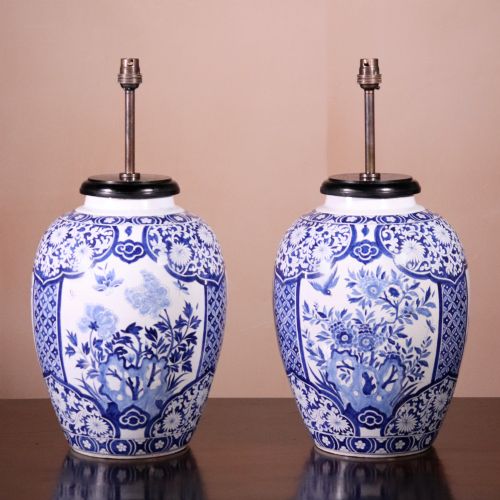
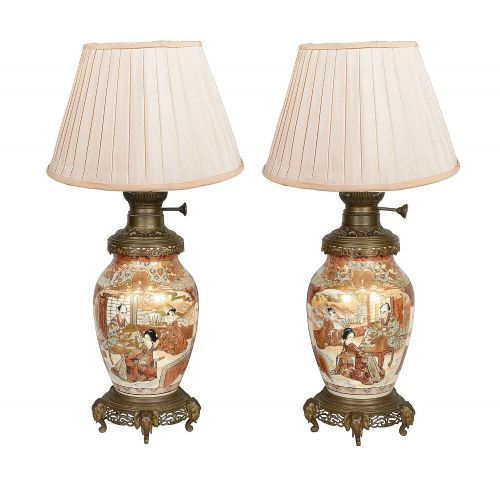
The ceramic bodies originate from various traditions, including Japanese Satsuma and Kutani wares, French Paris porcelain, and English ironstone. Many examples arrive as matched pairs, featuring hand-painted botanical or figurative scenes adapted with electrical fittings.
Materials and conversion techniques
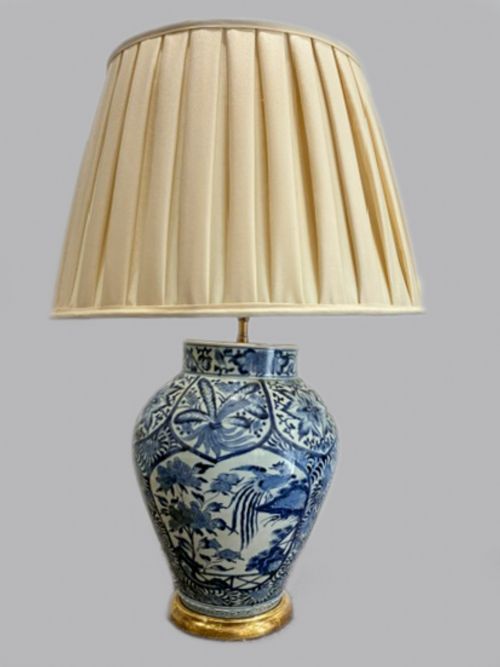
The primary bodies utilise high-fired ceramic, earthenware, or porcelain, often decorated with cobalt blue, famille rose, or polychrome enamel pigments. Artisans mount these vessels on brass or gilt bronze bases, sometimes incorporating wooden elements to secure the electrical components.
Conversion from a vase to a lamp involves drilling through the ceramic base or securing internal brass rods, paired with fabric or silk shades. Many pieces retain original or period mounts that complement the glaze colours and decorative styles of the pottery.
Current listings span periods from the late seventeenth century through the 1930s, featuring brass, fabric, and gilt bronze alongside porcelain.
Assessing quality in converted lamps
Quality rests primarily on the integrity and artistic merit of the original ceramic vessel, alongside the discretion of the conversion. Superior examples retain their original glaze lustre and hand-painted details without heavy restoration or hairline fractures.
The mountings also determine value, as heavier cast brass, ormolu, or gilt bronze fittings demonstrate superior craftsmanship compared to lightweight or modern replacement hardware. Matched pairs of identical height and symmetrical decoration command greater attention from collectors.
The Vintage Porcelain Vase Lamps Glossary
- Satsuma
- A type of Japanese earthenware featuring a pale, ivory-coloured crackle glaze decorated with elaborate enamels and gilt.
- Famille Verte
- A Chinese porcelain palette dominated by green enamel hues, developed during the Qing dynasty and popular in later export wares.
- Paris Porcelain
- High-quality hard-paste porcelain produced by various independent workshops in and around Paris during the eighteenth and nineteenth centuries.
- Ormolu
- Gilt bronze ornamentation applied to furniture and ceramic mounts, highly characteristic of French decorative arts.
- Imari
- Japanese export porcelain decorated in underglaze blue, iron red, and gilt, originating from the town of Arita.
Vintage Porcelain Vase Lamps: Frequently Asked Questions
How are antique vases converted into lamps?
Conversion usually involves routing a cord through the base or running a central brass rod through the vessel. This secures the lamp hardware while preserving the exterior appearance of the antique porcelain.
Many historic pieces retain custom mounts designed to fit the specific contours of the jar or vase without damaging the ceramic body.
Can I replace the lampshade?
Lampshades can be updated to suit your interior decor scheme, provided the fitter size matches the harp or bulb holder. Fabric and silk shades are standard replacements for these fixtures.
Keep the scale of the shade proportional to the height and width of the porcelain vase to maintain visual balance.
How do I care for a porcelain lamp?
Dust the ceramic body gently with a dry microfibre cloth and avoid using harsh chemical cleaners that might damage painted enamels or gilt highlights. Ensure the lamp is unplugged before cleaning.
Period wiring should be inspected periodically by a qualified electrician to guarantee safety during regular use.
Are these lamps sold as pairs?
Many listings feature matched pairs of vases converted simultaneously, while others offer individual statement pieces. Pairs often originate from decorative garnitures used on nineteenth-century mantelpieces.
Check individual descriptions to confirm whether the lighting hardware matches exactly across both pieces.