


Large Pair Table Lamps
Large pair table lamps provide symmetry and presence, illuminating rooms through matched dual forms created across centuries of design.
Large Pair Table Lamps
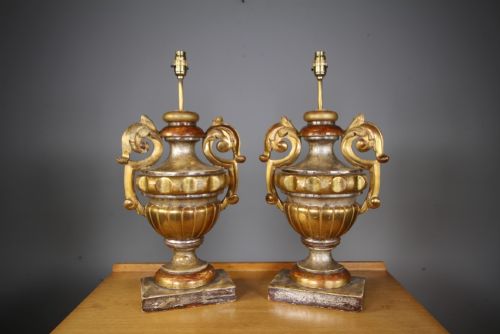
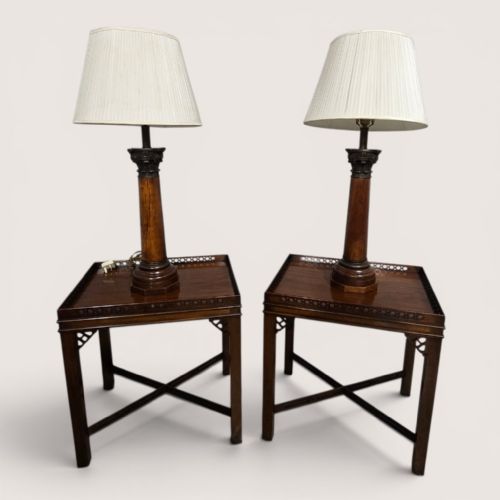
Large pair table lamps encompass matched dual lighting fixtures designed to sit upon furniture surfaces while commanding visual attention in a room. When searching for large pair table lamps, buyers encounter diverse forms ranging from converted antique vases to architectural columns.
The selections span significant historical periods, predominantly featuring nineteenth-century items alongside pieces from the 1920s and 1930s. Common origins include French, English, and Asian traditions, often utilising materials originally fashioned for entirely different purposes before conversion into lamps.
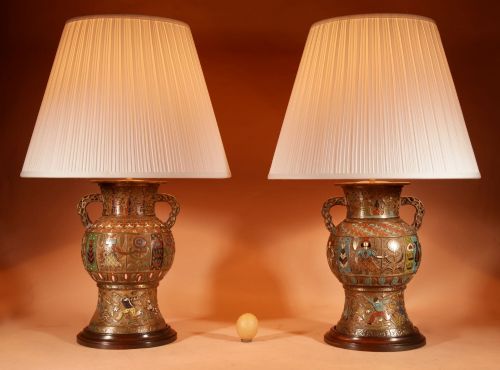
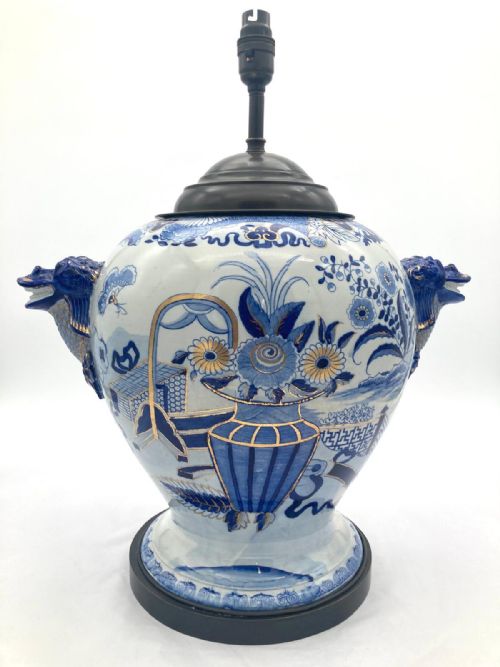
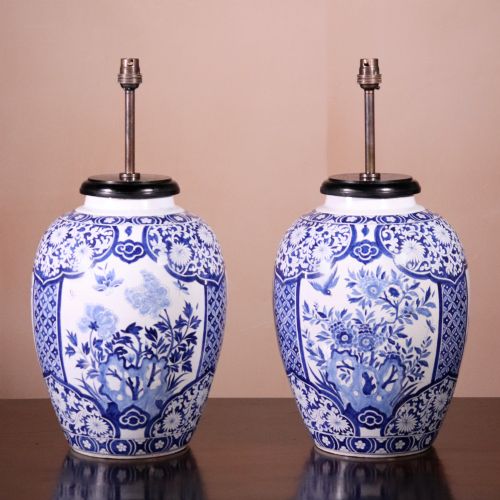
Many options derive from converted porcelain vases, Japanese bronzes, or classical brass candlesticks adapted for modern illumination. This blending of decorative vessel and functional lighting creates imposing items suited for sideboards, large tables, and substantial living spaces.
How They Were Made
Construction relies heavily on durable metalworking and ceramic techniques, utilising cast brass, ormolu, bronze, and ironstone alongside hand-carved wood and marble. Artisans shaped metals through casting and chasing, applying mercury gilding or silver plating to achieve decorative brilliance.
Ceramic bodies incorporate painted enamels, blue and white glazes, and champlevé detailing, often originating from Chinese export kilns or Japanese workshops. Mechanics of conversion frequently involve threading electrical wiring through ancient vessels or mounting candelabra branches onto weighted bases.
Several heavy nineteenth-century vessels spent decades serving as ginger jars before finding a second career illuminated on living room sideboards.
What Varies In Quality
Quality rests upon the crispness of metal casting, the fidelity of hand-painted ceramic details, and the material weight of components such as marble and bronze. Superior examples exhibit finely chased ormolu mounts, intact original gilding, and balanced proportions between the base vessel and the lighting fixtures.
Artisanal signatures and documented foundry work elevate specific items, while clumsy wiring conversions or mismatched components detract from the overall integrity. The depth of the glaze on porcelain and the structural stability of heavy stone bases dictate the longevity and visual impact of the pieces.
Barbedienne
The Large Pair Table Lamps Glossary
- Ormolu
- Gilded bronze, typically produced by applying a mercury and gold amalgam to a bronze base and heating it. This technique creates a rich, durable golden surface seen on French decorative objects.
- Champlevé
- An enamelwork technique where troughs or cells are hollowed out of a metal surface and filled with vitreous enamel before firing. It frequently appears on Japanese and European decorative bronzes.
- Corinthian
- An architectural order characterised by ornate capitals decorated with acanthus leaves. This column style translates directly into heavy brass and wooden lamp bases.
- Canton
- A Chinese port city associated with brightly coloured porcelain decorated with figures, flowers, and birds in pink, green, and gold palettes. Pieces from this tradition are frequently converted into lamps.
- Sevres
- A French porcelain manufactory known for soft-paste and hard-paste decorative wares featuring rich ground colours and gilt detailing. Items bearing this heritage command attention for their artistry.
Large Pair Table Lamps: Frequently Asked Questions
What periods do these lamps come from?
The inventory spans the nineteenth century through the early twentieth century, including Regency, Victorian, and Art Deco eras.
Manufacturing dates stretch from the 1850s to the 1930s, reflecting changing aesthetic preferences across European and Asian workshops.
Were these always electric lamps?
Most antique examples began life as decorative vases, candlesticks, urns, or architectural elements rather than lighting fixtures.
Craftsmen later converted these objects into lamps by adding electrical fittings, wiring, and appropriate bases to suit domestic interiors.
How do I place large lamps in a room?
Their substantial scale makes these fixtures ideal for anchoring large pieces of furniture such as sideboards, console tables, and heavy side tables.
Matched pairs create visual symmetry, frequently utilised to balance opposite ends of a room or frame a focal point.
What materials are commonly found?
Materials vary widely across the inventory, encompassing cast brass, bronze, marble, ormolu, and carved wood alongside various porcelain types.
Many pieces combine multiple elements, pairing ceramic bodies with gilt-bronze mounts or glass shades with metallic bases.