


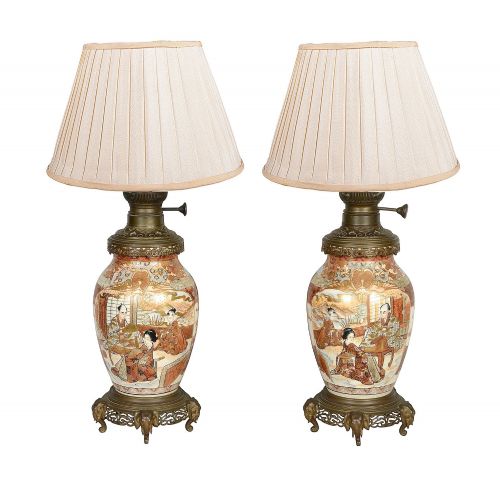


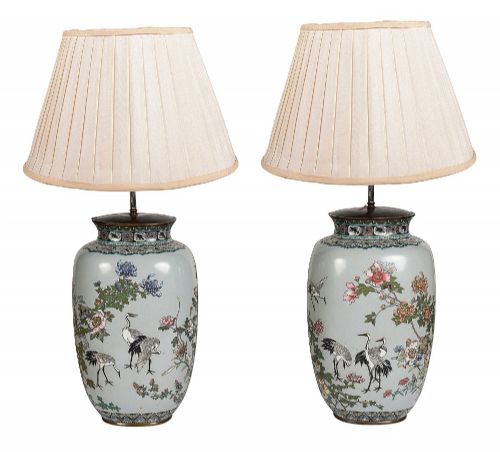


Meiji Period Vase Lamps
Meiji period vase lamps bring Japanese craftsmanship into modern interiors, offering structural elegance that transforms antique vessels into functional lighting.
Meiji Period Vase Lamps
Meiji period vase lamps convert traditional Japanese vessels into table lamps, spanning the nineteenth century up to nineteen-twenty. These pieces originate from distinct periods within the late nineteenth century and the early twentieth century.
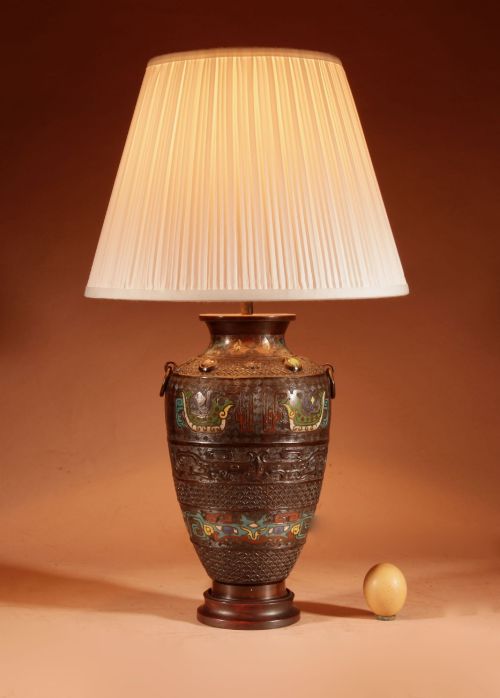
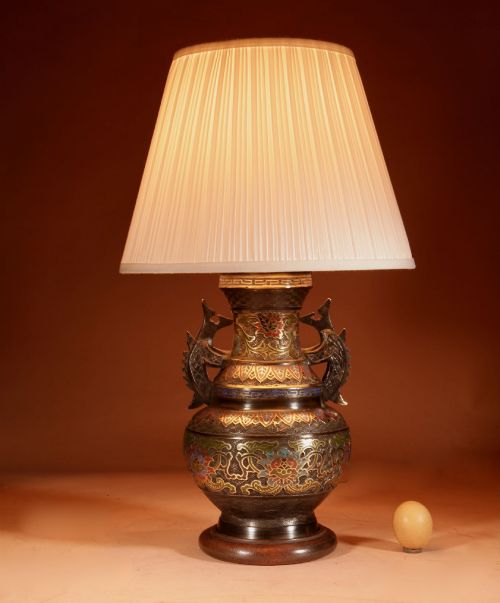
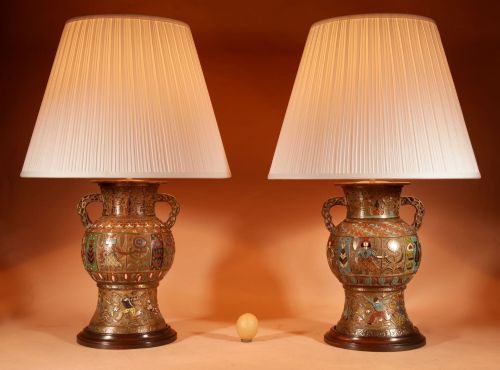
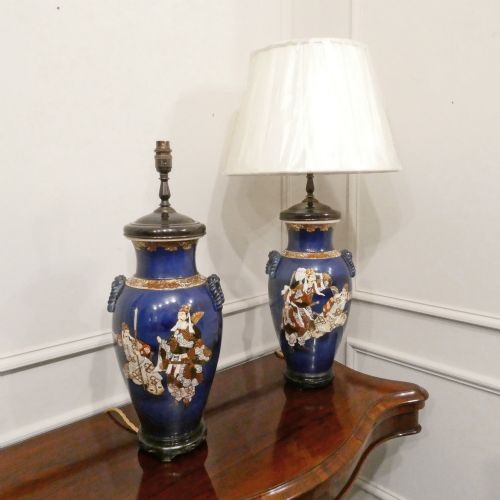
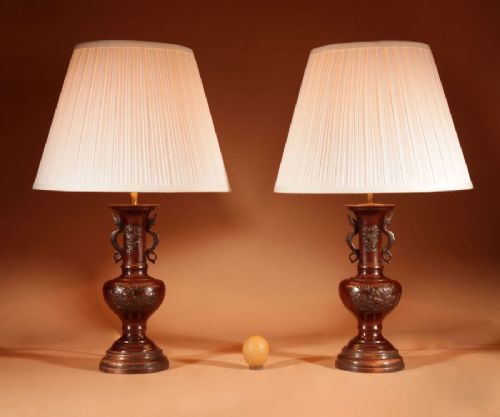
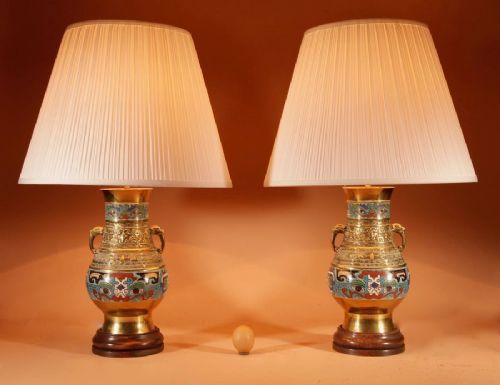
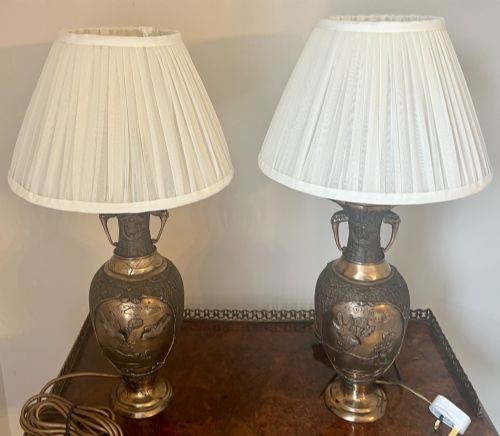
The inventory on this page consists entirely of pairs of table lamps. The underlying vessels take the form of twin handle lamps, blue and white porcelain, Fukagawa porcelain, and cloisonne enamel.
Makers adapted these forms using bronze and porcelain materials. Buyers encounter pairs uniformly across the current selection.
How they were made
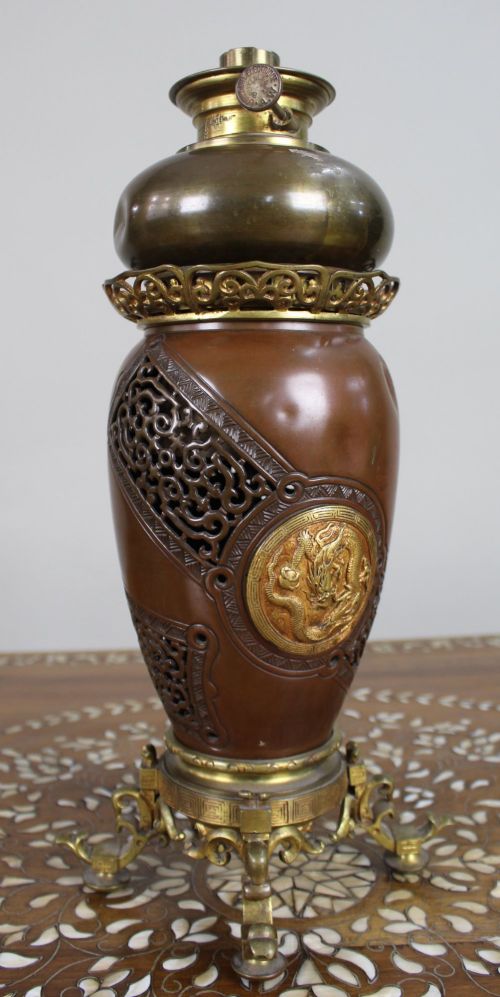
Makers utilised bronze and copper for cast metal bodies, alongside delicate Fukagawa porcelain and traditional blue and white ceramic bodies. Cloisonne enamel pieces incorporate soldered wire compartments filled with vitreous enamel pastes before firing.
Artisans mounted these bodies onto gilded wood and brass bases to suit European and Western lighting standards. Fabric and silk elements complete the shade construction above the porcelain and bronze structures.
Meiji Period Vase Lamps Retail Price Guide 2026
Typical asking prices for meiji period vase lamps among the pieces listed under this phrase on Sellingantiques today, from the lower quarter to the upper quarter. They describe what is for sale here now, not the wider market.
Materials across this selection include porcelain, bronze, copper, brass, gilded wood, fabric, and silk.
What varies in quality
Quality rests in the precision of the metal casting and the clarity of the porcelain painting. Finer examples display crisp enamel work without pitting and deeply detailed bronze casting.
The integration of the electrical fittings into the antique vessel body dictates the overall success of the conversion. Superior mountings preserve the structural integrity of the underlying porcelain or bronze vase.
The Meiji Period Vase Lamps Glossary
- Meiji Period
- The era in Japanese history spanning from eighteen sixty-eight to nineteen twelve. Pieces from this time reflect a period of intense artistic output and opening trade with the West.
- Fukagawa
- A renowned Japanese porcelain producer known for fine ceramic bodies and cobalt painting. These porcelains frequently served as the foundation for high-grade decorative conversions.
- Cloisonne
- A metalwork technique where fine wires create raised barriers on a vessel surface. Artisans fill the resulting cells with coloured enamel before firing and polishing.
- Twin Handle
- A vessel configuration featuring two opposing handles attached to the shoulder of the body. This structural feature provides balance when adapted for table lighting.
Meiji Period Vase Lamps: Frequently Asked Questions
How are vase lamps wired?
Most antique vase lamps undergo professional conversion to accept modern electrical components and standard bulbs. Electricians run wiring through the centre or base without harming the antique vessel.
Buyers should inspect the cord and plug to ensure the wiring meets current safety standards. Rewiring a lamp preserves the original vase while ensuring safe domestic use.
What styles are these lamps?
These lamps display distinct Japanese Meiji aesthetics alongside nineteenth-century decorative traditions. The designs combine Eastern ceramic and bronze bodies with Western mounting techniques.
Every listed piece originates from the late nineteenth century or the early twentieth century. This blend creates striking table lamps suited to traditional and modern rooms.
Are these lamps sold in pairs?
The current selection consists exclusively of paired table lamps. Buying in pairs offers symmetrical lighting options for sideboards, mantels, or large tables.
Each pair matches in material, period, and general form. This consistency simplifies placement within an interior scheme.
What materials make up these lamps?
Construction materials span porcelain, bronze, copper, and cloisonne enamel. Bases frequently incorporate brass and gilded wood, while shades utilise silk and fabric.
These diverse materials reflect the range of traditional Japanese manufacturing techniques. Each substance requires specific care to maintain its surface appearance.