



Gilt Wood Table Lamp
When you seek a gilt wood table lamp, you are looking for carved and gilded timber that brings warmth and classical presence to an interior.
Gilt Wood Table Lamp
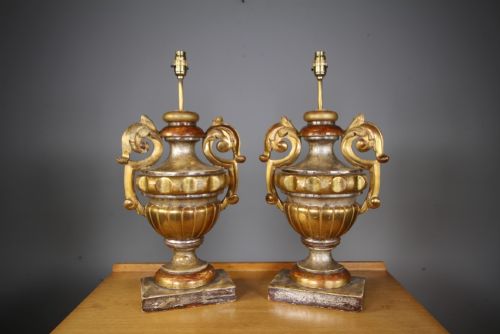
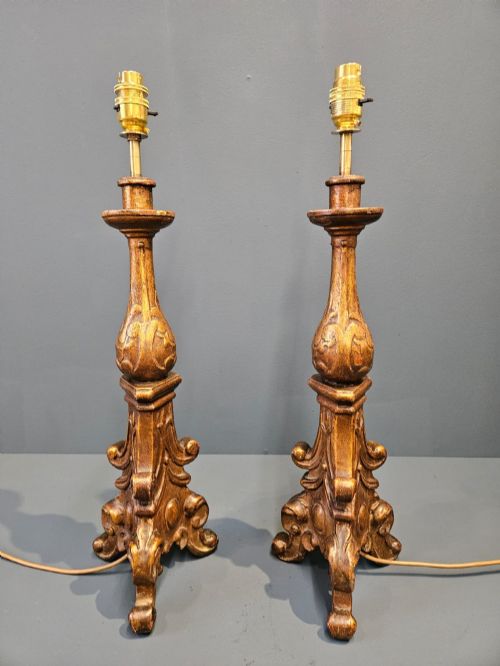
A gilt wood table lamp combines traditional carving or turned timber foundations with a layer of applied gold leaf, gesso, or paint, creating items designed to catch and reflect light in domestic spaces. These pieces frequently originate from Italian, French, and English workshops spanning the eighteenth, nineteenth, and early twentieth centuries, drawing upon Neoclassical, Baroque, and Rococo design traditions.
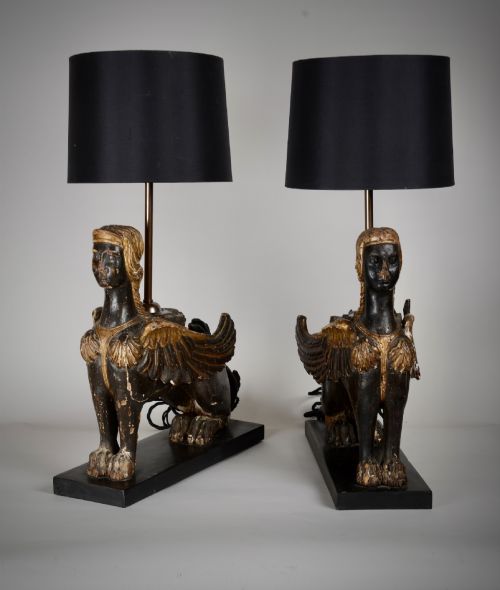
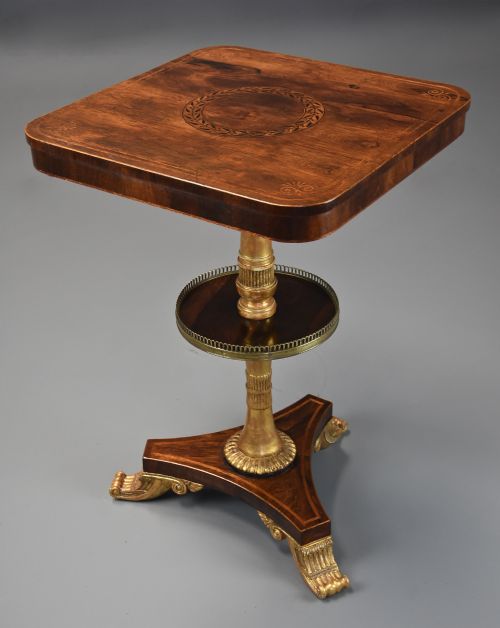
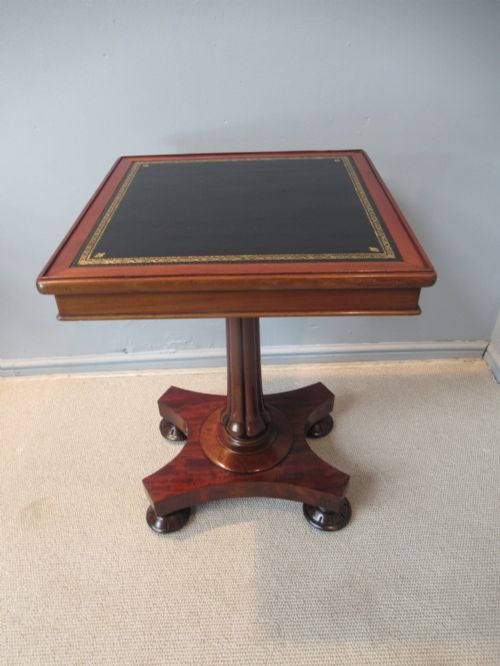
The category encompasses both purpose-built lamp bases and conversions from earlier lighting devices. Buyers encounter carved columnar standards, urns, figurative elements, and pricket candlesticks adapted for modern electrical use, alongside occasional tables surfaced with gilt timber accents and marble tops.
Italian Florentine workshops and French ateliers account for a substantial portion of these lighting fixtures, displaying intricate hand-carved acanthus leaves, fluting, and parcel-gilt finishes upon wooden cores. The historical range extends from eighteenth-century altar pieces to the revival styles popular through the nineteen-twenties.
Materials and Construction Techniques
Makers shaped the foundational body from softwoods like pine or denser hardwoods, frequently applying a layer of gesso to smooth the surface before gilding. Artisans laid thin sheets of gold or silver leaf over the prepared ground, burnishing the metal to achieve either a high gloss or a softened, matte texture.
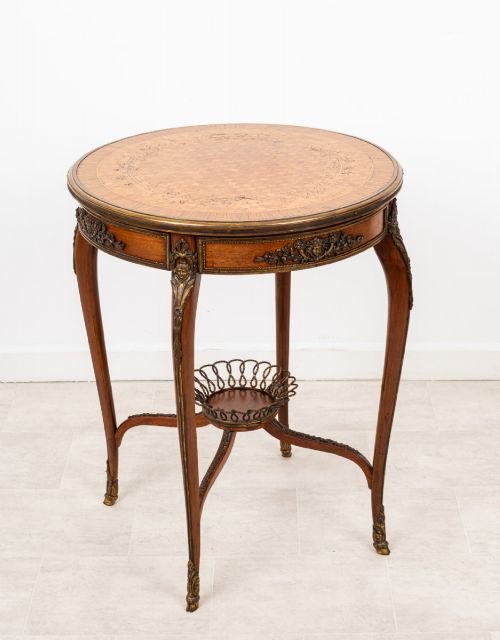
Many items incorporate secondary materials such as brass, bronze, marble, and hand-painted pigments alongside the core woodwork. Ormolu mounts and cast metal collars appear on pieces produced during the nineteenth-century revival periods, providing structural contrast to the carved wooden elements.
Design styles represented include Neoclassical, French Rococo, Victorian, and Chinoiserie across standard lamps and table forms.
Determining Quality and Execution
The crispness of the hand-carving defines the standard of an individual piece, where deep undercut details and fluid botanical motifs reveal the hand of a skilled artisan rather than a mechanical router. Dense, heavy timber cores provide stability and weight, contrasting against lighter, less substantial constructions.
The integrity of the gilded surface determines visual longevity, with traditional water gilding over gesso exhibiting a depth and warmth missing from modern chemical metallic paints. Pieces retaining their original untouched surface patination command greater interest among collectors than those with heavy over-painting.
François Linke·George Bullock·Gillows
The Gilt Wood Table Lamp Glossary
- Giltwood
- Timber decorated with thin leaves of gold applied over a prepared chalk or gesso ground. This technique creates a rich, luminous surface that ages with a distinct soft patina.
- Gesso
- A plaster mixture applied to wood to create a smooth surface for carving or gilding. It provides the crisp base necessary for detailed decorative relief.
- Ormolu
- Gilded bronze or brass mounts used for decorative and structural enhancement on furniture and lighting. The material gained widespread favour during the eighteenth and nineteenth centuries in French workshops.
- Parcel Gilt
- A finish where only specific portions of an object are gilded, leaving the underlying wood or paint exposed. This technique highlights particular carved details and architectural mouldings.
- Pricket Candlestick
- A heavy altar candleholder featuring an upward-pointing metal spike to secure the candle rather than a socket. Many examples from earlier centuries are converted into table lamps.
Gilt Wood Table Lamp: Frequently Asked Questions
Are these lamps converted from older candlesticks?
Many examples began life as altar pricket candlesticks or oil lamps before receiving modern electrical fittings during the twentieth century. This conversion process preserves the antique carved wooden body while adapting the object for contemporary domestic use.
Buyers often find that the wiring has been updated recently to meet safety standards while retaining the original historical base and gilded surface undisturbed.
How do I distinguish Italian from French pieces?
Italian items, particularly those from Florentine workshops, frequently lean towards bolder, highly textured carvings with deep relief and classical architectural columns. French examples often incorporate refined ormolu mounts and draw upon Louis styles with lighter, more curvilinear forms.
The choice of underlying timber and the specific tone of the gesso also help differentiate regional manufacturing traditions across the eighteenth and nineteenth centuries.
What maintenance does giltwood require?
Giltwood surfaces require gentle dusting with a soft, dry brush to prevent the accumulation of dirt within the intricate carved recesses. Moisture and harsh cleaning agents will damage the delicate gold leaf and underlying gesso layer.
Placing the lamp away from direct sunlight and heat sources ensures the wood beneath does not dry out and compromise the integrity of the gilded finish.
How can I tell the period of a lamp?
Dating relies on examining the tool marks left by the carver, the composition of the gesso, and the style of the turning or joinery. Revival periods of the late nineteenth and early twentieth centuries frequently replicated earlier eighteenth-century designs.
Original fixings, wear patterns on the base, and the presence of period-appropriate secondary timbers provide further clues to the actual date of manufacture.