



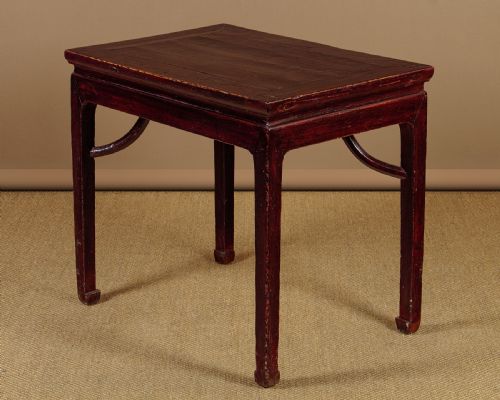


Antique Chinese Lacquer Lamp
An antique Chinese lacquer lamp brings rich hand-painted pigment and refined oriental form into a room.
Antique Chinese Lacquer Lamp
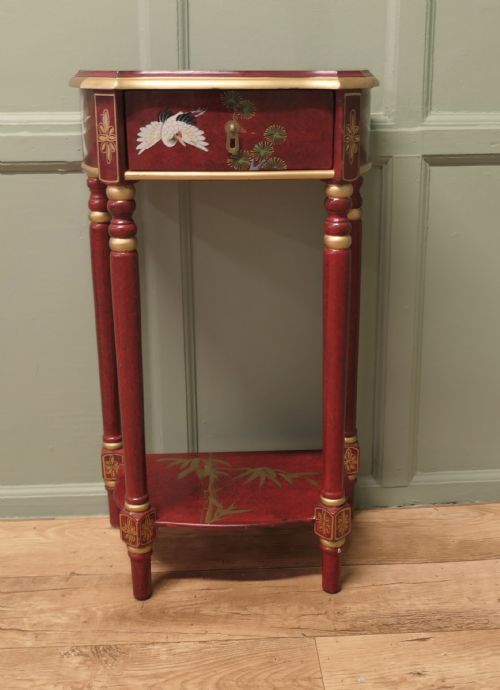
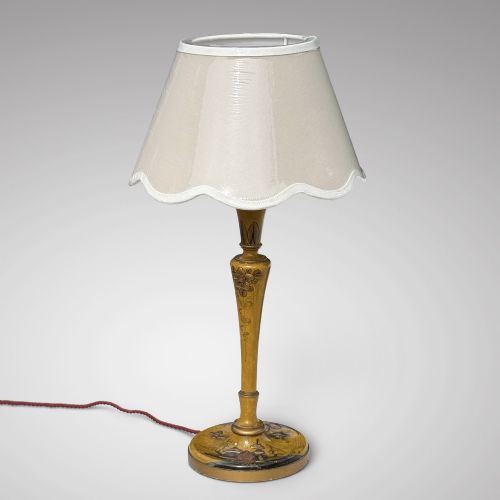
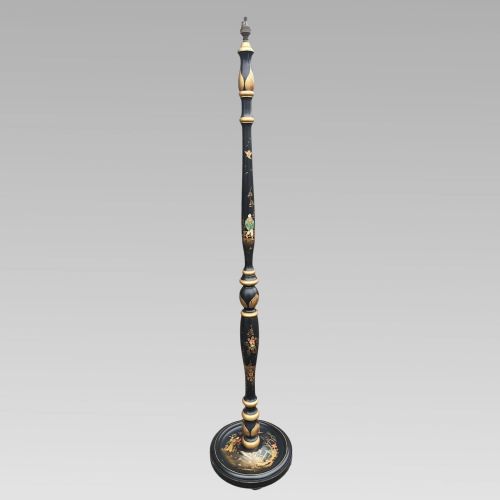
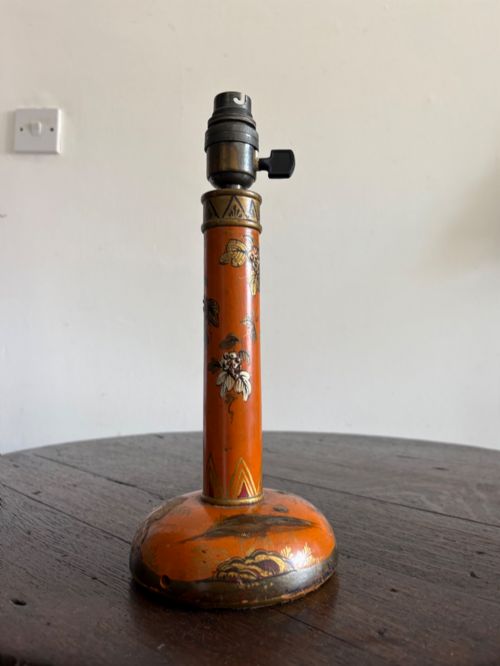
An antique Chinese lacquer lamp brings traditional decorative motifs and rich hand-painted finishes to domestic lighting. These pieces span the Victorian, Edwardian, and early twentieth-century periods, including work from the 1860s through to the 1930s.
Buyers will encounter table lamps alongside occasional furniture adapted for illumination, such as tea canisters and tripod tables converted into lamps. The visual language draws heavily on Chinoiserie and Chinese provincial styles, utilising striking black, ochre, and mandarin orange colourways.
How they were made
The construction relies on timber and lacquered wood substrates built to hold intricate hand-painted designs. Artisans applied successive layers of lacquer to create a durable, smooth surface ready for decorative pigment.
Metal components such as brass frequently provide structural support or decorative mounts. Fabric elements complete the construction, paired with gilt detailing to highlight the hand-painted oriental scenes.
Antique Chinese Lacquer Lamp Retail Price Guide 2026
Typical asking prices for chinese lacquer lamp among the pieces listed under this phrase on Sellingantiques today, from the lower quarter to the upper quarter. They describe what is for sale here now, not the wider market.
Listings feature items dated from the 1860s through to the 1930s, incorporating wood, brass, fabric, and gilt materials.
What varies in quality
The sophistication of the hand-painted Chinoiserie artwork dictates much of the distinction between pieces. Finer examples display meticulous brushwork and depth within the lacquered finish.
The integrity of the underlying timber and the balance of converted forms, such as tea canisters or tripod tables, also separate standard production from superior examples.
The Antique Chinese Lacquer Lamp Glossary
- Chinoiserie
- European interpretation and imitation of Chinese artistic traditions and motifs, popular in decorative arts and furniture. This style heavily influences the surface ornamentation found on lacquer lamps.
- Lacquer
- A durable resin finish applied to wooden objects and polished to a hard sheen. It forms the smooth, pigmented base for hand-painted oriental scenes.
- Tripod table
- A small freestanding table supported by a central pillar on three feet. Several examples utilise this form for conversion into floor or table lamps.
- Tea canister
- A vessel originally used for storing dry tea leaves, often constructed from wood or metal. Victorian examples frequently serve as the body for converted table lamps.
Antique Chinese Lacquer Lamp: Frequently Asked Questions
What periods do these lamps come from?
The pieces span the Victorian and Edwardian eras, extending into the 1920s and 1930s. Dating relies on the stylistic markers of the woodwork and the specific character of the Chinoiserie decoration.
Earlier examples from the nineteenth century often originate from converted tea canisters or timber side furniture.
How do I care for a lacquer surface?
Keep the lacquered timber out of direct sunlight to prevent fading of the hand-painted pigments and gilt work. Dust gently with a soft, dry cloth without applying harsh chemical polishes.
Maintain stable room humidity to protect the underlying wood and prevent any cracking in the layered finish.
Are these original lamps or conversions?
The selection includes both purpose-made lighting and antique items that have been adapted for electrical use. Pieces such as tea canisters and tripod tables represent traditional forms converted into lamps.
Other examples were manufactured directly as table and floor standing lighting during the Edwardian period and the 1920s.
What colours are typical for these lamps?
Black lacquer serves as a primary ground colour, often accented with gilt or polychrome painted scenes. Ochre and mandarin orange also appear in early twentieth-century pieces to create a vibrant visual statement.
The palette remains rooted in traditional Chinoiserie aesthetics designed to catch the light in a room.