


Antique Gilded Lighting Base
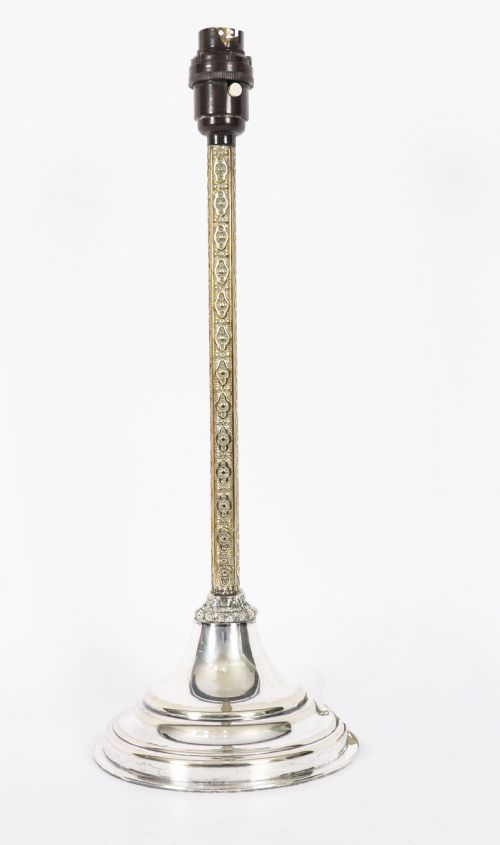
An antique gilded lighting base brings warmth and metallic reflection to a room, ranging from small candelabra conversions to tall standard lamps.
Antique Gilded Lighting Base
When you search for an antique gilded lighting base, you encounter a diverse array of converted oil lamps, candelabra stands, and dedicated table or standard lamps. These pieces originate primarily from the nineteenth and eighteenth centuries, reflecting historical movements from Victorian exuberance to neoclassical restraint.
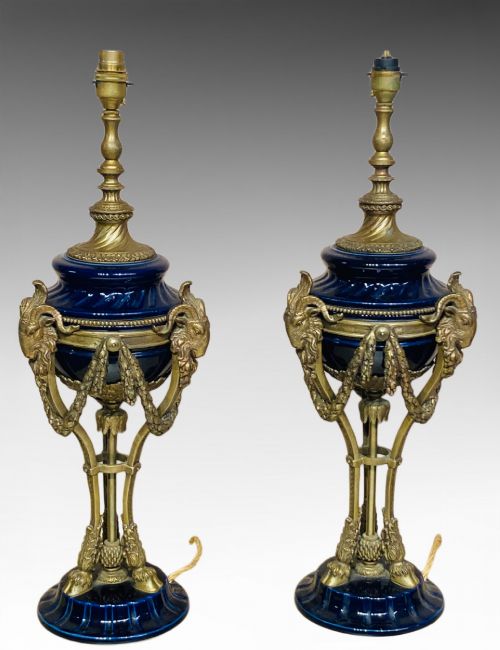
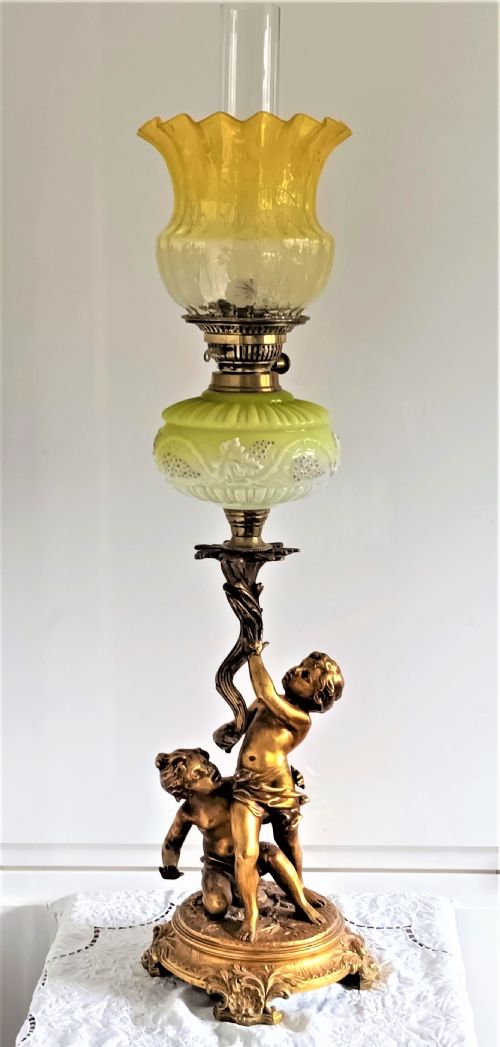
The most frequent finds on this page include converted candlesticks and oil lamps fitted for electricity alongside purpose-built lamp bases. European workshops dominate the selection, bringing French ormolu, Italian giltwood, and English brass into domestic spaces.
Forms stretch from modest desk accessories to grand floor-standing standard lamps and multi-branch candelabra. Each item carries the structural marks of its original lighting purpose before later adaptation for modern bulbs.
Materials and construction methods
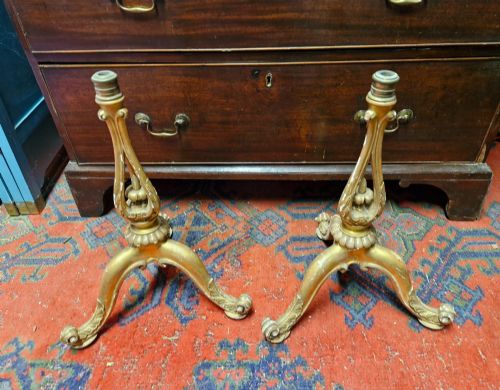
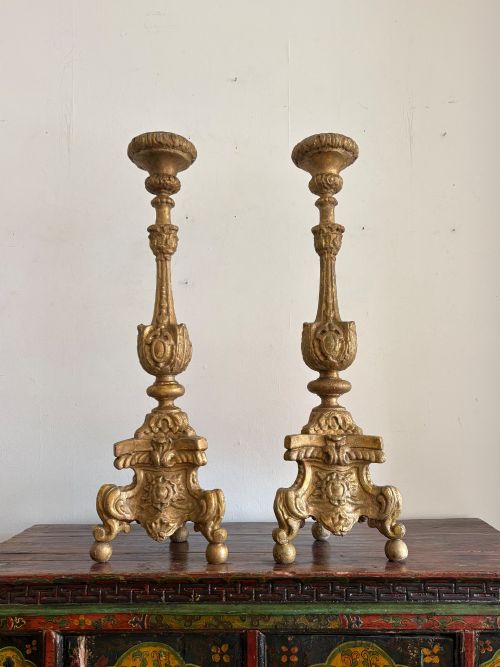
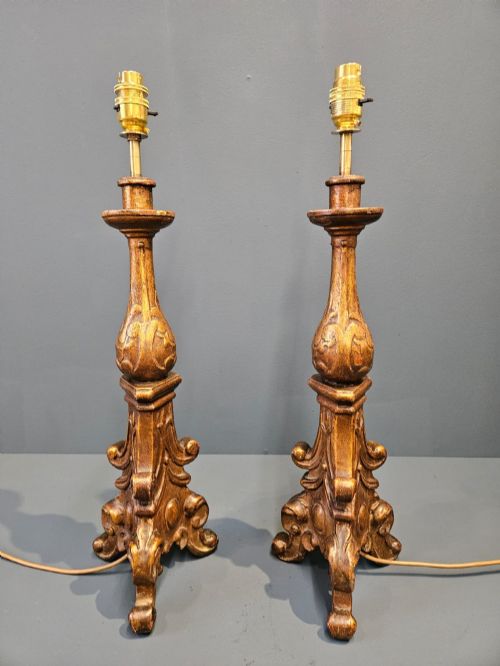
Maker workshops utilised metals such as brass, bronze, and ormolu, often applying fire gilding or gold leaf over wood, gesso, and base metal substrates. Carved giltwood altar sticks and standard lamps demonstrate traditional joinery and hand-applied gilding techniques.
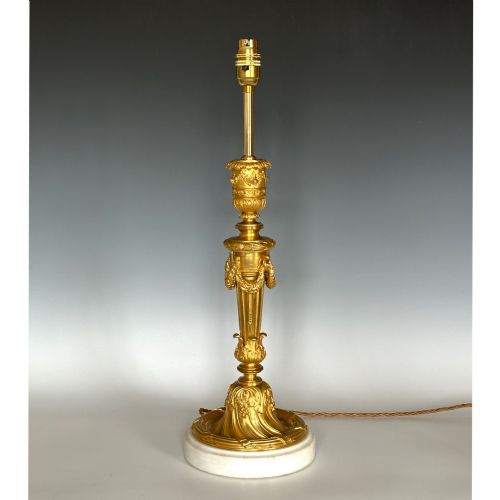
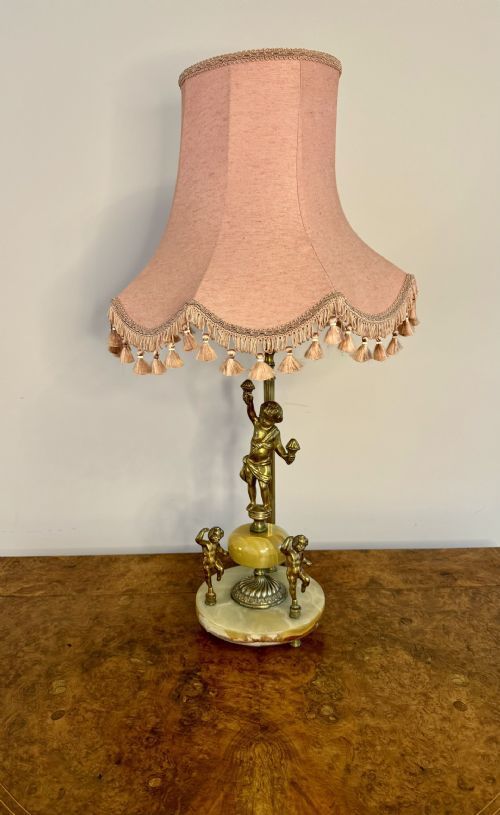
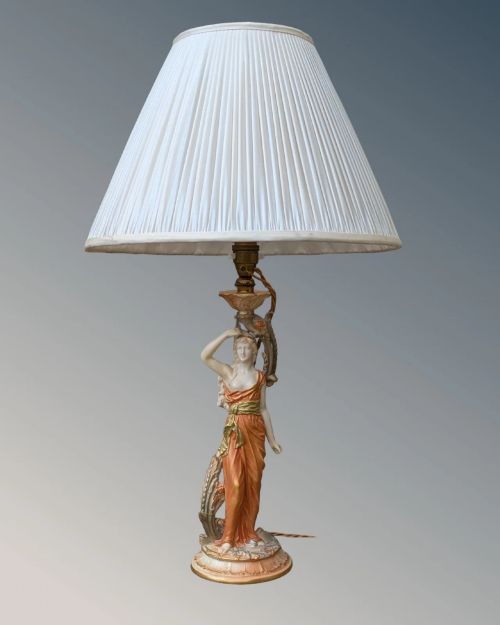
Many items incorporate ceramic, porcelain, or marble elements paired with metal mounts. Artisans cast bronze and brass components before chasing the surface details by hand to create crisp relief work on cherubs, foliate scrolls, and architectural plinths.
The listings on this page span the eighteenth, nineteenth, and early twentieth centuries, featuring materials from giltwood and ormolu to porcelain.
Distinctions in craftsmanship and preservation
Quality rests in the crispness of the chased metalwork, the depth of the hand-carving on wooden bases, and the intactness of the original gilding. Superior examples retain their original surface patination without excessive rubbing or modern re-gilding that obscures fine detail.
Heavier casting and structural integrity separate robust standard lamps and large candelabra from lighter, less substantial pieces. The integration of porcelain panels or marble sections also dictates the refinement of the object.
Mappin & Webb·Royal Worcester
The Antique Gilded Lighting Base Glossary
- Ormolu
- Gilded bronze, typically produced through a mercury amalgamation process that leaves a durable, rich metallic lustre. This technique was widely employed in French decorative arts.
- Giltwood
- Timber that has been coated in gold leaf over a prepared gesso ground. It appears frequently on Italian altar sticks and standard lamps.
- Candelabra
- A branched candlestick holder designed to support multiple lights simultaneously. Many surviving examples have been adapted to electricity.
- Chinoiserie
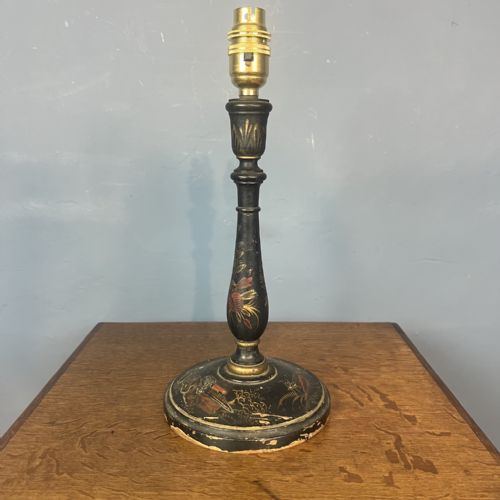
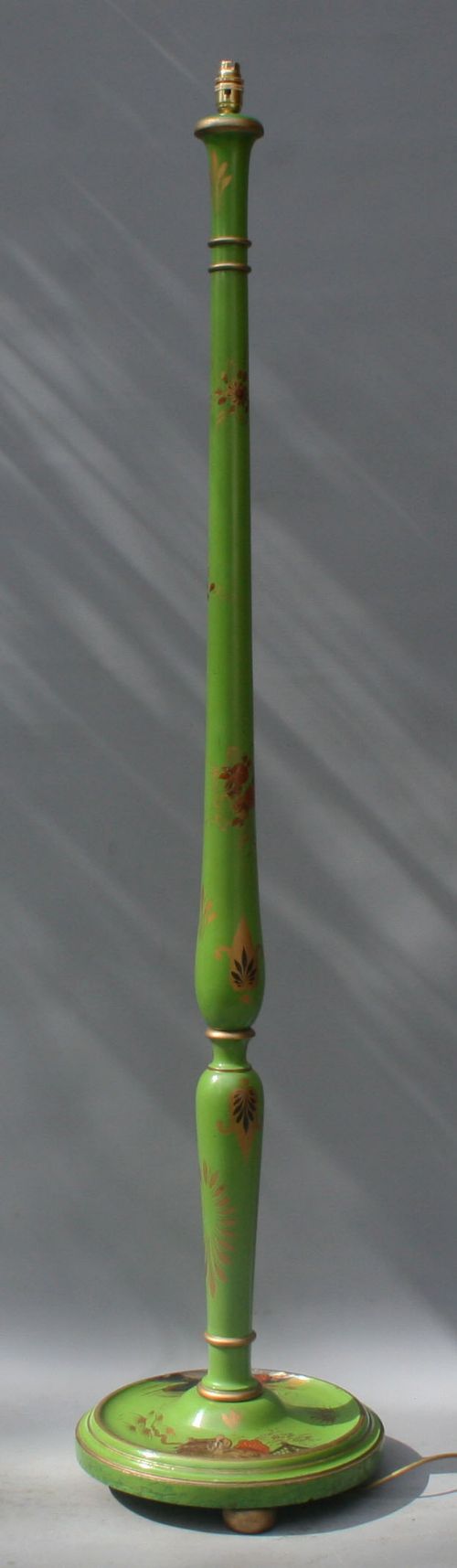
- European artistic style reflecting Chinese motifs and decorative patterns. It appears on lacquered and painted lamp bases from various periods.
- Pricket stick
- A type of candlestick featuring a central spike to secure a candle rather than a socket. These often date to the eighteenth century or earlier.
Antique Gilded Lighting Base: Frequently Asked Questions
How do I clean gilded metal safely?
Dust surfaces gently with a soft, dry microfibre cloth to remove daily accumulation without disturbing the delicate gold layer.
Avoid chemical polishes, abrasive cloths, and water, as these substances can strip thin gilt finishes or damage underlying wood and gesso.
Were these originally made as lamps?
Many items began life as oil lamps, candlesticks, altar sticks, or decorative candelabra before receiving professional conversion for electrical wiring at a later date.
Purpose-built electric table lamps and standard lamps also appear from the late nineteenth century onward as domestic lighting technology evolved.
How do I tell Italian from French pieces?
Italian pieces often favour carved giltwood, baroque scrollwork, and Florentine motifs, showing a distinct sculptural emphasis in wood.
French items more frequently showcase cast ormolu, patinated bronze, and neoclassical or rococo styling with finely chased metal details.